We all love the idea of learning a new skill. It’s fun and good for your brain, and even better if that new skill is useful and actually comes in handy during daily life.
The only problem is, for most of us, the time and effort investment in such a feat is monumental. Want to become even halfway decent at golf? Get ready for 1-2 years of regular play before you can even sniff a respectable score. Think it would be fun and useful to learn Spanish? Prepare for at least 6-12 months of daily practice. Becoming a more confident public speaker, similarly, takes months of preparation and practice.
Fortunately, real people are sharing the useful life skills they were able to pick up with just two or three weeks of effort.
In a series of threads on Reddit, people are discussing “life changing” skills they use daily that anyone could grasp in just a few short weeks. Here are nine of the best responses.
1. Tying knots
“Tying knots… lots of things around the house is tied with knots, either temporarily or permanently… fairy lights, plants, clothes lines, decorations,” one user suggested.
“The bowline is key. 2 weeks of practice should do it. [Also] Sheet bend and the hitch,” added another. Another user suggested the Midshipman’s Hitch and the Alpine Butterfly knot as techniques everyone should learn.
The great thing about learning basic knots is that you can do it in the comfort of your own home, with a cheap bunch of rope and a few YouTube videos:
2. CPR and basic first aid
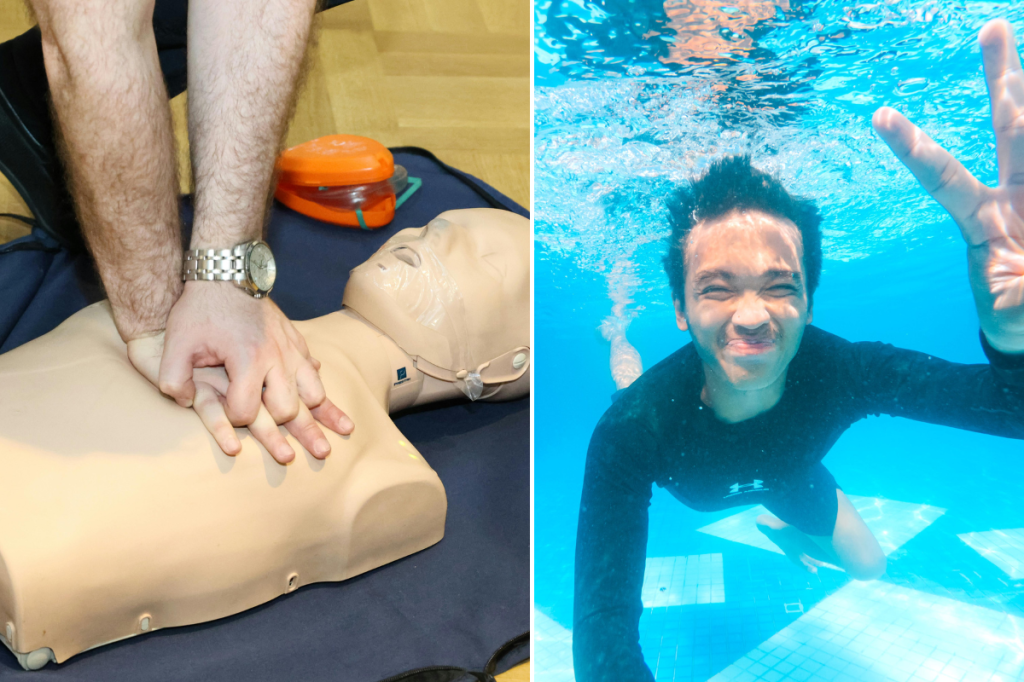
“Proper CPR technique takes like, an hour at most to learn and get certified in. My job requires me to be trained in CPR and first aid yearly. It feels kind of nice knowing I could potentially save a life cuz I give dummies mouth-to-mouth once every 12 months,” one user wrote.
“First Aid. Can be learnt in much less time than this but the attitude and confidence to step in in an emergency is life changing,” said another.
CPR classes are available from the Red Cross and other organizations in every major and minor city. If you’re interested in learning more advanced techniques, some suggest taking an ACLS (Advanced Cardiovascular Life Support) course or WFR (Wilderness First Responder) course. The latter equips you to deal with bites, burns, and other injuries, while the former helps you handle sudden cardiac or respiratory events.
3. Swimming
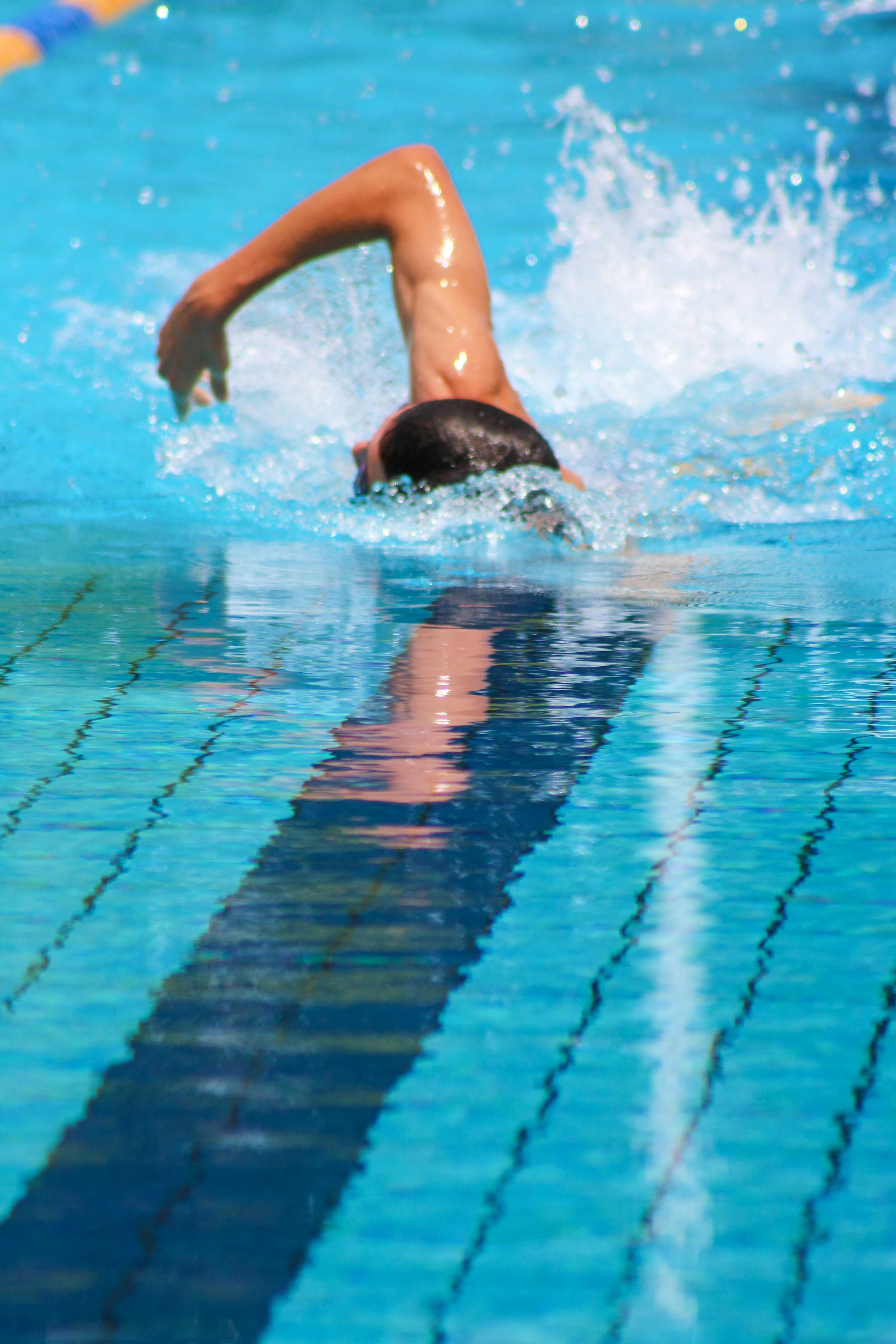
Becoming a great swimmer can take months or years of practice, but learning not to panic and how to keep your head above water is easily mastered with just a little practice. And it could save your life.
“Agreed. WAY too many senseless deaths due to not knowing how to swim,” one user wrote, referencing the nearly 40 million U.S. adults that can’t swim.
“You can learn basic treading water in minutes. Combine this with retaining more air while breathing to float and you know basic water survival,” someone added.
Most YMCAs and community centers offer adult swim lessons for anyone looking to get started.
4. Sitting in silence
“Sitting for at least 30 minutes in a room without any stimulation. You will struggle for a week for two but once you master this your quality of thoughts will be better and hence better quality of life,” one person suggested.
Another echoed the sentiment: “The ability to just sit, without distraction in the form of music, phone, book, whatever. Just the ability to sit with your surroundings and your thoughts and nothing intruding in between.”
After all, the French philosopher Blaise Pascal wrote, ““All of humanity’s problems stem from man’s inability to sit quietly in a room alone.”
Meditation is a good place to start learning this skill. Free guided meditations are available on YouTube, Spotify, or apps like Headspace.
5. Managing your emotions
“Basic emotional regulation,” one user suggested. “Learning to pause, label what you feel, and respond instead of reacting can dramatically improve relationships, decisions, and stress within a few weeks.”
This isn’t so much a skill to learn as it is one to practice. It takes repetition and focus to pause before reacting, but it can be learned on a basic level relatively quickly.
Psychology Today writes, “Pausing allows us to be gently present with our feelings, which gives them time to settle. It allows for self-soothing, which positions us to convey what we’re feeling in a responsible, authentic, congruent way.”
6. How to stop complaining
“No complaining. It is a skill to practice. If you stop complaining, you focus on resolving problems,” someone wrote.
“THIS. It made such a HUGE IMPACT on my life,” another person concurred. “I was like ‘what do I complain about? How can I change it? Is it something I can change?’ I like to journal about it to put my thoughts down and the literally problem. Then see if I can problem solve or if it’s something that I can’t control then learn to accept.”
Squashing complaints before they exit your mouth can enhance gratitude and put your focus where it should be: on problem solving and/or acceptance. But it takes some practice to make it second-nature.
7. Basic self-defense
“Womens [or other people’s] defense classes. You only need to take a 1-2 classes to get down to the nitty gritty and know how to defend yourself in case someone may want to target you.”
Women’s self-defense classes are often available through community programs at police stations and the like, or through specialized martial arts studios. Men, too, can find classes through local studios, but be sure to look for practical self-defense and not classes that are primarily cardio or exercise-based.
A few basic sessions can go a long way—just remember not to be overconfident in your skills as a beginner.
8. Learning a magic trick
“My son has a go-to magic trick he does at stuffy parties that gets people laughing and talking. It truly is an unexpected ice breaker,” one parent wrote.
Learning one or two entertaining tricks with a deck of cards or a few coins can be an incredible icebreaker, conversation starter, and a way to make yourself more memorable when meeting new people or networking. You don’t need to wear eye-liner and learn to levitate—just one or two casual but fun routines can go a long way and be learned and mastered relatively quickly with a little help from YouTube or the local library.
9. Becoming (more) ambidextrous
“You can become ambidextrous …in about three weeks. Start doing basic things like brushing your teeth with your non-dominant hand, and move on from there. It’s convenient if you happen to break your arm,” one person wrote.
“My kindergarden teacher was not having it with one of the students who had a broken arm – she made us ALL learn how to do things with only one hand (buttoning coats was a big deal, apparently) and then made us alternate hands for a lot of our class work. Not a bad thing, although I still deal playing cards left handed, which makes people think I’m up to something,” another added.
“I became partially ambidextrous again recently due to injury. It’s amazing how quickly your brain will just start picking up some things when damaged!”
True ambidexterity, meaning both hands are equally as skilled at all tasks, is extremely rare. But with a little effort, anyone can make their non-dominant hand more useful—which could come in handy in daily life. Most interestingly are the benefits to the brain: Using both hands more often may enhance brain function and improve memory and creativity.
Plus, if you can’t open a tight jar with your good hand, it’s always nice to have a useful spare.
Better get cracking, mastering a useful skill that improves your everyday life is just a few short weeks away.