Yes, we’re entering the age of the baby boom. No, not our beloved home-owning generation that remembers listening to music on vinyl records and watching the first episode of “Saturday Night Live” ever aired. No, this time, there’s a new baby boom at the London Zoo. It’s a heartwarming moment for the world’s oldest scientific zoo (which opened in 1828) because six tiny, pint-sized additions were recently born there.
If you visit the London Zoo, you’ll see that many animals are part of its conservation breeding programs. This means that they participate in a unique initiative to save their species, hoping to return them to the wild someday. And there’s more good news: London Zoo conservationists have already successfully bred and reintroduced various species back into the wild, such as the Partula Snail, Northern Bald Ibis, Fen Raft Spider, and many others.
So, while very cute, the zoo’s latest additions also play an essential part in each species’ survival and the zoo’s overall conservation efforts. Many of the newly born species are at high risk of extinction because they can no longer survive in their natural habitats due to deforestation, habitat loss, and climate change. Thus, their captive breeding becomes a vital “safety net.” For example, Darwin’s Frogs, one of the many endangered species at the London Zoo, are safe in their Regent’s Park digs from chytrid fungus. This deadly fungal disease is responsible for decimating amphibian populations worldwide.
These births also provide a safe opportunity to study animal behavior, reproduction, and health in controlled environments—insights that can be applied to conservation strategies worldwide.
But what are these elusive endangered species? And are they really that cute? Let’s dive in.
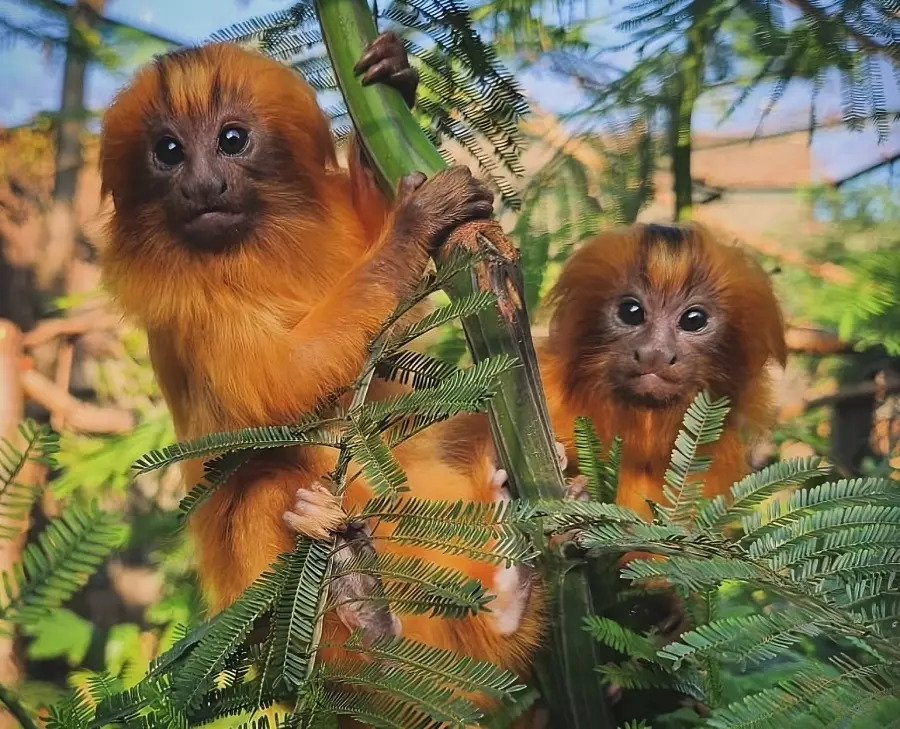
Two twin Golden lion tamarin primates
Say hello to London Zoo’s newest Golden Lion Tamarin twins, Pomelo (male) and Clementine (female). Born last spring, they joined their older brother, Kumquat, with all three primates named after citrus fruits, an ode to their distinct, vibrantly orange fur.) Golden lion tamarins, or Leontopithecus rosalia, are native to Brazil but, unfortunately, face severe survival threats due to habitat loss and the illegal pet trade. In the 1970s, it’s estimated that their wild population dropped to as few as a record-dropping 200, but has since improved.
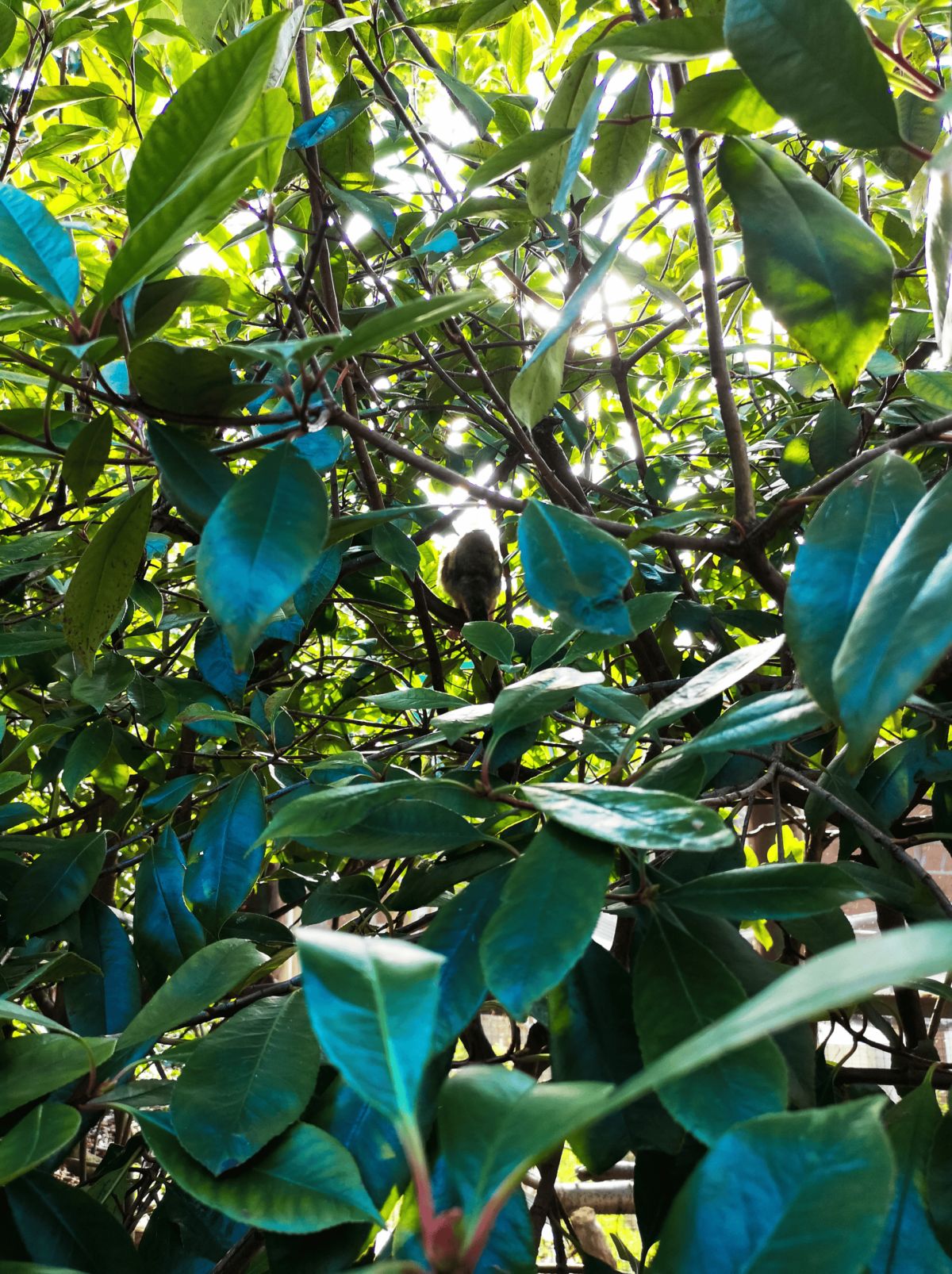
Both parents love and care for Clementine and Pomelo, who are safe at their home at the London Zoo. As is typical for the species, their father, Fabio, takes care of the little ones most of the time and periodically passes them to their mother for feeding, one at a time.
Fia, the White-faced saki monkey
Alongside the tamarins, a ten-month-old white-faced named Fia has also joined the rainforest habitat.
Fia joins her mother, Kaituma, her father, Milagre, and her older sister, Maya. In 2023, the small family moved to the London Zoo from Whipsnade Zoo in Bedfordshire, England.
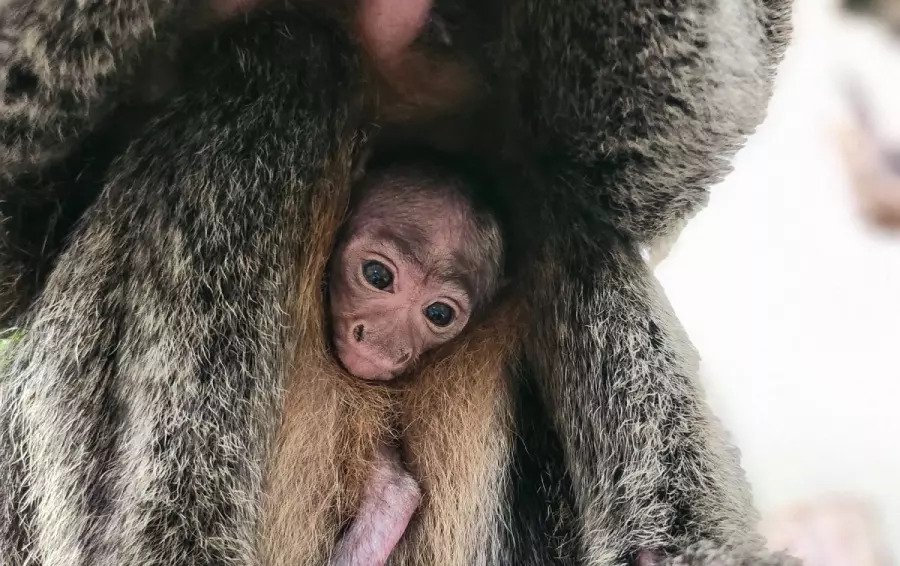
Fia and her family live in the zoo’s “Rainforest Life,” a high-profile exhibit that educates visitors about rainforest ecosystems and the importance of preserving biodiversity. White-faced sakis, or pithecia pithecia, are found in the rainforests of northern South America, including Brazil, Guyana, and Venezuela. They live almost completely in the trees and almost never come down. They are named for the male’s appearance, which is black, except for the head, which is white or reddish. Females, meanwhile, are primarily brown or brown-gray.
Two Asian short-clawed otter pups
Then, there are the two Asian short-clawed otter pups. Born in January, they are too young to be named, and their genders have yet to be determined. Their mother, Midge (who joined London Zoo from Newquay Zoo in 2024), has been dutifully nursing the pups in their nesting area alongside their father, Siyam.
Also known as Aonyx cinereus, Asian short-clawed otters (or Asian small-clawed otters) are the world’s smallest otters, ranging from just 4 to 11 pounds. Its short dark brown hair is relatively short, and the whiskers it sports help detect changes in water current and pressure.
This shallow-water otter lives in freshwater wetlands, mangrove swamps, and fast-flowing, rocky streams throughout southern India, southern China, and parts of Southeast Asia. However, human development and pollution are destroying the wetlands where they live.
Alaotran gentle lemur
Last is London Zoo’s two-month-old Alaotran gentle lemur, who was born to parents Hazo and Rocky. Unnamed so far, the baby lemur has already begun to explore its outdoor environment, nibbling leafy greens alongside its mother and jimping around.
With fewer than 5,000 lemurs remaining, the Alaotran gentle lemur, or Hapalemur alaotrensis, is considered critically endangered. This species is endemic to the papyrus marshes surrounding Madagascar’s largest lake, Lake Alaotra, and is the only primate that lives exclusively in wetland environments. Their marshes face severe threats from habitat destruction due to illegal burning for rice farming and invasive species in Madagascar.
These six births extend far beyond a high-profile attraction for the London Zoo: they are significant steps in safeguarding species on the brink of extinction while teaching the public more about the importance of habitat preservation and biodiversity conservation.
Plus, they’re pretty darn cute, aren’t they?