upworthy
Add Upworthy to your Google News feed.
Google News Button
Family

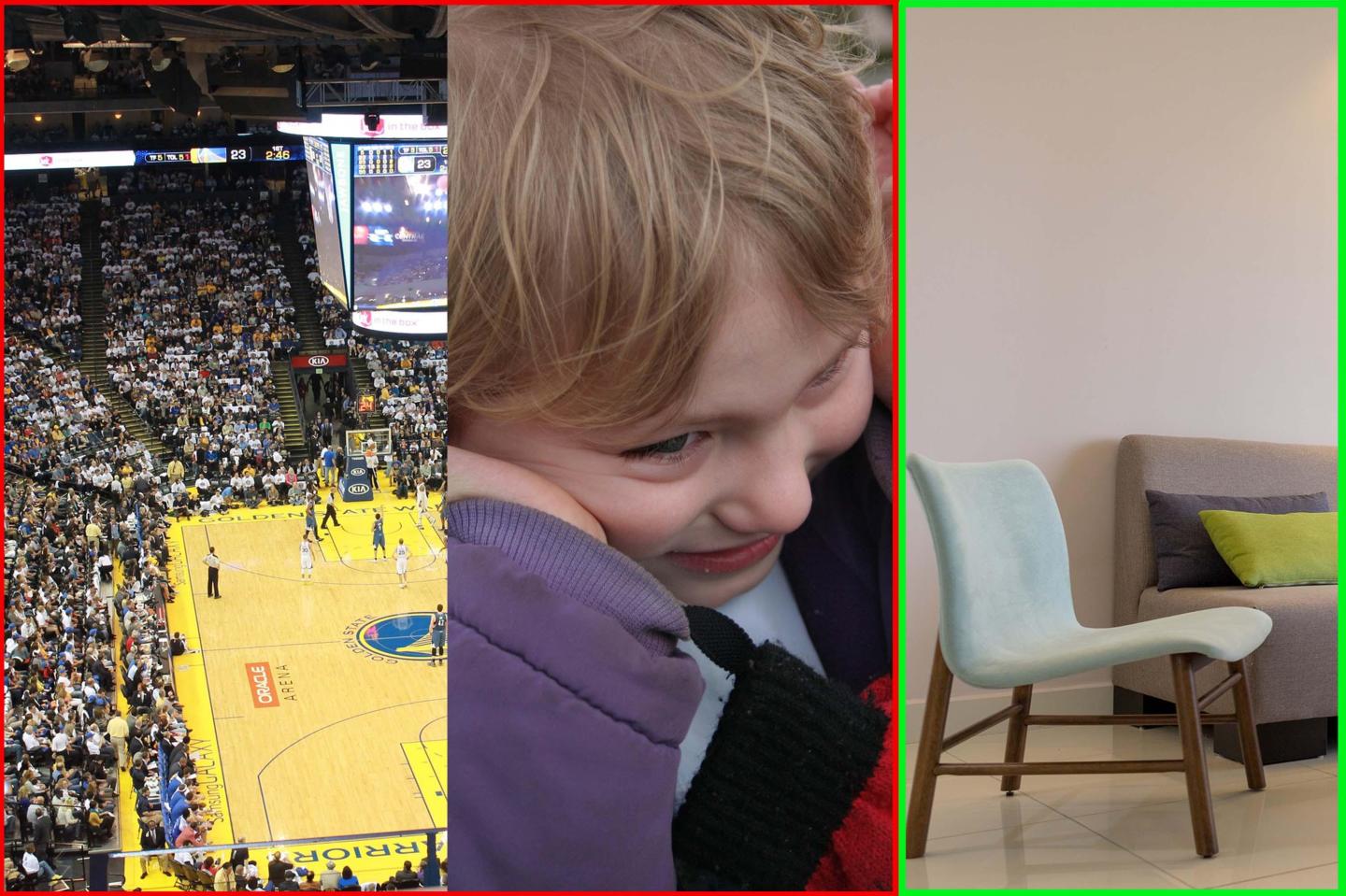
If you spot a 'sensory room' at a sports stadium, you likely have this couple to thank.

autism, sensory room, parenting, society, events
Images from Pixabay.

Autistic children at high-energy events benefit from a place to get quiet.

When Julian Maha and Michele Kong's first child was diagnosed with autism, their world turned upside down.

Maha and Kong's son Abram was an easy, delightful, precocious baby at first. Around age 2, his behavior suddenly changed. He stopped talking. He stopped sleeping. He cried inconsolably half the night.

Though they are both physicians themselves, his parents were at a loss. They consulted several doctors, finally landing an appointment with one of the top speech delay specialists in the country.


After a short examination, the doctor abruptly delivered the daunting news: Abram has autism. He would probably never speak, never say, "I love you." And the doctor's opinion was that there was a good chance Maha and Kong would end up institutionalizing him because he was only going to get worse.

Maha and Kong were stunned.

"It was as if someone had dropped a bomb in our lives, and we were just standing there holding the pieces," Maha said in a TED Talk (video link below.) Abram's diagnosis changed everything — including what would become the couple's life calling.

Maha and Kong quickly learned that families affected by autism often feel isolated and excluded from society.

The couple found themselves thrust into a whole new world, and soon discovered that many parents of kids with autism find themselves with little social support.

Some people with an autism spectrum disorder are nonverbal completely or just at times, which can make communication difficult. The vocalizations that sometimes come with autism can be unnerving to people without autism who are unfamiliar with them. Too many noises, lights, people, or other stimuli can push people with autism into sensory overload, which can lead to meltdowns.

And then there are the assumptions. Because they communicate differently, people with autism are often perceived to be unintelligent or unfeeling.

However, Maha and Kong realized that many of society's perceptions of autism are simply wrong. People with autism are often highly intelligent and experience a full range of emotions. Many absolutely can and do feel and understand — it's just that sometimes, they just can't show it in ways that most of us without autism understand.

Maha and Kong believe that many of these prejudices can be dissolved through awareness, acceptance, and inclusion. So they set out on a major mission.

They founded KultureCity, an all-volunteer nonprofit that advocates for acceptance and inclusion of people with autism — and helps make it happen.

Based out of Birmingham, Alabama, where Maha and Kong live, KultureCity seeks to transform our society to be accepting and inclusive of neurodiversity.

"Everyone's aware of autism now," says Maha. "I think it's the next step of acceptance and inclusion that's really going to start making changes for so many kids."

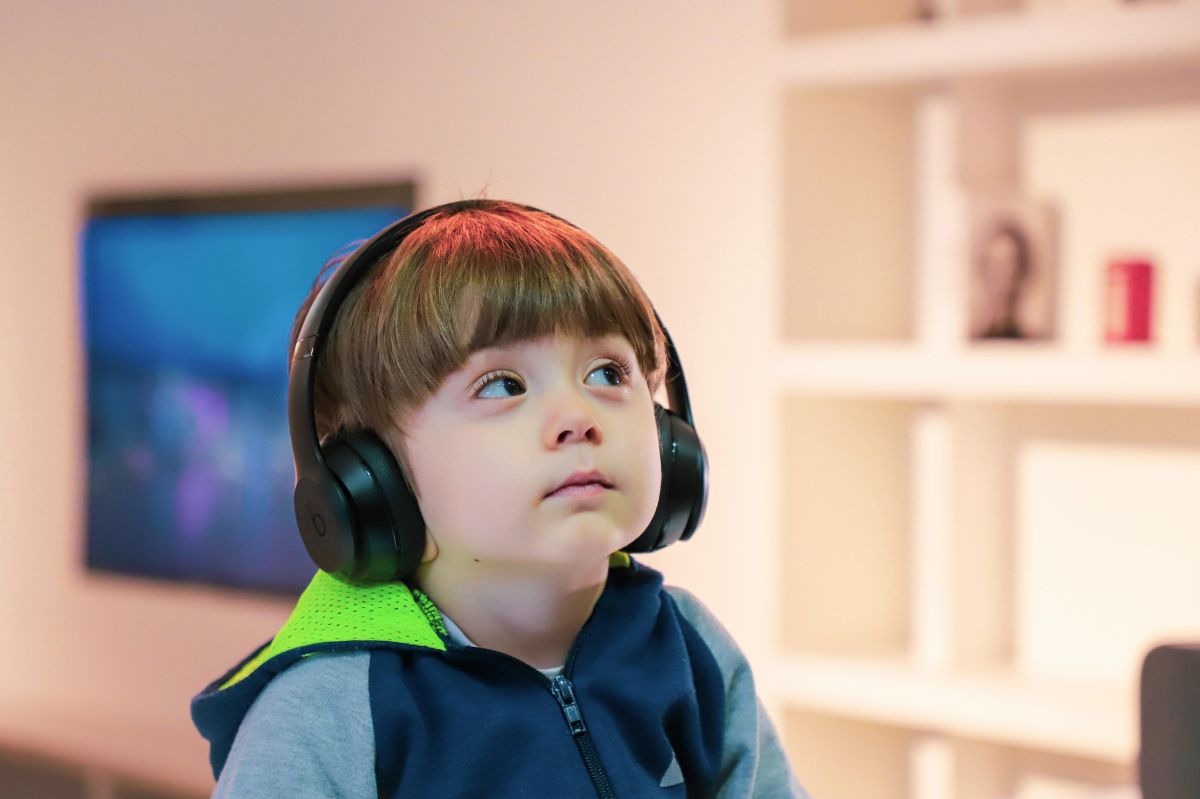
Noise-cancelling headphones can help a child with autism in sensory overload.

Photo by Alireza Attari on Unsplash

KultureCity works toward that goal by training people in guest service positions on how to interact with guests with sensory processing differences. They also help make spaces more inclusive through minor adjustments and accommodations. The training is the most important thing, though, Maha says. When non-autistic people know what to expect and have tools for interacting with someone who may hit sensory overload, everyone's experience is more positive.

KultureCity has helped create sensory-inclusive spaces at more than half of NBA stadiums, in addition to other venues.

The organization works with zoos, aquariums, professional sports venues, and other public spaces around the country to help them be more sensory-inclusive.

Maha points out that there's a difference between a sensory-friendly space or event and a sensory-inclusive one. A sensory-friendly space provides lower noise levels and crowds, but such accommodations might hinder the experiences of others. A sensory-inclusive space provides accommodations that have little to no impact on anyone else, but make a big difference for people prone to sensory overload.

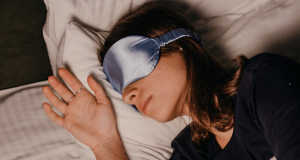
Such an accommodation might be a room where people can escape the crowds and noise in a sports stadium, for example. Or it could be a grab bag filled with things like noise-cancelling headphones, stimming tools, and weighted lap pads (which can help people feel grounded).
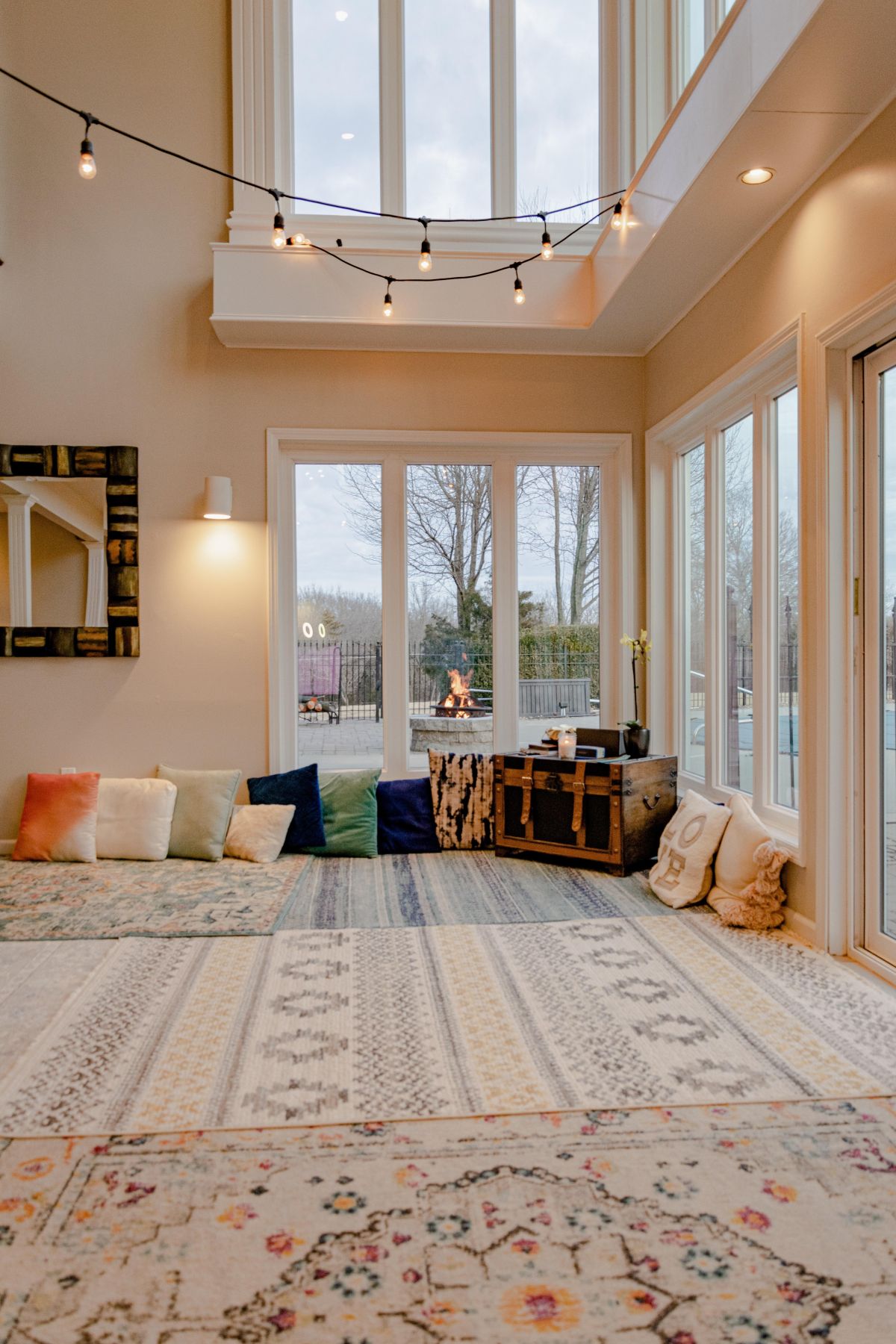
Calm lighting, minimal decor, and various grounding activities give people a respite from sensory overload.

Photo by Ralph (Ravi) Kayden on Unsplash

It can be a challenging diagnosis, but Maha wants people to know that people with autism are no different from your children or loved ones who don't have it.

"They view the world differently and they take in the world differently from us, but their wants and needs are still similar," Maha notes. "They still seek acceptance and inclusion, they want to be part of the community, and it's our mission to help embrace them regardless of their differences."

Pets

Pets support us, let's support them.

In honor of Pet Wellness Month, here are three small ways to fuel your furry friends.

Pets support our mental health every single day—now, it’s our turn to care for them
Pets support our mental health every single day—now, it’s our turn to care for them.
True

There are few things that boost our mental health more than owning a pet. Whether it’s a dog or a cat, pets offer unconditional love, the ability to lower stress, and the opportunity to build a community with other pet lovers. Pets support our mental health in dozens of ways, every single day. But how do we care for them in return?

In partnership with Nulo, we’re celebrating Pet Wellness Month this October by highlighting the small, meaningful ways pet parents fuel their fur babies’ happiness and health. We asked readers: “What’s one small thing you do that makes a big difference for your pet?” The best answers win a custom pet portrait, a wellness care package courtesy of Nulo, and a donation to their local pet shelter.


Of all the hilarious and heartfelt answers we got, three of them stood out. Here are the winning responses and three examples of how you, too, can make a huge difference for your pet in small, simple ways.

Keeping their bodies strong

Meet Tee: He’s a loyal, playful ball of energy that helps his owner, Jailon, by bringing joy and calm to his life every day. To show Tee love, Jailon prioritizes physical health and emotional wellness. For exercise, Jailon makes sure Tee has daily walks, playtime, and making sure his diet is balanced with high-quality, nutritious food (Nulo being one of his favorites).

But emotional wellness is equally important. “One small thing I do that makes a big difference for my pet is setting aside dedicated connection time every day,” Jailon says. “No phones, no distractions, just us. The time helps us bond and keeps Tee’s mind active and healthy.”

Communication is key

Mary Ann’s dog Aiden was rescued from her local Humane Society, and as a former stray, the beginning of their relationship wasn’t always easy.

“Aiden was so scared that he would sleep in a corner or under a bed. My husband and I had to sleep with him on the floor until we gained his trust,” Mary Ann said. To soothe his separation anxiety, Mary Ann started talking to him regularly.

“I started telling him, ‘mommy is going to work,’ or ‘mommy will be back’ and he started to understand,” she said.

Amazingly, Aiden responded. Now, his anxiety has improved and their bond is stronger than ever. Aiden still relishes the gentle words of affirmation that Mary Ann continues to give him.

“His face is so expressive and his smile melts our hearts,” she said. “We get him to fall asleep by repeatedly telling him, ‘I love you, Aiden.’”

Building them a place to call home

Our feline friends need love, too. That’s why Amber created a cozy habitat for her longhair tuxedo cat, Precious, on the nights where she likes to roam. Adopted from a local shelter eight years ago, Precious is now 16—and not fond of staying indoors.

“In her old age, Precious has become very anxious being inside,” Amber said. Even in the cold winter months, Precious prefers staying outside on their back deck or exploring their 10-acre property. “She usually refuses to come inside, even on cold nights,” Amber said.

After many failed attempts to get her inside for the evening, Amber and her family realized it would be unfair to keep her confined when she wasn’t comfortable. As a compromise, Amber’s handy husband built a safe haven for her outside.

“She couldn't just have a tiny little box. Our girl was too good for that,” Amber said. “Now we can rest easy at night knowing she is safe, warm, and secure in her own private bungalow.”

Showing love for your pets—especially in the form of regular exercise, safe surroundings and good nutrition—is the best way to keep them happy and healthy for as long as possible. And when we help our pets live longer, we’re nurturing the connection that makes our lives richer, too.


Good nutrition is the cornerstone of a happy pet. Fuel your pet and help them reach their individual incredible with help from Nulo.

Family

Boomer grandma challenges family norms by asking why she has to do the traveling for visits

"Should grandmas be the ones on the road, or should families pick everything up and drive to her?"

baby boomers, grandparents, travel, airport, senior woman traveling, luggage

An older woman holding a suitcase.

When the holidays roll around, it’s time for families to decide where they will meet to celebrate. For the most part, parents with younger kids dread packing their bags and traveling to a family member’s house where things aren’t set up for young children. You fumble around setting up the pack ‘n plays, can’t find your bottle brush, and freak out because the electrical sockets aren’t child-proof.

However, many grandparents aren’t keen on enduring the mental and physical strain of traveling at an older age. So, who’s right? Grandma Jan, founder of Grandma Camp and a TikTok influencer who shares fun ideas for grandparents and grandkids, argued that parents should pack up their kids and visit Grandma.


@grandmacampplanner

Is it Grandma’s job to travel to the kids, or should the family come to her? 👀 Let’s hear it—#GrandmaCamp #FamilyDebate #momsoftiktok #GrandmaLife #HolidayTravel

“Okay, so, here's the debate: families say, ‘Grandma, why don't you come visit us?’ But let's be honest, Grandma's house is where the traditions are, the cookies are, and all of the toys are,” Grandma Jan begins. “But if grandma is driving, flying, hauling all the gifts, and packing up her car to come see you, maybe it's time to flip the script. When did it become normal for Grandma to pack up all her stuff and come see you? Should the kids pile into the car, bring all their toys, and just go visit grandma? Bring all that love and chaos to her?”

So she asked her followers: “Should grandmas be the one on the road or should families pick everything up and drive to her?” Just about everyone in the comments said that grandparents should have to travel to see their grandchildren.

“Nope. I want Christmas morning in pajamas with my family. I want my traditions. My parents and in-laws (the grandparents) got all of this how they wanted. It’s my turn now,” Maggie wrote. “Gramma is retired and now has a shit ton of time. Kids and parents have a very finite amount of time off in the holidays that they do not want to spend on the road,” Mrs. Wright added.

Some grandparents also checked in to disagree with Grandma Jan. “Why would I put that on my kids and grandkids? It’s so hard traveling with kids, not to mention expensive to fly for more than one person,” Populustultus wrote. “What a weird way to think about that. Why wouldn’t you help your kids create magic in their home? Signed a grandma,” LifestylebyKat added.

@grandmacampplanner

Disclaimer: My last post was meant to spark conversation, not advice. It came from what I witnessed as an OT — older grandmas struggling to travel alone. Every family is different ❤️ #GrandmaCampByGrandmaJan #FamilyDecisions #GrandmaLife #OTperspective #momsoftiktok

The response inspired Grandma Jan to release a follow-up video clarifying her opinion. She admits she came up with the idea after seeing older people having a hard time getting through the airport. “[I saw] older grandparents struggling their way through airports carrying their own heavy bags while managing a walker or a plane or a wheelchair, struggling through all on their own with no one to assist,” Grandma Jan said. “And as an occupational therapist, that actually broke my heart. For younger, healthier grandparents, travel can be fun, but for the older generation, it can be quite a struggle."

Ultimately, Grandma Jan didn’t intend to put anyone out; she just wanted to have a conversation about what’s best for families as a whole. “And Grandma Camp by Grandma Jan is about having those conversations, not making rules. And at the end of the day, it's about connection, not distance,” she concluded her video.

Community

Thousands of women are still sharing the image of Jamie Lee Curtis and Michelle Yeoh with a powerful message

'De-condition and unlearn what you’ve been wired to think: that women are your competition.'

Jamie Lee Curtis, Michelle Yeoh, women supporting women, hype woman, competition, Golden Globes, Erin Gallagher, LinkedIn, viral, inspirational

Jamie Lee Curtis celebrating Michelle Yeoh's Golden Globes win was an empowering moment for all women.

The 2023 Golden Globe Awards was an incredible night for Michelle Yeoh. The 60-year-old actress had waited 40 years to play the lead in a Hollywood film, and winning the Golden Globe for Best Actress in a Comedy for her starring role in "Everything Everywhere All at Once" was a dream come true. Yeoh's moment in the spotlight made headlines that night as her award speech went viral. But following the ceremony, another moment went viral—the split second Yeoh's name was called as the winner and the reaction of her co-star, Jamie Lee Curtis.

Curtis herself had been nominated for the Best Supporting Actress award for her role in the film but didn't win. (That award went to Angela Bassett in "Black Panther: Wakanda Forever.") But whatever disappointment Curtis may have felt about not winning her own award did not diminish her response to Yeoh's win, which was immediate, intense and immensely joyful.


A screenshot of Curtis' triumphant celebration of Yeoh's win was shared on LinkedIn by Erin Gallagher, CEO and founder of gender equity company Ella, along with a powerful message that's resonating with women everywhere.

Screenshot of Jamie Lee Curtis and Michelle Yeoh at the 2023 Golden Globes Erin Gallagher via LinkedIn

Gallagher wrote:

"Ladies, this is your vibe for 2023: unabashed hype woman.

Full on. Full out. Full force.

This photo was taken last night at the Golden Globes when Michelle Yeoh won Best Actress for her role in 'Everything Everywhere All at Once.'

Look at Jamie Lee Curtis.

Look. At. Her."


Jamie Lee Curtis, Michelle Yeoh, women supporting women, hype woman, competition, Golden Globes, Erin Gallagher, LinkedIn, viral, inspirational Jamie Lee Curtis at the 41st Emmy Awards in 2006Alan Light (alan.light) via Wikimedia Commons

Gallagher continued:

"You can feel her energy, her fire, her power.

Her excitement, joy and passion for Michelle is palpable. The photo moves. It vibrates.

If you saw this photo without context, you may think that it was actually *Jamie* who won.

Ladies, this is your vibe for 2023.

Hype. Other. Women.

When she wins, fight the urge to question…

…who does she think she is?
…why is she getting attention?
…did she really deserve it?
…is she really that good?
...what about me?

Guess what? The world has sold you a lie.

Her success doesn’t detract from yours.
Her wins don’t create your losses.
Her joy can’t steal the joy that’s meant for you.

De-condition and unlearn what you’ve been wired to think: that women are your competition.

It's a trap. Meant to distract us. And to keep us keeping each other down.

Find your Jamie.
Hype their Jamie.
Be her Jamie."

The message hit home, and hard. Reposts on Facebook have circulated thousands of times as women share the message with an enthusiastic, "Yes, this!"

Jamie Lee Curtis, Michelle Yeoh, women supporting women, hype woman, competition, Golden Globes, Erin Gallagher, LinkedIn, viral, inspirationalGif of Jamie Lee Curtis clapping via Giphy


The sense of competition between women is often unspoken and not overtly encouraged, yet it exists. Research indicates that women have had complex relationships with one another, marked by both competition and cooperation, throughout human history. Throw in the uphill battle for social and political power in the modern era and it's perhaps unsurprising that women can sometimes see other women's success as threatening to their own.

That isn't really how it works, though. It's not like there's a finite amount of female good fortune to go around. Success is not pie. As Gallagher points out, another woman's success does not detract from our own, and there's ample awesomeness out there for all of us.

Plenty of forces will try to pull women down and hold them back—do we really want to add to that? Be a force that lifts women up. Hype those you know who are crushing it. Celebrate their successes. Be their Jamie. There's nothing but winning in it for us all.

This article originally appeared two years ago.

Popular

I showed my Gen Z kids 'Dead Poets Society' and their angry reactions to it floored me

"Inspiring" apparently means different things to Gen X and Gen Z.

Robin Williams in Dead Poets Society, gen x and gen z differences

Robin Williams played inspiring English teacher John Keating in "Dead Poets Society."

As a Gen X parent of Gen Z teens and young adults, I'm used to cringing at things from 80s and 90s movies that haven't aged well. However, a beloved film from my youth that I thought they'd love, "Dead Poets Society," sparked some unexpectedly negative responses in my kids, shining a spotlight on generational differences I didn't even know existed.

I probably watched "Dead Poets Society" a dozen or more times as a teen and young adult, always finding it aesthetically beautiful, tragically sad, and profoundly inspiring. That film was one of the reasons I decided to become an English teacher, inspired as I was by Robin Williams' portrayal of the passionately unconventional English teacher, John Keating.


The way Mr. Keating shared his love of beauty and poetry with a class of high school boys at a stuffy prep school, encouraging them to "seize the day" and "suck all the marrow out of life," hit me right in my idealistic youthful heart. And when those boys stood up on their desks for him at the end of the film, defying the headmaster who held their futures in his hands? What a moving moment of triumph and support.

My Gen Z kids, however, saw the ending differently. They did love the feel of the film, which I expected with its warm, cozy, comforting vibe (at least up until the last 20 minutes or so). They loved Mr. Keating, because how can you not? But when the movie ended, I was taken aback hearing "That was terrible!" and "Why would you traumatize me like that?" before they also admitted, "But it was so gooood!"

- YouTube youtu.be

The traumatize part I actually get—I'd forgotten just how incredibly heavy the film gets all of a sudden. (A caveat I feel the need to add here: Gen Z uses the word "traumatize" not in a clinical sense but as an exaggerative term for being hit unexpectedly by something sad or disturbing. They know they weren't literally traumatized by the movie.)

But in discussing it further, I discovered three main generational differences that impacted my kids' "Dead Poets Society" viewing experience and what they took away from it.

1) Gen Z sees inspiring change through a systemic lens, not an individual one

The first thing my 20-year-old said when the credits rolled was, "What? That's terrible! Nothing changed! He got fired and the school is still run by a bunch of stodgy old white men forcing everyone to conform!" My immediate response was, "Yeah, but he changed those boys' individual lives, didn't he? He helped broaden their minds and see the world differently."

 o captain my captain, dead poets society Individual impact isn't as inspiring to Gen Z as it was to Gen X. Giphy

I realized that Gen X youth valued individuals going against the old, outdated system and doing their own thing, whereas Gen Z values the dismantling of the system itself. For Gen X, Mr. Keating and the boys taking a stand was inspiring, but the fact that it didn't actually change anything outside of their own individual experiences stuck like a needle in my Gen Z kids' craw.

2) Gen Z isn't accustomed to being blindsided by tragic storylines with no warning

To be fair, I did tell them there was "a sad part" before the movie started. But I'd forgotten how deeply devastating the last part of the movie was, so my daughter's "Why would you do that to me?!" was somewhat warranted. "I thought maybe a dog would die or something!" she said. No one really expected one of the main characters to die by suicide and the beloved teacher protagonist to be blamed for his death, but I'd somehow minimized the tragedy of it all in my memory so my "sad part" warning was a little insufficient.

But also to be fair, Gen X youth never got any such warnings—we were just blindsided by tragic plot twists all the time. As kids, we cheered on Atreyu trying to save his horse from the swamp in "The Neverending Story" only to watch him drown. Adults showed us "Watership Down" thinking it would be a cute little animated film about bunnies. We were slapped in the face by the tragic child death in "My Girl," which was marketed as a sweet coming of age movie.

Gen Z was raised in the era of trigger warnings and trauma-informed practices, while Gen X kids watched a teacher die on live TV in our classrooms with zero follow-up on how we were processing it. Those differences became apparent real quick at the end of this movie.


3) Gen Z fixates on boundary-crossing behavior that Gen X either overlooked or saw as more nuanced

The other reaction I wasn't expecting was the utter disdain my girls showed for Knox Overstreet, the sweet-but-over-eager character who fell for the football player's cheerleader girlfriend. His boundary-crossing attempts to woo her were always cringe, but for Gen X, cringe behavior in the name of love was generally either overlooked, tolerated, or sometimes even celebrated. (Standing on a girl's lawn in the middle of the night holding a full-volume stereo over your head was peak romance for Gen X, remember.) For Gen Z, the only thing worse than cringe is predatory behavior, which Knox's obsessiveness and pushiness could arguably be seen as. My own young Gen X lens saw Knox and said, "That's a bit much, dude. Take it down a notch or three." My Gen Z daughters' lens said, "That guy's a total creepo. She needs to run far the other way."

run, red flag behavior Gen Z is much more black and white about behaviors than previous generations. Giphy Red Flag Run GIF by BuzzFeed

On one hand, I was proud of them for recognizing red flag behaviors and calling them out. On the other hand, I saw how little room there is for nuance in their perceptions, which was…interesting.

To be clear, I don't think my Gen Z kids' reactions to "Dead Poets Society" are wrong; they're just different than mine were at their age. We're usually on the same page when it comes to these kinds of analyses, so seeing them have a drastically different reaction to something I loved at their age was really something. Now I'm wondering what other favorite movies from my youth I should show them to see if they view those differently as well—hopefully without "traumatizing" them too much with the experience.

This article originally appeared in January.

body image, parenting, TikTok, Target trip, self-esteem, tween feelings, positive parenting, media literacy, kid confidence, mom advice, gentle parenting, viral video, healthy habits, body positivity, tough conversations, school age, parent child talk, compassion, empathy, modern parenting

TikTokker Mackenzie Waddell shares a heartfelt story about her daughter.

A mother on TikTok shared a heartfelt moment when her 9-year-old daughter opened up about her self-image concerns, wondering about her appearance as she grows up. The story was a wonderful example of a mother delicately dealing with an issue that far too many young women face. It was also a difficult moment because the conversation brought up the mother's body issues as well.

The conversation happened while the two were clothes shopping at Target. “My 9-year-old’s saying she's fat, and this is because she has to wear adult sizes versus kids 'cause she's really tall, just like me,” Mackenzie Waddell told her 222,000 followers.


A tough question in the fitting room

“She kept calling herself ‘fat’ and that she had too big of a butt and that the other kids her age don't have to wear adult clothes,” Waddell continued. “I reminded her that I, too, had to wear adult clothes when I was her age 'cause I was really tall just like she is.”

@missmommymack Im so devastated that she feels that way about herself. 💔
♬ original sound - missmommymack

The discussion led to a question that was hard for the mother to hear.

“... she asked me if she was gonna look like me when she grew up. And I asked her, ‘Do you mean big like me? When you grow up?’ And she said, ‘Yes. I'm not trying to be mean mom, but I want to look like Aunt Sarah, not you,’” she recalled.

parent child talk, compassion, empathy, modern parenting The changing room brought out a painful revelation. Photo credit: Canva

How Mom chose compassion over criticism

Her daughter’s remarks hit her right in the heart, but she responded with perfect composure. "I kept a brave face and said, 'As long as you are happy and healthy, and you love yourself, that's all that matters. No matter what size you are,” Waddell said.

The mother was sure not to take it personally, but it still cut close to the bone. “And was I hurt? Yeah, I was. But she didn't mean to hurt me. It just really sucked. Yeah,” she concluded.

The post went viral, receiving over 1.7 million views and over 2,000 comments. The most popular commenter thought that Waddell should tell her daughter to avoid commenting on people’s weight.

What the internet said and why it matters

"You should tell her she hurt your feelings. She needs to know. You did a great job supporting her in how she feels. She has to learn that skill also," Char8201 wrote.

However, many women responded with nothing but love for how Waddell handled such a challenging situation. "You responded beautifully, momma. She’s still learning and these are the moments where we provide that guidance, even when it hurts," Mavv13 wrote. "Oh mama. Thank god she feels comfortable to talk to you openly," she added.

Teaching kids about health without harm

After the tremendous response to her video, Waddell responded with another post, educating people about how one’s weight doesn’t necessarily mean they eat unhealthily. “A lot of people like to assume that plus-size people don’t know how to eat healthy or are unhealthy. When, in fact, we’re not,” Waddle said.

She added that her daughter lives a healthy lifestyle but she avoids having conversations about weight with her because “That’s what traumatized me.”

@missmommymack Replying to @user3838812846970 ♬ original sound - missmommymack

This article originally appeared last year.

brielle asero, employment, gen z woman, jobs, career, gen z, economy, adulting
via @brielleybelly123/TikTok and @brielleybelly123/TikTok
Brielle Asero lost her job after 2 months.

Every year, a new generation of adults realizes how hard it is to actually be an adult. Not many things can properly prepare you for the responsibilities and problems you face being an independent human being in the work force.

TikTokker Brielle Asero, 21, a recent college graduate, went viral on TikTok in October for her emotional reaction to the first day at a 9-to-5 job. The video, which received 3.4 million views, captured the public’s attention because it was like a cultural Rorschach test.


Some who saw the video thought that Asero came off as entitled and exemplified the younger generation’s lack of work ethic. In contrast, others sympathized with the young woman who is just beginning to understand how hard it is to find work-life balance in modern-day America.

brielle asero, employment, gen z woman, jobs, career, gen z, economy, adulting A woman appears stressed while working on laptop. Photo by Vitaly Gariev on Unsplash

“I’m so upset,” she says in the video. "I get on the train at 7:30 a.m., and I don't get home until 6:15 p.m. [at the] earliest. I don't have time to do anything!" Asero said in a video.

“I don’t have the time to do anything,” she continued. “I want to shower, eat my dinner, and go to sleep. I don’t have the time or energy to cook my dinner either. I don’t have energy to work out, like, that’s out of the window. I’m so upset, oh my god.”

@brielleybelly123

im also getting sick leave me alone im emotional ok i feel 12 and im scared of not having time to live

On December 16, 2023 Asero gave an update on her professional life, and sadly, things aren’t going too well.

After just 2 months on the job, she was laid off. It had taken her 5 months to find the job and she had recently relocated to New York City to be near the office.

"I worked for a startup, and they didn't have the workload or the bandwidth they needed to train me and to give me work to do," she said. Being laid off during the holidays makes Asero's situation even more difficult because most employers are closed for business in late December and early January.

Remember, laid off does not mean fired. Asero had some stern words for those who would blame her for losing her job.

"I know that I'm a hard worker, and my boss literally said that I'm one of the smartest people he's ever had working under him, and he knows that I'm going to land on my feet, and he will give me a great referral to anybody, so don't start," she warned.

@brielleybelly123

can someone tell me im going to be okay !!!! feels like the world is ending i need a job immediatley i am feeling so lost rn like i moved for this...!?

"I have done everything I possibly could have, and it's still not enough," she said. To supplement her income while looking for her next big break, Asero says she will look for work as a server or nanny.

Even though Asero took a lot of criticism for crying after her first day at work, the comments on the new video were overwhelmingly positive and supportive. There were also a lot of people who shared how they had recently been laid off, too.

Her first experience in the workforce was a hard one, but her reaction to it was completely valid and something we've all felt before.

- YouTube www.youtube.com

"Just want to note that there’s no shame in taking a service job while you’re still looking. You’re going to be okay, you got this," Baby bel wrote. "It happened to me, seems like ur life is ending, but I promise it's just getting started. You’ll laugh about it at some point," Rachie added.

These days, Brielle is doing alright for herself as a 23-year-old living in New York City. Among other things, she has a thriving career as a content creator with over 700k followers on TikTok.

That job and the heartbreaking experience of getting laid off, it seems, was good for something after all.

This article originally appeared two years ago. It has been updated.