A 'Daily Show' correspondent asks a millionaire about inequality and gets an unexpected response.
Wealth inequality has never been funnier.

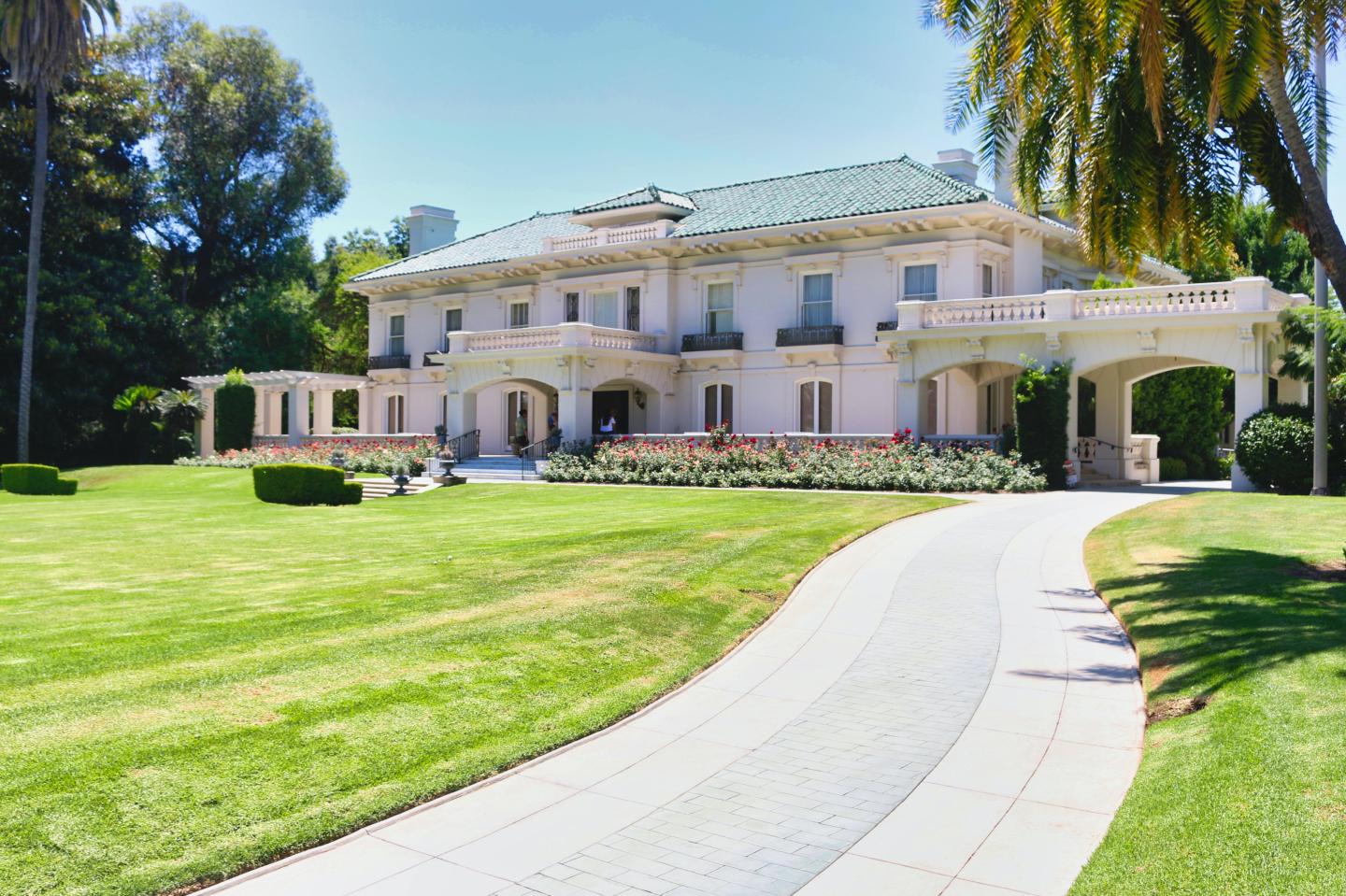
This could be the guest house.
Inequality has gotten worse than you think.
An investigation by former "Daily Show" correspondent Hasan Minhaj is still perfectly apt and shows that the problem isn't just your classic case of "the rich get richer and the poor get poorer."
As much as we hear about wealth inequality these days, one disparity remains mostly ignored: the gap between the wealthy and the ridiculously wealthy.
Minhaj spoke to Richard Reeves, an economist with the Brookings Institute, who painted a dark picture:
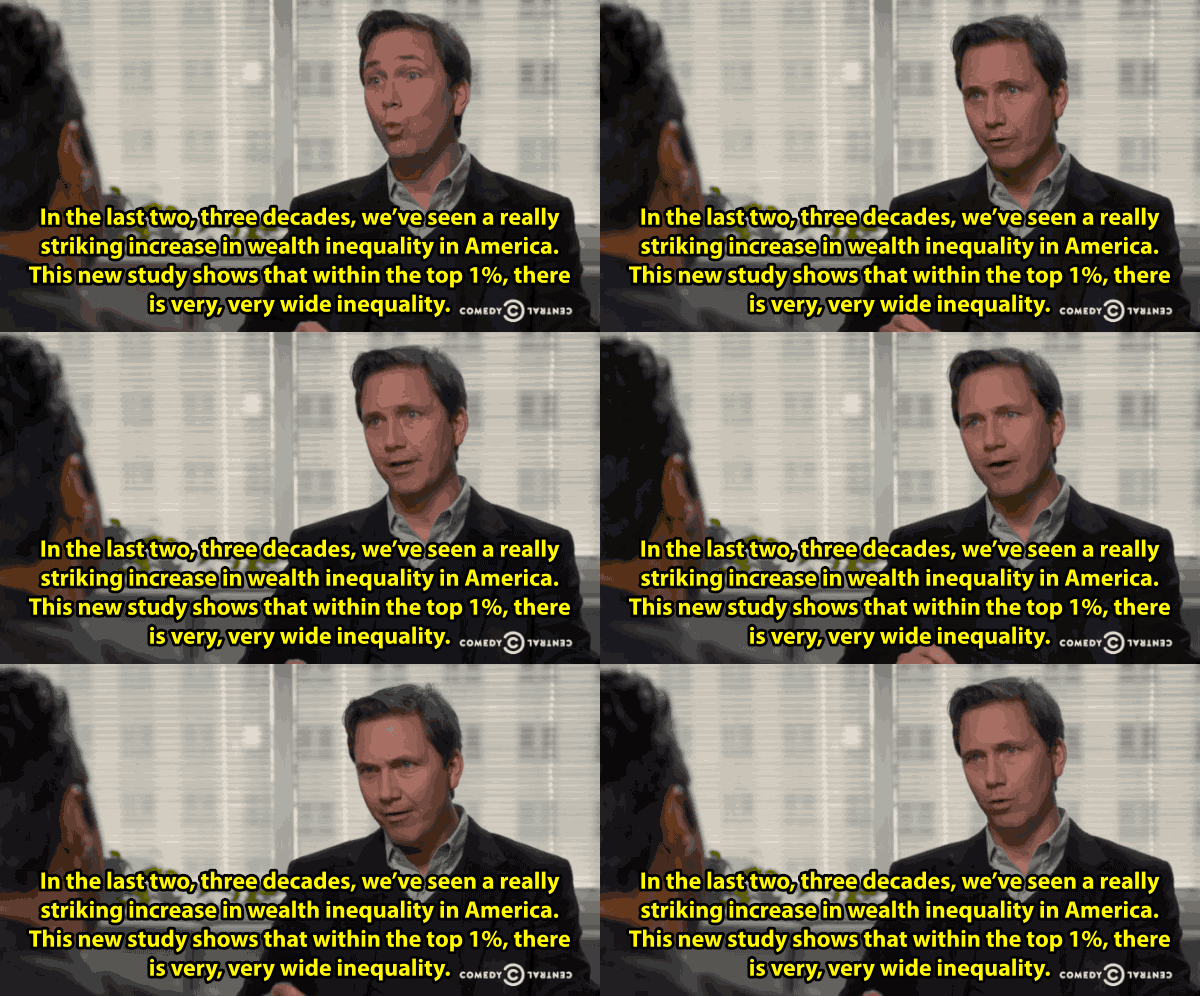
Wealth inequality on the rise.
All GIFs via Comedy Central.
The study Reeves refers to points to the growing wealth of the top 10th of the top 1%:
"The rise of wealth inequality is almost entirely due to the rise of the top 0.1% wealth share, from 7% in 1979 to 22% in 2012 — a level almost as high as in 1929. The bottom 90% wealth share first increased up to the mid-1980s and then steadily declined."
And no one's paid any attention.
Between the cries of the 45.3 million people in poverty and a dwindling middle class in every state, the voice of the average millionaire is all but drowned out.
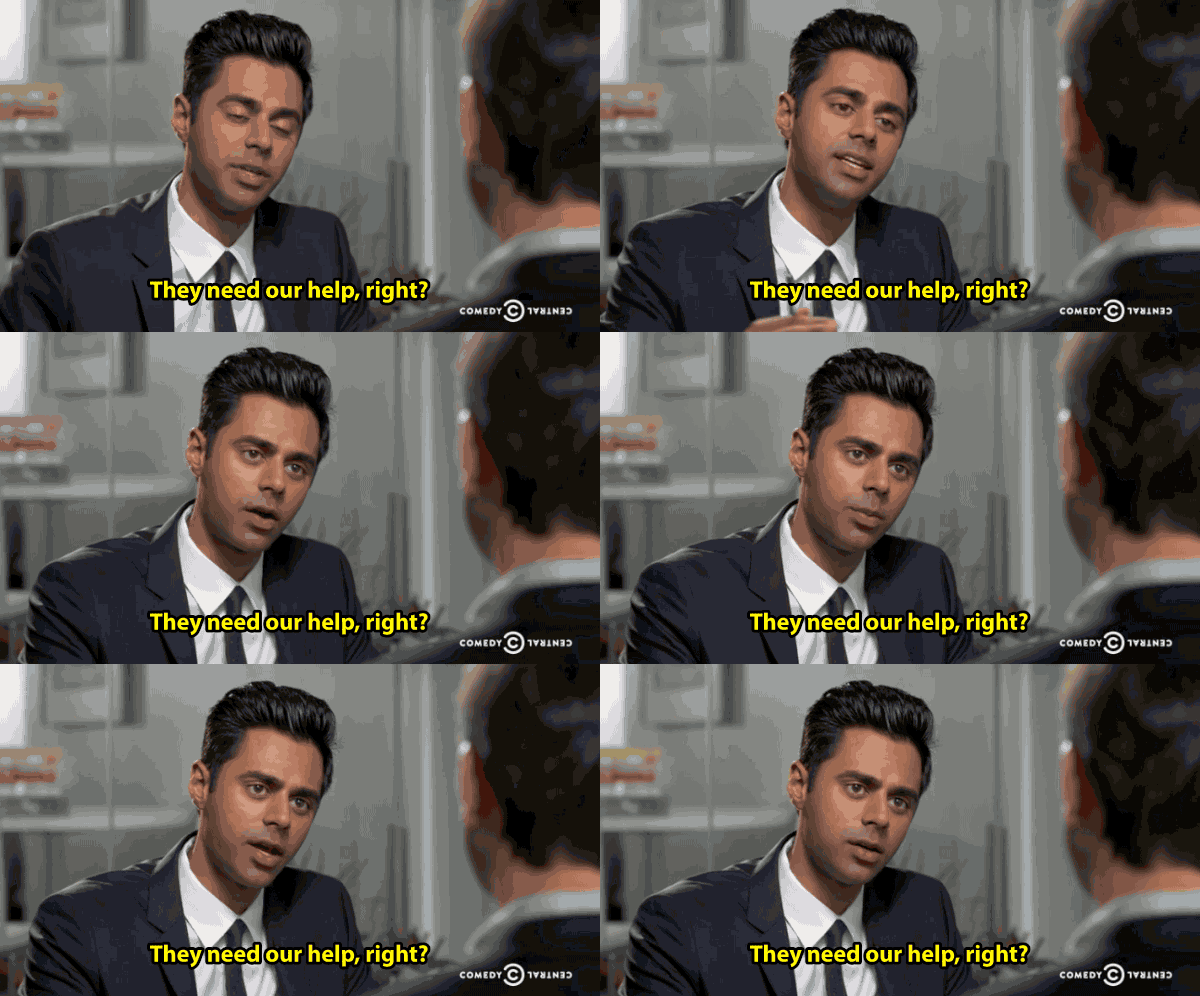
Millionaires unconcerned with financial disparity.
All GIFs via Comedy Central.
But not all millionaires are worried about growing inequality in the top 1%.
In his search for a concerned millionaire, Minhaj met Morris Pearl, a retired investment banking director and member of an organization called The Patriotic Millionaires. Minhaj was baffled by what Pearl had to say:
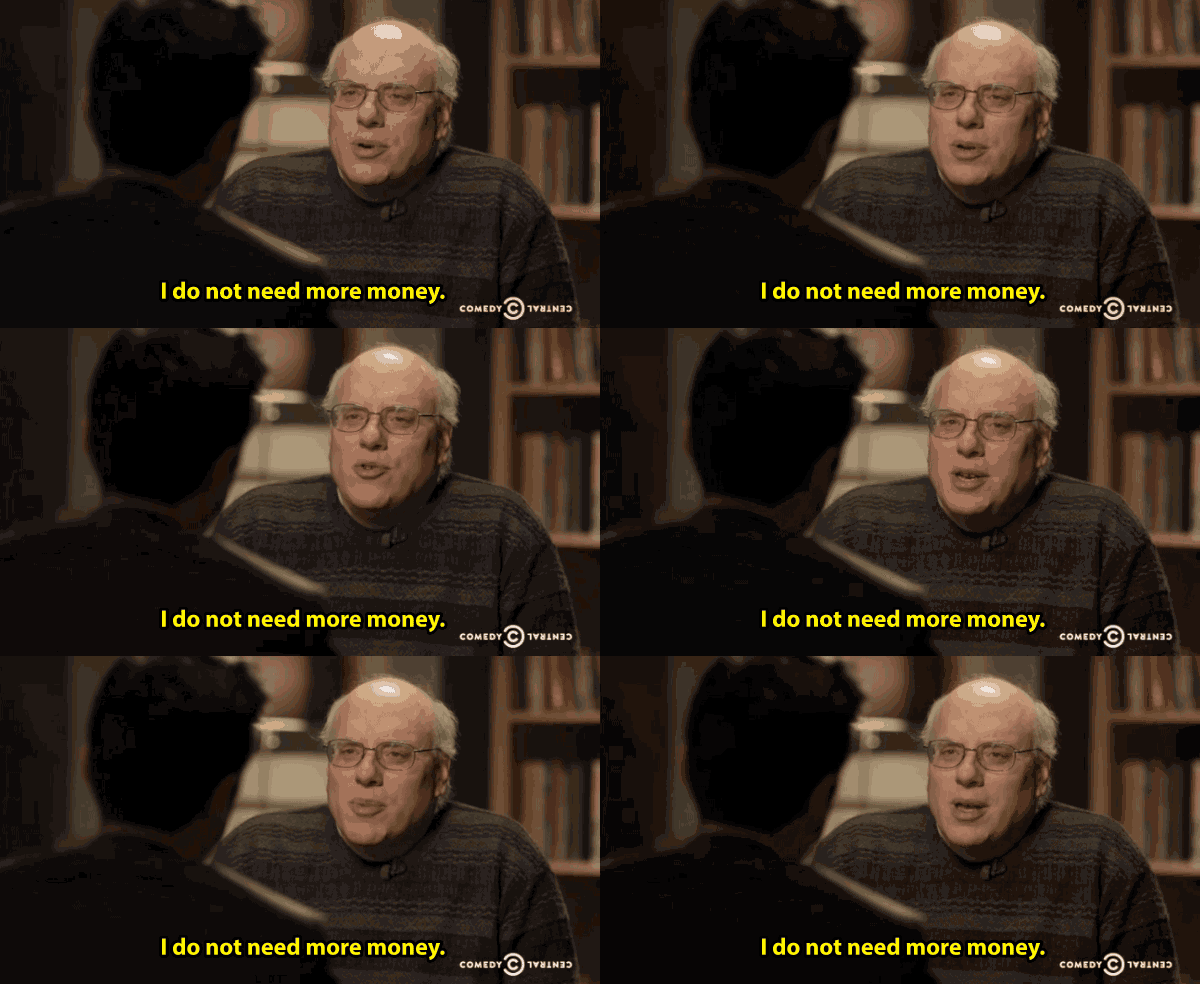
Investment banking pays well.
All GIFs via Comedy Central.
What about trickle-down economics?
Trickle-down theory was popularized under Ronald Reagan's presidency. The idea was that clearing a path for the rich to make more money would spur more private investment, which would lead to more jobs and higher wages for all workers.
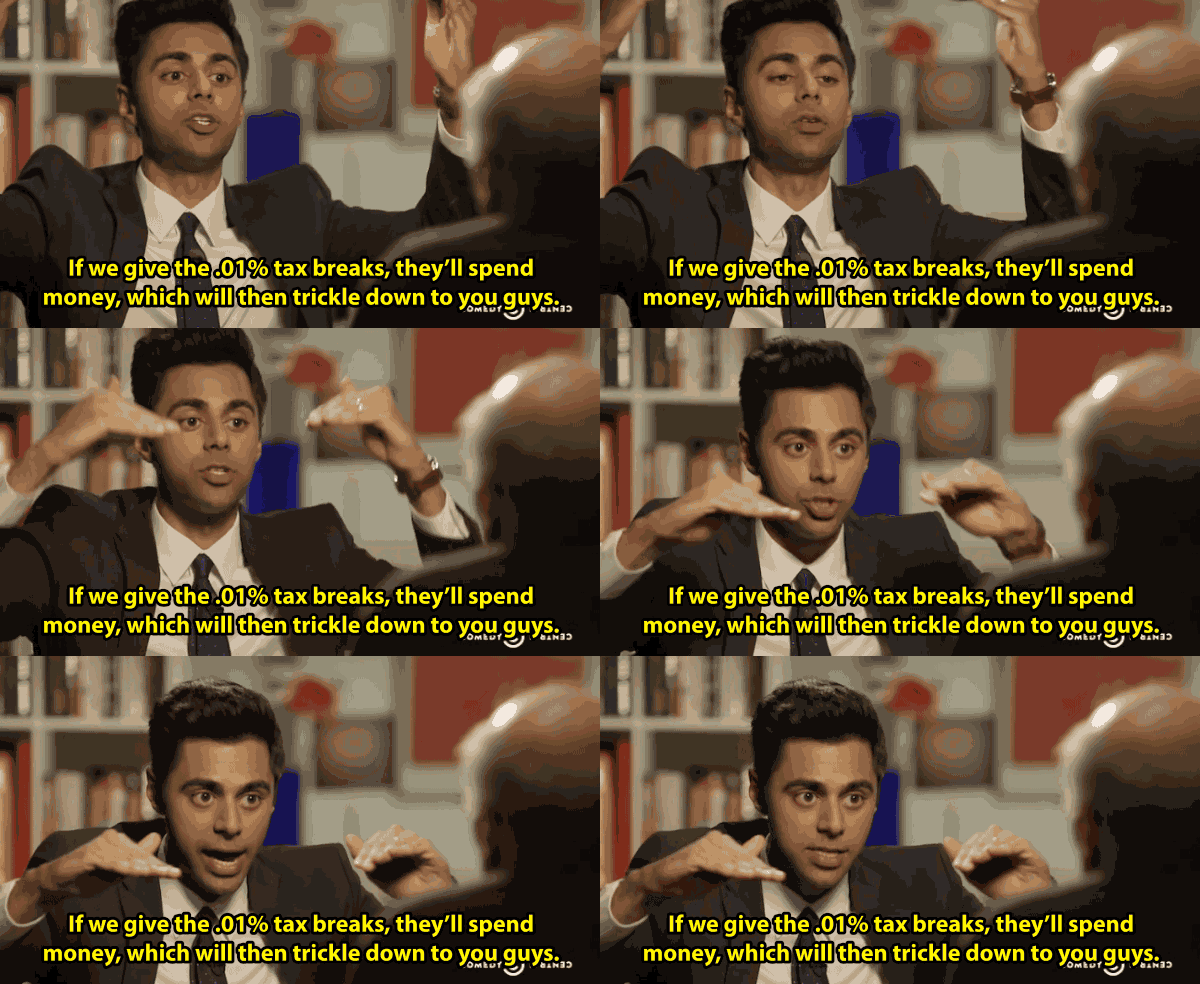
Attempting the preach the reverse.
All GIFs via Comedy Central.
Reagan put trickle-down theory into practice in two basic ways: by lowering taxes for the wealthy and by freezing wages for the poor.
In 1981, he cut the top marginal income tax rate — which only applies to the highest-income households — from 70% to 50%. Then in 1986, he more than doubled-down by slashing the rate to 28%. (The current rate is 39.6%.) And under Reagan's leadership, the minimum wage was frozen, even as costs of living were rising.
Pearl and other so-called Patriotic Millionaires think top one-percenters like themselves should pay more taxes.
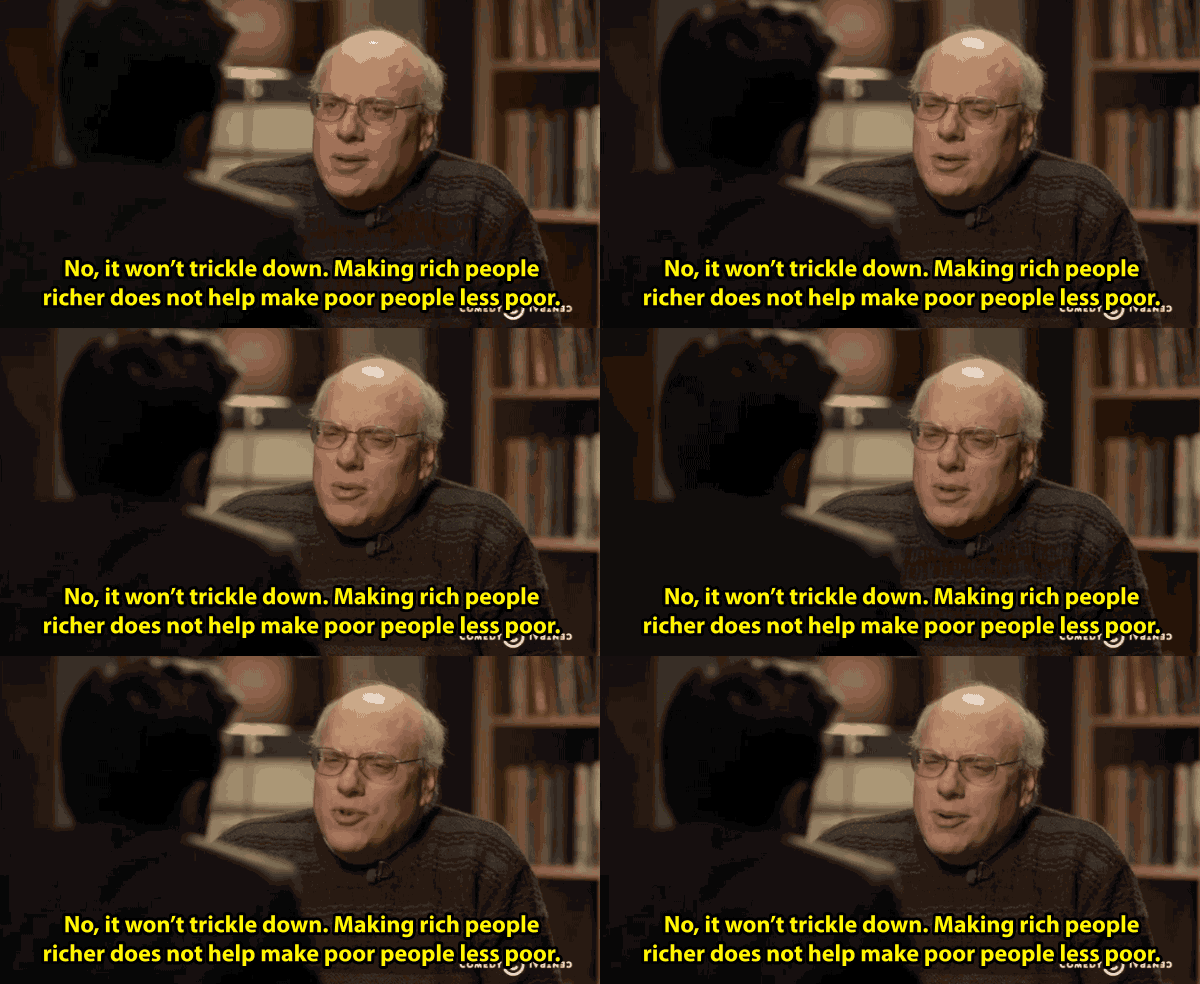
Making rich people richer.
All GIFs via Comedy Central.
Not only that, they believe raising the minimum wage is critical to reducing inequality.
OK, maybe not everyone — including millionaires — are convinced that giving more money to the rich will fix the economy. So why do our policies do just the opposite?
This article originally appeared on 3.23.15

- Trevor Noah explained the difference between racism in South Africa and racism in the US ›
- Trevor Noah boils down the problem with the mega-rich using 'unrealized gains' as money ›
- Ronny Chieng jokes about who is Asian - Upworthy ›
- Secret millionaire left $3.8 million to his tiny hometown - Upworthy ›
- Ronan Farrow says just restarting your phone can stop hackers - Upworthy ›
- Video of the wealth gap shows what your salary looks like stacked in $5 bills - Upworthy ›
- A tale of two pairs of boots explains how the rich get richer - Upworthy ›
- Investigative journalist reveals the simple way you can protect your phone from getting hacked - Upworthy ›
- If all the money in America was equally redistributed overnight, how much would you get? - Upworthy ›


Student smiling in a classroom, working on a laptop.
Students focused and ready to learn in the classroom.
Fish find shelter for spawning in the nooks and crannies of wood.
Many of these streams are now unreachable by road, which is why helicopters are used.
Tribal leaders gathered by the Little Naches River for a ceremony and prayer.

Communications expert shares the perfect way to gracefully shut down rude comments
Taking the high ground never felt so good.
A woman is insulted at her job.
It came out of nowhere. A coworker made a rude comment that caught you off guard. The hair on the back of your neck stands up, and you want to put them in their place, but you have to stay tactful because you're in a professional setting. Plus, you don't want to stoop to their level.
In situations like these, it helps to have a comeback ready so you can stand up for yourself while making making sure they don't disrespect you again.
Vince Xu, who goes by Lawyer Vince on TikTok, is a personal injury attorney based in Torrance, California, where he shares the communication tips he's learned with his followers. Xu says there are three questions you can ask someone who is being rude that will put them in their place and give you the high ground:
Question 1: "Sorry, can you say that again?"
"This will either make them have to awkwardly say the disrespectful remark one more time, or it'll actually help them clarify what they said and retract their statement," Xu shares.
Question 2: "Did you mean that to be hurtful?"
The next step is to determine if they will repeat the disrespectful comment. "This calls out their disrespect and allows you to learn whether they're trying to be disrespectful or if there's a misunderstanding," Xu continues.
Question 3: "Are you okay?"
"What this does, is actually put you on higher ground, and it's showing empathy for the other person," Xu adds. "It's showing that you care about them genuinely, and this is gonna diffuse any type of disrespect or negative energy coming from them."
The interesting thing about Xu's three-step strategy is that by gracefully handling the situation, it puts you in a better position than before the insult. The rude coworker is likely to feel diminished after owning up to what they said, and you get to show them confidence and strength, as well as empathy. This will go a lot further than insulting them back and making the situation even worse.
Xu's technique is similar to that of Amy Gallo, a Harvard University communications expert. She says that you should call out what they just said, but make sure it comes out of their mouth. "You might even ask the person to simply repeat what they said, which may prompt them to think through what they meant and how their words might sound to others," she writes in the Harvard Business Review.
More of Gallo's suggested comebacks:
“Did I hear you correctly? I think you said…”
“What was your intention when you said…?”
“What specifically did you mean by that? I'm not sure I understood.”
“Could you say more about what you mean by that?”
Ultimately, Xu and Gallo's advice is invaluable because it allows you to overcome a negative comment without stooping to the other person's level. Instead, it elevates you above them without having to resort to name-calling or admitting they got on your nerves. That's the mark of someone confident and composed, even when others are trying to take them down.