The final medal count for the 2026 Olympic Winter Games is in, and there’s a clear winner. Of the 29 countries to win at least one medal, Norway took home the most hardware overall with 41 medals. This included 18 gold medals, the most of any country. It’s a resounding victory over the United States, which came in second place with 33 medals.
High-performing Olympic nations are often famous (or infamous) for their aggressive training tactics. China, for example, has been said to “ruthlessly select and train competitors from an early age—with children as young as four being enlisted to train for the team.”
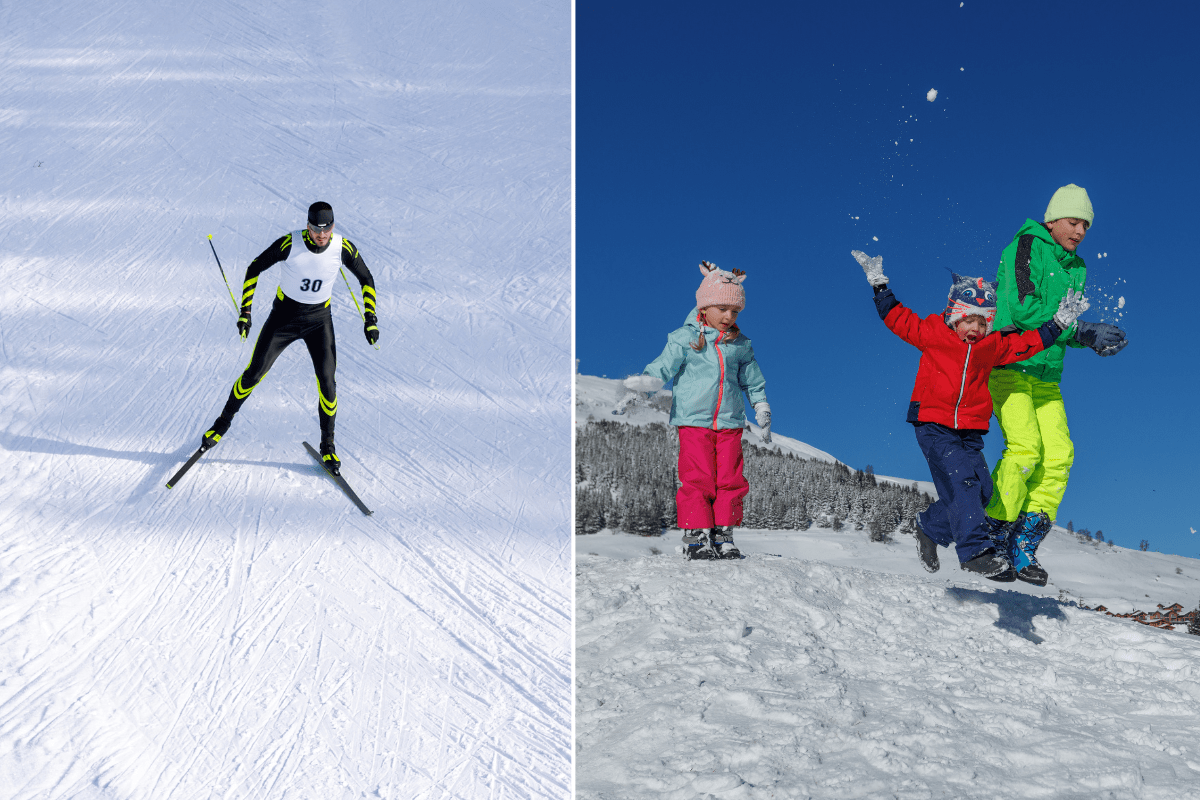
Nearly everyone hoping for Olympic greatness has to start training at a young age. Norway, however, takes a different approach with its youth sports culture. Instead of winning, it’s all about fun. The country does a few things differently that are counterintuitive to a hyper-competitive, gold-at-any-cost mindset.
No keeping score
Per CNN, “Until the age of 12 in Norway, nobody in youth sports is allowed to keep score, and there are no league standings either.”
Compare that to many American youth sports leagues, which generally begin keeping score around the age of seven. Keeping score in kids’ leagues is often a source of great controversy. Proponents argue that it teaches children sportsmanship, how to lose with grace, and how to cope with disappointment. However, critics say the emphasis on winning sucks the fun out of the sport and prematurely ratchets up pressure many kids just aren’t ready for.
No early specialization
You’d think the best path to becoming a great alpine skier would be to focus rigorously on the sport as early as possible. Coaches in Norway disagree.
Instead, they believe true talent is revealed not in early childhood but in the teen years. Kids growing up in Norway try many different sports before deciding which one they’re best suited to focus on.
Participation trophies for all
Yes, the dreaded participation trophy was once decried as the thing that made Millennials soft. But it seems to be working out OK for the Norwegians. If one kid gets a trophy in Norway, everyone gets one.
And the guidelines don’t end there. Norway isn’t big on travel leagues, preferring to keep kids in local leagues as long as possible, and it caps the cost of youth sports instead of letting them balloon out of control. The entire youth sports ecosystem is run by the government and not-for-profit organizations. Leagues also mandate equal playing time for kids at younger ages to ensure everyone has fun and gets an opportunity. It’s all summed up beautifully by the slogan, “Joy of Sport for All.”
It sounds counterintuitive, but it works for them. And 2026 was no outlier. The Norwegians often excel in the Winter Olympics and have won four straight games. They’re not too shabby in the Summer Games, either. Though the country is naturally better suited to snow sports like skiing, Norway regularly nabs top results in summer sports like weightlifting, beach volleyball, and track and field. Per capita, its performance in the Summer Games is especially impressive.
Norway’s model is not perfectly replicable in every country. The U.S., for example, features decentralized and privately run sports leagues. It would be nearly impossible to get them all to operate in the same way and discard decades of success. It’s also debatable whether we would even want to, because the U.S., it turns out, is also quite good at sports.
But it’s fascinating to watch a country operate in ways that seem almost completely antithetical to high-level competition and still achieve elite results.
Not only does Norway bring home Olympic medals, but its kids also have some of the highest sports participation rates in the world. They’re also generally fit, healthy, and extremely happy. It’s no wonder the country is considered one of the best places in the world to raise kids.