Thanks largely to the #MeToo movement, conversations about bodily autonomy and consent have become a regular part of our social discourse. We teach little ones about the concept of consent in kid-friendly terms. We make sure everyone understands that only an enthusiastic yes means yes for sex. We talk about how consent can be withdrawn at any time.
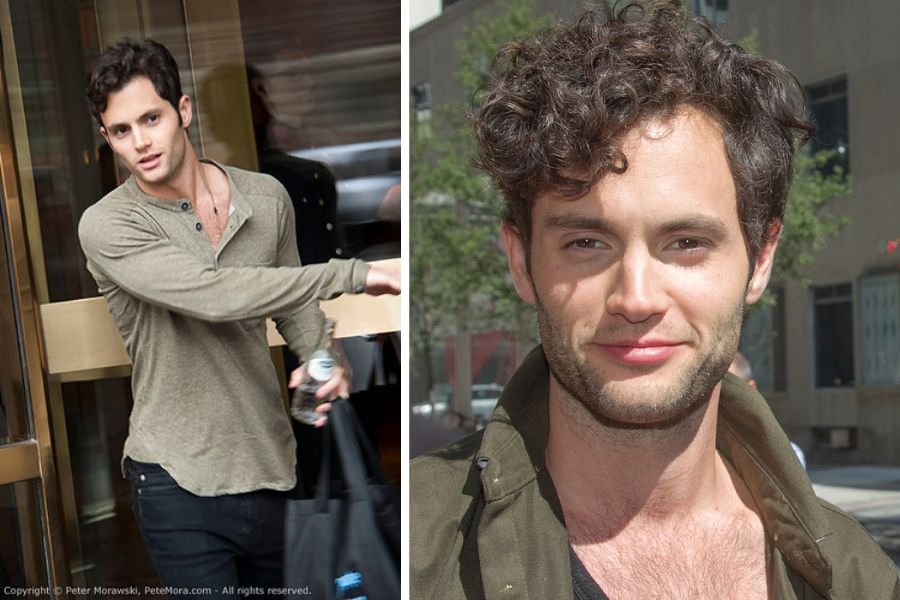
Sometimes these conversations involve grappling with the nuances of individual situations, which is why actor Penn Badgley’s request to stop doing sex scenes in his TV series “You” has created a wave of debates about the nature of acting, consent for sexual activity and how sex is portrayed in television and film in general.
For a little background, Badgley plays the handsome, obsessive serial killer Joe Goldberg in the series “You,” which just entered its fourth season. In real life, Badgley is known for telling fans to stop falling in love with the creepy character, and for thoughtfully using the show’s premise to talk about violence against women and gender equality. Now he’s making headlines for a story he shared on his podcast about asking to cut sex scenes from the new season.
“I asked Sera Gamble, creator of the show, ‘can I just do no more intimacy scenes?’” Badgley told his “Podcrushed” co-hosts, Nava Kavelin and Sophie Ansari. He shared that one of his hesitations with taking the “You” role in the first place was his not wanting to always be cast as a romantic lead, considering everything that entails. (Badgley came to fame playing a lead romantic role on “Gossip Girl,” and while Joe Goldberg isn’t exactly a typical romantic lead, his character’s modus operandi is charming women into relationships, which in the first three seasons involved a good deal of sex.)
“Fidelity in every relationship, and especially my marriage, is important to me,” Badgley said, “And yeah, it just got to a point where I’m like, ‘I don’t want to do that.’” But, he added, “Do I have a career if I don’t? I mean, think about every male lead you’ve loved. Are they kissing someone? Are they doing a lot more than that?”
Badgley told Variety that his wife, Domino Kirke-Badgley, actually encouraged him to take the role of Joe. “And I wasn’t going to listen to anyone more than her,” he said. He also elaborated a bit on his discomfort with filming sex scenes, “having done quite a fair amount of them.”
“It’s not a place where I’ve blurred lines,” he said. “There’s almost nothing I could say with more consecration. That aspect of Hollywood has always been very disturbing to me—and that aspect of the job, that mercurial boundary—has always been something that I actually don’t want to play with at all.”
He shared that his preference would be no sex scenes at all: “It’s important to me in my real life to not have them.”
People were quick to share their thoughts on Badgley’s feelings about intimate scenes, from positive (Good for him for setting his own boundaries!) to negative (It’s called acting—it’s got nothing to do with marital fidelity!) The story also got people talking about the nature of filming sex scenes, the differences between sex and violence being simulated or shown, how much is too much and whether such scenes are even necessary or desirable.
But lost in all of those debates was what really matters most—how “You” show creator and producer Sera Gamble responded to his request.
As Badgley explained on his podcast, Gamble’s reaction to his wanting to nix sex scenes was immediately positive and supportive.
“I said to Sera, ‘my desire would be zero. To go from 100 to zero.’” Badgley shared. “But I signed this contract. I signed up for this show, I know what I did. You know, you can’t take this aspect out of the DNA of the concept [of the show], so ‘how much less can you make it?’ was my question to them.”
“And she didn’t even bat an eye. She was really glad that I was that honest. She was sort of, I want to say, like, almost empowered. She had a really positive response. She appreciated my directness and she appreciated that I was also being reasonable and practical. And they came back with a phenomenal reduction.”
Badgley’s feelings about filming sex scenes really shouldn’t be up for debate—it’s his body, his comfort level, his choice. And if someone decides that simulating sex at work isn’t something they are comfortable with, they should be able to say so, no matter what their personal reasons are for it. The real story here is how an actor felt safe enough to approach his employer and voice his discomfort over filming sex scenes, and how she listened and immediately responded with respect and accommodation. That’s exactly what should happen, but all too often has not.
Rather than devolving into hot takes on sex and sex scenes in general, which everyone has different feelings about, let’s take this positive exchange between employee and employer for the consent-era example that it is and celebrate it.