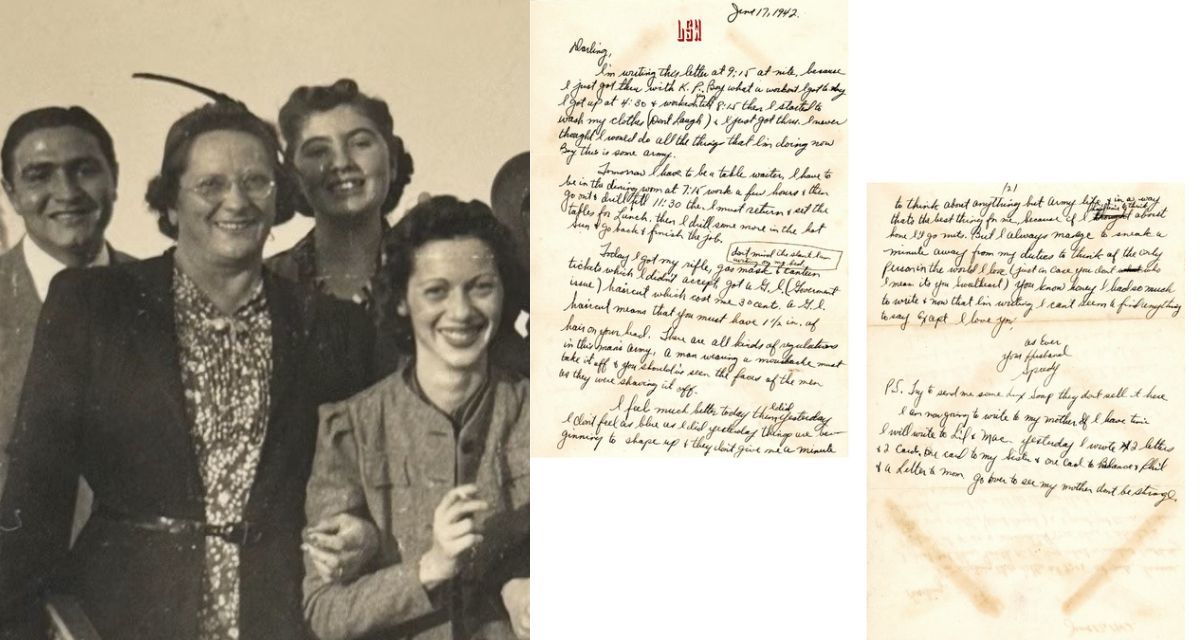
U.S. Army Private Louis “Speedy” Weber and his wife, Frances, were still newlyweds when he was sent overseas during World War II. The couple, who lived in the Bronx, New York, would go on to send over 300 love letters to each other between 1942 and 1945.
Their World War II letters were anonymously donated to the United Service Organizations (USO) in 2022. The organization spent years trying to locate Speedy’s relatives.
With help from USO archivist Michael Case and amateur genealogist Matthew Brown, who used his Ancestry.com account, the letters were given in early 2026 to Speedy’s nephew, Arthur Serota, and niece, Karen Weber Figilis.
Speedy and Frances’ love story
Speedy served around the world during World War II. He was stationed in Sicily, North Africa, and France, where he sent letters from Normandy and the Battle of the Bulge. Despite travel and battles, his devotion to Frances was unmatched.
In his letters to her, often described as a mix of a real-life The Notebook meets Dear John, he never shied away from telling her how he felt about her.
Case tells Upworthy, “During his training, he wrote to Frances daily. He almost never missed a day.”
Frances worked for the U.S. Post Office back home.
“Speedy was a vivid writer; even after years apart, his letters were still passionate,” he says. “For me, what sets this story apart is how much of Speedy’s personality comes across in the letters. We can see 3 years of a day-to-day picture of both his everyday life and historical events.”
As part of the USO’s D-Day film 2026 Pressure, actor Andrew Scott read one of Speedy’s letters from D-Day. In it, Speedy wrote, “You have no idea how much it means to a guy over here to receive mail.”
He continues, “June 6, that was D-Day at home. I could just see everyone who has somebody or somebody in the forces over in England start hoping and praying that their loved ones were all right, and yes, you are no exception, darling. Honey, I can’t confess my love to you any better now than I have in the past. But no matter what, I still always love you. You’re always in my heart.”
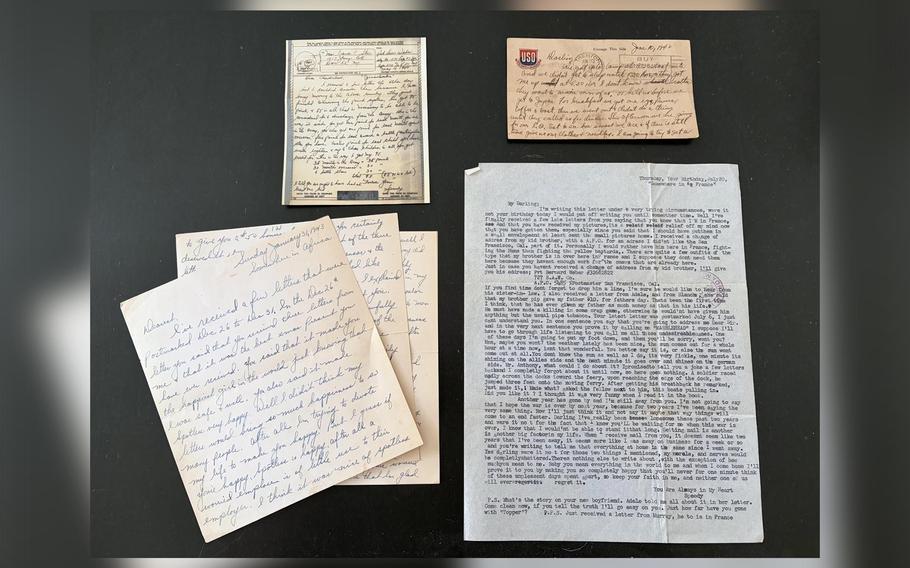
Photos courtesy of the USO
Family reunited with letters
After the letters arrived anonymously at the USO offices, Case had a mystery on his hands: who should receive them? To spread the word, he did some research on the National Archives website and worked with The Washington Post to share the story.
Ultimately, he connected with Matthew Brown, an amateur genealogist, who had read The Washington Post article and “became interested in trying to track down a living ‘Speedy’ Weber relative. He used his Ancestry.com account to build a family tree and, after some searching, was able to locate a living relative. That led to an exchange of emails in early 2026 and then eventually a Zoom call where I got to meet Speedy’s nephew Arthur [Serota].”
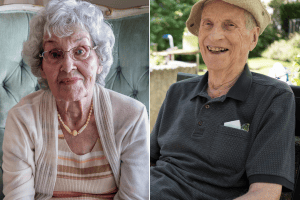
Serota and Speedy’s niece, Karen Weber Figilis, both had many memories of their aunt and uncle following the war.
Serota tells Upworthy, “Frances was a class act. She dressed beautifully.”
He believes the anonymous person who sent their love letters to the USO was Frances’ younger brother, Mickey Stein, who spent a lot of time with the couple in their later years when they moved to Florida.
Weber Figilis also tells Upworthy, “Frances and Speedy had a very loving, beautiful relationship. They didn’t have any children. Frances was very elegant and very fashionable, and she had a very raspy voice. My uncle Speedy was mesmerized by his wife.”
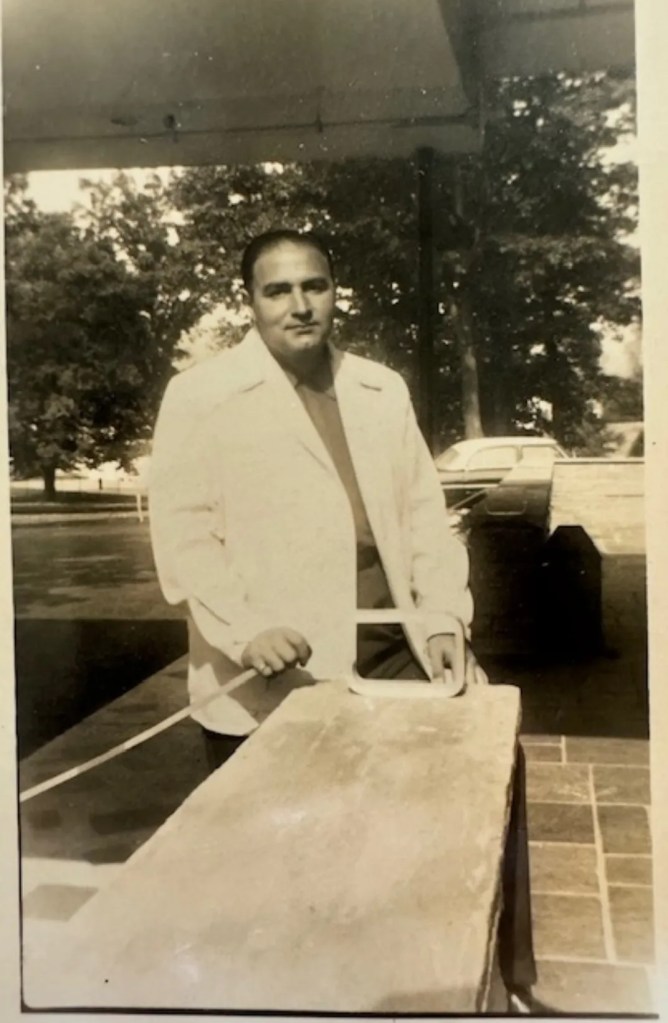
Photo courtesy of the USO
Channeling love letter romance today
Although letter writing is a seemingly lost art today, it kept Speedy and Frances’s love alive during those three years. Case believes it can still be emulated today.
“Be like Speedy. Write as you speak, be clear and concise; write what you feel, no need for long, flowery language,” he tells Upworthy. “If you decide to actually write with pen and ink, take your time. Speedy had pretty good penmanship even when writing from a foxhole.”
Case suggests modern-day love-letter writers should copy one specific detail from Speedy’s letters to Frances.
“I think Speedy’s main sign-off says it all and still translates well to the importance of staying connected to loved ones, even today: ‘You’re Always in My Heart’.”