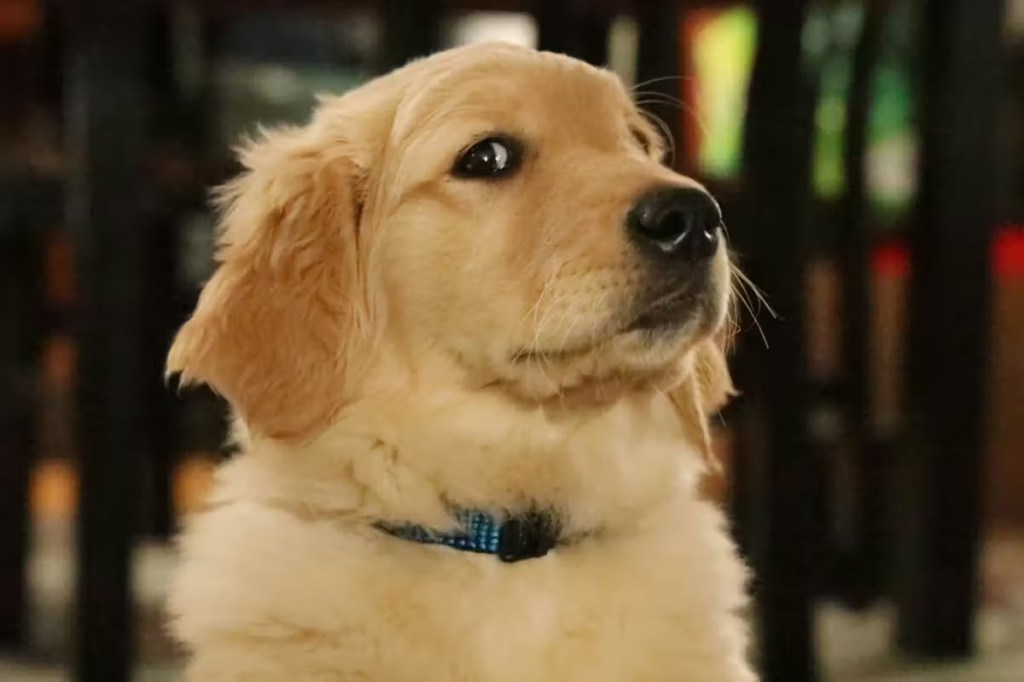
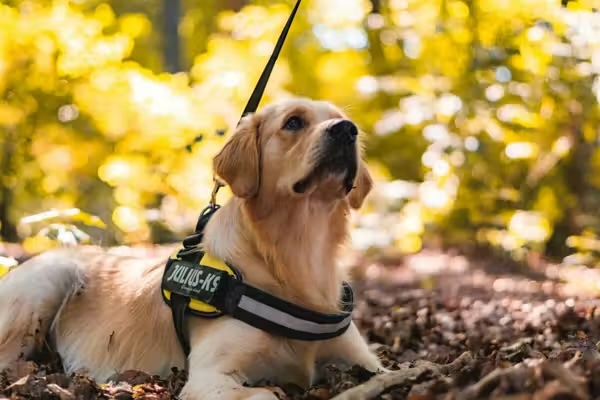
Experts rank the most ‘loyal dog breeds’ and it’s stirring a debate among canine lovers
Another year, another list ranking dog breeds. Earlier in 2025, Care.com put out their latest, specifically ranking which dog breeds are considered the “most loyal.” In their post, pet expert Lindsay Pevny notes that, “Veterinarians and dog behavioral experts recognize several distinct brands of loyalty in dogs. While some are devoted to their favorite person,…
Another year, another list ranking dog breeds. Earlier in 2025, Care.com put out their latest, specifically ranking which dog breeds are considered the “most loyal.” In their post, pet expert Lindsay Pevny notes that, “Veterinarians and dog behavioral experts recognize several distinct brands of loyalty in dogs. While some are devoted to their favorite person, others are loyal to their entire human family. Each breed’s penchant for friendship sets them up for a lifetime of a unique relationship with their favorite humans.”
Their list:
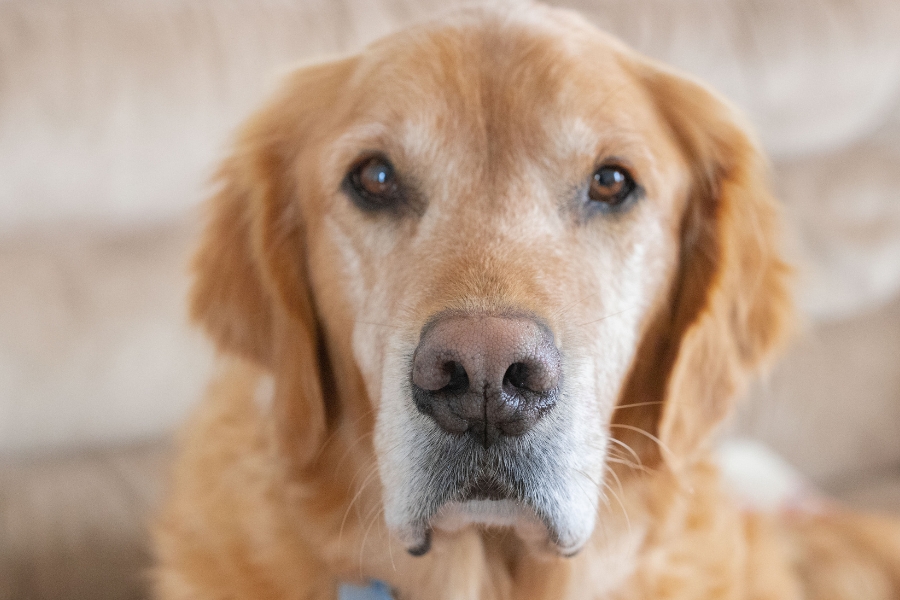
Retriever (both Golden and Lab)
German Shepherd
Border Collie
Great Pyrenees
Chihuahua
Vizsla
Staffordshire Bull Terrier
They also share the importance of intentional breeding. Pevny quotes Camp Bow Wow’s animal health and behavior expert Erin Askeland, who says, “Breeding history and the intention of the breed can shape their loyalty characteristics. Breeds bred for companionship or working closely with humans tend to exhibit higher levels of loyalty—for example, dogs who are bred to be trained as service dogs.”
But far from everyone agrees with the list, and some don’t think such a subjective list can be ranked in the first place. On Reddit, someone asks, “What is objectively the most loyal dog breed?” One person simply responds, “Dogs.” And another claims, “My mongrel,” of course referring to their mixed breed pup. A few others mention their breed of choice, but there is no real consensus.
When the question is opened up in broader terms on the subreddit r/puppy101 to ask, “What are the three best dog breeds in your opinion and why?” many more commenters jump in. Some argue, obviously, that it’s subjective based on what the pet guardian is looking for. Someone jokingly writes, “The ‘my dog’ breed unequivocally takes top spot. Universally adored.” Another states, “Dachshund, dachshund and dachshund. Why? I am a masochist, apparently.” But again—there is no consensus.
In fact, other lists claiming to have consulted experts and animal behaviorists listed entirely different “most loyal” breeds for 2025. In their own list, The Spruce Pets throws Dobermans and Cocker Spaniels in the top ten, though Labrador Retrievers also hold the top spot.
If one changes the term from loyal to “Velcro dog,” it’s true that some breeds are a bit clingier than others. Though again, it’s based on the individual canine. A dog expert from Pets Radar explains that “Velcro” dogs were most likely bred to work alongside humans. Many pooches such as the Golden Retriever, the Lab, the Vizsla, the German Shepherd and the Chihuahua also make their list—though they add the Maltese, the French Bulldog and the Italian Greyhound.
On their YouTube page, The Pet Collective lists their top 13 “most loyal dog breeds” and at number one? Lo-and-behold, it’s the Beagle! They claim, “Those who want a loyal and curious sidekick should get a Beagle.” They then show a Beagle begging for treats and adorably honking a car while throwing their head back like Snoopy.
It’s pretty safe to say there is no objective “best” breed of dog. We love what we love and there are no wrong answers. As for loyalty, seems like that Redditor got it right—the true answer is simply “dogs.”
From Pakistan to Tanzania, the most effective education solutions are community-led. Here’s how local leaders, in partnership with Malala Fund and supported by Pura, are mobilizing entire communities.
When asked to describe what Tanzania smells like, Grace Isekore closes her eyes and breathes in deep. For a moment, she’s somewhere else entirely. Tanzania is a rich tapestry of sights and scents, from the smell of sea mist that permeates the coastline to the earthy cardamom and cloves she cooks with in her kitchen. But when Grace emerges from her reverie, her answer is unexpected.
“Tanzania smells like peace,” she says, her eyes still closed. “I see a beautiful country where we are free to move, free to speak. And there is peace within the community.”
For Grace, that sense of peace isn’t just something she smells; it’s something she works toward every day. As a project coordinator with Pastoral Women’s Council (PWC), a women-led organization that empowers pastoralist communities in northern Tanzania, she has seen firsthand how girls flourish when they have the opportunity to attend school. Like scent, education not only connects girls to their own culture, but also helps broaden their horizons, realizing new possibilities for themselves and others. That transformation reshapes entire communities and ripples outward, with the potential to change countries and transform the world for the better.
Different scents, different approaches, and communities driving change
Spices in Tanzania. Captured by James Roh for Pura
For Grace and others around the world, education is freedom, as well as a pathway to a stronger community. Rooted in that shared belief, Pura, a home fragrance company, was inspired to build on their four-year partnership with Malala Fund to create something truly unique: a fragrance collection that connects people through scent to communities in Tanzania, Nigeria, Pakistan, and Brazil, where barriers to girls’ education are among the highest.
Using ingredients from each region, the new Pura x Malala Fund Collection uses scent to transport people to these regions directly. “Future in Bloom,” for example, invokes Pakistan’s lush valleys through notes of jasmine, cedarwood, and mango; while Tanzania’s fragrance, “Heart on Fire,” evokes the spirit and joyfulness of the girls who live there through cardamom, lemon, and green tea.
The new Collection honors the work Malala Fund does every day, partnering with locally-led organizations in these four countries to ensure every girl can access and complete 12 years of education. Each scent celebrates the joy, tenacity, and courage of the women and girls driving change on the ground, while also augmenting Pura’s annual grant to Malala Fund by donating eight percent of net revenue from the Pura x Malala Fund Collection to Malala Fund directly.
Just as each country’s scent is unique, so too are their needs related to education. But with support from Malala Fund and Pura, local leaders are coming up with creative ways to mobilize entire communities (parents, teachers, elders, and the students themselves, in their pursuit of solutions, understanding that educating girls helps everyone thrive. Here’s how their efforts are creating real, durable impact in Tanzania and Pakistan, and creating a ripple effect that changes the world for the better.
Parent-teacher associations help Maasai girls and their communities in Tanzania problem-solve
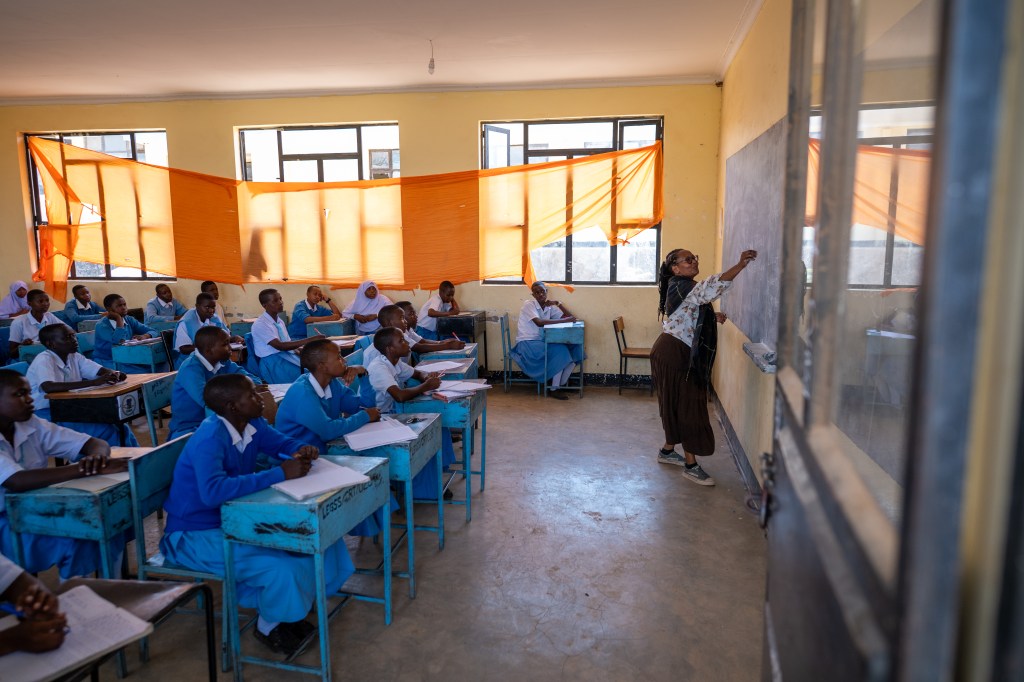
A girl’s school in Tanzania. Captured by James Roh for Pura
Northern Tanzania, Grace’s home, is home to pastoralist communities like the Maasai, a nomadic people who have moved with the seasons to nurture the land and care for their livestock for centuries. The nomadic nature of this lifestyle creates significant and unique barriers to girls’ education. Longstanding gender roles have enabled Maasai to survive in the harsh environment and have placed great value on both women and men. Over time, as nomadic life has been threatened by the privatization of land and stationary education models have been implemented, the reality of pastoralist livelihood has shifted and introduced new complexities. Now, the sheer distance to schools is both a practical challenge and one that often comes with danger from the landscape, predators, and potential exposure to assault along the journey. Girls shoulder the responsibility of household chores and there is often cultural pressure around early marriage – both leading to boys’ education being prioritized over girls’.
“There are very, very good [pastoralist] cultural practices, which are passed from generation to generation,” says Janet Kimori, an English teacher at Lekule Girls Secondary School in Longido, Tanzania. But when cultural practices act as educational barriers, “you have to sit down and look for where you are going to assist. As a school, as an individual, the school administration—all of us will chip in and know how we are going to deal with this problem.”
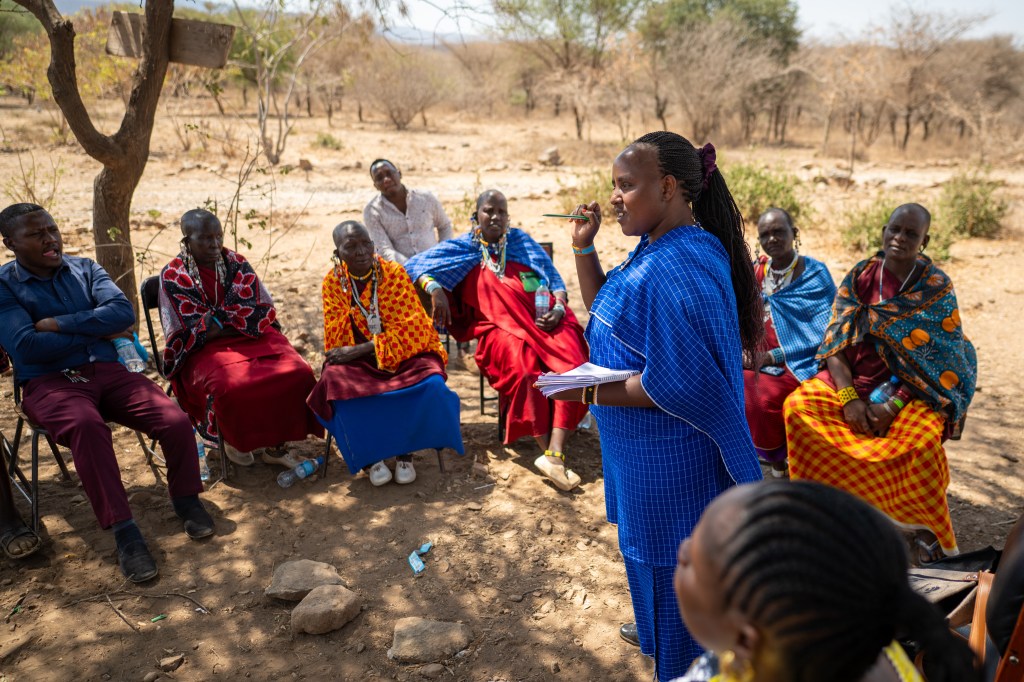
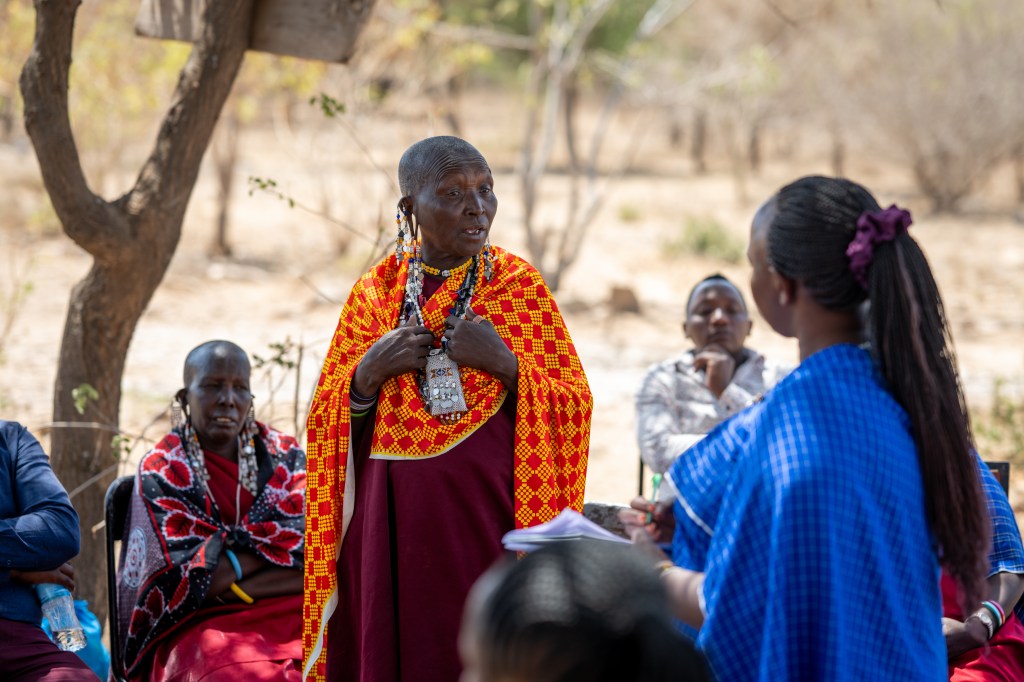
PWC works to ensure girls are able to exercise their right to an education while also preserving pastoralist culture. One successful approach, the organization found, has been the formation of Parent Teacher Associations (PTAs), created with help from Malala Fund. In PTA meetings, students, parents, teachers, elders, and government officials meet, discuss educational barriers, and come up with community-led solutions that preserve and honor their culture while advancing educational outcomes.
PTA meeting in Tanzania. Captured by James Roh for Pura
One recent PTA meeting highlights how these community-led solutions are often the most effective. At Lekule Girls Secondary School, the lack of fresh water forces girls to walk long distances to collect water for the school’s kitchen during the school day, and these long journeys not only disrupt class time but can leave girls vulnerable to sexual assault in isolated areas. Through facilitated discussion, PTA members landed on a solution: installing a borehole to pipe in fresh water to the school. Reliable access to water creates a better learning environment for the girls, but it also benefits the community at large, as local governments are then more likely to invest in health clinics and other community resources nearby.
With a solution in place, the PTA was then able to discuss ideas and map out a course of action. The women would raise money for the cost of the borehole, while the men would recruit workers to dig the hole and lay the pipe. Together, they would ask government officials to match their investment.
The benefits of PTA meetings within the pastoralist communities are undeniable. “The girls are talking and addressing issues in a confident way, and parents feel they are part of the resource team to solve challenges happening at school,” Grace says. One unexpected benefit: The larger cultural impact these PTA meetings have created. Thanks to the success of PTAs within pastoralist communities, the models are now being endorsed on a national level, and schools across Tanzania are starting to use them to solve problems in their own communities. When a community creates opportunities for girls to learn, everyone benefits.
Safe spaces in rural Pakistan help students and their parents connect, then drive change
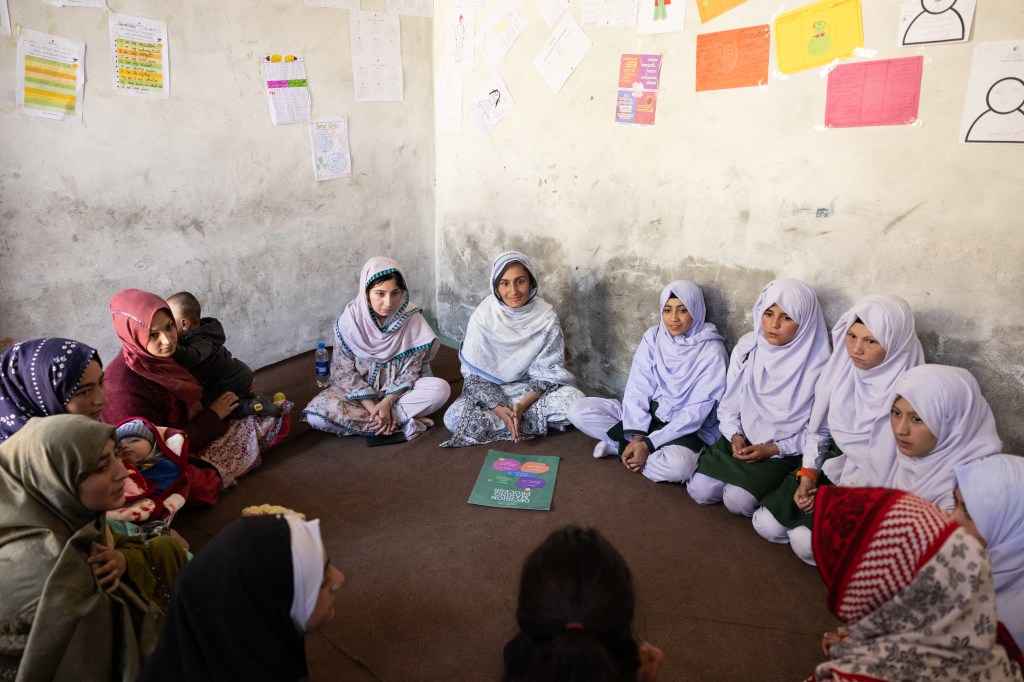
Safe space for girls meeting in Pakistan. Captured by Insiya Syed.
A continent away in Pakistan, the country’s northernmost region of Gilgit-Baltistan seems like a land untouched by time. The region’s looming mountains, snow-capped peaks, lush valleys and crystalline lakes draw nature lovers and landscape photographers from around the world, but living among this kind of breathtaking scenery has its drawbacks. Schools in the region are few and far between, and the area’s harsh climate often makes roads inaccessible for travel. Poverty and gender-based discrimination are additional obstacles, making school even further out of reach, and girls are affected disproportionately. Going up against these barriers requires a persistent, quiet strength that’s found in the women who live there and reflected in Pakistan’s signature scent.
Saheli Circles are how local leaders in Gilgit-Baltistan are bridging the gap between girls and education. An Urdu term for “female friend,” Saheli Circles are after-school safe spaces where girls explore subjects like art and climate change, while also developing skills that help them manage emotions, set goals, and build positive relationships. Girls study in groups, visit the library, play sports, and tackle filmmaking and photography projects, all designed to develop self confidence and teach the girls how to advocate for issues that matter to them. But the work doesn’t stop there.
“What we’re trying to achieve here will only be impactful if it trickles down to the home environment and the school environment,” says Marvi Sumro, founder and program director of Innovate, Educate, and Inspire Pakistan (IEI), the local organization that developed the Saheli Circles model and partnered with Malala Fund in 2021 to make it a reality. Ever since, Saheli Circles have grown to involve teachers, elders, and parents to encourage relationship building that’s essential for young girls and adolescents. “Our spaces can give mothers and daughters an opportunity to interact a little differently—do an art activity, or have a cup of tea together, or some good conversation,” Marvi says.
The relationship building is what makes the biggest positive impact throughout the community. Recently, one Saheli Circle was able to bring together parents, teachers, and administrators to advocate for better education at their local school, and together they convinced the department of education to hire a science teacher. Another Saheli Circle organized a fund where members of the community can contribute monthly to pay for uniforms, books, and other school expenses for the girls in their village, eliminating those small, hidden costs that are often a barrier to education for many. A third Saheli Circle was able to produce a short film about how gender-based household chores can take away valuable study time from girls, leaving them at a disadvantage. “The girls put the film together and showed it to the mothers, and the response from the mothers was just beautiful,” Marvi says.
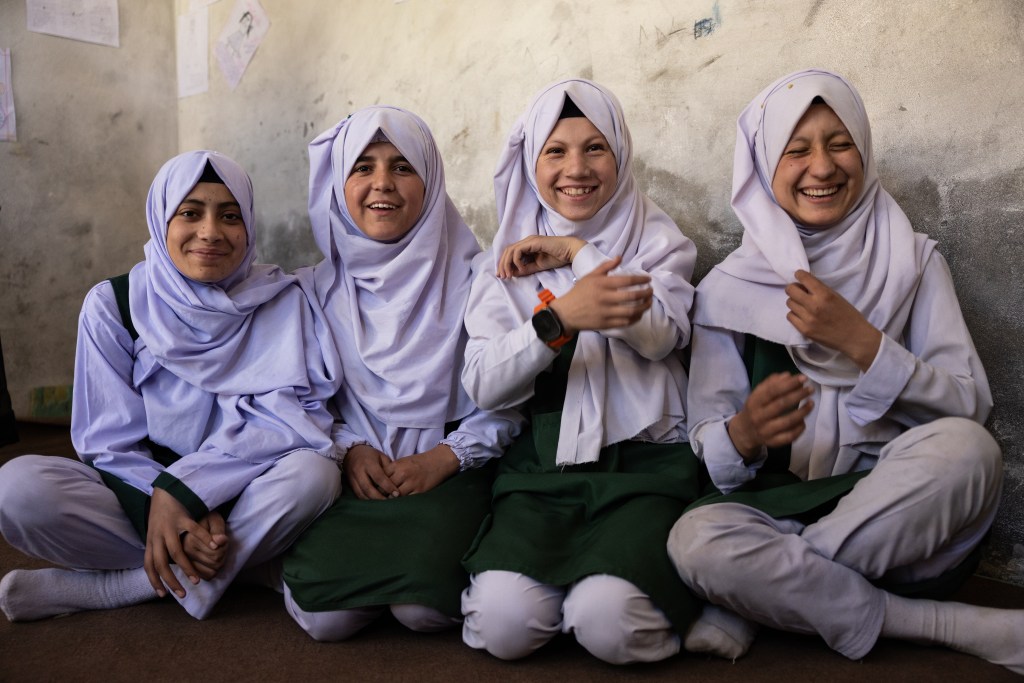
Girls smiling in Pakistan. Captured by Insiya Syed.
The education and relationship building that the girls receive in Saheli Circles connects them to larger opportunities and economic freedom that are not possible in their hometown. “For girls in Gilgit-Baltistan, education is extremely important because of the fact that we’re so far away from where the economy is, where the opportunity is. Education becomes this bridge for us, for our girls, to access all the opportunity and economy that exists in [larger cities].”
From rural Tanzania to remote Pakistan, local organizations prove every day that prioritizing girls’ education benefits everyone. Communities that lift up girls are able to secure resources like clean water and well-staffed schools, as well as build stronger relationships.
These outcomes are only possible because of the women and girls who work tirelessly in these regions to overcome barriers and drive progress. The Pura x Malala Fund Collection is a way to honor them, celebrate their achievements, and unite people the world over around a shared belief that education is freedom. Like scent, that belief can build, travel, and has the possibility to transform the world.
Experience the Pura x Malala Fund Collection here, and connect with the stories of real girls leading change across the globe.
Training a family pet can be hard, especially when you have an active breed that needs a certain level of stimulation. Some dogs are good to go after a few training sessions with a local trainer at a pet supply store, while others may require more personalized training in home. There are even some pet parents who opt to send their dogs to a sleep away training program that requires the dogs to live at a training facility for several months before coming home.
Many times these programs are expensive and used as a last resort option, when the other training programs aren’t providing the dogs with the skills they need to live safely with their family. This decision to send your fur baby off to a facility for months at a time is not an easy one to make, but with your pets’ best interest in mind, you put your faith in someone who specializes in the care your pup needs, and keep your fingers crossed that it pans out.
In 2024, one family thought they were doing what was best for their Huskies by sending them to a training facility. It’s unclear what prompted the family’s concern after dropping their four dogs off with their trainer, but after months of looking for their dogs with no luck, they contacted Anakin’s Trails Stray and Pet Recovery Team.
The dogs, which were from Ohio, where their owner Andrea lives, were entrusted to an unnamed animal training facility in Greenville County, South Carolina. It was suspected that the training facility dumped the dogs in the woods without contacting the family to retrieve their beloved pets. Thankfully, Anakin’s Trails Stray and Pet Recovery Team uses drones and other techniques to help locate lost dogs and give them an idea of where to place their traps, and they were eventually able to help recover the lost pups.
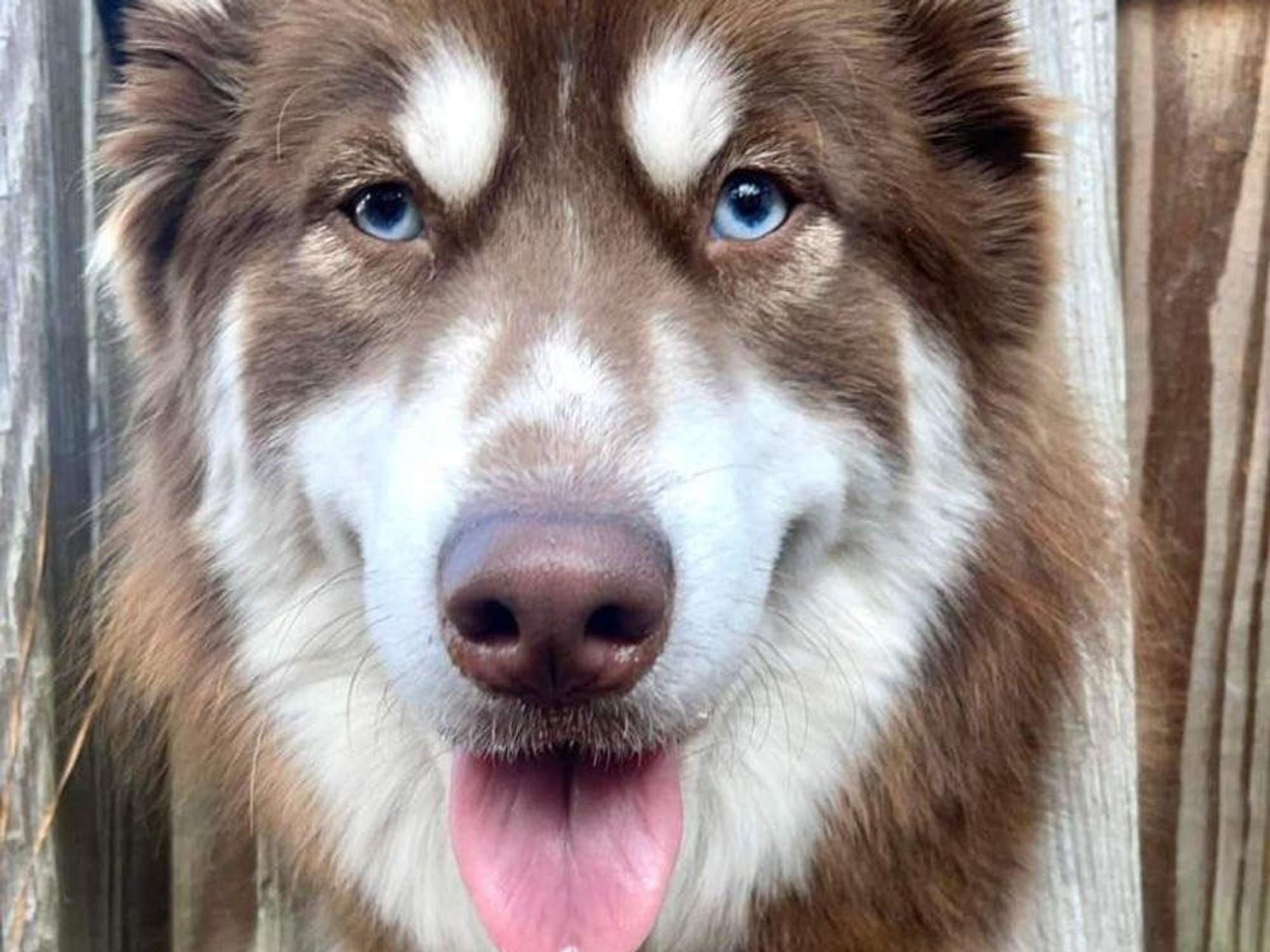
The first of the Huskies, Oakley, was found and reunited with Andrea after spending a whopping five months surviving in the wilderness. In a clip posted to TikTok, we see that poor Oakley was clearly unsure of the situation when she first spotted her human. It almost appeared that she was afraid of being in trouble. Anakin’s Trails referred to this as “lost dog syndrome.”
But after a few seconds of uncertainty, the pooch fully recognized her human mom and could not contain her excitement. Understandably—neither could Andrea.
To make things even better, just a few days after Oakley was reunited with her family, her sister Marley was also found.
Ashley Raymond, Founder and Director of Anakin’s Trails told Upworthy, “We got involved after the owners found out about them being dumped about a month and a half later [after entering the training facility]. For about a month, we hung flyers, set food stations with high quality bait with surveillance cameras, and strategically placed them where we got sightings. Before long, we began getting sightings.”
Owner reunited with second husky dog (Marley) when she was finally captured by the Anakin’s Trails Stray and Pet Recovery team after surviving in the wild for months with two of her sisters. Marley was captured days after her sister (Oakley) and reunited with her owner . As of now, there is still one sister on the run in the wild that the recovery team is adamantly trying to locate and capture . #anakinstrails#animalrescue#fyp#sc#trustthetrap#animaltrapping#lostdog#dogontherun
Things were looking up for the agency after the sightings, but then the region experienced a beast of a hurricane. Hurricane Helene was massive, hitting Florida, Georgia, South Carolina, North Carolina, Tennessee and Virginia making the rescue of these remaining two pets a bit more difficult. The animal recovery organization didn’t give up hope though.
“Then, the hurricane happened and pushed them 16 miles down the road to another town. We basically had to start from scratch in an entire town, and that’s just what we did. After about 2 weeks of that, we finally nailed down the yard where they kept coming,” Raymond shares. “This time, we set our custom made kennel trap up. After they came once to it, we set it live the very next night. Around 10:30 that evening, Marley and Oakley walked in! Oakley got trapped, Marley ran off. Two nights later, Marley came back and we trapped her. We called the owner and she came down for the reunion for both on 2 different evenings.”
As of October 2024, the third dog, Juno, Marley and Oakley’s sister, is still missing, and their dog mom, Nova Jo, had been found but has still not been reunited with her human, according to Anakin’s Trails.
“There is a fourth dog. She was dumped with the other three, but she ran up to someone days after being dumped and was picked up,” Raymond said. “SC has a 5 day stray hold unfortunately. So any dog that you find in the state of SC and no one comes forward in 5 days, it’s technically yours. So they are fighting that in court.”
The work Anakin’s Trails does isn’t easy and since it’s a nonprofit, they rely on donations, which is how they were able to help provide Andrea a hotel room when she came to be reunited with her dog. And how they are able to help many others reunite with the four-legged member of their family.
If you’d like to donate to Anakin’s Trails Stray and Pet Recovery Team so they can continue their work, you can do so here.
This article originally appeared two years ago. It has been updated.
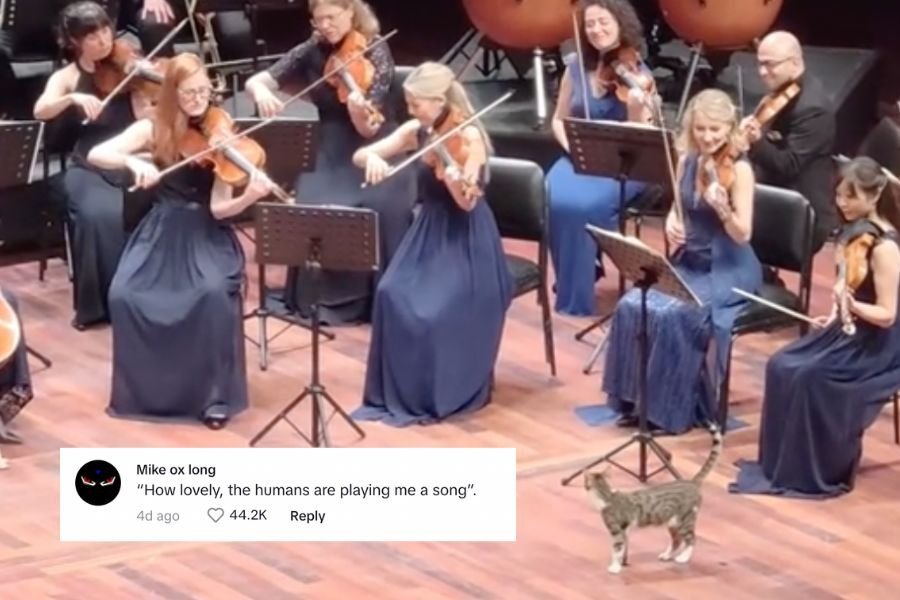
Oh, what it must be like to be a cat. To never suffer from imposter syndrome, to take on foes at least twice your size without hesitation, to navigate the world like you’re on every VIP list in existence. What a glorious life indeed. Take this concert-crashing kitty, for example. During a live orchestra performance at the 52nd annual Istanbul Music Festival, a curious feline wandered up on stage during a performance of Beethoven’s Pastoral Symphony No. 6 without a care in the world—and of course, it was all anybody could talk about.
In a clip shared to multiple social media platforms by several news outlets, including @abcnews on TikTok, we see the gray and white cat traipsing onto the stage, as if drawn in by the whimsical tune being played.
Then, it literally catwalks across the stage, unbothered from beginning to end.
Of course, as many viewers pointed out, this is an all-too-common sight in Istanbul, which, like many Muslim countries, holds a special place in its heart for felines. According to Catster, cats don’t have owners. Instead, they are taken care of by the entire community all around the city—from tea houses to ferries to public transport and beyond. Istanbul even funds veterinary care for its stray cats, including spaying and neutering, emergency care, and a mobile Vetbus. It’s pretty much Kitty Heaven over there.
In Islam, cats have special privileges over other pets. “Cats have a very special place in the Muslim household and in the Muslim culture in general,” Imran Malik told The Columbus Dispatch. A big reason for this is that they are considered pure, clean, and hygienic. The Prophet Muhammad was also known for his fondness for cats.
Dogs are naturally driven by a sense of purpose and a need for belonging, which are all part of their instinctual pack behavior. When a dog has a job to do, it taps into its needs for structure, purpose, and the feeling of contributing to its pack, which in a domestic setting translates to its human family.
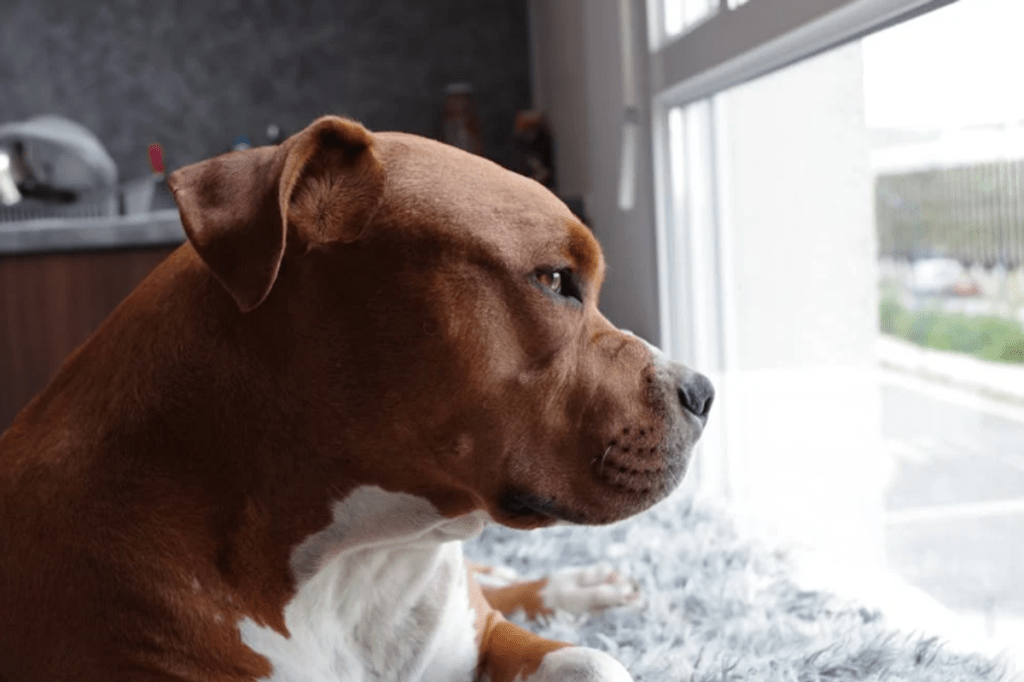
But let’s be honest: In a traditional domestic setting, dogs have fewer chores they can do as they would on a farm or as part of a rescue unit. A doggy mom in Vancouver Island, Canada had fun with her dog’s purposeful uselessness by sharing the 5 “chores” her pit bull-Lab mix does around the house.
The mom says Rhubarb has chores because “we didn’t raise a freeloader.”
When Annika first brought Frannie, an eight-year-old Golden Retriever, into her home, the dog couldn’t even stand up on her own. She weighed 125 pounds—twice what a healthy weight would be for a female of her breed. Any movement at all took Herculean effort. Frannie was depressed, which wasn’t surprising, as she was missing out on all the joys of doggie life.
Rover’s Retreat, a dog rescue in Los Angeles, rescued Frannie from a miserable life of sleeping on concrete. She had sores on her tail and massive calluses on her legs. She also suffered from hypothyroidism and was scheduled to be put down.
Annika got the call and responded immediately. “We didn’t even think or have a plan,” she wrote. “We just got in the car to go get her because the one thing we knew was that she did not deserve to die.” It took four people to get Frannie into the car.
Frannie has been working so hard every single day and is now getting up much more often on her own! She still definitely appreciates the help getting up but when she really wants something (and she’s on non-slip ground) she can actually get up on her own! She has been particularly getting up when I leave her sight and she wants to see where I went! I often come back to her and she’s already standing walking towards me! I can tell she is going to be a major “Velcro dog”. She has improved SO much in this last month and we cannot see what this next month has in store for her! 💗💗 @Rovers_Retreat #fightlikefrannie#fyp#foryoupage#dogsoftiktok#dogs#goldenretriever#goldenretrieverlife#dogrescue#rescuedog#rescueanimals#animalrescue#obesity#weightloss#animalsoftiktok
They faced a steep uphill climb. Frannie had no energy and exhibited no personality to speak of. But her new family was determined to help her find herself, so they picked her up to take her outside daily, even just for a few assisted steps.
“One day, we were throwing the tennis ball around, and she perked her ears up,” Annika told The Dodo. “And we were like, ‘That’s weird! She’s been so sad and miserable this whole time.’ So we threw it towards her and she just went nuts.”
At first, she caught the ball with a cushioned stool under her belly and backside to support her. But after slowly increasing her exercise every day, she began standing on all fours and catching the ball without any assistance. Then she began to take a few steps to chase after it.
Slowly but surely, Frannie was getting healthier—and learning to be a dog.
We are so excited about Frannie’s progress!! She LOVES her tennis balls and we have been using them to our advantage! This week she shocked us and was literally trying to run after them – we were speechless!!! We are just so happy that she is feeling so much better and is that much closer to actually running after the tennis ball one day! Thank you to everyone who has sent her tennis balls as you are playing a pivotal role in her recovery!! I don’t know where she would be in her journey without her love for tennis balls. We cannot wait to see what is in store for the next few weeks! 💪😁💖@Rovers_Retreat #fightlikefrannie#fyp#foryoupage#dogsoftiktok#dogs#goldenretriever#goldenretrieverlife#dogrescue#rescuedog#rescueanimals#animalrescue#obesity#weightloss#animalsoftiktok
For a while, she could only walk to the end of the driveway. But by February 2024, Frannie was frolicking in the snow on her own. By March, she was able to walk a full mile.
She still had a ways to go with her weight, but the contrast from where she started was night and day. With help from her diligent family and therapeutic rehab treatments like walking on a water treadmill, Frannie kept getting healthier. By August, eight months after not even being able to stand, she had lost 50 pounds and was a whole new dog.
Annika told The Dodo she had previously cared for another obese Golden Retriever, Georgia, whom she had rehabilitated and later lost. “Something inside of me was like, ‘Georgia sent this dog to me,’” she said. “I got to fight for her.”
In December 2024, a year after she came to live with Annika, the family posted an update on Instagram:
“We are so happy to celebrate one whole year of Frannie!! In the last 12 months, she didn’t just lose 58 pounds—she gained so much! She learned how to get up on her own, how to walk, how to run, how to chase tennis balls, and even tackled the water treadmill like a champ! She discovered what it means to be loved and cared for, and most importantly, she gained her forever family and a whole new lease on life.”
Frannie continues to improve and thoroughly enjoy being a dog. “I still see her getting happier every day,” Annika told The Dodo.
What a beautiful gift for both of them.
You can follow Frannie’s ongoing journey on Instagram.
There’s a famous novel called The Dogs of Babel. In it, a husband is distraught after the unexplained death of his wife, and spends the entire novel trying to extract information from the only witness to her final moments: their dog. It’s heartbreaking and funny and incredibly poignant.
However, it may not be realistic. And that’s because when you get down to it, dogs are actually quite bad at keeping secrets. One hilarious viral story shows exactly why.
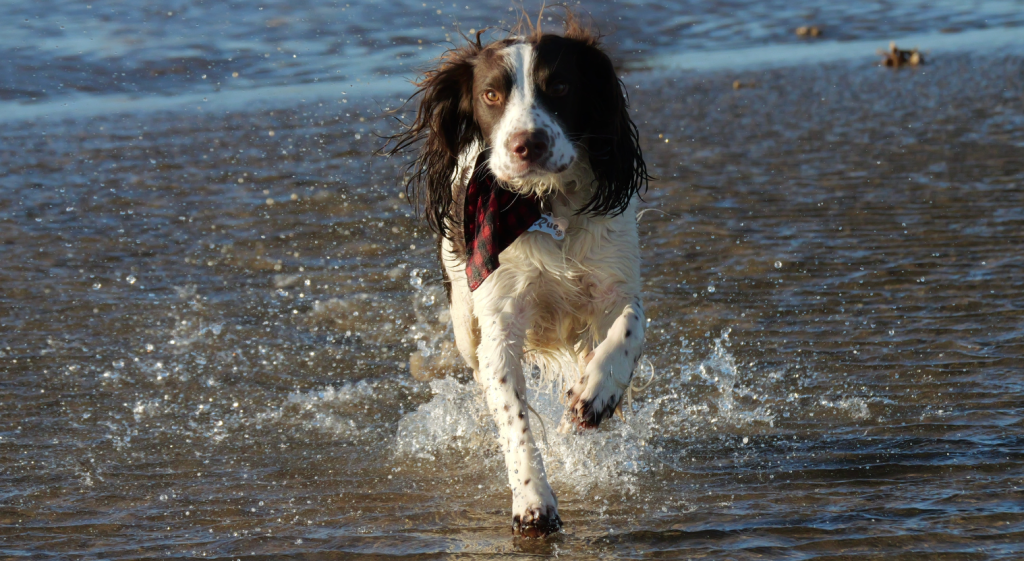
As the photos suggest, he loves playing in the mud. Springers are active, love the great outdoors, and are known for having a lot of energy.
Recently, Jinky’s mom took him on a walk during a loose-leash training session when he took an unexpected turn that revealed where his doggie daddy had secretly been taking him. Loose-leash training is a method trainers use to teach dogs to walk on a leash with some slack without pulling or going after other dogs.
Here’s the big reveal that got daddy in the dog house. Jinky’s mom captioned the video:
“POV: you walk the dog the day after your husband did and now he’s dragging you into the village pub…”
After Jinky turned to walk into the village pub as if he had done it a million times before, the wife thought it was hilarious and asked her husband to let her know she was on to him.
“It was really funny,” she told Newsweek. “I sent the clip straight to him.”
The clip was quite a hit on Instagram, where it has been seen over 5 million times and has over 200,000 likes. Many of the commenters suspected that there were many great friends and treats inside the pub, and that’s why Jinky wanted to go back.
“My spaniel nearly breaks the door down for the pub, is v embarrassing … but they do give extremely good treats so can’t blame him wanting to go in”
“My dog does this with yoga studios, she knows where the good pets are”
“But mum, the ‘ave footy on telly and all the lads are there!”
“Come on man, don’t be a snitch,” one user joked.
Others thought the wife should have let Jinky into the pub for a pint or two.
“Go on lad get him a **** pint”
“I mean as long as he’s got the first round…”
“Let the lad have a pint,” another joked.
“My friend’s dog does this, drags me to all the pubs, even if they’re closed,” another user added.
Dogs have a fantastic memory, but it works a little differently than ours. Their long-term memory is surprisingly good, but is heavily tied to the associations they make with people, places, and things, according to PetMD. The Instagram theories are probably correct that Jinky associates his visits to the pub with lots of treats, cuddles, and yummy smells. Research shows dogs can remember people, places, and smells for years and years — so it’s unlikely Jinky will be able to pass that pub without wanting to go in anytime soon!
Which, of course, is great news for Dad on their walks.
This article originally appeared two years ago ago. It has been updated.
In this weakening economy, tipping has become a hot-button issue. So when a pizza delivery man took to Reddit to share how he received “the best tip ever,” it led to a heartwarming surprise on so many levels.
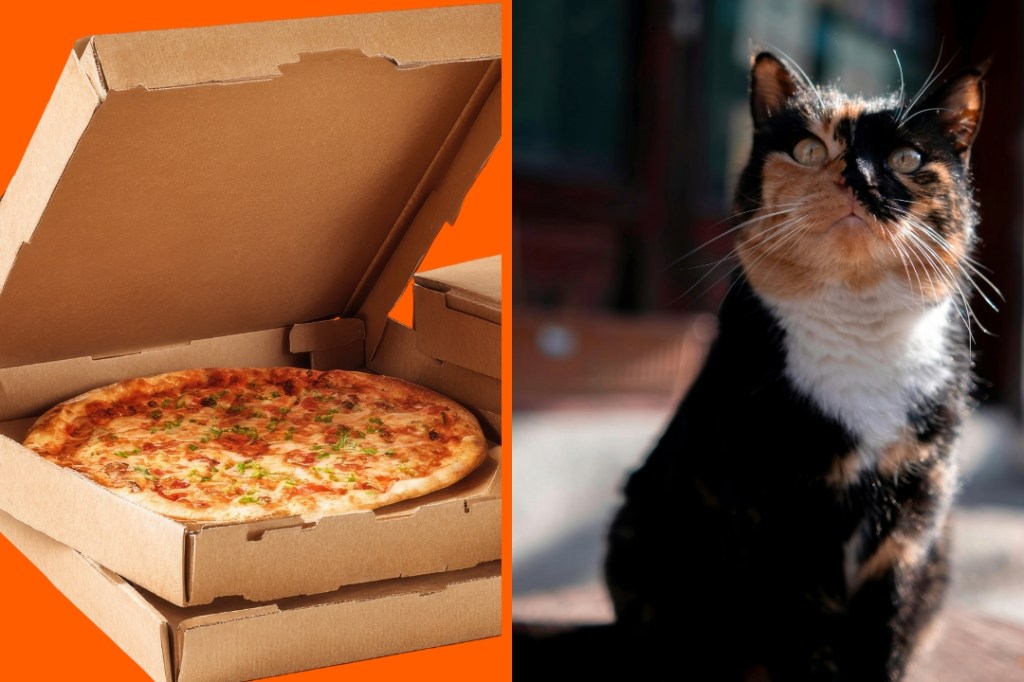
It was just before Christmas when the delivery man set out on his usual run. He pulled up to one house, and just as he opened his car door, a fluffy cat jumped inside. Of course, he gave it some loving pets and headed to the front door to deliver the pies, assuming the feline belonged to the household.
Plot twist: the cat didn’t belong to them. In fact, the delivery man was told the cat’s previous owner had left him behind.
Screenshot
What happened next made for a wonderful holiday treat. In the subreddit r/cats, Brennan—aka u/renn_is_not_a_loser, who describes himself as a proud animal lover—shared a post titled, “Delivered a pizza and came home with the best tip ever.”
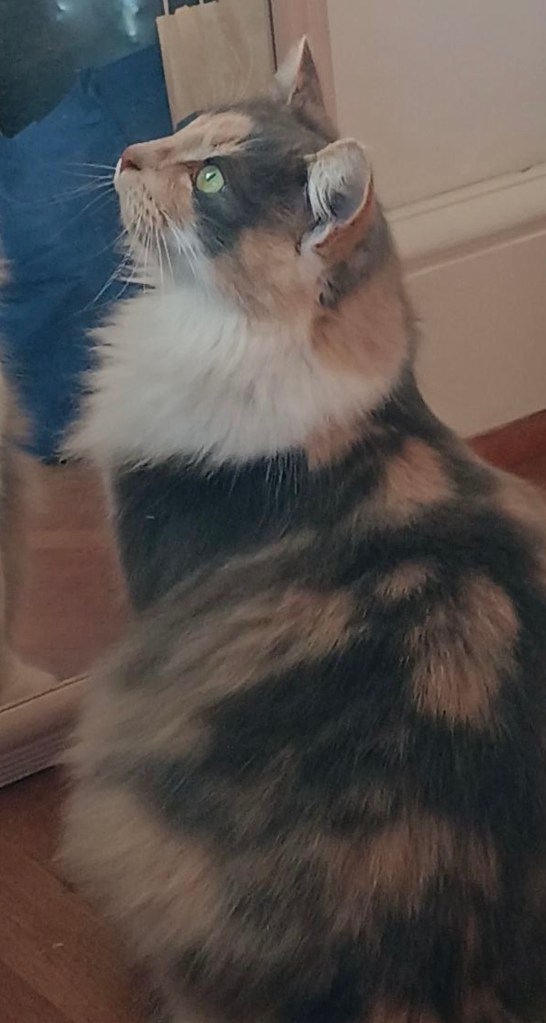
Meet Ringo Starr
“I wanted to share my girl Ringo Starr and her story; she has brought me so much joy and I’m so glad to have her in my life. I work as a pizza delivery driver, and back in December right before Christmas, I delivered a pizza, and when I pulled up, the sweetest cat ran up to my car and hopped in with me when I opened the door. I petted her and put her back out thinking she had a family. When I got to the door, I told the guy how sweet of a cat he had. It turns out she wasn’t his cat; the neighbors that lived there previously moved out and left this gorgeous girl in the streets. I asked if anybody was taking care of her, and nope, she was a stray. They fed her occasionally but couldn’t bring her in due to having too many cats already. Needless to say, when offered to take her with me, I did. I don’t know how someone could abandon such a sweet and friendly, healthy girl.”
He shared more photos from her first vet appointment, showing how healthy, safe, and happy she is now.
Cat lovers unite
The post quickly went viral. It has more than 21,000 likes and hundreds of comments supporting the OP, with some users even sharing their own rescue stories.
One commenter exclaimed, “You both are so amazing. I’m glad you adopted each other,” while another replied, “They’re both angels. They’ve redeemed each other.”
Another commenter expressed gratitude for kindness toward furry friends: “Thank you for taking such a sweet girl out of the cold and the dangers of the outside. A small bit of compassion really can change the life of an animal and fellow humans for the better.”
One commenter sweetly shared a common truth among animal rescuers: “That cat will love you till its last breath.”
Screenshot
Daffy
Many shared their own adorable rescue stories. Redditor u/Groovy_Cabbage had a similar delivery experience:
“This is Daffy. This picture was my first ever interaction with her. I met her while delivering for Uber Eats. I walked up to the customer’s door, and while handing over their food, she approached us from the outside. I complimented her (of course) thinking she was their cat, but they said that she was just a neighborhood stray who they occasionally fed. They then invited me to take her if I wanted. I didn’t know what to do, as I wasn’t in a position to care for a cat then. However, it was -10 degrees outside, and I was not going to leave her audibly crying out in the cold. She followed me back to my car, and when I opened the back door for her, she immediately knew what to do and hopped in. When I sat down in the driver’s seat, she came forward from the back to come into my lap, and then promptly started purring and making biscuits. I think it was just her way of saying thank you. 🥲 I still think of her often. But I am happy to say that she was quickly adopted from the humane society. I was able to visit her once before then. ❤️ She will always be my little girl.”
“This is Lucious James ‘Launchpad’ O’Malley aka Lou Lou or Lucifer. My daughter insists he’s a raccoon. I rescued him from our downtown storm drain before an unseasonably cold hit. He meowed at me. I meowed back, and after an hour, convinced him to get into my car. He’s …special.”
The other Ringo
Finally, u/DragonWyrd316 may have had the most delightful response of all. They wrote, “Ringo Starr, meet Ringo Starr. Your baby girl is as gorgeous as my baby boy.”
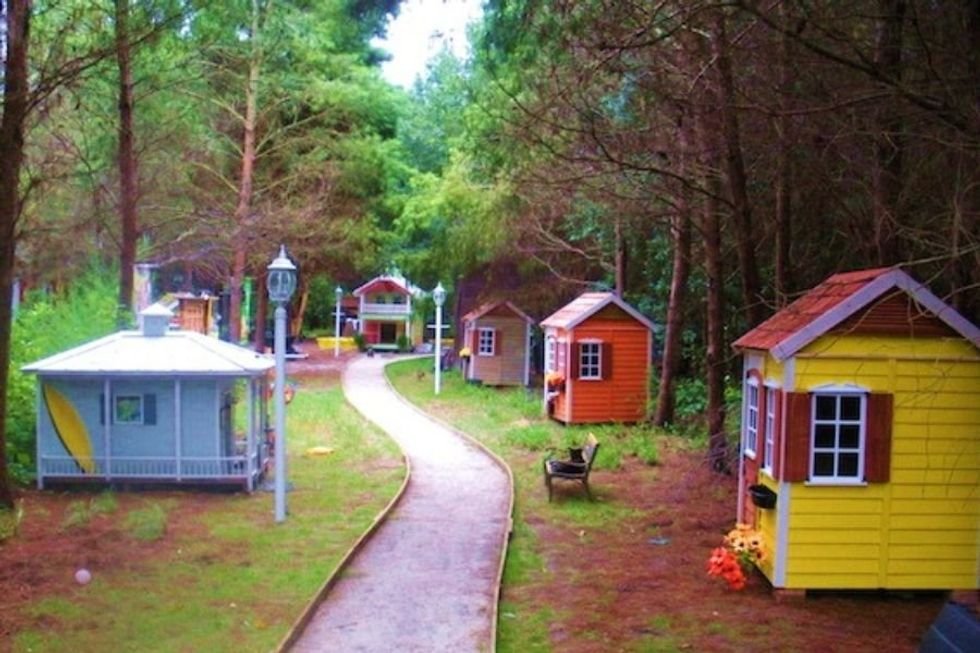
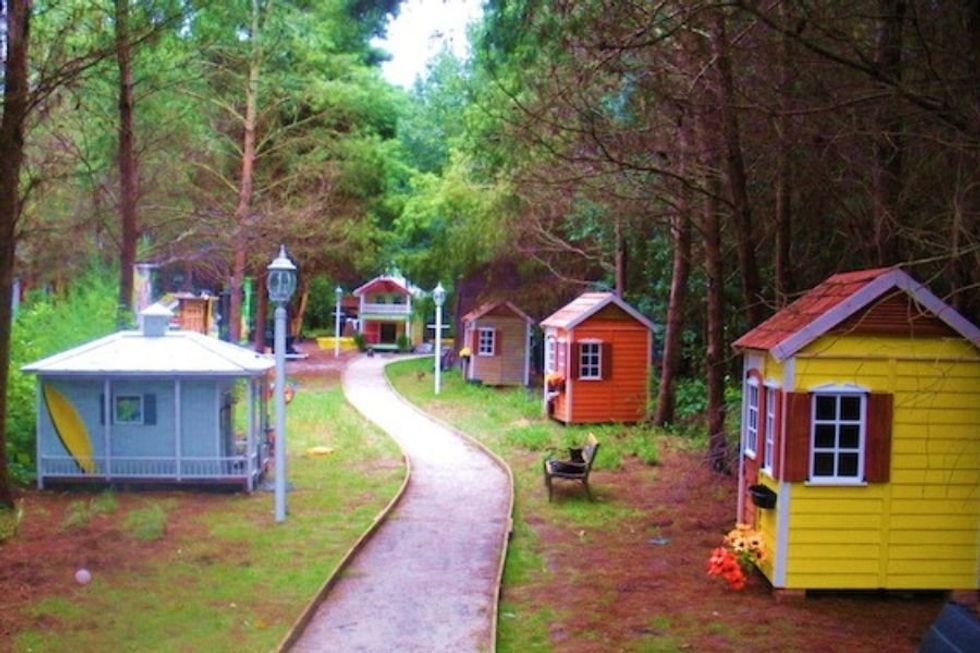
An amazingretirement village is accepting guests in Shropshire, England—but instead of catering to elderly people, it’s designed for elderly cats.Shropshire Cat Rescue has been rescuing elderly cats set to be euthanized and providing them with top-notch elder care for over 21 years. Thanks to donations and sponsorship, the retirement village was built in 2009 to create comfortable homes within the rescue for senior and super senior kitties.
The owner and co-founder of the rescue, Marion Micklewright, was tired of seeing older cats get passed over for adoption and subsequently put to sleep simply because they were old. So she decided to do something about it. Shropshire was created in 1991 and moved to Micklewright and her husband Richard’s current home address in 1998. Today there are cats wandering the retirement village who are over 20 years old. One cat, lovingly named Cat, loves to hang out in the little “store” in the tiny cat town, while others lounge in cat condos.
Veterinarian Dr. Scott Miller, TV personality, resident vet onITV’sThis Morning, and owner of an elderly cat himself, visited the feline retirement community in March 2024 to film for his new YouTube Channel, Rescue Vet. He was deeply impressed with how much the retirement community had to offer the cats that call it home and dubbed it the “cutest cat retirement village” according to Shropshire Star in 2024.
Retirement Village model spreads to the U.S.
Shropshire Cat Rescue is a marvel, but it’s not the only retirement home out there for felines. A Florida couple opened a retirement home for elderly cats, too. Terry and Bruce Jenkins decided to open their home for elderly cats in their backyard, rescuing them from “hardship situations.” Affectionately called Cats Cradle, the Jenkins’ rescue doesn’t adopt the old kitties out; they let them live out their years happy and cared for cozy in their backyard (that Bruce unofficially calls “cat Disneyland”). “I found a real purpose in caring for these animals who, in many ways, were a reflection of where I was in life, too,” Terry told AARP in 2023.
What Makes Shropshire Cat Rescue Unique
Wonderfully, there are several retirement homes for cats in America, but Shropshire’s retirement village operates like a small town. It comes complete with a storefront, six “homely chalets,” and the “Moggies Mansion,” a sort of common area for all the cats to congregate.
As of 2024, Shropshire Cat Rescue houses about 19 elderly cats, but have opened the village to “younger but just as in need” cats. They offer adoptions, are open to and eagerly welcome volunteers, and even host local events.
How to Support the PURR Project and Senior Kitties
You can support Shropshire with donations to their PURR Project, a new center complete with it’s own retirement village, nursery, pet hospital, education center, and even staff and volunteer accommodations.
Check it out:
This article originally appeared last year. It has been updated.
One of the main reasons humans and dogs have gotten along so well for centuries is that we just get each other. Dogs and humans can form incredibly close emotional bonds, and we also make great partners when working together, whether on a farm or in a K-9 unit. It’s no surprise that, according to Embark Veterinary, dogs and humans share an estimated 84% of our DNA and have over 17,000 similar genes.
Further, our species have evolved together. Dogs that were better able to communicate with humans—by understanding commands, making “puppy eyes,” and showing lower levels of aggression—were more likely to be bred, reinforcing those traits across the species.
A fantastic example of the bond between humans and dogs was recently shared by Emily Freireich, 24, on her 5-year-old dog Luna’s TikTok account. In the video, Freireich shows how Luna’s pupils dilate when she talks to her.
“Ignore my annoying baby talk, but I love seeing her eyes dilate when I talk to her. It makes me feel like she loves me so much,” she captioned the video. If you look closely, as Luna locks in with Freireich, her pupils (the black part of the eyes) grow larger.
“It makes me feel like she loves me and is listening to what I’m telling her,” Freireich told Newsweek. “She is the sweetest dog ever. She’s always happy to meet people and other dogs; she’s super cuddly and such a good girl.”
Why do dogs’ pupils dilate?
Dogs’ pupils get larger, or dilate, when they’re excited; that can mean they’re afraid or incredibly happy to see you. The pupils dilate to let in more light so they can see more clearly, whether that’s a threat or the person they love most in the world.
Dog owners should be aware, though: In some cases, pupil dilation may indicate that a dog is ill. If their pupils are dilated and they aren’t aroused for any reason, it may be time to make a vet appointment. But if you get home from work and they run to greet you and their pupils enlarge, it’s a sign they’re over the moon to see you.
“When it’s dark, they widen to let in more light and help you see better. Conversely, your pupils will decrease in size and constrict when faced with additional light. Both of these occurrences allow you to adapt your vision for your environment. … When you’re attracted to someone or see something that appeals to you, your body – or more specifically your sympathetic nervous system – activates. Your brain increases production of the hormones oxytocin and dopamine, both of which can cause your pupils to dilate so you can better see the object of your desire. … Remember, attraction is hardly the only reason your pupils might dilate. Fear can also stimulate your sympathetic nervous system and release hormones so your eyes can temporarily improve its vision.”
Freireich’s video is a wonderful reminder of how much we love our dogs and how much they love us back. We live about five times longer than they do, and we should never forget that they may be only a chapter in our lives, but to them, we are the whole book. So, we should give them all the love, attention, and affection they deserve.