Losing someone you love is never easy, and the process is different for everyone. For some people, keeping their deceased loved one’s things exactly the way they left them is part of it. But to some people, this act of enshrinement can be viewed as unhealthy. Dr. Jason Singh argues that this behavior isn’t unhealthy at all. In fact, he explains that it’s actually your brain doing something intelligent.
In a recent video, Singh makes his case. The doctor asks, “Have you ever lost someone and couldn’t bring yourself to touch a single thing they left behind?” At this point people may be expecting that he would touch on ways to move on from this kind of grief, but he doesn’t.

Instead, he shares information about the brain that can help those who are struggling with the reality of being unable to move these items. “Here’s something you may not have realized,” Singh says. “You’re not keeping their stuff because you’re stuck. You’re keeping it because your brain is doing something profoundly intelligent.”
Singh explains that while people around you may think leaving a deceased loved one’s unwashed coffee mug untouched is unhealthy, it’s not. He shares that our brains are constantly updating information on the people we know. Like a computer system, it’s always processing new information and looking for updates. When someone we love dies, there is no new information about that person for our brains to process and categorize.

Leaving things as the deceased person left them is bridging this stalled function in a way. According to Singh, “Objects are not just objects to a grieving mind. They’re the last negotiation your nervous system has with permanence. See, when your dad passes away, or your mom passes away, something neurologically catastrophic happens that has nothing to do with sadness. Your brain, which has spent decades building a mental model of that person, their voice, their patterns, their presence, suddenly receives no more data to update that model with, and it refuses to close the file.”
He says a brain that refuses to “close that file isn’t grief” because closing it would dismantle the attachment architecture that person helped build. “So that room is not a shrine,” Singh explains. “It’s a server that’s still running, and I don’t believe you’re in denial of their death. I honestly don’t. You’re in a silent war between two parts of your brain. The prefrontal cortex, which is the logical, forward-moving, knows that they’re gone, and the limbic system. The part that holds every memory of being loved by them.”
The doctor says that Bond’s Theory explains that there is no logical way to override that program breakdown. Picture it like the old Windows buffering signal. The computer is on, it’s running, but it can’t move forward, no matter which button you press to escape the screen. Due to this theory, Singh shares that getting rid of their things may feel like participation in their erasure.
Singh’s explanation resonated with viewers deeply. One person reveals, “This is awesome, thank you. Husband’s clothing still in closets and dresser, his two pair of running shoes still under the bed. Two years, 4 months since he passed.”
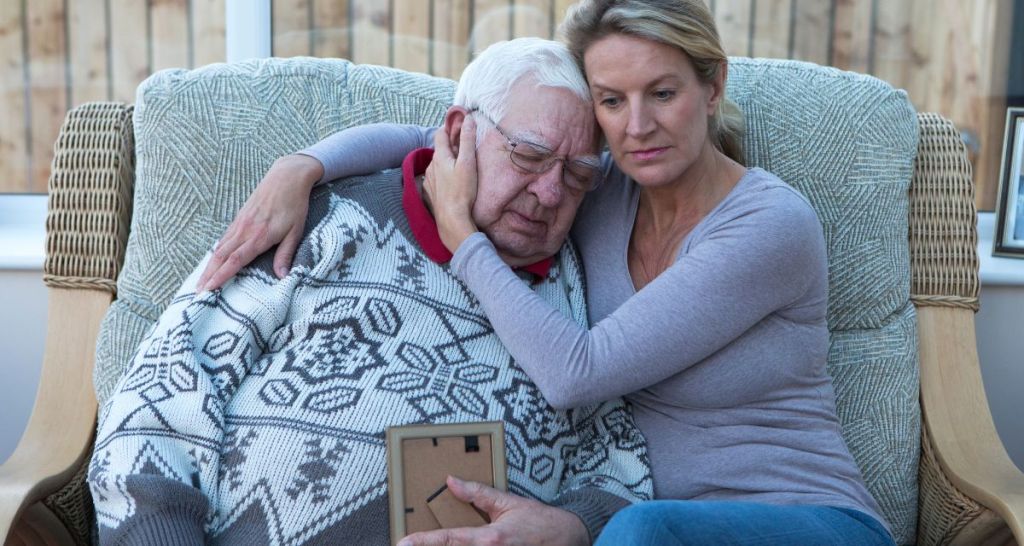
Another shares, “Thank you. I thought maybe I wasn’t dealing with my husband’s death 4 months ago very healthy….I can’t even remove his things from the shower as it feels like I’m moving him out of my life and that’s the last thing I want to do. He was ,y best friend and we were married 36 1/2 years and I miss him so much it hurts every day.
It took me 3 months to finally wash his dress socks and the entire time I was washing them I was asking myself why I was washing them and what I was going to do with them once they were all washed? I matched them and put them away in his drawer and thought to myself how silly I was as these are just “things” but these socks had his feet in them and I just can’t bare to get rid of things he touched or wore or used and Ona afraid of being a ridiculous pack rat, but I have given and will continue to give my 5 adult kids his things and try to figure out what to do with the rest.”
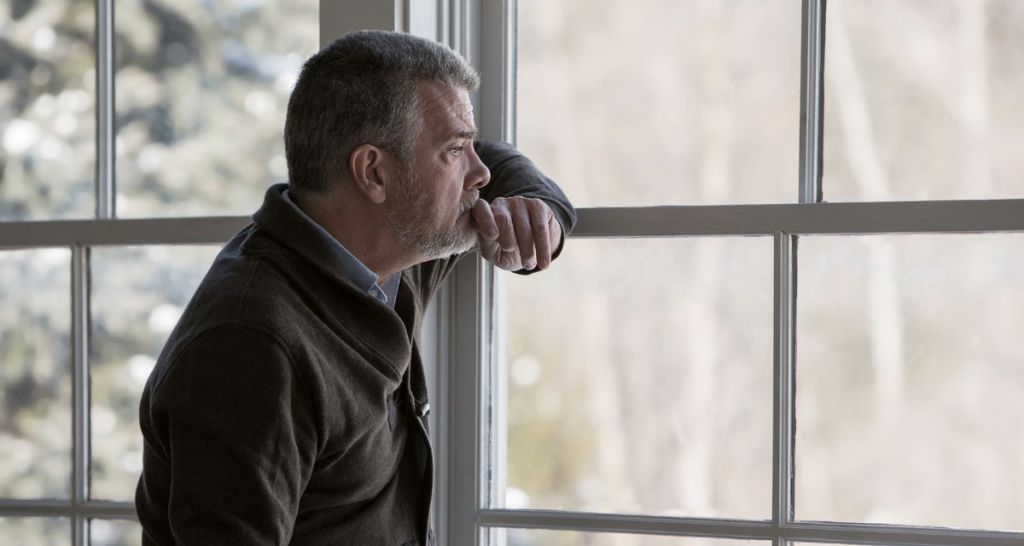
One grieving child writes, “This was good to hear. I lost my Mama 5 years ago, my parents live with my family and we’ve barely touched anything in her room, my Dad and me go in and sit ‘with her’ when we need to and although we have taken a few things out and moved some things around it’s basically as it was when we lost her that day… mug still there, slippers by the bed, clothes folded on the chair, clothes still hanging in the wardrobe, teddy on the bed and ornaments on the shelves etc all sitting there… like they’re waiting for her to come home.”
Someone else shares, “Wow, this makes so much sense. I walk into my father’s closet, touch the clothes, smell them and then close the door. That’s all I can do right now. I also am still paying for his phone.”