As populations mix over time, dialects constantly evolve. But one might ask how…and why? Some linguists believe an accent isn’t so much “lost” along the way. Rather, cultures morph together, and the original dialect from a person’s country of origin also shifts.
Put more plainly, some researchers claim the British accent has changed, causing it to differ from its American “cousins.” Many linguists claim that, in part, the “r” consonant sound is to blame.
‘When did Americans lose their British accent?’
In a post on the Babbel TikTok page, an American man and a British man fade into one another, each asking, “When did Americans lose their British accent?” (Note: While neither has listed professional linguistic credentials, they share an interesting concept.)
The Brit continues, “We could say sometime between the late 16th and early 19th centuries. But a more accurate answer is never.” The American adds, “Colonial Americans didn’t really lose their accent. They developed a new one. And incidentally, so did the British.”
The question becomes: what even IS a British accent? The Brit explains, “What you hear from the Royal family and news anchors isn’t THE British accent. There were numerous British accents: Geordie, West Country, Scouse, to name a few. And all of them are different to how Brits spoke in the 1700s.”
It often comes down to that “r” sound. He adds, “While most people in the U.K. don’t employ the retroflex ‘R,’ [when] pronouncing the letter in words such as ‘park’ and ‘car,’ it’s been common in parts of Southwest England for centuries.”
The ‘r’ sound
The American adds, “And within decades of establishing the colonies in the Americas, those British settlers mixed with others like the Dutch, and new vocal patterns began to emerge. Winning the Revolutionary War and westward expansion led to even more accent change.”
One TikToker sums it up nicely, at least as they understand it: “The British lost their British accent. We Americans actually have an accent closer to the original British accent.”
How Brits often used to talk
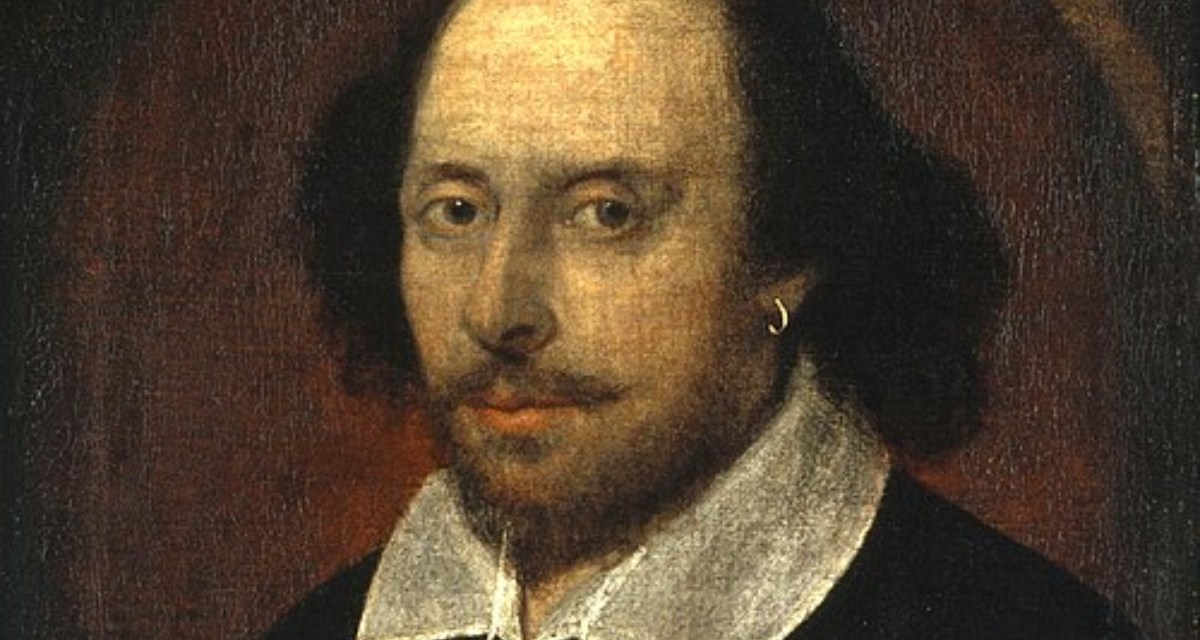
In a recent Psychology Today article, Valerie Fridland, Ph.D., supports this claim. She notes, “Despite a tendency to think of how Americans talk as sounding less fancy and less old-fashioned than British speech, the ‘r’ sound we hear so often on American lips in words like ‘car’ or ‘yard’ is actually the older and originally more prestigious form. Even Shakespeare would have used it, despite how his characters speak in modern performances of his plays.”
A 2018 BBC article, however, would beg to differ. Writer Christine Ro claims, “It makes for a great story: when settlers moved from England to the Americas from the 17th Century, their speech patterns stuck in place. That was particularly true in more isolated parts of the US, such as on islands and in mountains. As a result, the theory goes, some Americans speak English with an accent more akin to Shakespeare’s than to modern-day Brits. That’s not entirely right. The real picture is more complicated.”
Rhoticity
That said, it still comes down to that pesky “r” sound. Ro continues, “One feature of most American English is what linguists call ‘rhoticity’, or the pronunciation of ‘r’ in words like ‘card’ and ‘water’. It turns out that Brits in the 1600s, like modern-day Americans, largely pronounced all their Rs.”
She quotes language researcher Marisa Brook, who said, “Many of those immigrants came from parts of the British Isles where non-rhoticity hadn’t yet spread. The change towards standard non-rhoticity in southern England was just beginning at the time the colonies became the United States.”
How Shakespeare spoke
Ro adds a tidbit about Shakespeare, writing, “It’s a bit surprising that Shakespearean English has come to be associated with high status and education. That’s the other oft-forgotten complication of the concept: even if Americans do speak more like the Elizabethan English than today’s Brits themselves, that doesn’t mean they’re speaking a ‘posher’ version of the language.”
Still, it’s more complicated than just one letter. Dialects are constantly drifting for many reasons. And, quite possibly, the last person who’d have cared if they were considered “posh” was William Shakespeare.