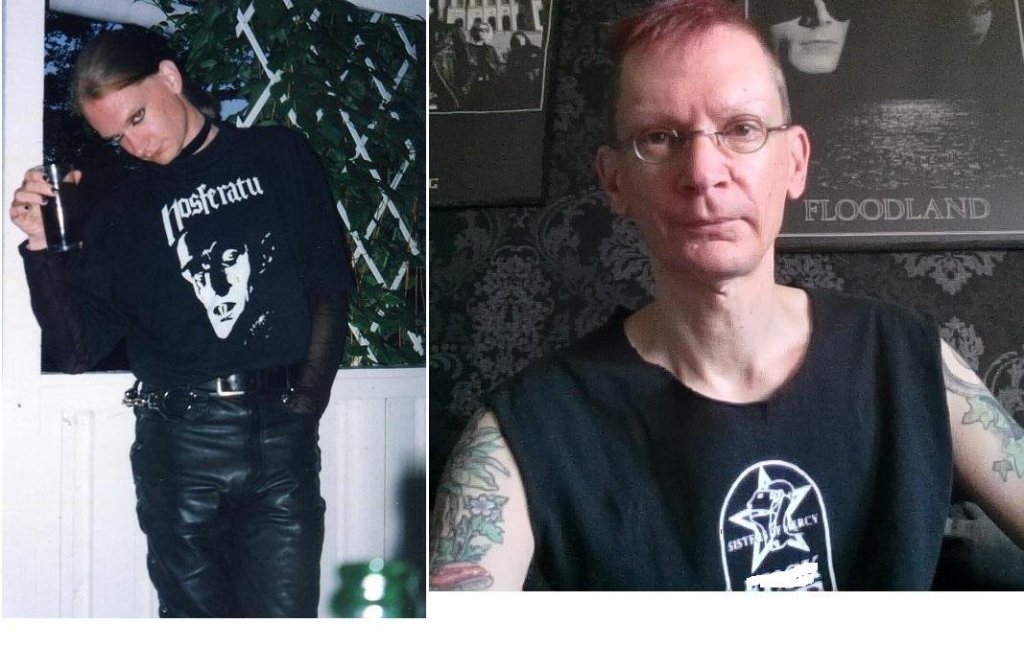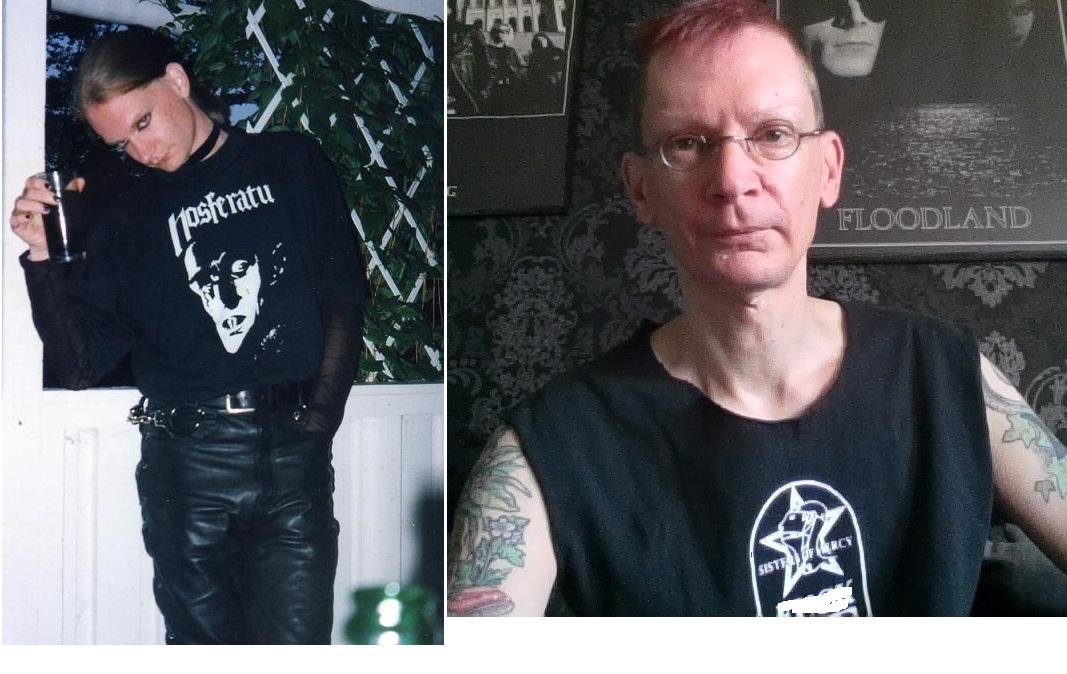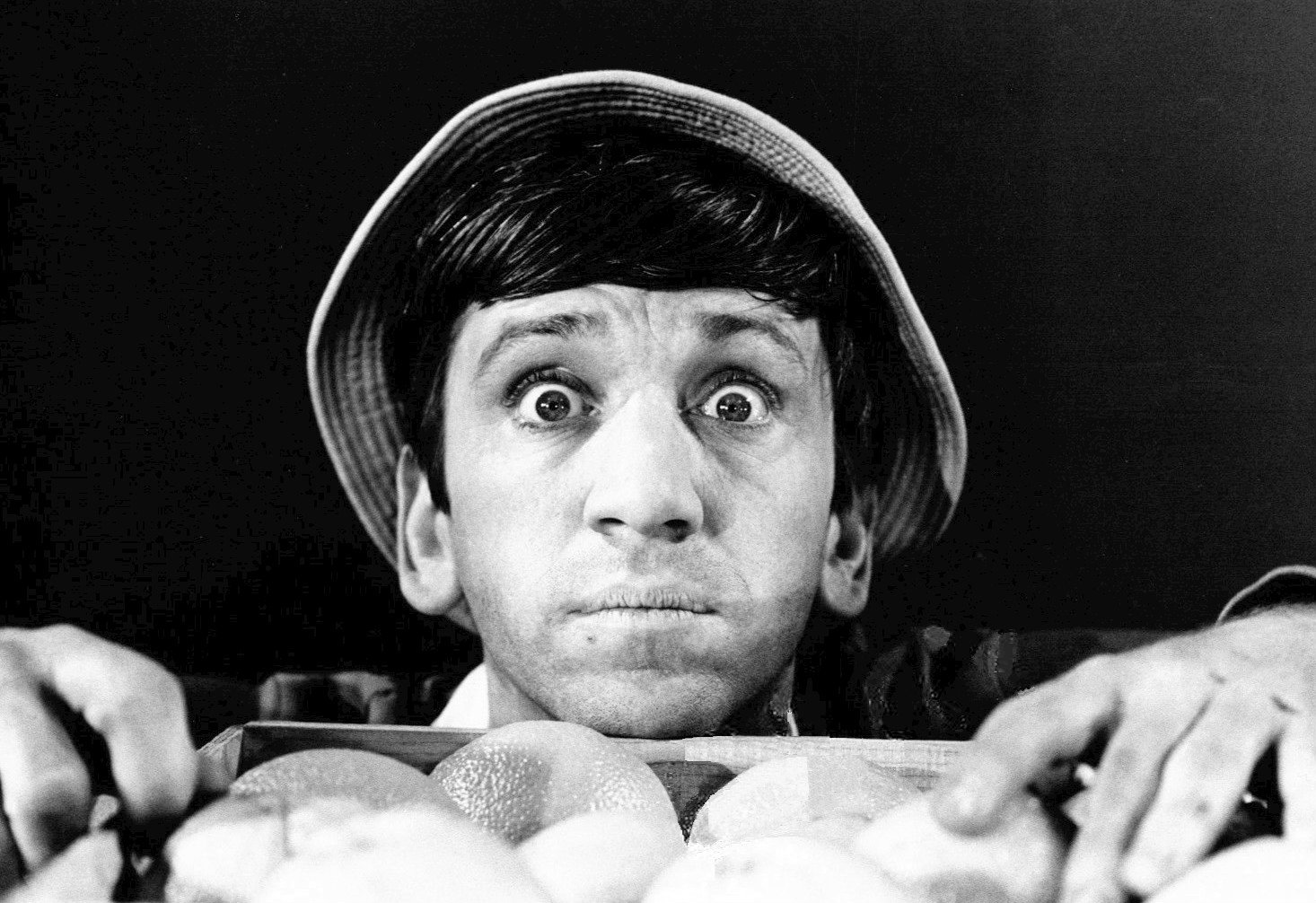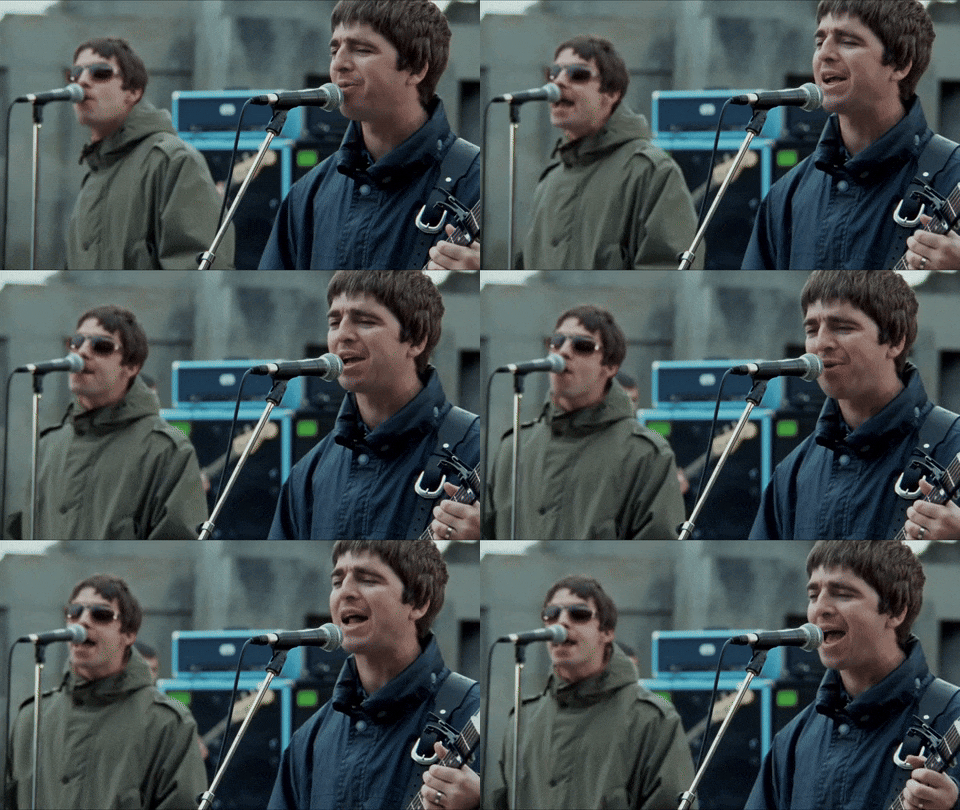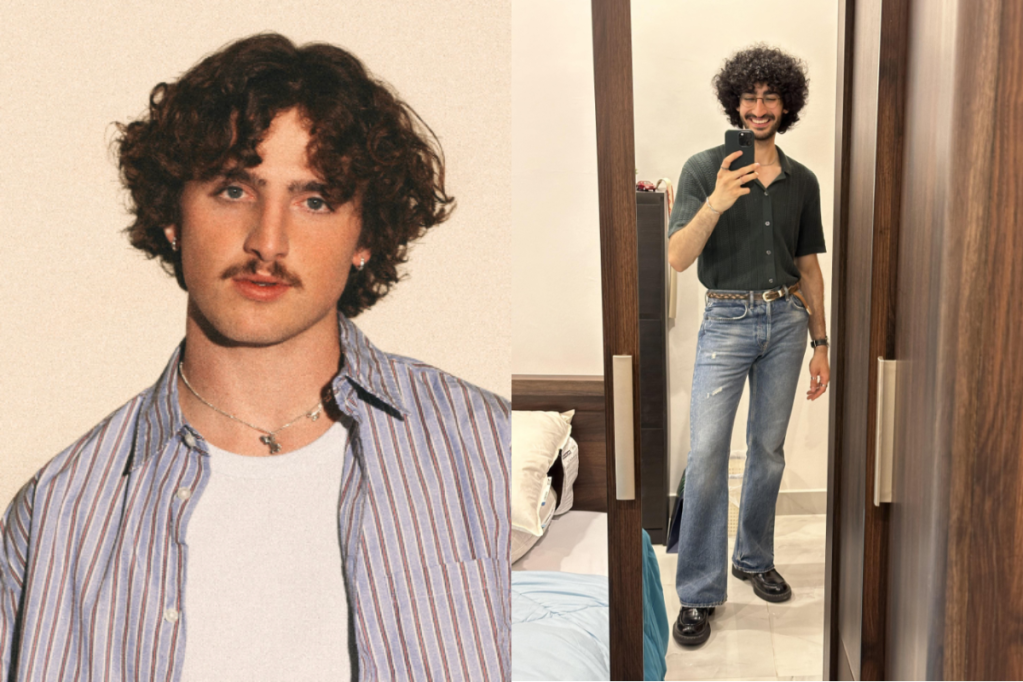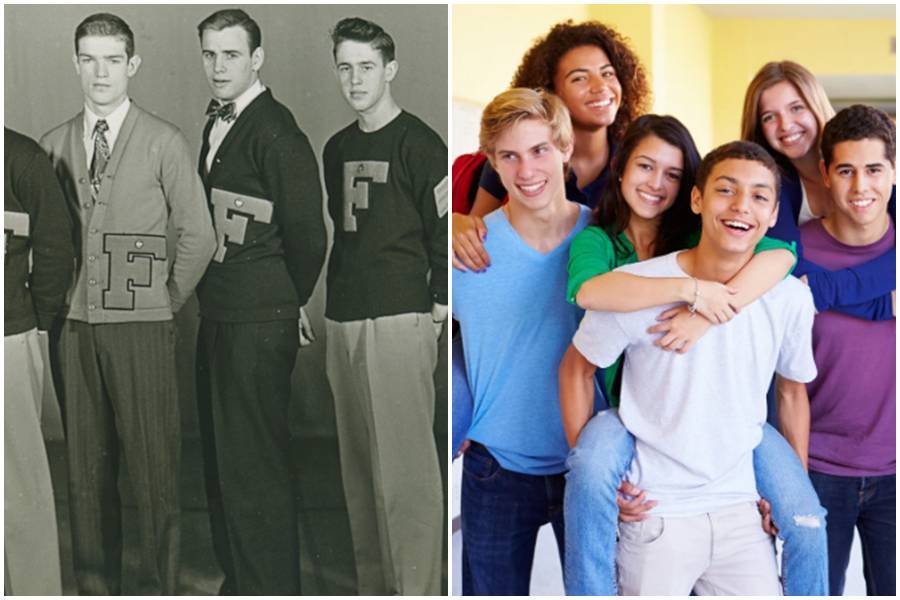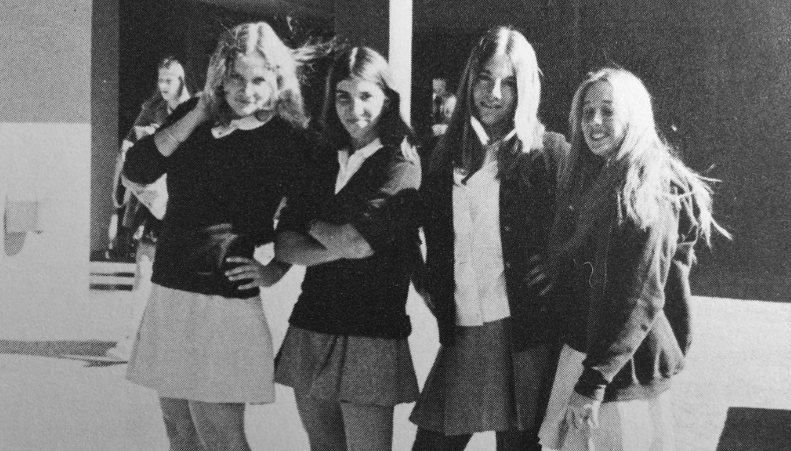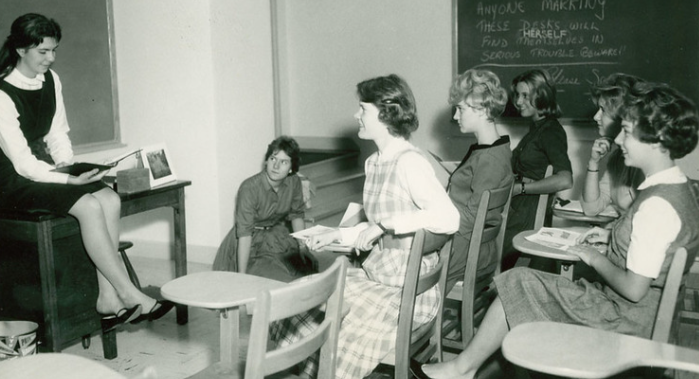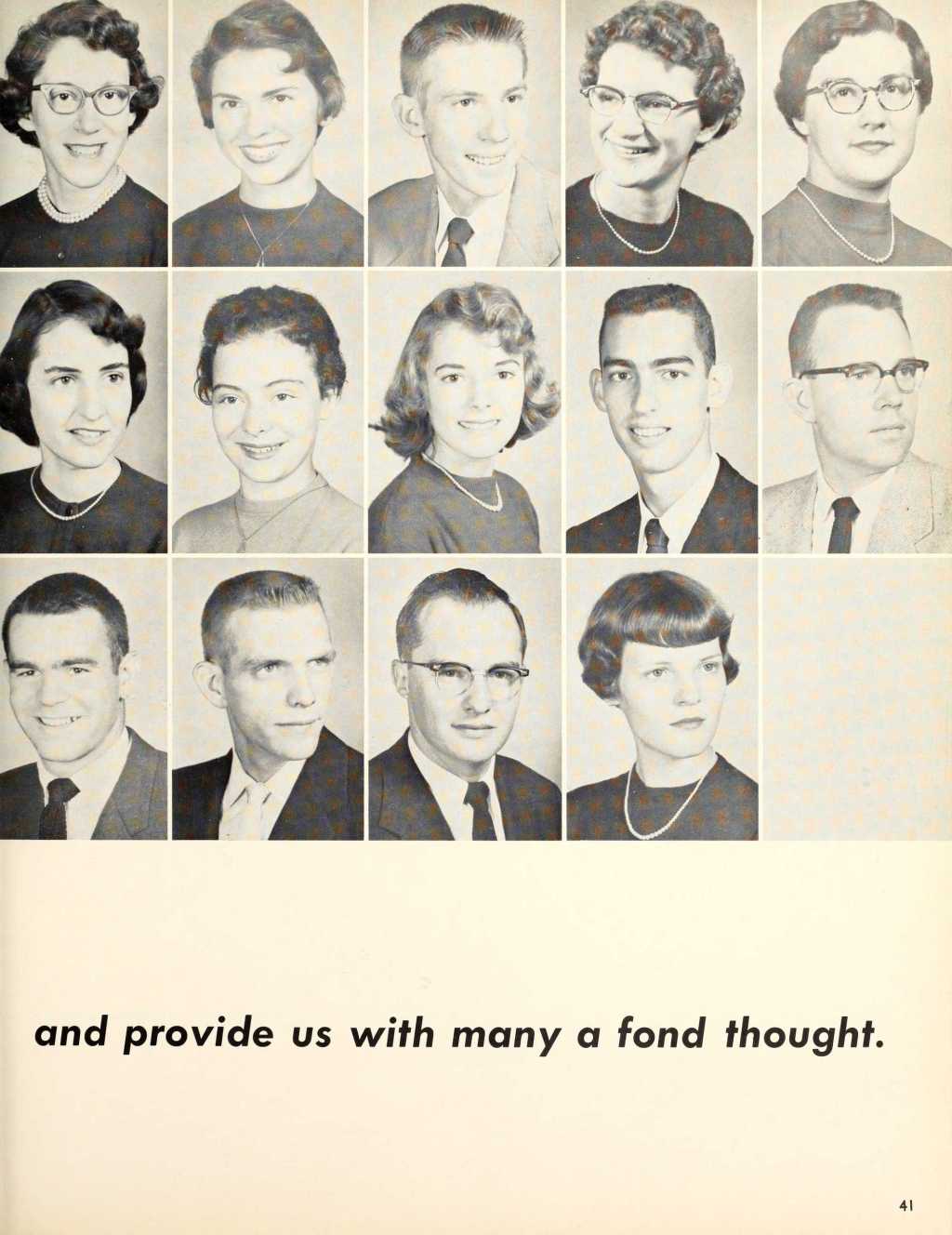
Ever look through your parents’ high school yearbook and all the teenagers look like they are 35 years old? When you think about how teenagers look today, the difference is striking. But why? Did people grow up much faster back in the day, or is there something else at play?
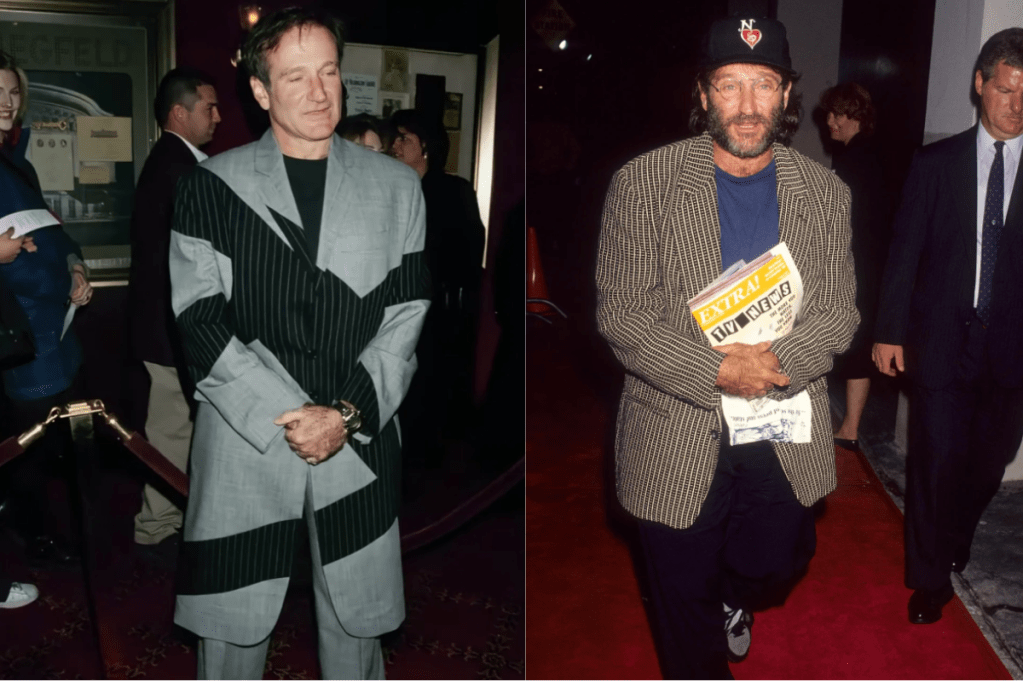
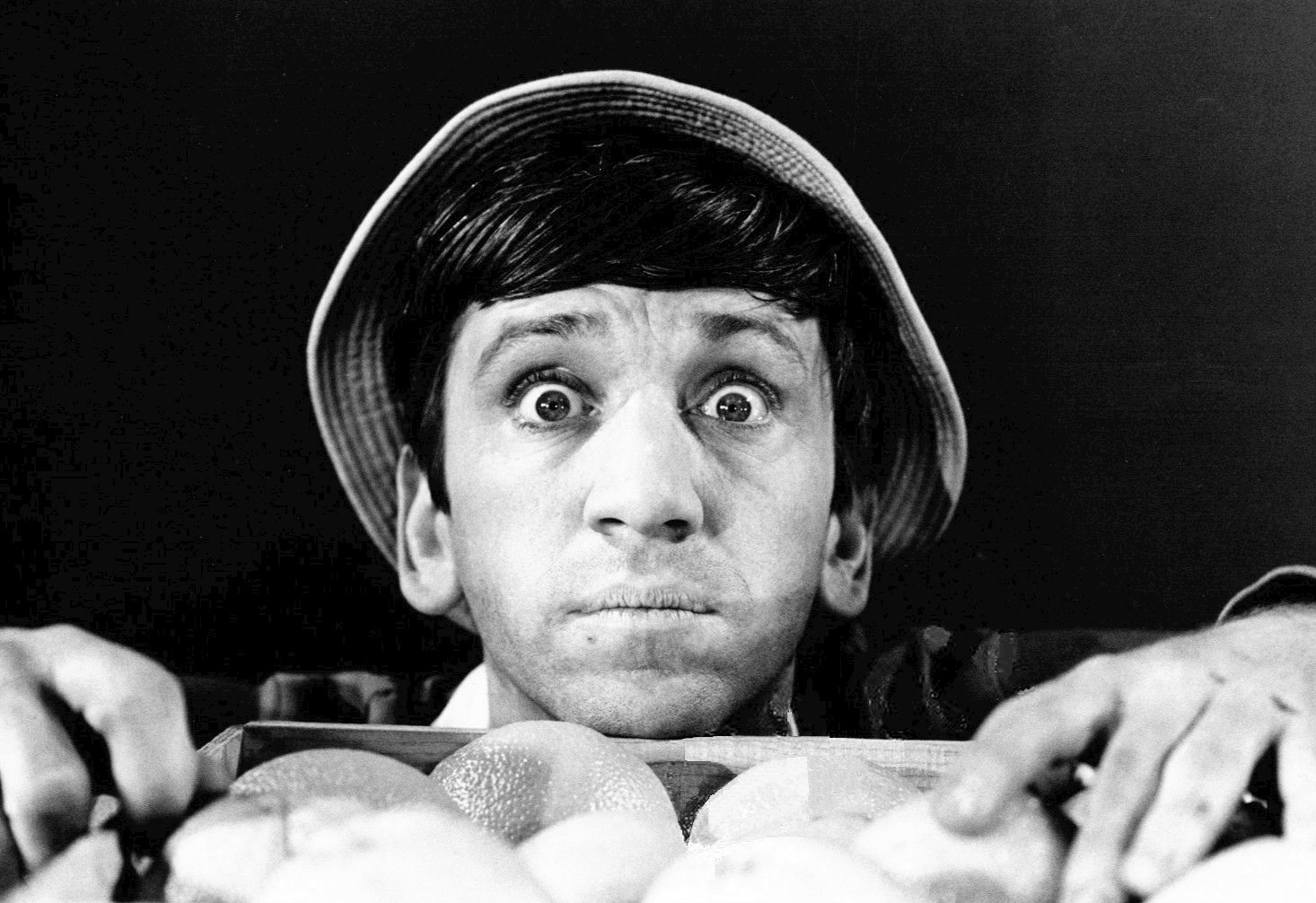
If you look back to the 1980s, there’s a clear difference between actors Paul Rudd and Wilford Brimley at 50.
Sure, that’s a cherry-picked, extreme version of the difference in how people age, but it does support the idea that just a few decades ago, people aged much faster.
In a recent video, the folks at Recollection Road did a deep dive into why your average high school junior in 1958 looked like a 55-year-old bank manager, and they found seven reasons. They were a mix of environmental and cultural factors that boiled down to one central point: people are much healthier these days.
1. Smoking
“Cigarettes were everywhere: in diners, in offices, even on airplanes. In the 1950s, it wasn’t unusual to see a mother with a baby in one arm and a cigarette in the other. High school kids would light up behind the gym, and by adulthood, many were chain smokers.”
A Gallup poll found that in 1954, 45% of U.S. adults smoked cigarettes at least once a week. Compare this with 2024, when only 11% of Americans smoked a cigarette in the previous week.
2. Sun exposure
“Back in the 1960s and 1970s, a summer tan wasn’t just fashionable, it was almost required. People slathered on baby oil, laid out under the blazing sun, and cooked. There was no SPF 50. In fact, lotion was designed to help you burn faster for a deeper tan. Families on vacation didn’t think twice about spending hours on the beach with no shade. By the time they were in their 30s or 40s, the sun had also carved wrinkles and dark spots into their skin.”
3. Fashion
“Think about old photos of your parents or grandparents. A 25-year-old man in 1948 was often dressed in a suit and tie, maybe even a fedora. A young woman might be wearing a conservative dress and practical shoes. By modern standards, those styles look more grown-up, more like something we’d expect from someone middle-aged.”
4. Life was harder
“Someone who grew up during the Great Depression often started working as a teenager to help put food on the table. A lot of young men were drafted into World War II or Vietnam before they were even old enough to legally drink. That kind of responsibility leaves its mark. … Even women carried heavy burdens. In the 1950s, a young mother might have had three or four kids by the time she was 25, while also running a household without modern conveniences like microwaves or dishwashers.”
5. Drinking
“Having a three martini lunch was common in the business world of the 1960s. Beer was practically considered a food group in some households. Combine that with less knowledge about exercise and health, and you can see why bodies wore down faster, giving people an older appearance earlier in life.”
There has been a sharp decline in the number of Americans who consume alcohol. In 1971, 71% of Americans had the occasional drink, but that number dropped to 54% in 2025. The decline in drinking is attributed to concerns over alcohol’s effect on health and a decrease in consumption amongst younger people.
6. Cultural expectations
“By their mid-20s, most people in the 1950s and ‘60s were married, raising children, and working full-time jobs. Life was about responsibility, not self-expression. They dressed older, behaved older, and carried themselves as adults.”
7. Testosterone
“Studies show that the average testosterone has been steadily declining for decades. Men in the 1950s and ‘60s often had higher natural testosterone than men today, which gave them more muscle mass, broader builds, and in some cases, more facial hair. While that might sound like it would make them look younger, it often had the opposite effect. The heavy brows, thick body hair, and rugged features made young men look tougher, older, and more weathered than their actual age.”