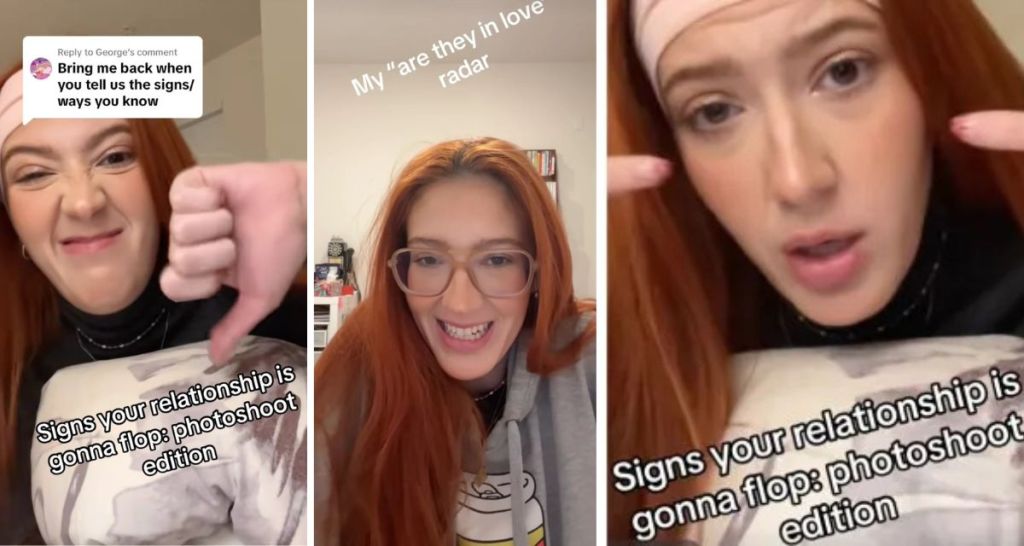
After years of photographing soon-to-be-marriedcouples, wedding photographer Ona Vicente says she can spot the “surefire” signs a relationship won’t last simply by going off the “vibes” of the photoshoot.
“You spend enough time with couples, you develop a spidey-sense,” she says in a TikTok video.
These red flags include: being dressed to go to “two completely different places,” when one spouse refuses to take off a piece of clothing (a coat, for example) for at least one shot, having constant arguments over “small stuff,” making fun of each other “in a mean way,” and getting verbally or physically aggressive.
What do these “red flags”mean?
All of these signs point to an unhealthy communication dynamic, which can undermine one of the most important keys to a lasting relationship: healthy communication. After all, Dr. John Gottman, a renowned relationship researcher, has famously said he can predict with over 90% accuracy whether couples will stay together or divorce simply by analyzing their communication patterns.
As psychotherapist Eliza Davis explains, couples who have healthy communication can “navigate misunderstandings” and high-pressure situations, such as a wedding shoot, because they know how to “repair” after conflict. In one of Vicente’s scenarios, that might look like instantly knowing to apologize and reset the tone after saying something snippy.
Cheryl Groskopf, an anxiety and trauma therapist, points out that even healthy couples may find themselves acting more hostile toward one another in “emotionally loaded environments.”
“Stress isn’t personal,” she tells Upworthy. “When people are overwhelmed, the brain shifts into survival mode. The prefrontal cortex, aka the part responsible for patience and thoughtful communication, gets quieter, while the threat-detection system gets louder. That’s why someone might sound sharper than usual or seem short-tempered. It’s often physiology, not intention.”
That said, couples can help mitigate these tiffs by building in “small regulation moments,” suggests Groskopf.
“When the schedule is packed, people forget to pause,” she adds. “Even something as simple as stepping aside together for a few breaths, holding hands for a moment, or sharing a quick joke can reset the nervous system. These micropauses help your body move out of stress mode and back toward connection.”
In a subsequent video, Vicente shares that she’s seen plenty of “green flags” during her shoots as well, like reassuring one another during bouts of awkwardness, expressing the same level of enthusiasm while sharing their love story, being able to laugh with one another, and generally being on the “same page.”
Vicente says couples who don’t display these traits shouldn’t consider themselves doomed; she was merely reflecting on patterns she’s witnessed. This is also reflected in how experts assess the health of a relationship—by looking at what patterns emerge. How often do bids for connection get recognized? What is the positivity-to-negativity ratio? Does feedback tend to result in curiosity or contempt?
Moral of the story
No two people are perfect, and therefore no relationship is going to be perfect. But what really matters is how the two prioritize their connection with one another throughout all the inevitable twists and turns of life.
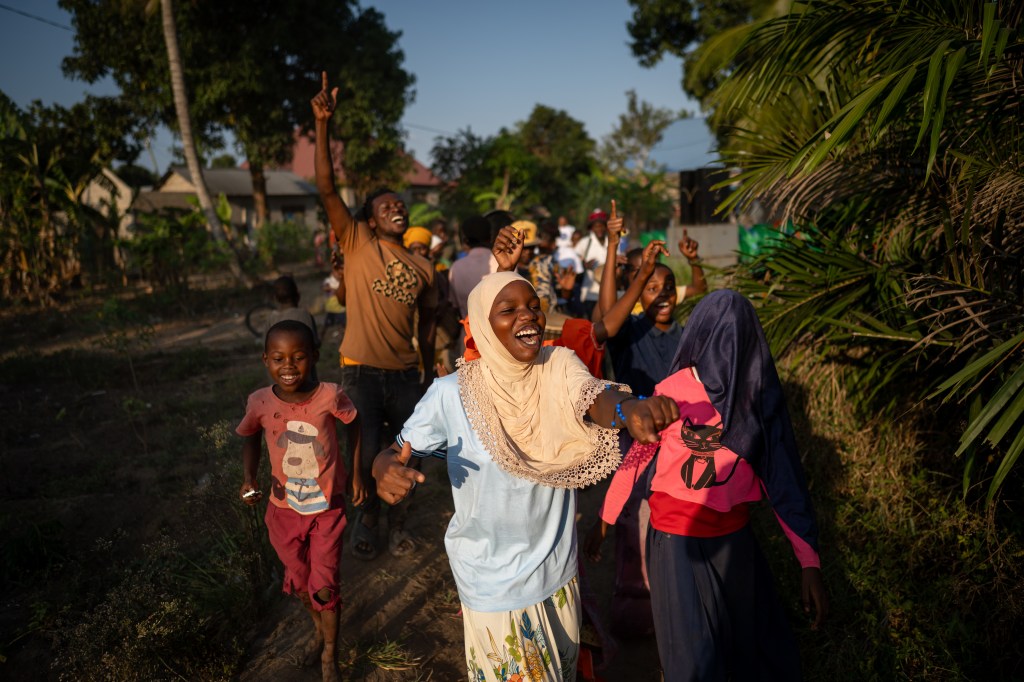
In a small village in Pwani, a district on Tanzania’s coast, a massive dance party is coming to a close. For the past two hours, locals have paraded through the village streets, singing and beating ngombe drums; now, in a large clearing, a woman named Sheilla motions for everyone to sit facing a large projector screen. A film premiere is about to begin.
It’s an unusual way to kick off a film about gender bias, inequality, early marriage, and other barriers that prevent girls from accessing education in Tanzania. But in Pwani and beyond, local organizations supported by Malala Fund and funded by Pura are finding creative, culturally relevant ways like this one to capture people’s interest.
The film ends and Sheilla, the Communications and Partnership Lead for Media for Development and Advocacy (MEDEA), stands in front of the crowd once again, asking the audience to reflect: What did you think about the film? How did it relate to your own experience? What can we learn?
Sheilla explains that, once the community sees the film, “It brings out conversations within themselves, reflective conversations.” The resonance and immediate action create a ripple effect of change.
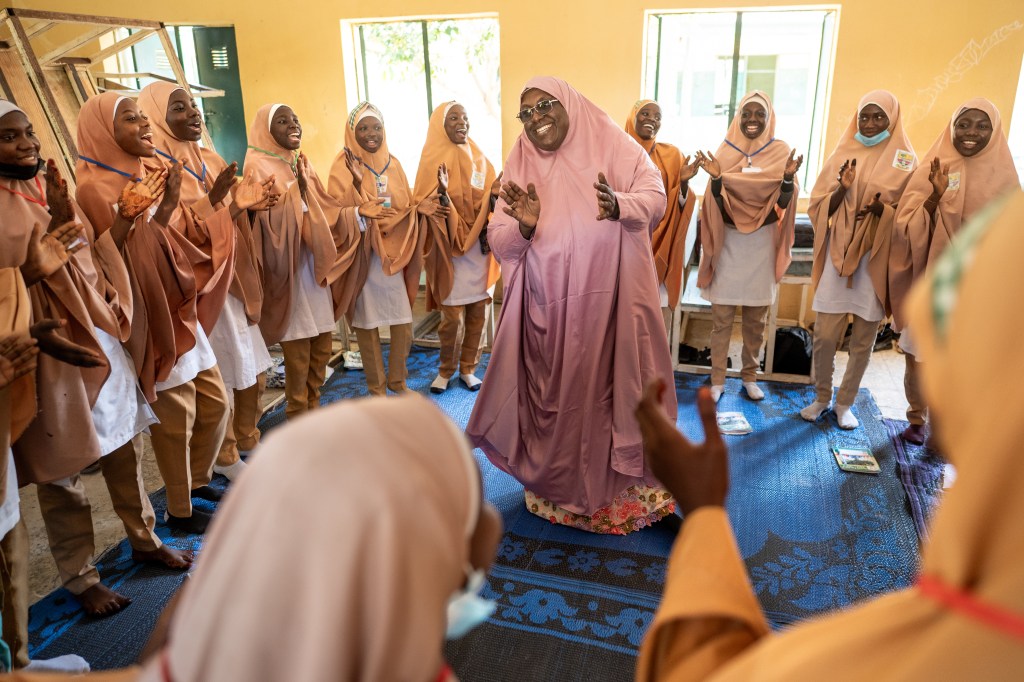
MEDEA Screening Audience in Tanzania. Captured by James Roh for Pura
Across Tanzania, gender-based violence often forces adolescent girls out of the classroom. This and other barriers — including child marriage, poverty, conflict, and discrimination — prevent girls from completing their education around the world.
Sheilla and her team are using film and radio programs to address the challenges girls face in their communities. MEDEA’s ultimate goal is to affirm education as a fundamental right for everyone, and to ensure that every member of a community understands how girls’ education contributes to a stronger whole and how to be an ally for their sisters, daughters, granddaughters, friends, nieces, and girlfriends.
Sheilla’s story is one of many that inspired Heart on Fire, a new fragrance from the Pura x Malala Fund Collection that blends the warm, earthy spices of Tanzania with a playful, joyful twist. Here’s how Pura is using scent as a tool to connect the world and inspire action.
A partnership focused on local impact, on a global mission
Pura, a fragrance company that recognizes education as both freedom and a human right, has partnered with Malala Fund since 2022. In order to defend every girl’s right to access and complete 12 years of education, Malala Fund partners with local organizations in countries where the educational barriers are the greatest. They invest in locally-led solutions because they know that those who are closest to the problems are best equipped to solve and build durable solutions, like MEDEA, which works with communities to challenge discrimination against girls and change beliefs about their education.
But local initiatives can thrive and scale more powerfully with global support, which is why Pura is using their own superpower, the power of scent, to connect people around the world with the women and girls in these local communities.
The Pura x Malala Fund Collection incorporates ingredients naturally found in Tanzania, Nigeria, Pakistan, and Brazil: countries where Malala Fund operates to address systemic education barriers. Eight percent of net revenue from the Pura x Malala Fund Collection will be donated to Malala Fund directly, but beyond financial support, the Collection is also a love letter to each unique community, blending notes like lemon, jasmine, cedarwood, and clove to transport people, ignite their senses, and help them draw inspiration and hope from the global movement for girls’ education. Through scent, people can connect to the courage, joy, and tenacity of girls and local leaders, all while uniting in a shared commitment to education: the belief that supporting girls’ rights in one community benefits all of us, everywhere.
You’ve already met Sheilla. Now see how Naiara and Mama Habiba are building unique solutions to ensure every girl can learn freely and dare to dream.
Naiara Leite is reimagining what’s possible in Brazil
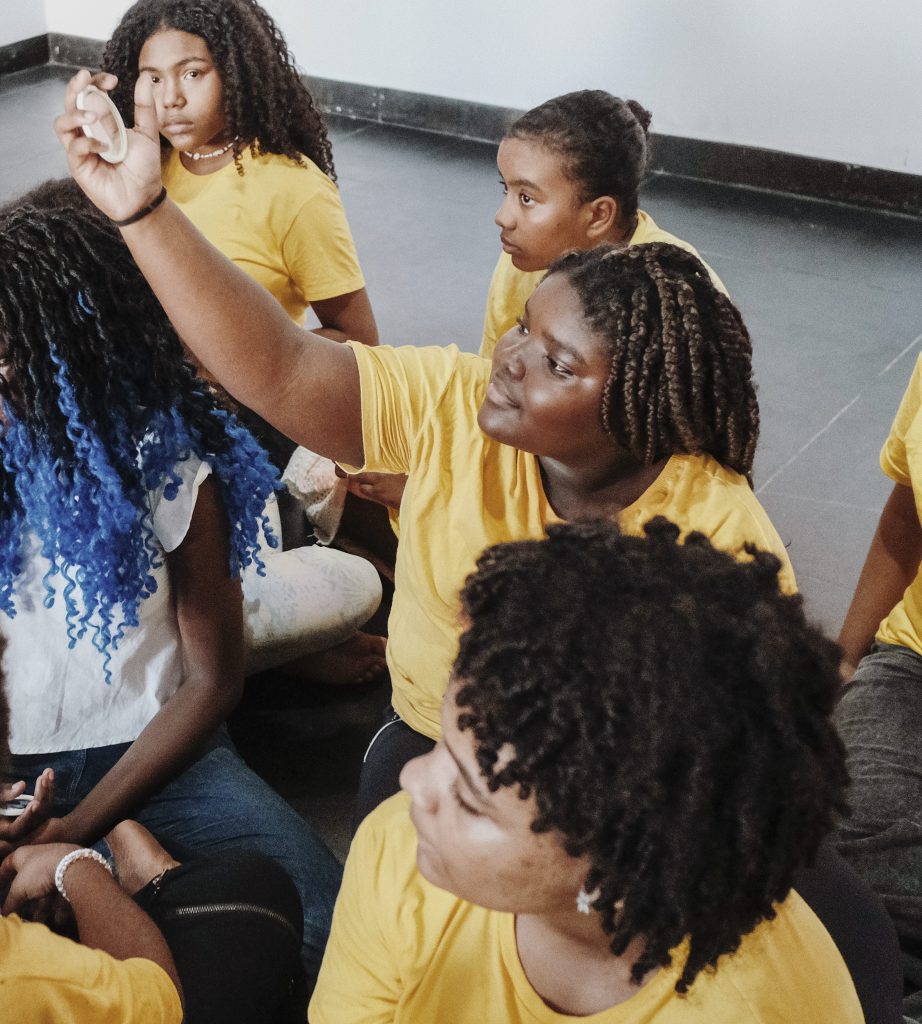
Julia with Odara in Brazil. Captured by Luisa Dorr for Pura
In Brazil, where pear trees and coconut plantations cover the Northeastern Coast, girls like ten-year-old Julia experience a different kind of educational barrier than girls in Tanzania. Too often, racial discrimination contributes to high dropout rates among Black, quilombola and Indigenous girls in the country.
“In the logic of Brazilian society, Black people don’t need to study,” says Naiara Leite, Executive Coordinator of Odara, a women-led organization and Malala Fund partner. Bahia, the state where Odara is based, was once one of the largest slave-receiving territories in the Americas, and because of that history, deeply-ingrained, anti-Black prejudice is still widespread. “Our role and the image constructed around us is one of manual labor,” Naiara says.
But education can change that. In 2020, with assistance from a Malala Fund grant, Odara launched its first initiative for improving school completion rates among Black, quilombola, and Indigenous girls: “Ayomidê Odara”. The young girls mentored under the program, including Julia, are known as the Ayomidês. And like the Pura x Malala Fund Collection’s Brazil: Breath of Courage scent, the Ayomidês are fierce, determined, and bursting with energy.
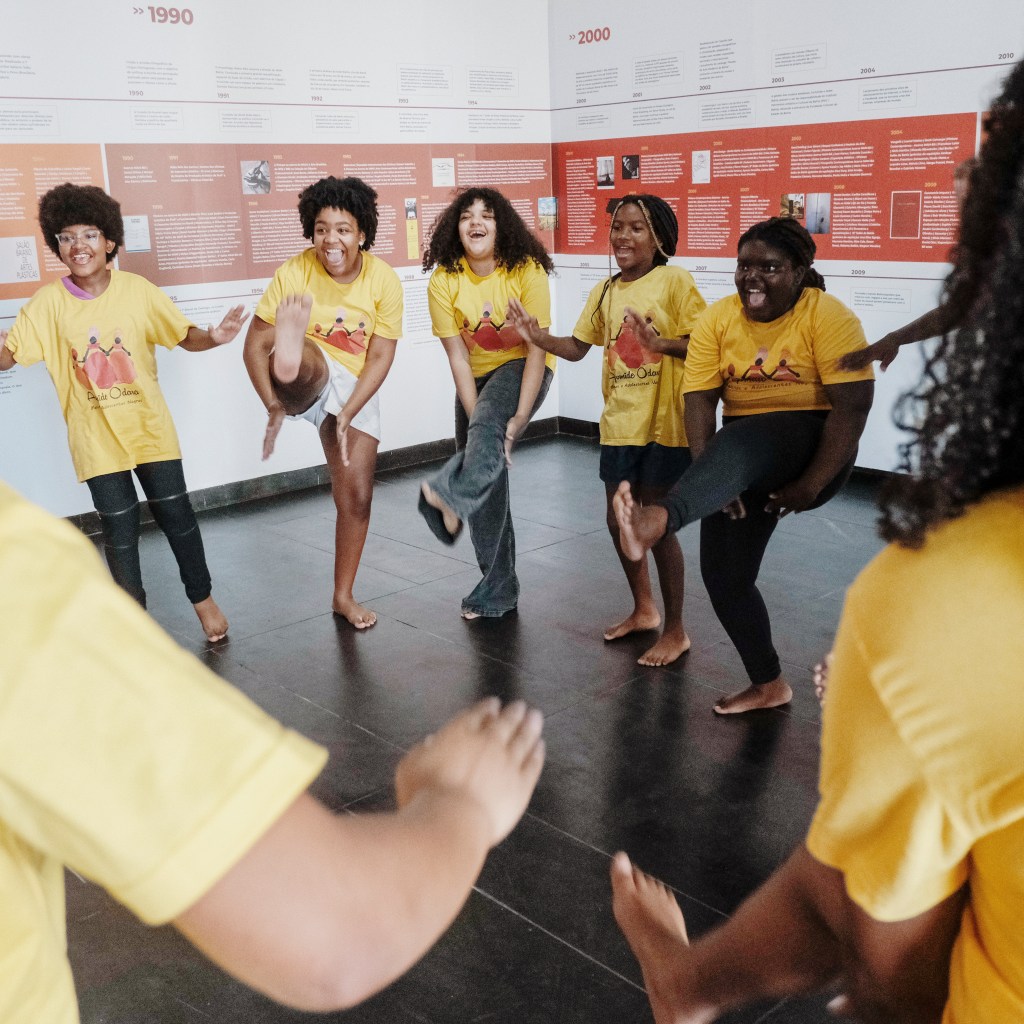
Ayomidês with Odara in Brazil. Captured by Luisa Dorr for Pura
Ayomidês take part in weekly educational sessions where they explore subjects like education and ethnic-racial relations. The girls are encouraged to find their own voices by producing Instagram lives, social media videos, and by participating in public panels. Already, the Ayomidês are rewriting the narrative on what’s possible for Afro-Brazilian girls to achieve. One of the earliest Ayomidês, a young woman named Debora, is now a communications intern. Another former Ayomidê, Francine, works at UNICEF, helping train the next generation of adolescent leaders. And Julia has already set her sights on becoming a math teacher or a model.
“These are generations of Black women who did not have access to a school,” Naiara says. “These are generations of Black women robbed daily of their dreams. And we’re telling them that they could be the generation in their family to write a new story.”
Mama Habiba is reframing the conversation in Nigeria
Centre for Girls' Education, Nigeria. Captured by James Roh for Pura
In Mama Habiba’s home country of Nigeria, the scents of starfruit, ylang ylang and pineapple, all incorporated into the Pura x Malala Collection’s “Nigeria: Hope for Tomorrow,” can be found throughout the vibrant markets. Like these native scents, Mama Habiba says that the Nigerian girls are also bright and passionate, but too often they are forced to leave school long before their potential fully blooms.
“Some of these schools are very far, and there is an issue of quality, too,” Mama Habiba says. “Most parents find out when their children are in school, the girls are not learning. So why allow them to continue?”
When girls drop out of secondary school, marriage is often the alternative. In Nigeria, one in three girls is married before the age of 18. When this happens, girls are unable to fulfill their potential, and their families and communities lose out on the social, health and economic benefits.
Completing secondary school delays marriage, and according to UNESCO, educated girls become women who raise healthier children, lift their families out of poverty and contribute to more peaceful, resilient communities.
Centre for Girls’ Education, Nigeria. Captured by James Roh for Pura
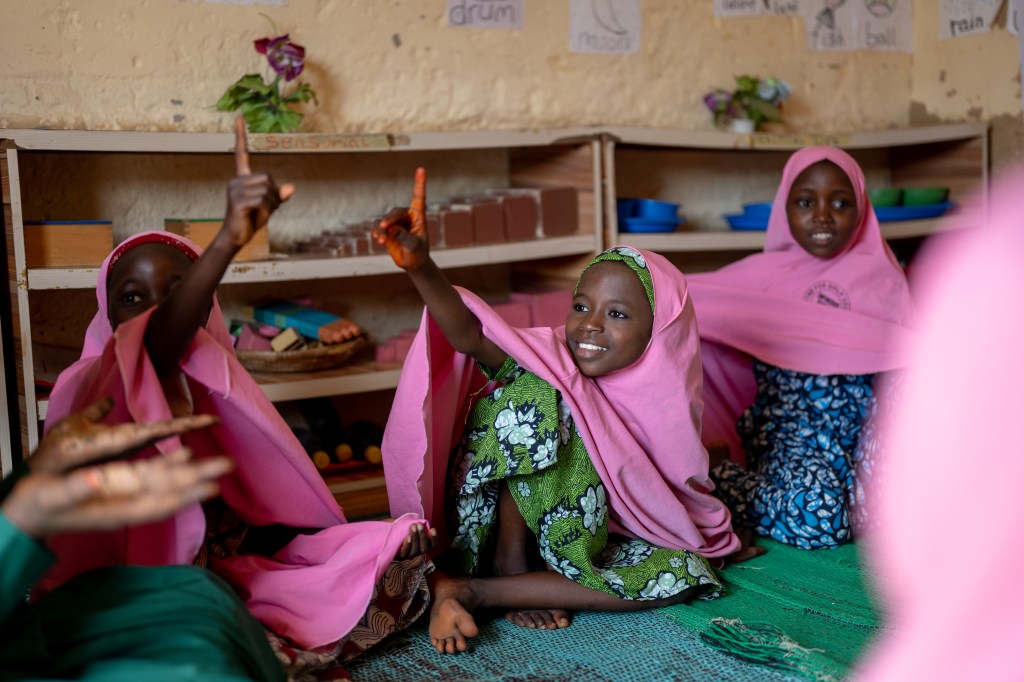
To encourage young girls to stay in school, the Centre for Girls’ Education, a nonprofit in Nigeria founded by Mama Habiba and supported by Malala Fund and Pura, has pioneered an initiative that’s similar to the Ayomidê workshops in Brazil: safe spaces. Here, girls meet regularly to learn literacy, numeracy, and other issues like reproductive health. These safe spaces also provide an opportunity for the girls to role-play and learn to advocate for themselves, develop their self-image, and practice conversations with others about their values, education being one of them. In safe spaces, Mama Habiba says, girls start to understand “who she is, and that she is a girl who has value. She has the right to negotiate with her parents on what she really feels or wants.”
“When girls are educated, they can unlock so many opportunities,” Mama Habiba says. “It will help the economy of the country. It will boost so many opportunities for the country. If they are given the opportunity, I think the sky is not the limit. It is the starting point for every girl.”
From parades, film screenings to safe spaces and educational programs, girls and local leaders are working hard to strengthen the quality, safety and accessibility of education and overcome systemic challenges. They are encouraging courageous behavior and reminding us all that education is freedom.
Experience the Pura x Malala Fund Collection here, and connect with the stories of real girls leading change across the globe.
She wasn’t hard to please. She ate almost everything, loved most cuisines, and was perfectly comfortable sitting across from someone who ordered a drink with dinner. She had exactly two requests for a second date: somewhere that served food she could eat, and somewhere that wasn’t a bar. That’s it.
He picked two bars.
The story, shared in late January 2026 by Reddit user u/EquivalentOk6093, has been circulating widely because so many people recognize exactly what happened here. The 28-year-old woman had met a 38-year-old man through a dating app. Their first date went well enough, over coffee, and when they started planning a follow-up dinner, he offered to handle the reservations. She told him what he needed to know: she avoided red meat for health reasons, and she was a recovering alcoholic with nearly two years of sobriety. She wouldn’t be drinking. She was clear that she didn’t mind if he ordered something, but alcohol wasn’t on the table for her.
The night before the planned date, he sent over his choices. The first was a cocktail lounge she’d never heard of. She looked it up. The menu offered a meat and cheese board, a pepperoni pizza, a burger, and a cheese pizza. One option she could eat. He then suggested they cap the evening at a nearby art-themed bar for a nightcap. Two venues. Both bars. No food she could meaningfully eat at either. No acknowledgment of anything she’d told him.
“At that point, I was honestly pretty thoroughly confused,” she wrote in her post.
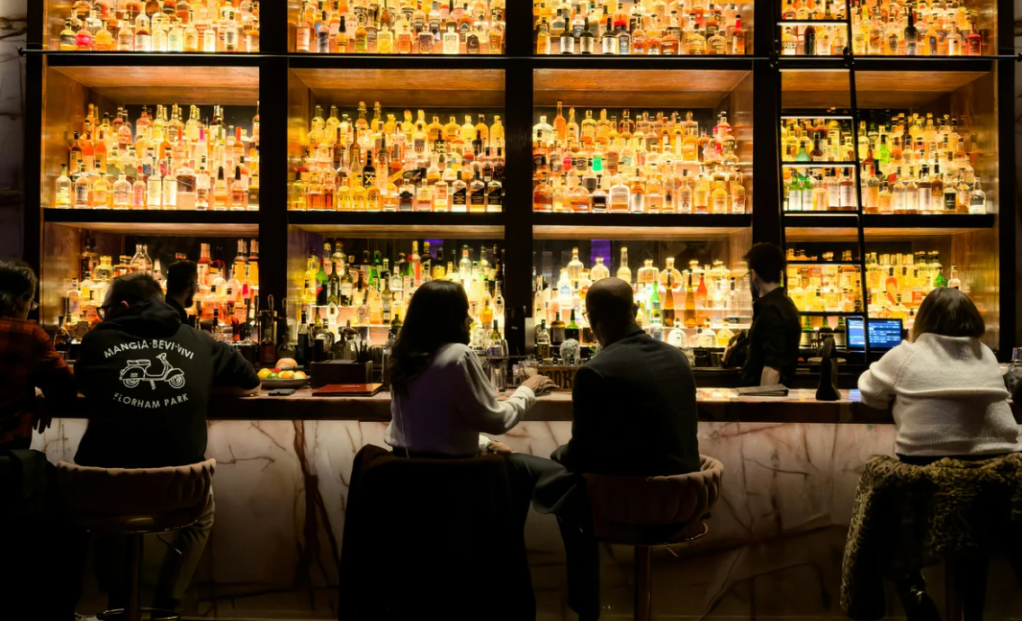
Patrons enjoy a drink at a fancy bar. Photo credit: Canva
She canceled. His response: “We’ll leave it at that.”
What made her story resonate with so many readers wasn’t the canceled date itself. It was her reasoning. She wasn’t angry, exactly. She was paying attention. A city full of restaurants, two stated needs, and he’d come back with two bars. To her, that gap between what she’d shared and what he’d planned felt less like an oversight and more like a signal. “I could tell he wasn’t testing my sobriety,” she clarified, “but he was kind of testing my willingness to put his preferences ahead of my own needs.” She doubted herself afterward, as many people do when they hold a line. But she came back to the same conclusion.
For people in recovery, the nuances of dating are genuinely complicated. Having to explain sobriety to a relative stranger, to distinguish between “I’m sober” and “I need you to change everything about your social life,” and to figure out whether someone’s choice of venue reflects carelessness or something more revealing, is exhausting work that doesn’t come up in most dating advice. As alcohol rehab resource AlcoholRehabHelp.org notes, experts recommend having authentic conversations about sobriety early, precisely so both people can figure out quickly whether they’re actually compatible.
The woman who posted this story wasn’t looking for someone to stop drinking on her behalf. She was looking for someone who listened. She mentioned in her post that her life was already full: a small business she’d built herself, good friends, hobbies she loved, her own home. “I am in no rush to settle down, especially for the wrong person,” she wrote.
The Reddit response was largely in her corner. Commenters pointed out that the bar selection wasn’t just inconsiderate; it also left her, practically speaking, with almost nothing to eat. A cheese pizza is not a dinner. The man’s terse sign-off, those four words, “We’ll leave it at that,” didn’t help his case.
Two simple needs. Hundreds of restaurants to choose from. And the two places he picked happened to be the two kinds of places she’d implicitly ruled out the week before. Sometimes a date doesn’t work out because of bad luck or mismatched chemistry. Sometimes the restaurant choices really do say it all.
The world really doesn’t need to see any more hostile run-ins between people of different races. Of course, racism and hatred are very real issues, and ones that we must discuss in order to make progress. But with all the coverage of people behaving badly flooding our awareness through the media and online, it can be easy to write off humanity entirely. To believe that the world is inherently a divisive, dangerous, and ultimately declining place to live. When in reality, not everything is so bleak.
That’s what makes sharing this story so important.
In December of 2023, a Black woman named Jo’lee Shine was stuck in her overheated car in front of a stranger’s house, waiting for a tow truck to arrive.
When a white man, the homeowner, began approaching her, Jo’lee immediately started recording the interaction. And thank goodness she did, because this was a moment worth immortalizing.
“I’m so sorry, my car ran hot,” she says in the clip, and begins trying to start the car to prove her situation.
And then, in the sweetest southern accent you ever heard, we hear “don’t try to crank it baby.”
We then hear him offer to put water in the car, made sure Jo’lee had coming to pick her up, and then…wait for it…asked if she wanted lunch.
“We’ll be eating lunch shortly. While we wait on [the tow truck] if we get everything set up I’ll come get you and we’ll have dinner,” he says.
This brings Jo’lee to instant tears. “That was so sweet,” she whimpers.
With a chuckle, the man replies, “that’s the way we are.” he then shared how he just had 22 people over at his house the night before for “a family gathering.”
Jo’lee declines the lunch offer, but profusely thanks the kind stranger as she wipes the tears that continue to fall. Just before he goes, the man says that he’ll check back in, joking that the tow truck “might be delayed” and she might change her mind.
In her caption, Jo’lee wrote, “I wasn’t going to post this, but I wanted people to know that they’re still good people in this world.”
Seems like that mission was accomplished. The video, which has gotten over 176,000 likes on Instagram, gave everyone a little dose of hope. Just take a look at some of these lovely comments:
“This is who we are…it sucks that movies have put fear in people to that level. That makes me sad that there’s fear and division keeping us all from sharing love that I KNOW is in all of us.”
“The media works to divide us, don’t believe their lies. We love all people.. God Bless.”
“I’ll come get you when we get dinner on the table?!!” ❤️ ❤️ ❤️ ”
“The way he called you baby without a mean tone in his soul.”
“This renews my faith in humanity. He tried to help her without any thought of race.”
“Just when we think humanity has died, this happens ♥️. Human kindness for the win.”
Indeed, the world has its’ Karens…and even worse characters. But it also has people who invite strangers to dinner, just because it’s a nice thing to do…because it’s the “way they are.” It’s the way a lot of us are, when we let ourselves be.
This article originally appeared two years ago. It has been updated.
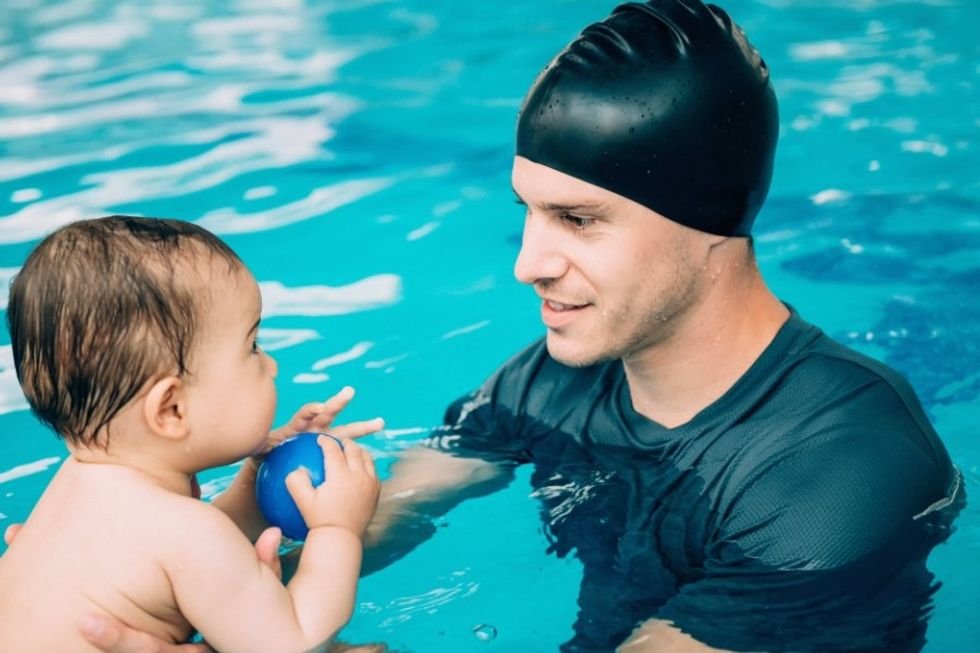
Swim coach Jason Siegel navigated a moment with an affectionate toddler using wise, quick thinking. – Photo credit: Courtesy of men_being_gentlemen and superheroswimacademy/Instagram
People who work with children—teachers, coaches, mentors—are often beloved by the kids they serve, especially if they’re good at what they do. Those caring adult relationships are important in a child’s life, but they can also lead to some awkward situations as kids learn appropriate ways to show affection to different people. A baby might cover their mother’s face with slobbery kisses, but other adults may not appreciate that very much. As kids grow, they learn what’s okay and not okay, not just from their parents but from the village of adults in their lives as well.
A perfect example of what that looks like was shared in a video showing a swim instructor at the end of a swim lesson with a toddler who hugged him and then went in for a kiss. The hug was expected and welcome—”Thank you, Mila. I love Mila hugs!” the swim coach said. But when she started to go in for a kiss, he immediately pulled back, gently saying, “No, no kissy. No kissy ’cause I’m coach. You only kiss Mommy and Daddy, okay?”
The little girl looked a bit dejected and started to cry, and he quickly gave her an acceptable alternative. “Okay, hey! High five!” he said, while holding up his hand. “High five ’cause we’re all done!” She calmed right down, gave him a high five, and then he moved on to clean-up time.
His expression at the end of the video says it all—he knew that was a teachable moment that could have gone very wrong, but he handled it with clear professionalism and toddler-friendly expertise. People loved seeing such a great example:
“So sweet… I sometimes have young clients who want to give kisses and it’s so cute but you do have to tell them “no” because it’s an important boundary to learn. Not everyone wants kisses!”
“On top of knowing not to do it to other people, it also teaches them for themselves that other people shouldn’t be just giving them kisses.”
“The kid is absolutely adorable but that coach is on another level. Creating the boundaries while keeping it cool and recording the whole thing so the parents are extremely comfortable. Dude is setting a hell of example.”
“It sounds like he’s got a good balance between encouraging her growth and setting appropriate boundaries. Kids can be incredibly affectionate, and it’s important to gently guide them in understanding what’s suitable.”
“I also think it’s important for the parents’ comfort that a grown man swimming with their young girl isn’t overstepping boundaries/being predatory. From the outside looking in, it’s hard to know for sure when something is innocent or not. It’s better to just stay away from those situations as a whole.”
“The little girls I used to babysit always tried to give me kisses (they were between 2-5) and I had to tell them that I’m not related to you, so you can’t kiss me. You can hi-five or hug me, but no kisses! They still give me running tackle hugs when they see me!”
A few commenters pointed out that some cultures see kissing as totally acceptable, as it’s frequently used as a friendly greeting for people of all ages and genders. But even in those cultures, boundaries based on relationships and contexts are important to learn, and it’s helpful when adults help teach those lessons so it doesn’t all fall on the parents.
In an article titled “Teaching Kids About Boundaries: Why empathy and self awareness play a major role,” Child Mind Institute includes a helpful video about teaching boundaries to children, and it confirms that the coach handled things in exactly the right way. In a section entitled “Rules work both ways,” the institute notes that when people model their boundaries, it’s important for children to empathetically listen. “People are in charge of their own bodies,” writes Rae Jacobson, author of the article and senior editor at the Child Mind Institute, “and it’s not okay to touch them if they don’t want you to, just like it’s not okay for someone to touch [you] in a way you don’t like.” By calmly modeling his boundaries, the swim coach gave his young swimmer a gentle but clear message about what was and was not okay and embodied both empathy and autonomy for her in a way she can understand and mirror when she’s older.
Well done, Coach. Thanks for giving us all such a fabulous example to follow.
This article originally appeared in January. It has been updated.
People who work with children—teachers, coaches, mentors—are often beloved by the kids they serve, especially if they’re good at what they do. Those caring adult relationships are important in a child’s life, but they can also lead to some awkward situations as kids learn appropriate ways to show affection to different people. A baby might cover their mother’s face with slobbery kisses, but other adults may not appreciate that very much. As kids grow, they learn what’s okay and not okay, not just from their parents but from the village of adults in their lives as well.
A perfect example of what that looks like was shared in a video showing a swim instructor at the end of a swim lesson with a toddler who hugged him and then went in for a kiss. The hug was expected and welcome—”Thank you, Mila. I love Mila hugs!” the swim coach said. But when she started to go in for a kiss, he immediately pulled back, gently saying, “No, no kissy. No kissy ’cause I’m coach. You only kiss Mommy and Daddy, okay?”
The little girl looked a bit dejected and started to cry, and he quickly gave her an acceptable alternative. “Okay, hey! High five!” he said, while holding up his hand. “High five ’cause we’re all done!” She calmed right down, gave him a high five, and then he moved on to clean-up time.
His expression at the end of the video says it all—he knew that was a teachable moment that could have gone very wrong, but he handled it with clear professionalism and toddler-friendly expertise. People loved seeing such a great example:
“So sweet… I sometimes have young clients who want to give kisses and it’s so cute but you do have to tell them “no” because it’s an important boundary to learn. Not everyone wants kisses!”
“On top of knowing not to do it to other people, it also teaches them for themselves that other people shouldn’t be just giving them kisses.”
“The kid is absolutely adorable but that coach is on another level. Creating the boundaries while keeping it cool and recording the whole thing so the parents are extremely comfortable. Dude is setting a hell of example.”
“It sounds like he’s got a good balance between encouraging her growth and setting appropriate boundaries. Kids can be incredibly affectionate, and it’s important to gently guide them in understanding what’s suitable.”
“I also think it’s important for the parents’ comfort that a grown man swimming with their young girl isn’t overstepping boundaries/being predatory. From the outside looking in, it’s hard to know for sure when something is innocent or not. It’s better to just stay away from those situations as a whole.”
“The little girls I used to babysit always tried to give me kisses (they were between 2-5) and I had to tell them that I’m not related to you, so you can’t kiss me. You can hi-five or hug me, but no kisses! They still give me running tackle hugs when they see me!”
A few commenters pointed out that some cultures see kissing as totally acceptable, as it’s frequently used as a friendly greeting for people of all ages and genders. But even in those cultures, boundaries based on relationships and contexts are important to learn, and it’s helpful when adults help teach those lessons so it doesn’t all fall on the parents.
Well done, Coach. Thanks for giving us all such a fabulous example to follow.