
Whether you’re a cat person, a dog person, or neither, you likely know that cats have a reputation for being…mmm, particular. Cats like what they like and don’t like what they don’t like, and they expect you to not only know this but to cater to their likes and dislikes without ever having to voice them aloud.
That’s right, there are unspoken rules that cat owners are expected to know and follow. If you own a cat or are around a cat, it’s vital that you understand these rules. It’s like a feline code of law you’re just supposed to intuit or learn by trial and error, but thankfully, our friends at Feline Fanatics have laid them out clearly for us all.
Here are 11 rules that will make your life with your kitty much more pleasant for everyone if you follow them:
1. Don’t stare at them for too long
While gazing into the eyes of your cat might feel like you’re bonding with them, you’re not when the stare goes on too long. Cats are highly visual, and in cat language, holding eye contact is a challenge—an aggressive indicator that you’re down for a fight. “Among cats, even friends don’t hold eye contact,” the video says. “They glance, blink, and move on.” So give your cat a look, but don’t hold their gaze.
2. Let them come to you
If you’ve ever walked up to a cat and tried to pick them up, unless it’s a rare kitty who actually enjoys being manhandled, most cats will not respond positively. They may immediately wriggle out of your grasp and some might scratch or bite. Others may begrudgingly accept their fate, but in general, they prefer to come to you. “Autonomy is their love language,” as the video states. Yep, they want affection, but on their terms.
3. Respect their ‘scent map’
A cat’s scent map is their way of marking territory with their scent by rubbing their cheeks and bodies on items (as well as marking with urine or feces, but hopefully not in your house). This scent marking creates a sense of familiarity and comfort for a cat, and if you mess with that too much, it can make them feel disoriented. Of course, we have to wash things like blankets, pillows, beds, etc., but Feline Fanatics suggests washing things gradually and not all at once so as not to disturb their scent map.
4. Respond to their meows
Cats mostly meow for humans. They sometimes meow at one another, but rarely and mostly as kittens. When they meow, they’re communicating with us in some way, even if we don’t understand what they’re “saying.” Acknowledging their meows tells your cat that you heard them, even if you didn’t understand them.

5. Give them an escape route
In the wild, being trapped means danger, and cats are sensitive to that feeling. They like to know they can get away, so always make sure they have an exit strategy. That might mean leaving a door cracked open or avoiding crowding them. Ironically, if a cat knows they can leave, they’re more likely to stay, so always give them a way to escape.
6. Don’t pet them like a dog
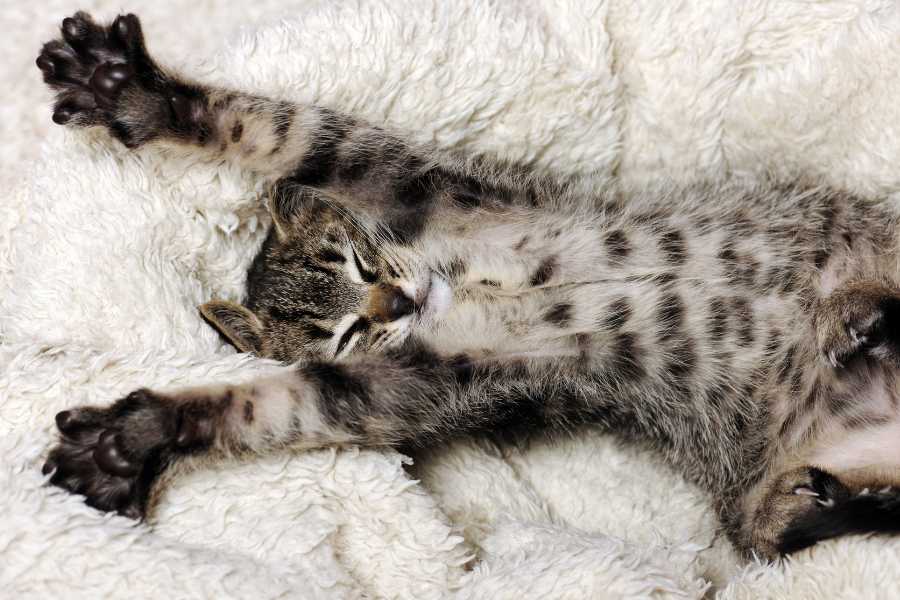
Most cats like affection, but petting a cat is different than petting a dog. Cats don’t usually enjoy heavy strokes or pets that run their whole body. Their favorite petting spots are usually their heads, cheeks, and under the chin. Avoid their bellies unless you’ve really earned their trust, and even then a cat may or may not like their belly touched.

7. Honor the ‘Do Not Disturb’ sign
See a cat loafing on the sofa or curled up in a sun spot on the carpet? Leave them be. Cat naps are sacred and they do not want to be disturbed. (It is tempting, though. A cat sleeping is the kind of cute that begs for cuddles. Resist the urge.)
8. Speak cat body language
Cats communicate far more with their body language than with sounds. A flicking tail means a cat is stimulated, possibly irritated. Purring can be a sign of contentment, but it can also be a signal of stress or pain or a way to self-soothe. Cats knead (or “make biscuits”) for comfort. Showing you their belly can mean they trust you, but it can also be a trap. Watch for patterns to learn what your cat is telling you with their body language.

9. Keep the litter box sacred
Cats don’t love to do their business in front of people or in busy, noisy parts of the house. They also like their toilet to be clean, so keep it scooped daily and change out the litter frequently. Use unscented litter and use an open box if possible (enclosed litter boxes trap odors inside). And have one litter box for each cat in your home, plus one extra.
10. Routine isn’t boring—it’s comfort.
Cats may seem like wild creatures in many ways, but they actually love routine. Too much change to their home environment and regular routine can stress them out, so things like the family going on vacation or getting new furniture can cause stress and anxiety. As the video states, “Cats don’t see routine as boring; they see it as safe.”
11. Quiet is connection
Kitties love sitting silently in the same place with their people. “Cats are masters of presence,” the video says. Cats love quiet companionship, so if they’re sitting silently in the room with you, that’s a form of bonding. Just be with them in the silence and try not to disturb the peace too much.
Following these unspoken rules can help create a comfortable, happy life for our feline friends, even if they can’t tell us that directly. You can follow Feline Fanatics on YouTube for more helpful cat tips.