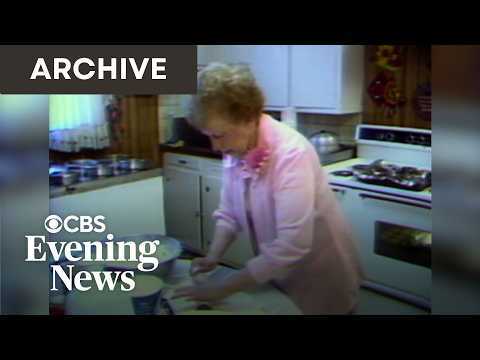
“I didn’t go out in life saying I’m gonna marry a dairy farmer,” Leann Krainick laughs, “but Cupid had other ideas.”
Leann started out her agricultural career creating specific feeds for different farm animals. She met Mike Krainick when the two were introduced by a mutual friend (a bull insemination specialist, no less) and the rest is, well, the rest is our story.
Today, the two have been married 18 years, and together, they run Krainick Dairy in western Washington, a farm that Mike’s grandfather started in 1912. They raise Holstein, brown Swiss, and Jersey cows — smallish brown cows that produce high-butterfat milk, used to make cheese, ice cream, and other dairy products.
They’ve been operating the dairy for more than a decade, and one reason they still enjoy it so much is because it offers them such variety in their lives. “The day is never the same,” Leann says. “We try very hard to make it routine because that’s what cows like, but you always have to expect the unexpected.”
If Leann loves anything as much as her husband, it’s their cows.
She knows each of them individually — there are quiet ones, cranky ones, silly ones, and ones that cause trouble. “We can walk through the barn and just by knowing their different characteristics or their hierarchy in the herd, we can tell if something’s wrong,” Leann says.
Like what, you ask? It could be a health problem or it could be a mess caused by one of the more mischievous members of the herd.
“They like to find trouble,” Leann laughs. “They’ve opened a gate in the middle of the night, gotten into our yard, managed to turn on the faucet, and flooded our basement.”
It’s the Krainicks’ love for their animals that drives them to run their dairy in the most environmentally friendly way possible.
They care deeply not only about their own farm, but also about the welfare of animals and the environment in general.
“The first thing people say when they come here is that it’s very green,” Leann says. And that’s true in more ways than one.
The dairy farm is not only green in the picturesque sense, but also when it comes to its sustainability goals. In fact, the other thing that people notice when they arrive is the odor. The air doesn’t smell like cows or manure, but like beer.
“Farmers have been feeding spent grain from breweries to animals for over a century,” Leann says. And that’s exactly what Krainick Dairy does. It’s also why their farm often smells like beer. It’s a sustainable way for local breweries to get rid of their waste and it also cuts costs on feed for their cows because spent grain makes economical and environmental sense.
That’s not the only way they are working to be more sustainable. Another practice became so successful it formed a new offshoot of their business.
When the facility that hauled away their manure became full, the Krainicks had to find another way to get rid of their waste. Instead of carting it away, they bought a machine that turned the waste into bedding for the cows and sustainable manure for the soil.
Not only do they use this soil on their own farm, but they also started packaging it and selling it to other growers after a local pumpkin farmer began swearing by it to grow his prize-winning giant pumpkins. Now, the Krainicks go to the giant pumpkin competition every year, where the huge gourds are tapped and filled with beer for the fairgoers before being brought home for — you guessed it — the Krainicks’ cows to eat and turn into more of that prize-winning soil.
Leann and Mike’s soil business is just the most recent green initiative in the long history of their dairy.
Krainick Dairy has been passed down through generations, and with each owner, “sustainability and environment, they’ve always been at the forefront,” Leann says. Mike’s father and grandfather each did what they could to develop the farm with better, more accurate practices.
To demonstrate that, Leann collects old farm equipment to show how different technologies have been invented and used throughout time as farmers tried to take better care of their animals and land. In just the same way, Leann and Mike are constantly looking for the next bit of technology that will move their farm forward.
Though times and technologies will change, and Krainick Dairy with it, there’s one thing above all that is always at the heart of their dairy. “The number one is family,” Leann says. “That’s top of the list.”