People have been struggling with imposter syndrome, or the deep fear that others will discover you’re a fraud, forever. The fear says that despite all the evidence to the contrary, you are a failure and are faking competence at all times.
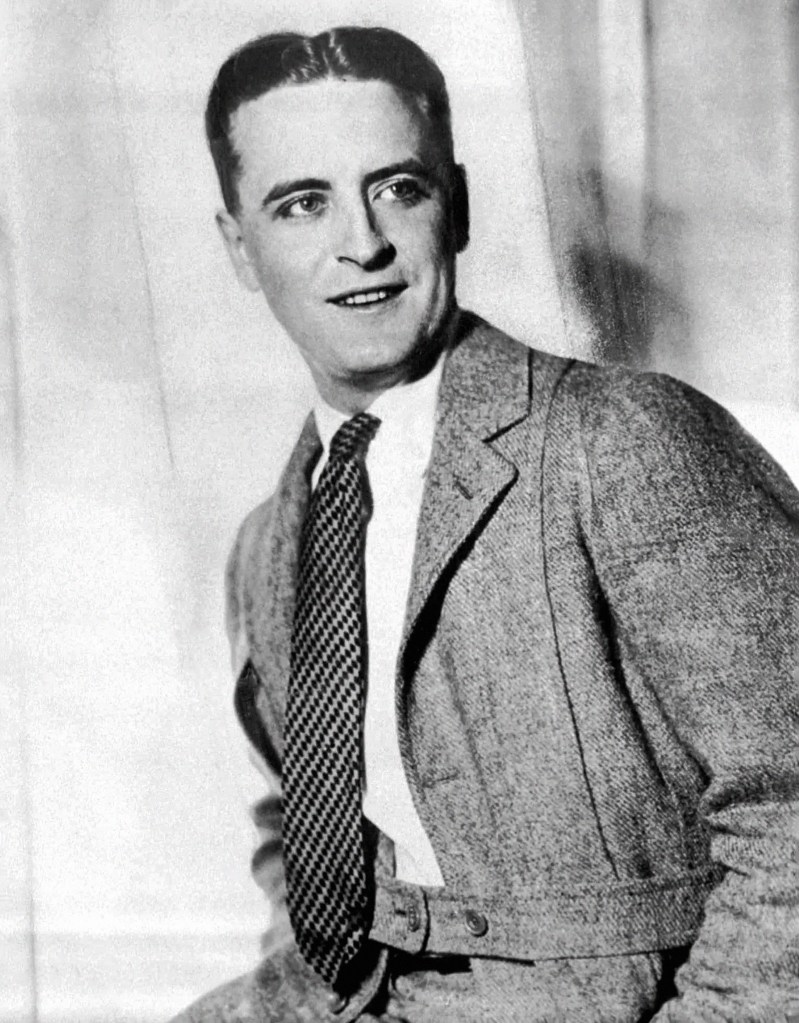
Though the term wasn’t coined until the 1970s, even one of the greatest American novelists of all time suffered from severe self-doubt: F. Scott Fitzgerald.
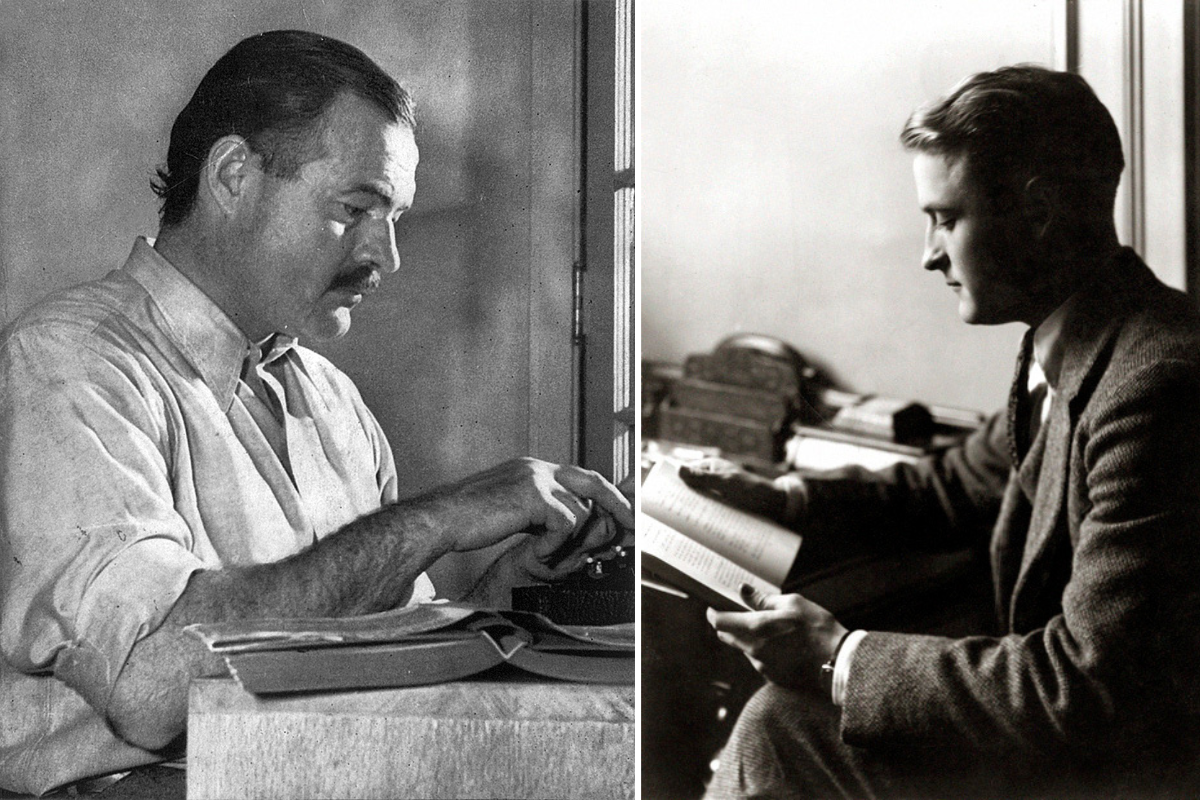
It took Fitzgerald nine years after the release of The Great Gatsby to publish another book, and even still, he wasn’t confident in it. So, he wrote to a friend for advice: None other than Ernest Hemingway.
If you’re looking for advice on how to defeat self-doubt and imposter syndrome, look no further than the words of wisdom written between two of the greatest literary minds of the 20th century.
Hemingway gives Fitzgerald some much-needed tough love
The Great Gatsby, today, is considered one of the great American novels. However, when it was published in 1925, the reception was lukewarm.
“Fitzgerald’s Latest A Dud,” one newspaper headline read.
Partially as a result, he fitzed and fussed over his next novel for years. He also struggled with mental health, his marriage, and alcoholism during that time. Finally, though, he followed up Gatsby with Tender Is the Night in 1934.
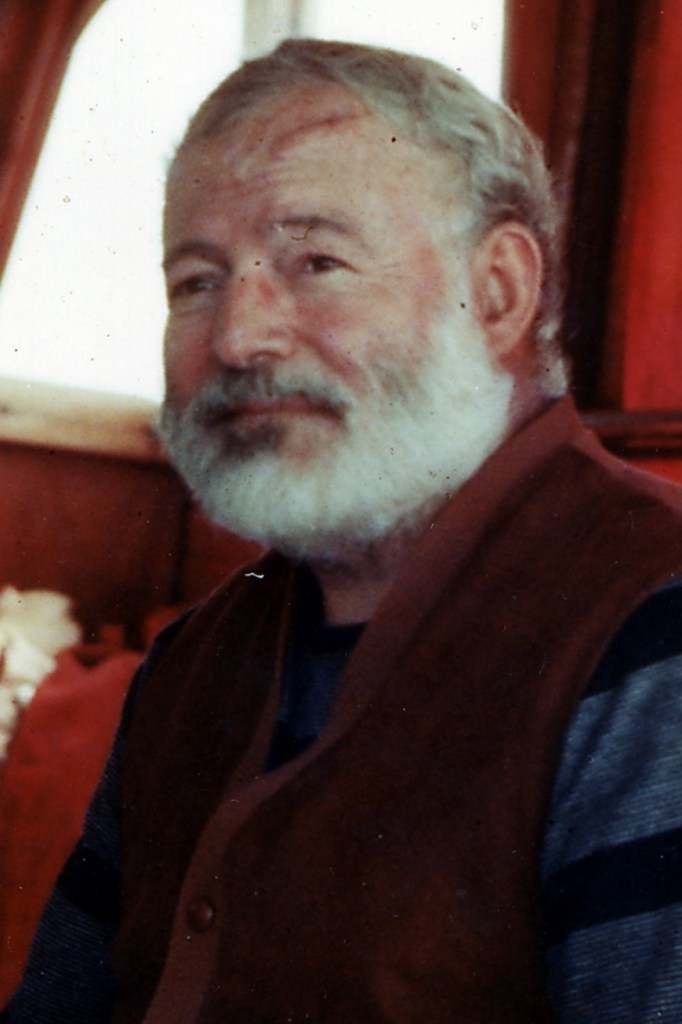
By all accounts, Fitzgerald was not happy with the book, even though he had wanted it to become the best American novel of all time—an awful lot of pressure for anyone to put on themselves. He worried he’d never write anything as good as Gatsby again. He asked Hemingway for his opinion, which Hemingway gladly delivered in a way that only he could:
“I liked it and I didn’t,” Hemingway writes, bluntly. He goes on for paragraphs about all the ways the book is lacking before softening. “It’s a lot better than I say. But it’s not as good as you can do.”
Hemingway’s advice to F. Scott Fitzgerald on how to ignore the critics, including himself
Though Hemingway chastised Fitzgerald for taking too many liberties with the story, “cheating,” and stuffing the novel with “good stuff… that it didn’t need,” he ultimately writes to console his friend.
Or, as some would say, his “frenemy.”
“For Christ sake write and don’t worry about what the boys will say nor whether it will be a masterpiece nor what. I write one page of masterpiece to ninety one pages of shit. I try to put the shit in the wastebasket. You feel you have to publish crap to make money to live and let live.”
It’s brilliant advice. One way of conquering imposter syndrome is positive thinking and affirmations: “I do belong.”
Another is to realize that everyone else around you is just making it up as they go, too. And that’s the point Hemingway is getting at. Even he, who had written The Sun Also Rises and A Farewell to Arms by this point, admits that most of what he writes is trash.
A wonderful, if harsh, pep talk. But Hemingway isn’t finished:
“Scott, good writers always come back. Always. You are twice as good now as you were at the time you think you were so marvellous. You know I never thought so much of Gatsby at the time. You can write twice as well now as you ever could. All you need to do is write truly and not care about what the fate of it is. … Go on and write.”
Modern psychologists’ advice has plenty of overlap with Hemingway
In parts of his letter, Hemingway urged Fitzgerald to stop feeling bad for himself and to channel his pain into his best work.
“Forget your personal tragedy. We are all bitched from the start and you especially have to hurt like hell before you can write seriously. But when you get the damned hurt use it.”
One evidence-based strategy for overcoming imposter syndrome is coming up with what psychologists call a “post-mistake compassion plan.” It’s a strategy for moving forward with confidence after screwing up. That’s what Hemingway was trying to help Fitzgerald do; recognize that Tender Is the Night was perhaps not his best work, but that he was more than talented enough to get off the mat and come back stronger.
No one is perfect, and falling down doesn’t mean you don’t belong.
In the end, it’s hard to say if things did get better for Fitzgerald. LitHub writes, “he ended his too-short life doing Hollywood hack work to make ends meet before dying, largely forgotten, his final novel left unfinished. His life has long been viewed as a classic tragedy—glamorous rise, brutal fall.”
But the result was not for a lack of his friends, like Hemingway, trying to help.
“[I] was always trying to get him to work and tell the truth at least to himself,” Hemingway wrote. “Well, the hell with all of it.”
We should all be so lucky as to have someone in our lives who will, harshly if need be, insist on reminding us of our own talent and worth.