Predicting the future has never been possible, but that hasn’t stopped people from trying. It’s also always fun to see how predictions about the future from the past actually pan out.
Thankfully, the BBC Archive holds videos from the 1980s in which experts tried to predict what life would be like decades into the future—in other words, now.
In 1989, the Tomorrow’s World series imagined what homes would be like in 2020. It’s fascinating to see what it predicted accurately and what never materialized.
What they got right and wrong about today’s homes
Futurist Christine MacNulty shared insights from her “Home of the Future” project, explaining what people in the future (us) would want from their homes.
“They’ll want all the benefits of modern technology but without all this cluttered and complex gadgetry that we have today,” she said. “They’ll want homes that work for them. By 2020, all of this will be possible. We’ll have things under control without all of these knobs and buttons. And what’s more, the technology itself will be embedded in the very fabric of the house and its furnishings.”
The video shows people walking through a set that represents a future home but looks hilariously retro-1990s to the modern eye.
“So the idea is once all the clutter of technology has gone, you’ll be able to furnish your rooms in any style you like,” a woman said.
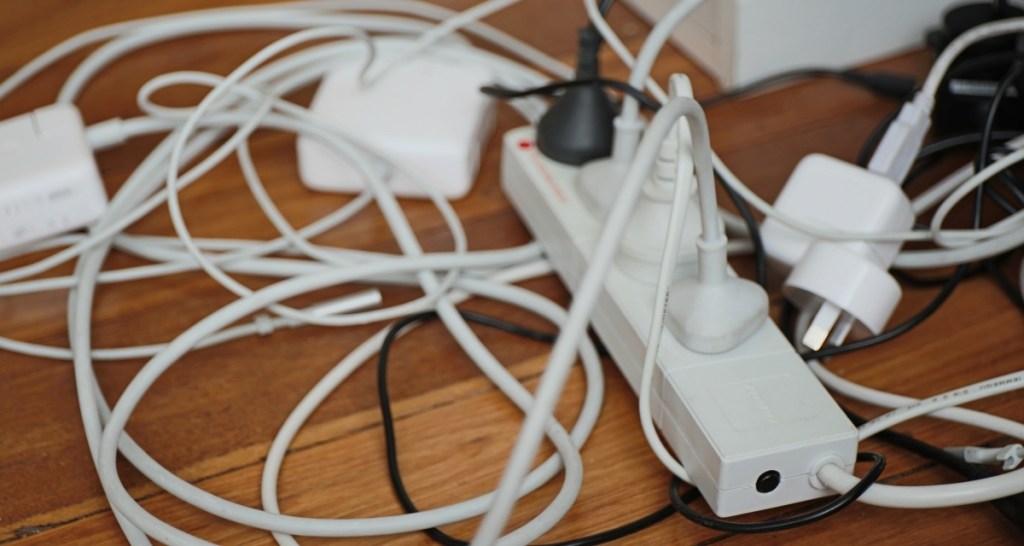
Looking at the number of cord organizers on the market, I’m not sure we’ve quite tackled technology clutter. But with the ubiquity of digital displays, they were right about the knobs-and-buttons part. As for technology being embedded in the fabric of the house? Well, yes and no.
They basically predicted the “smart home,” but went a bit too far
“You won’t actually be able to see the technology, but it will be there doing its job without getting in your way,” the video predicted. “That means the lights automatically switch off and on as you walk between rooms, and the home learns how bright you like them. A simple command gives you music, perhaps piped in from a sound library.”
So far, so good. Between Amazon Alexa, Google Home, and other smart home gadgets, we’re basically there. But then the prediction veered a bit off course.
“No more power points,” said a man. “Plugs become pads picking up power from anywhere on the wall. And even windows will take an active part in the home.”
Power walls that can charge anything from anywhere? That would be nice, but alas, we’re still using old-timey outlets, albeit sometimes with smart features. And windows, while arguably better designed than they were in the 1980s, have not really become the futuristic window-video-display-screen combos they anticipated.
They predicted energy-efficient homes, but went a little overboard
“By 2020, there will have been enormous pressure on us to cut down on our burning of fossil fuels to protect the environment,” said MacNulty. “This means that energy management in our homes will become of critical importance.”
True, true. However, the materials displayed in the video that were predicted to reduce “heating bills to almost zero” do not seem to have panned out. On the other hand, they did get the smart-heating part pretty dead-on.
“The heating system could learn your daily routine and only heat the rooms that you’ll be using,” the video explained. “The living room would be at just the right temperature as you come downstairs.”
No, most of our homes don’t have smart heating because most of us don’t live in new homes or homes with newer HVAC systems. But the technology is readily available.
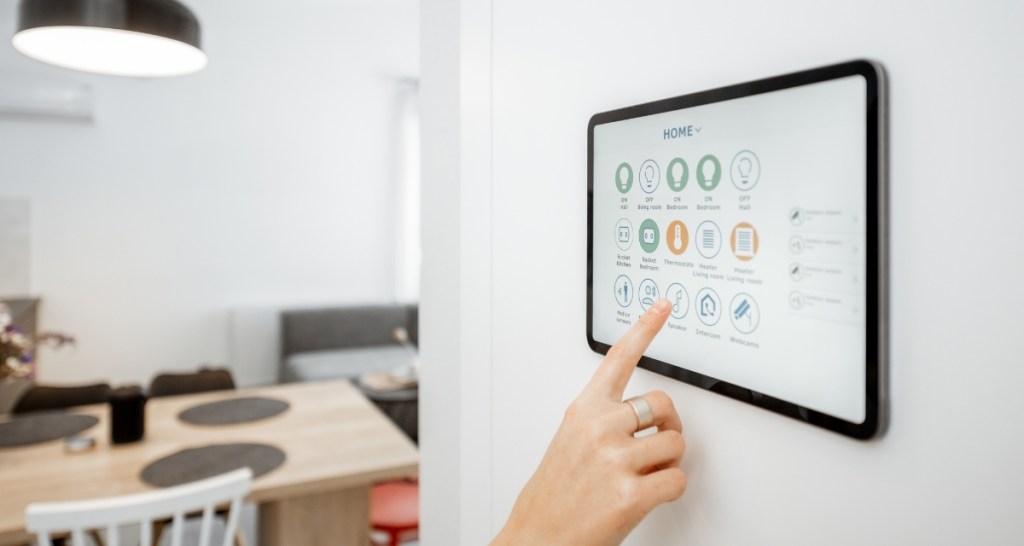
Ultimately, the segment concluded with basically where we are now:
“The crucial point is that there’ll be no single home of the future. There’ll be millions of different ones. We choose the type of home we want to live in; the technology takes a back seat.”
Some of us choose to live in old homes with zero smart features. Others build new homes with all the latest tech bells and whistles. But what the futurists of the 1980s may not have predicted was how hard it would be for so many people to actually afford a home, new, old, smart, or otherwise.
Let’s hope that turns around before another three decades pass.