
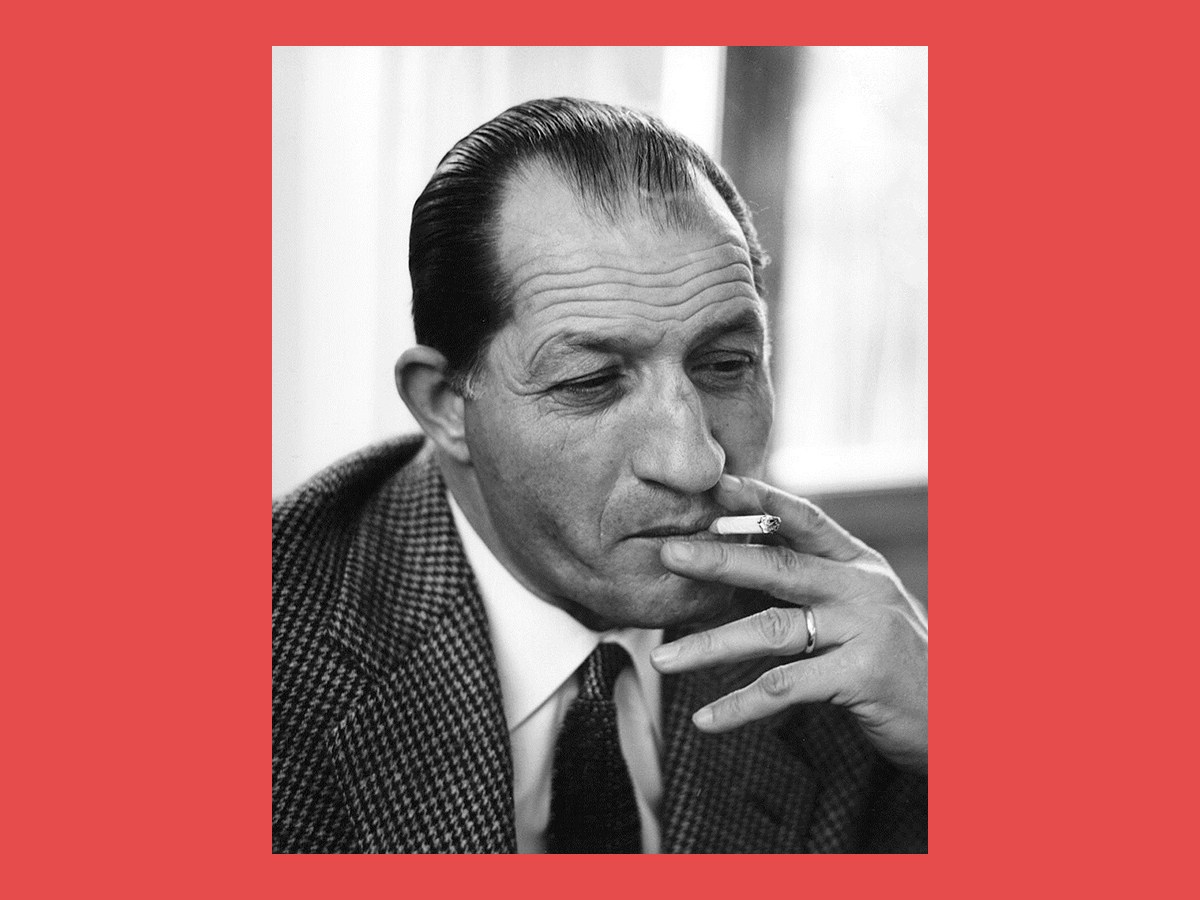
By the beginning of World War II, Gino Bartali was already one of Italy’s most beloved cyclists, having won the Giro d’Italia twice and the Tour de France once. After Nazi Germany occupied much of Italy in 1943, Bartali joined an underground network helping Jews avoid arrest and deportation. Using his bicycle training as cover, he rode hundreds of miles between cities carrying forged documents and photographs hidden inside his hollow bicycle frame.
A YouTube Short about Bartali’s secret rides shows how one of Italy’s biggest sports stars was able to move through Nazi-occupied Italy without raising suspicion.
Gino Bartali was already a cycling legend
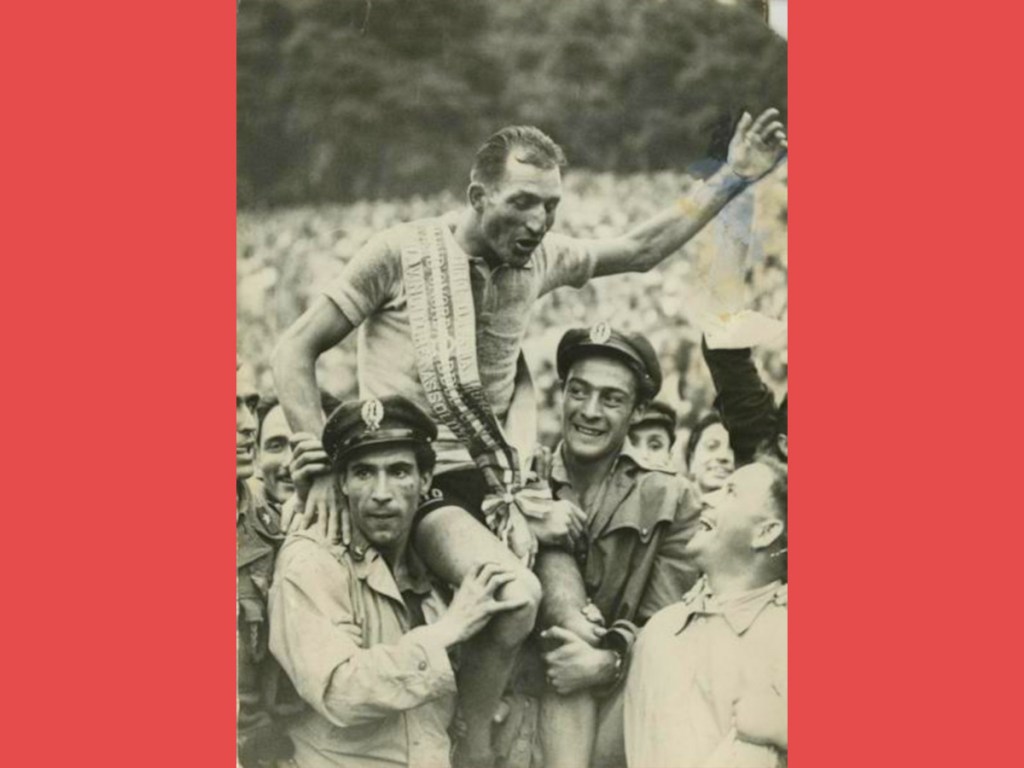
Bartali bought his first bicycle when he was 11 years old. A few years later, he began racing and won his first event at 17. He turned professional in 1935, followed by victories in Giro d’Italia in both 1936 and 1937.
In 1938, Bartali won the Tour de France, one of cycling’s most demanding races.
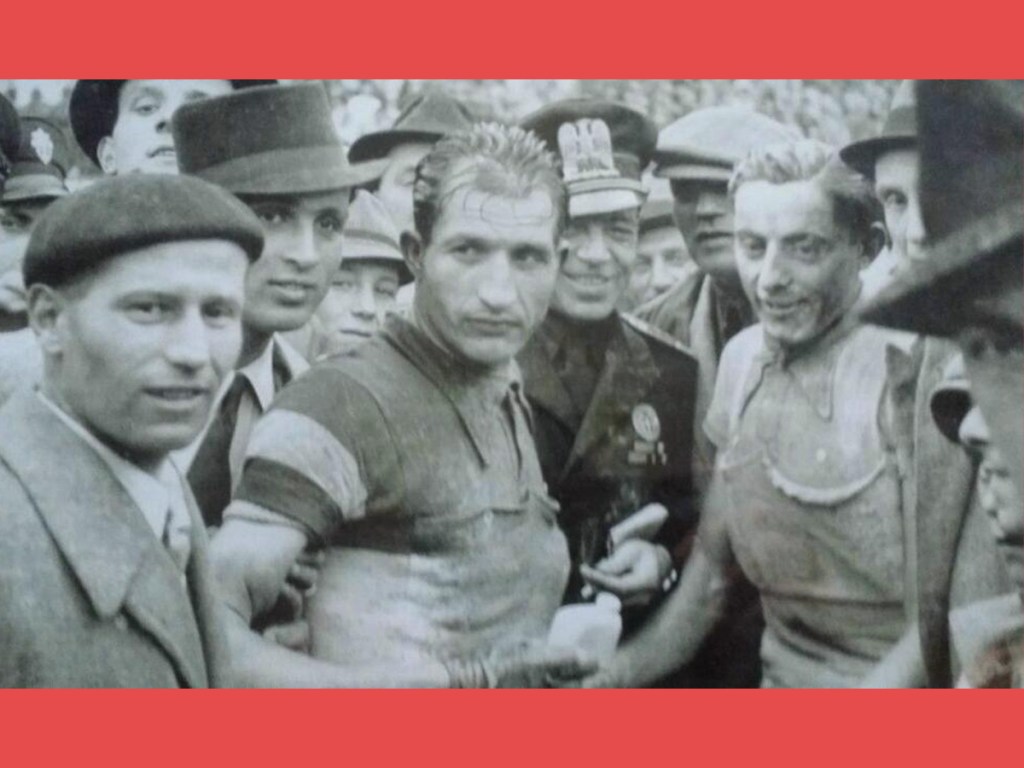
According to the U.S. Holocaust Memorial Museum, Italy was under Benito Mussolini’s Fascist dictatorship, and the regime hoped to use Bartali’s Tour victory as propaganda. But Bartali didn’t dedicate his victory to Mussolini and received no honors when he returned home.
In September 1943, after German forces occupied northern and central Italy, Cardinal Elia Dalla Costa approached Bartali about helping an underground network that was creating false identity papers for Jews.
Bartali has the perfect cover
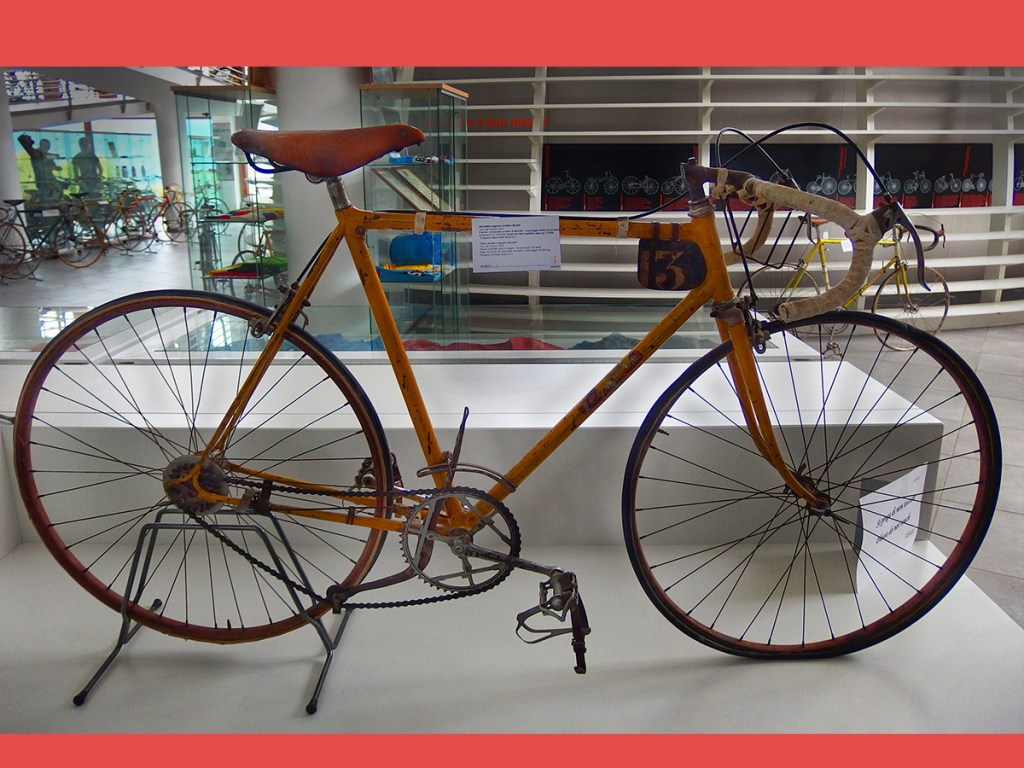
Bartali agreed to help. His long-distance bicycle training gave him the perfect cover to travel between cities without immediately attracting attention. He carried counterfeit documents and photographs inside his bicycle frame while traveling between Florence, Lucca, Genoa, Assisi, and the Vatican in Rome.
Sometimes Bartali’s regular training companions rode alongside him without knowing what he was carrying.
Even encounters with guards could work in his favor. Bartali would talk to them about cycling and ask them not to touch his bike, explaining that its parts had been carefully adjusted for his riding style.
Bartali’s efforts went beyond transporting documents. He also helped hide and support the Jewish Goldenberg family, whom he knew before the war. Years later, Giorgio Goldenberg remembered what Bartali had done for his family, telling Time, “Gino Bartali saved my life and saved the life of my family.”
Bartali nearly gets caught
In 1944, the danger Bartali faced because of his work with the underground network became much more immediate. He was taken to Villa Triste in Florence, where Fascist authorities imprisoned and tortured suspected members of the resistance.
While Bartali was being questioned about his activities, one of the interrogators turned out to be his former army commander. The man convinced the others that Bartali was innocent, and he was released.
Florence was liberated the following month.
After the war, Bartali went back to racing. He won his third Giro d’Italia in 1946 and won the Tour de France for a second time in 1948.
What Bartali had done for the underground network, however, remained largely unknown.
Bartali didn’t want credit for his good deeds
Bartali rarely spoke publicly about what he had done during the war. Years later, researcher Sara Corcos approached him about his underground work. He initially refused her request for an interview. According to Yad Vashem, Bartali said he had acted according to his conscience and didn’t want his actions documented.
He eventually agreed to tell Corcos about the forged documents he had carried and helped distribute, but on the condition that she didn’t record him.
Bartali’s wartime rescue activities became more widely known after his death in 2000.
In 2013, Yad Vashem recognized Gino Bartali as Righteous Among the Nations, an honor given to non-Jews who risked their lives to save Jews during the Holocaust.


.jpg)

