
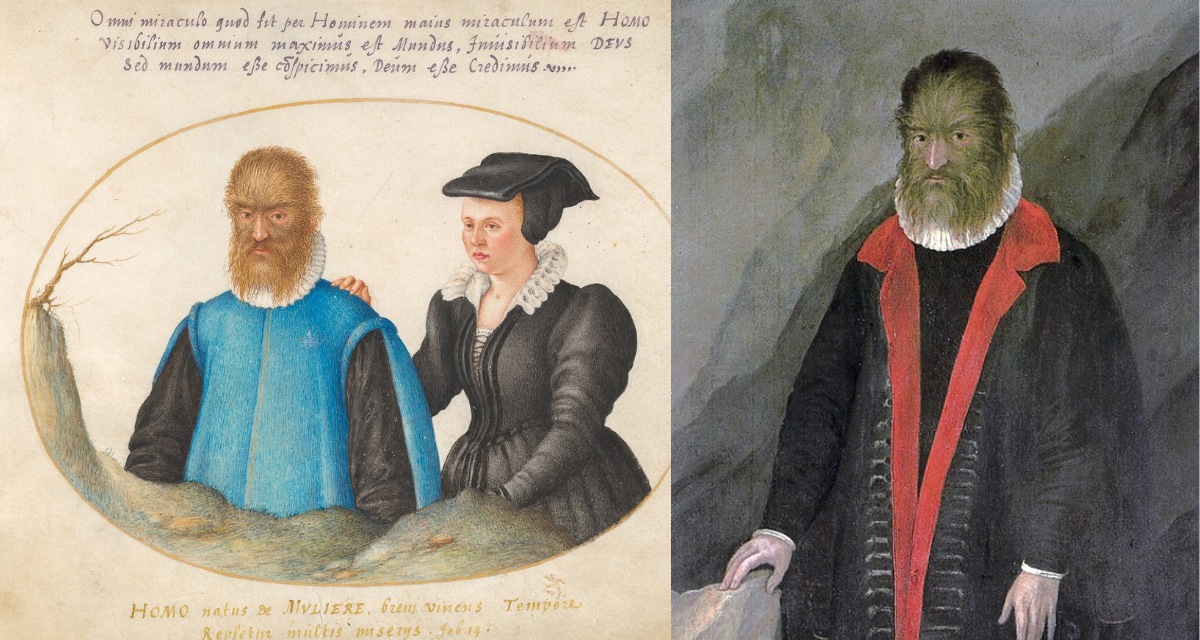
Beauty and the Beast is a fairytale-turned-Disney movie that virtually everyone on the planet is familiar with. But very few know that it was said to be based on a true—and deeply tragic—story.
A boy taken from his home
In 1537, at just 10 years old, a boy named Pedro Gonzalez was taken from his home in the Canary Islands and presented to King Henry II of France as a novelty gift because of his genetic condition, known today as congenital hypertrichosis, which causes the entire body to be covered in hair.
Despite his “wild” appearance, Gonzalez seemed docile, inspiring the king to experiment with turning the supposed savage into a gentleman under the revised Latin name Petrus Gonsalvus.
Gonsalvus grew up to be an educated, respected member of the court. At least, as respected as a man with his condition could be. However, there would be one more experiment awaiting him.
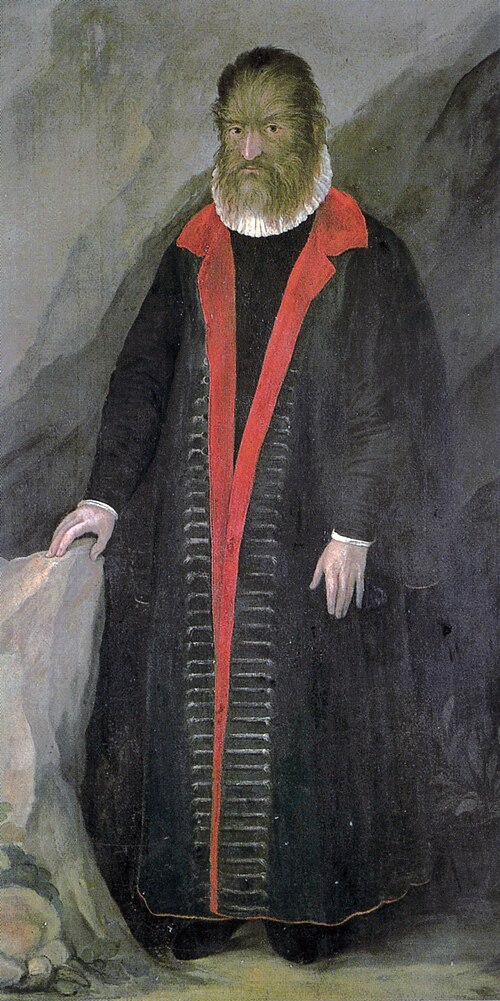
That moment would arrive in his twenties, after his protector, Henry II, died in a jousting accident on July 10, 1559. Ownership of him now belonged to the infamously cruel Catherine de Medici.
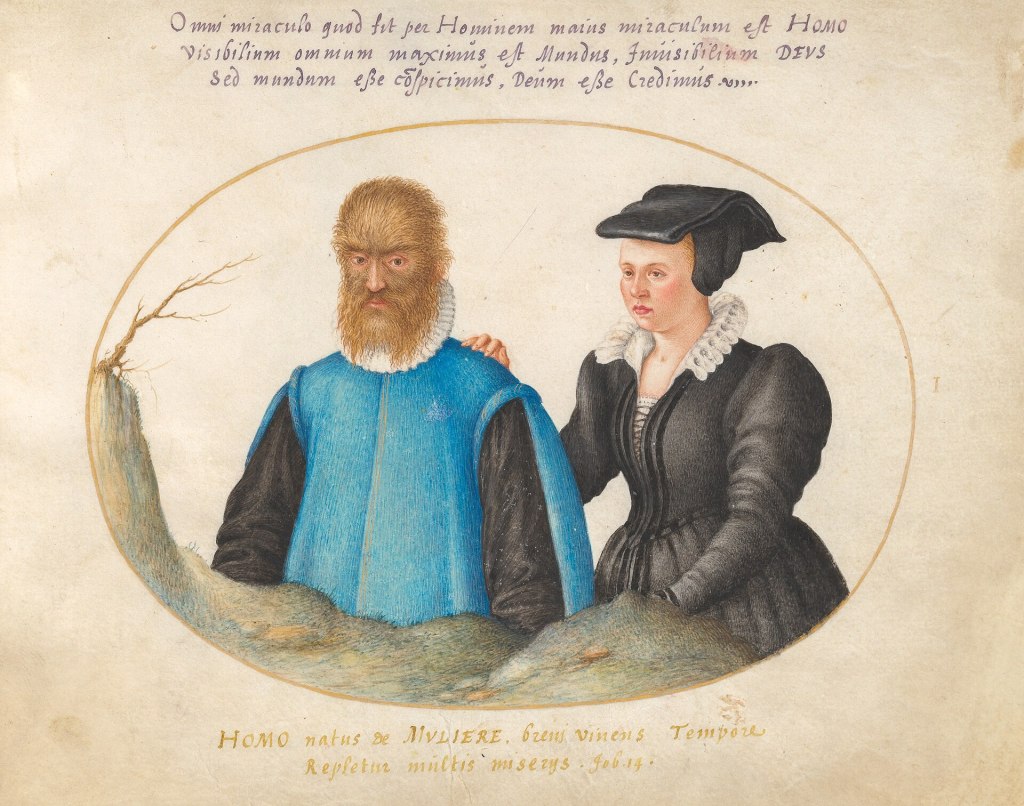
Medici arranged a marriage between Gonsalvus and another Catherine without ever mentioning her soon-to-be husband’s condition to the bride.
The family that became a spectacle
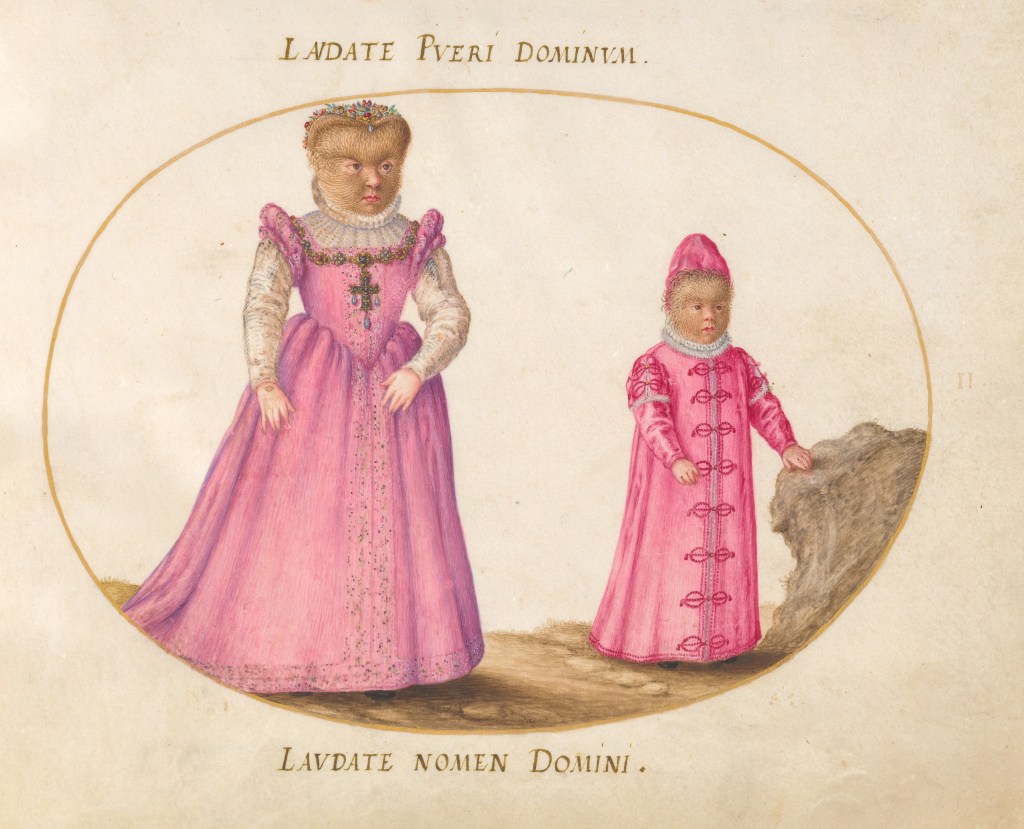
Hypertrichosis has dominant traits and therefore easily passes down to children, which the Gonsalvus family soon discovered. The pair had seven children, four of whom were covered in hair.
It wasn’t long before the “wild family” became a traveling sideshow of sorts, fascinating onlookers, painters, scientists, and nobles throughout Europe. Portraits of the family circulated among royal courts, where they were studied less as people and more as curiosities. Sadly, the Gonsalvuses would eventually be separated as, much like their father, several of the children were sold or gifted away as oddities.
Gonsalvus and his wife died within six years of each other, in 1618 and 1623, respectively, in Italy, though their graves were never located.
How their story may have shaped a classic fairytale
Fast forward to 1740, when a French author by the name of Gabrielle-Suzanne Barbot de Villeneuve published La Belle et la Bête (French for Beauty and the Beast) in a collection of stories titled La Jeune Américaine et les contes marins (The Young American and Marine Tales).
While Villeneuve never explicitly confirmed Gonsalvus as an inspiration, historians have pointed out striking similarities between the real-life family and the famous tale: a gentle, intelligent man judged almost entirely for his appearance; a woman unexpectedly placed into a marriage she did not choose; and a relationship that slowly grew through familiarity and understanding.
The Disney version then transformed the story into one filled with singing teacups, enchanted castles, and a hopeful ending. As we now know, the real history behind it paints a far sadder picture of how society once treated people who looked outside the norm.
Centuries later, the story of Petrus Gonsalvus continues to fascinate people because it reveals just how easily humanity can blur the line between curiosity and cruelty. Beneath the legend, the paintings, and the fairytale comparisons was simply a family navigating lives shaped by exploitation they never asked for.










-_Plate_I.jpg)
-_Plate_II.jpg)