

If you’re fortunate enough to live long enough to stop working and enjoy your golden years in retirement, you may start to wonder where you want to spend them. When you’re no longer tied to a place by a job or family obligations, and you’re looking for the best bang for your buck along with the amenities you want and need, it’s natural to begin searching for the best places to retire.
Many people’s first thought when it comes to retirement is “south,” which is why some of the places on the U.S. News & World Report’s 2026 list of “Best Places to Retire in the U.S.” may come as a surprise. While the rankings are dominated by Florida and Texas, those two states account for only a little over half of the Top 20. Many of the remaining cities, including the No. 1 spot, are located in the northern part of the country, in places that are decidedly not warm come wintertime.
The list was compiled using criteria such as quality of life, overall value, tax rates, senior population/migration trends, and health care quality. Let’s go through the Top 10:
1. Midland, Michigan
If you’ve never heard of Midland, that’s probably because it has a population of less than 43,000 people. However, the median home price is just north of $200,000 and rent isn’t even $800, so your retirement dollar would go pretty far there. The small city sits at the confluence of two rivers and is also the home of Dow Chemical. Do with that information what you will.
2. Weirton, West Virginia
We’re going even smaller for No. 2. Weirton has less than 19,000 people and a median home value of just over $124,000, making it uber affordable. Rent will set you back around $550. And it’s only about a 40-minute drive to Pittsburgh, so if you get bored, you can always hit the bigger city.
3. Homosassa Springs, Florida
Ever heard of this one? It has a population of about 15,000 (they’re really pushing the small-town retirement angle here) and a median home value of around $219,000. Located in western Florida between Tampa and the Panhandle, the town is home to a state wildlife park, and is undoubtedly warmer than the first two places on the list.
4. The Woodlands, Texas
The Woodlands is a bit bigger, crossing into six-figure population territory at just over 116,000 residents. We also see a jump in home prices in this suburb of Houston, though, with a median price of $474,000 and average rent a bit over $1,400. The city’s website refers to it as a “destination whose culture and offerings rival the nation’s largest and most vibrant cities,” so that sounds promising.
5. Spring, Texas
With a population of around 68,000, Spring is close to, but more affordable than, The Woodlands, with a median home price of about $251,000. Rent isn’t much lower, though, at just over $1,300. Definitely look into buying a house instead of renting if this is where you choose to spend your retirement.
6. Rio Rancho, New Mexico
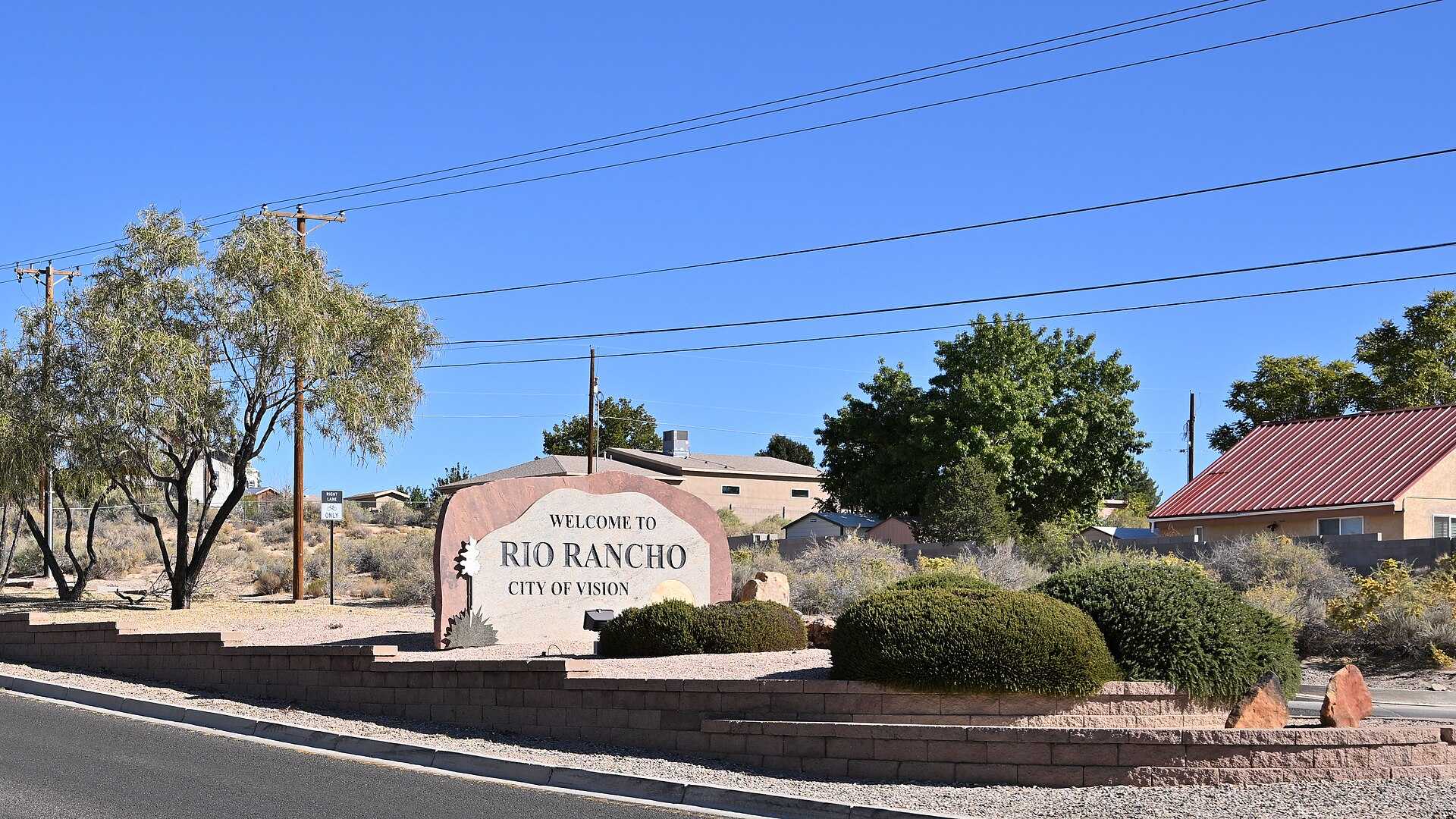
Moving west, Rio Rancho is a northern suburb of Albuquerque. It’s home to about 108,000 people, and the median home value is about $310,000. Rent runs about $1,200. If that classic Southwest feel is your thing, this is where to go.
7. Spring Hill, Florida
Lost of springs on this list, eh? If you’re looking for a 100,000+ population without a significantly higher cost of living, Spring Hill gives you the best bang for your bigger-city buck. (Not that 100,000 is a big city by most standards, but it’s not a small town either.) The median home price is just over $300,000, and rent comes in a little above $1,100.
8. Altoona, Pennsylvania
Altoona is the least expensive place to live among the Top 10, with a median home price under $115,000. (Did anyone know there were still places with home prices like that anymore?) The city has a population of about 43,000, and median rent sits around $660. Not too shabby, price-wise. Not sure what people do in Altoona, but it’s probably affordable.
9. Palm Coast, Florida

Palm Coast just sounds like a place to retire, doesn’t it? Located on Florida’s east coast, north of Daytona Beach, Palm Coast has a median home price close to $380,000 and rent approaching $1,500. It’s not the most affordable spot in the Top 10, but hey, palm trees, right?
10. Lynchburg, Virginia
Named for Quaker John Lynch and founded in 1757, Lynchburg is the oldest city in the top places to retire, so if history is your thing, this would be a good option. With about 80,000 residents, it’s neither a small town nor a large city, and with a median home price under $224,000 and rent just over $900, it’s affordable, too.
Here’s how the rest of the Top 20 rounds out:
11. Bismarck, North Dakota
12. Victoria, Texas
13. Palm Harbor, Florida
14. Rochester Hills, Michigan
15. Troy, Michigan
16. Sioux Falls, South Dakota
17. Pearland, Texas
18. Naples, Florida
19. Pensacola, Florida
20. Conroe, Texas
Again, lots of Florida and Texas, but a surprising showing from Michigan and the Dakotas, too.

What should people consider when they’re looking for a place to retire?
U.S. News & World Report used its own criteria to compile this list, but what should the average person look for when thinking about where they might want to retire? Kiplinger‘s “A New Guide to Choosing Where to Retire” shares five considerations to keep in mind:
1. Local tax rates
States tax retirement income differently, and property taxes vary widely from place to place. Because retirees need to stretch their retirement funds carefully, taxes are an important factor to look into and understand before settling somewhere.
2. Health care
As we age, our health care needs often change and increase. Additionally, health insurance for retirees may have local limitations, so it’s important to make sure your plan lines up well with wherever you end up. The quality of doctors and specialists, along with access to medical facilities, are also big considerations.
3. Lifestyle suitability
Are you active and adventurous? Do you want easy access to cultural experiences and the arts? Do you desire peace and quiet? Is sunshine and warmth important to you? Do you want to garden year-round? Do you plan to travel and want to live near a major airport? All you have is time when you’re retired, so thinking through how you’ll want to spend it is key.

4. Climate risks
In the 21st century, the way climate change affects different regions is a major consideration. Places prone to natural disasters like wildfires, floods, and hurricanes may be less appealing as those events become more frequent and intense.
5. Sense of community
Who you spend time with matters, and having a sense of community can make a big difference in how your days feel. In retirement, having a community can also help you have a more regular schedule as you set up routine times to get together with others, volunteer, or otherwise be socially active.
Whether you’re close to it or just thinking ahead, there’s a lot to consider when it comes to where you retire.





























.jpg)