Many of us are able to confidently name the brand or store that our clothes come from, but next to no one could detail the actual processes it took to make those clothes in the first place.
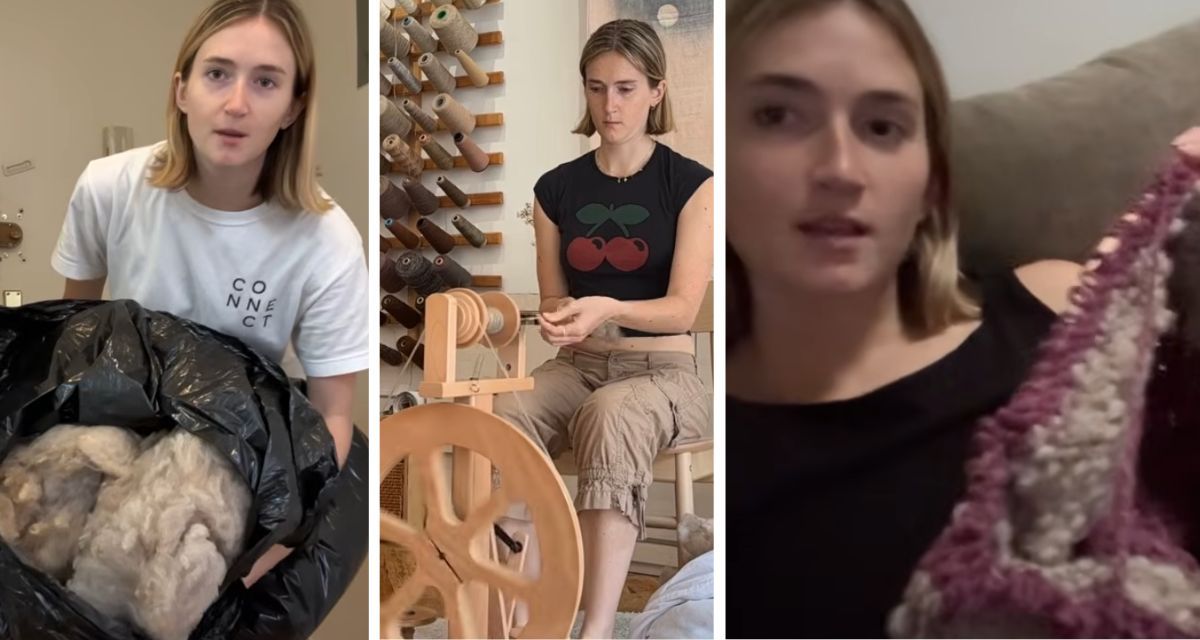
Content creator Macy Gilliam sought to answer that question for herself by spending four grueling yet enlightening months making a fleece sweater entirely from scratch.
The “Sheep to Sweater” project, as she called it, began in May when she visited a New York-based sheep farm to collect four pounds of raw fleece from a Merino sheep named Frannie. It cost her $48.
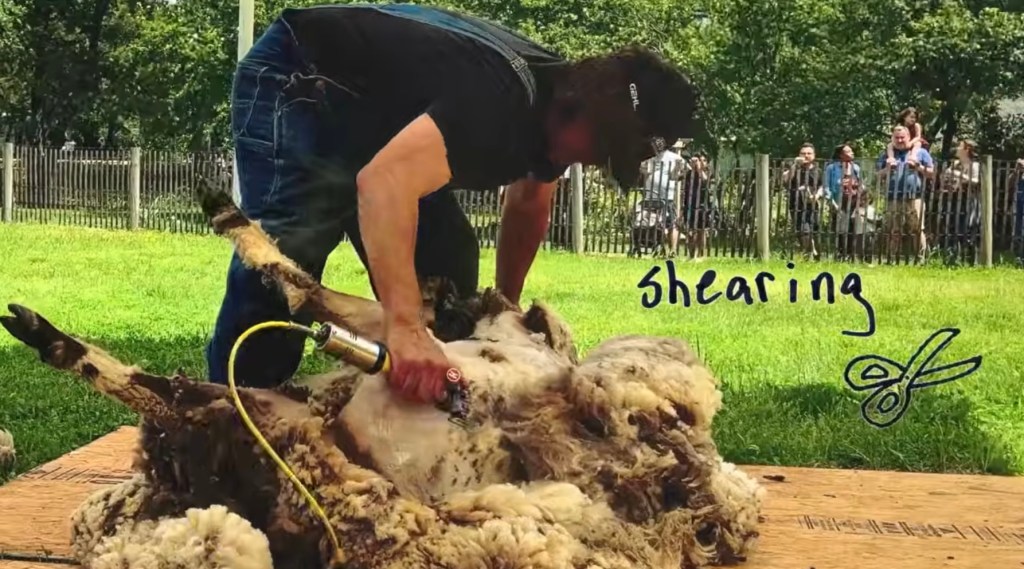
Gilliam admitted to having someone else actually shear the wool for her, since it required “skill and finesse” she did not possess. Every other step of the process, however, was hers to figure out.
From fleece to fiber
First came the decidedly unglamorous task of picking out dirty and poop-covered pieces of wool. Then came “scouring,” which involved dunking the fleece into hot water and lanolin for 30 minutes. (Gilliam quickly learned that lanolin should never be poured down the drain, as it can cause an immediate clog.)
Next, she “picked” the wool to remove remaining debris. Just getting through her first bag took two hours.
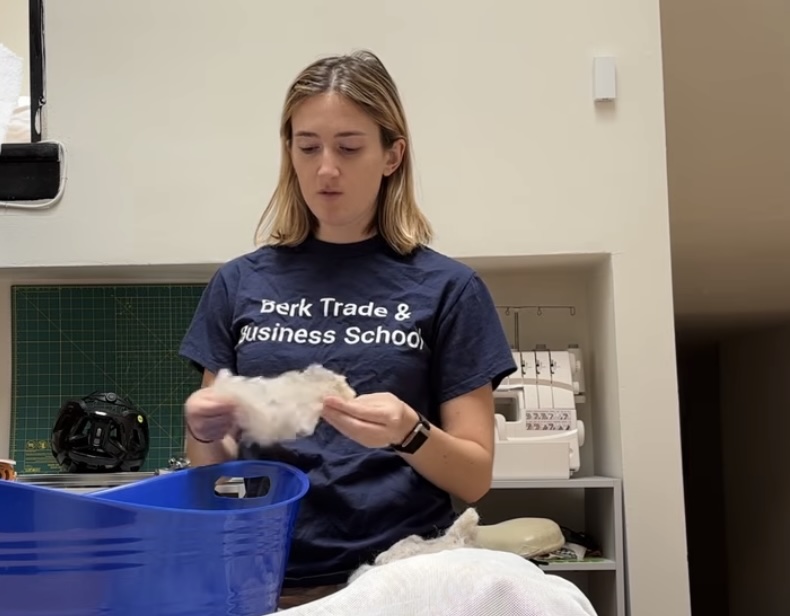
Then came “carding,” which gets the individual fibers moving in the same direction and prepares them for spinning. There are tools that make this process easier, but Gilliam opted for the harder, more old-school approach of lacing bits of wool between two brushes and combing them out.
After that, she had to “draft” the wool. This means gently pulling and thinning the prepared fibers so they could slide past one another before a twist was added to create yarn.
And then came the spinning. Gilliam used a modern spinning wheel, but even with the help of technology, turning all that fleece into usable yarn took days.
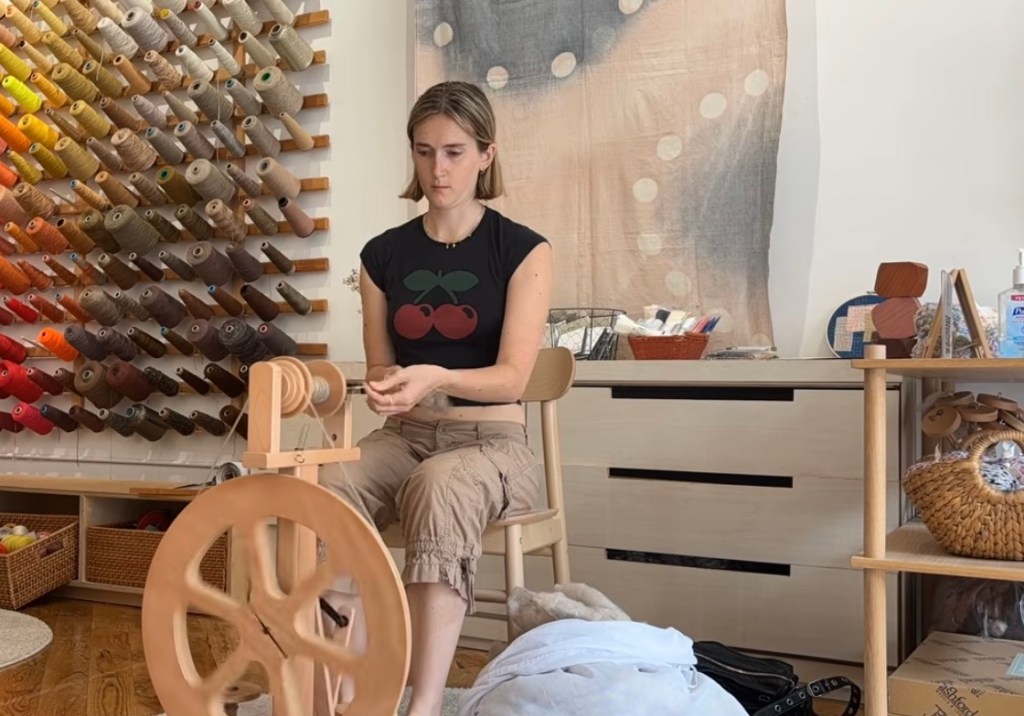
Once the wool was spun, she wound it onto a “knitty knotty,” which keeps the yarn from tangling. She then set the yarn in water for another 20 minutes and let it dry.
Finally, she dyed it using a dye made from crushed beetles.
And then, she had to knit
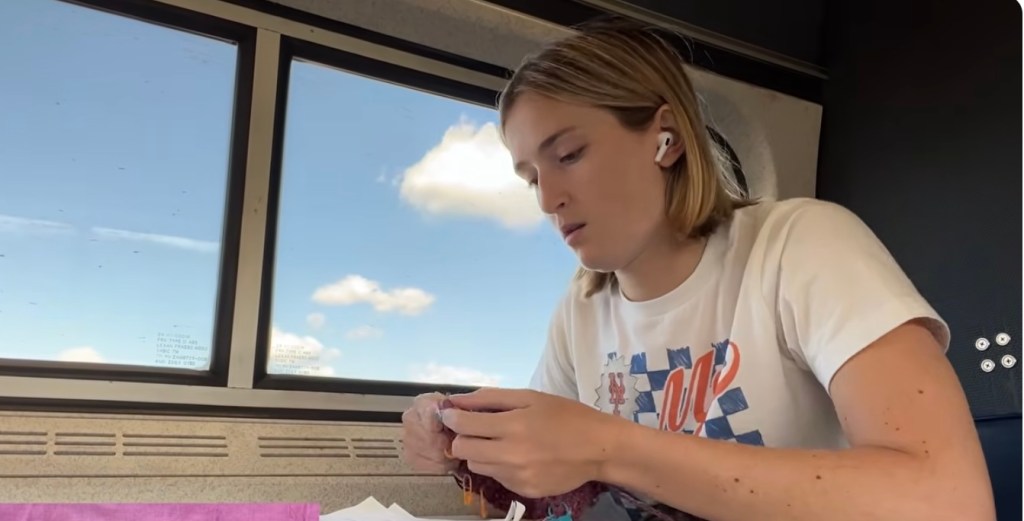
At this point, Gilliam still hadn’t made a sweater. Having never knit before, she’d essentially have to learn on the job.
Then, after all that work, she made a particularly devastating discovery: she didn’t have enough yarn to finish the project. This meant going all the way back to step one and making more material. Yowza.
All in all, Gilliam spent a whopping $736 and four straight months making her finished piece.
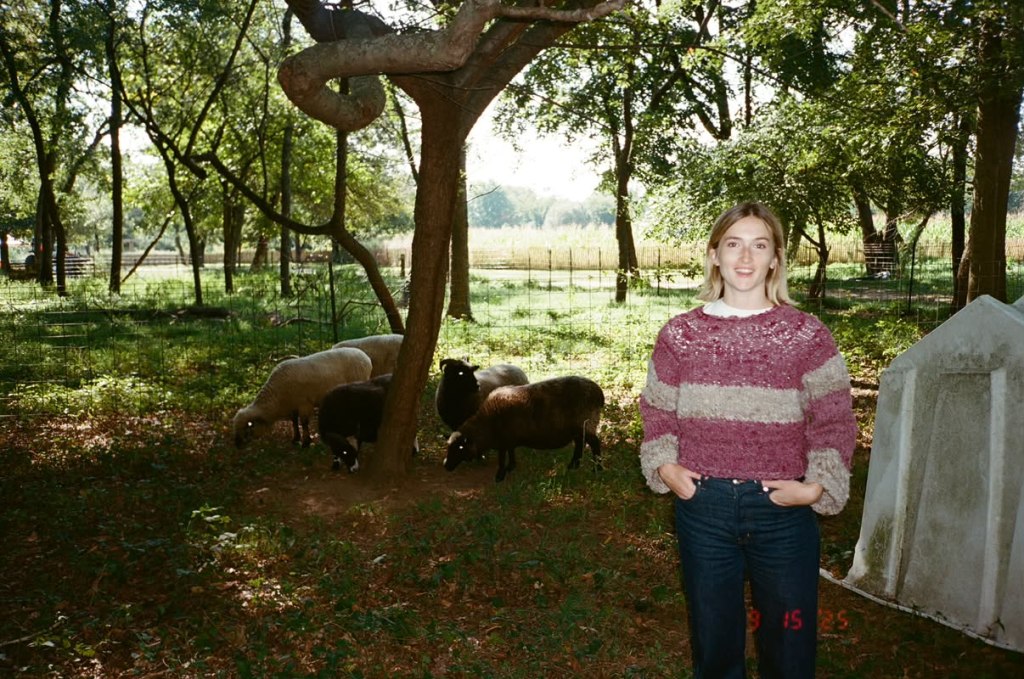
Through the experience, she said she felt connected to every woman and garment worker who came before her and gained a newfound appreciation for the “technology” of textiles. Many of these materials, she noted, have been perfected over thousands of years.
Gilliam documented the entire process and even created an exhibition where people could get a hands-on look at how her sweater was made.
The real cost of a sweater
Gilliam noted that, by far, the most expensive aspect of her sweater was the labor involved.
That realization also helped her better understand the people who make clothing for a living. As she explained, virtually every piece of clothing still requires human labor in some capacity.
Even fast-fashion garments made in factories require someone to physically guide fabric through a sewing machine, attach zippers, and manage quality control. However, these workers are by and large not given a fair wage.
After experiencing firsthand just how much time, effort, and skill goes into making a single garment, Gilliam encourages others to support brands that make an effort to fairly compensate their employees.
She also hopes her journey inspires people to make things with their own hands. Or, at the very least, to develop a newfound appreciation for the things they might otherwise take for granted because of modern-day convenience.
“I think that we are so separated from the way that things are made that we are incapable of actually appreciating them. So this is my way of reconnecting with the way things are made.”
Watch her full “Sheep to Sweater” story below: