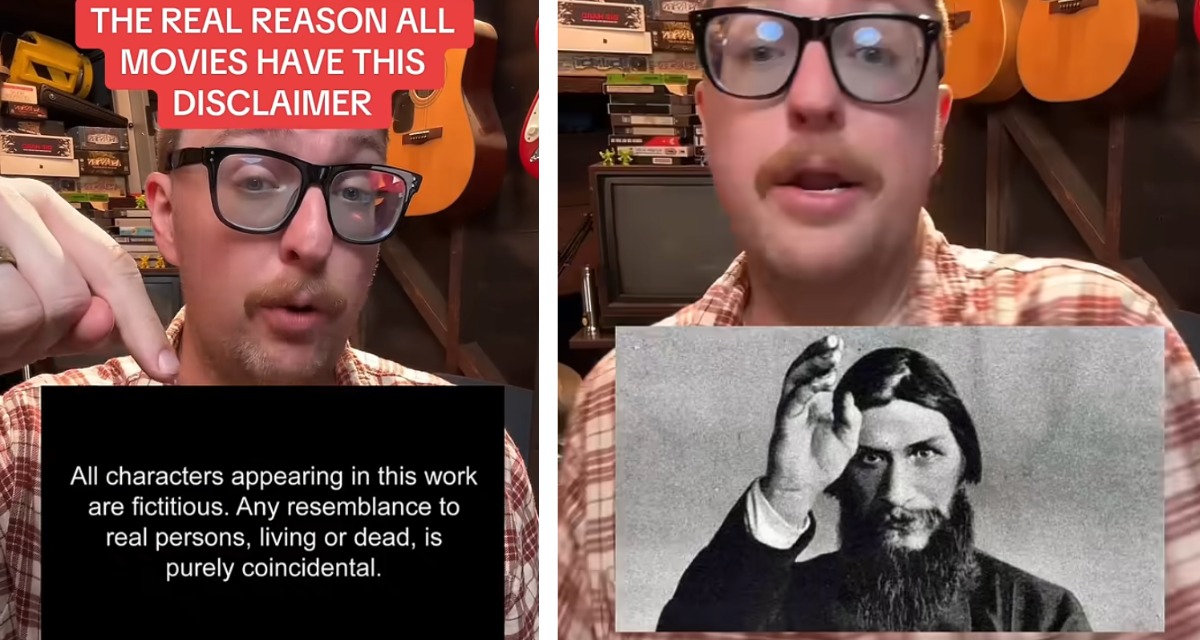
If you’ve ever watched an outrageously outlandish movie with the warning “All characters in this movie are fictitious…” and thought, “Well, duh,” it turns out Hollywood had a very specific (and very expensive) reason for spelling that out. It ties into not only forgotten cinema history, but Russian history as well.
A mystic, a murder, and a very messy memoir
In a video by Andrew Price, known for his deep dives into pop culture via @treehousedetective, we go back to the early 1900s, when Siberian peasant turned mystic power player Grigori Rasputin had already made more than a few enemies with his superstition-fueled cons.
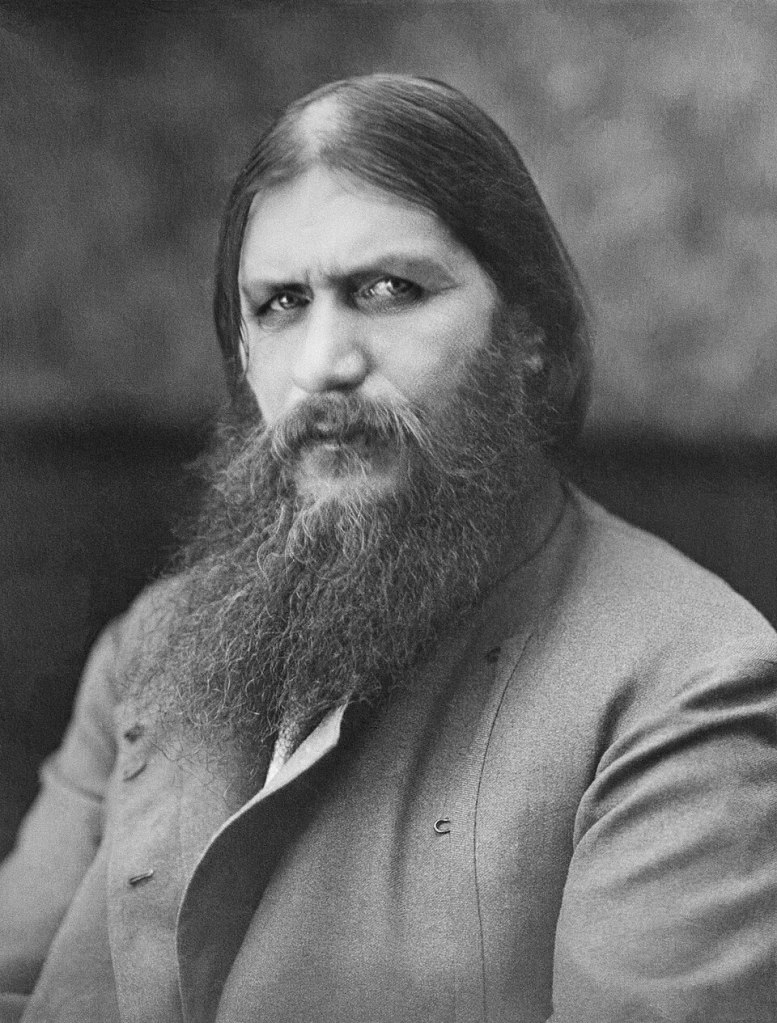
By 1916, a group of aristocrats led by Felix Yusupov decided enough was enough. What followed, ironically, does sound like something out of a movie script. Cyanide-laced cakes and beverages didn’t poison him. Multiple bullets, including a headshot, did nothing. The only thing that did finally put Rasputin in his final resting place was getting tied and thrown into an icy river. All of these details came from Yusupov alone, who later published a wildly popular memoir while living in exile. Not exactly an unbiased narrator, but certainly an entertaining one.
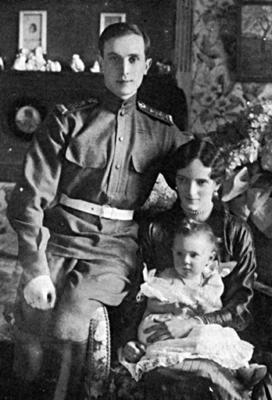
That exile, by the way, came courtesy of the Imperial Russian Family as punishment for the assassination. That consequence was a blessing in disguise, because when the Bolsheviks later rose to power and executed members of the aristocracy, the Yusupovs were already safely out of reach. Not the worst trade-off, all things considered.
When Hollywood got a little too inspired
Fast forward to 1932, when MGM released Rasputin and the Empress, dramatizing the infamous killing. The studio took some liberties, like combining the group of assailants into a singular fictional character named Prince Chegodieff. Yusupov, now living in Paris, found out about the movie and tried to sue MGM for defamation of character. Considering he outright confessed to the crime in the source material, that case had no legs.
However, the film also added a scandalous subplot involving Yusupov’s wife, Princess Irina. In the film, her fictional counterpart is hypnotized and seduced by the titular villain. In reality, however, that never happened. And unlike her husband’s case, Irina’s lawsuit for libel had real teeth. She won a massive settlement, to the tune of what would be around three million dollars today.
The disclaimer that stuck
The real kicker was MGM’s own prologue, which practically invited trouble by suggesting the characters were, in fact, based on real people. That line helped seal the studio’s fate, which prompted the company to make a change that would ripple across the entire film industry.
From then on, studios started adding that now-familiar disclaimer distancing their stories from real individuals, just in case anything felt a little too familiar.
So, the next time you see that “purely coincidental” message pop up before a film, remember that’s not just legal fluff. It’s a bona fide Hollywood story in its own right.
For even more fun tidbits, be sure to give @trehousedetectve a follow.