Scientists discovered a mushroom that eats plastic, and believe it could clean our landfills.


Fungi Mutarium mushroom eats plastic www.youtube.com


Plastic waste is one of the biggest environmental issues of our time. And while a straw ban is not the way we're going to solve it — here's why – people everywhere are looking for ways to reduce plastic use and mitigate the effects of waste.

From handing out plastic bags with embarrassing labels to removing the plastic from six-packs to harnessing the power of a plastic-eating mutant (bacteria), more and more of us are working to find solutions to a growing global program.

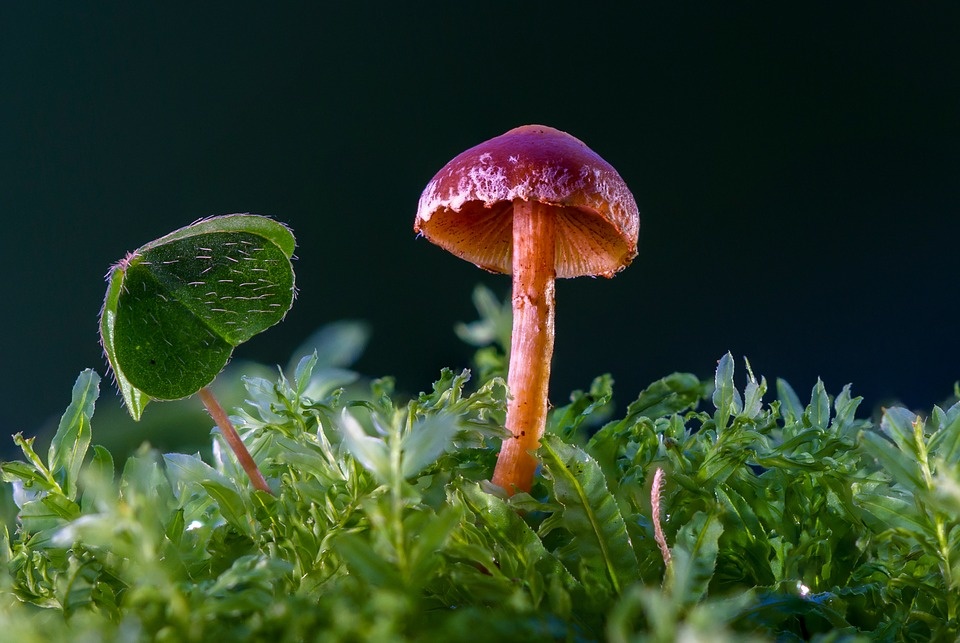
Add one more strange and awesome plastic-killing discover to the list: A rare mushroom that feasts on plastic the same way you or I would when we go to that $5 buffet at Cici's. (I have been only once and I'm still thinking about it, even though just the thoughts are bad for my blood pressure.)


According to reports, the mushroom's plastic-devouring properties were first discovered in 2011, when a team of Yale undergraduates and their professor traveled to Ecuador for a research trip. They found the mushroom — Pestalotiopsis microspora — in the amazon and were astounded to find that the fungus not only subsists on polyurethane (it's the first plant to sustain itself only on plastic), but could do so without oxygen.

That means it could be planted at the bottom of landfills and happily eat its fill of plastic for eons to come! (Just like us at Cici's pizza!)


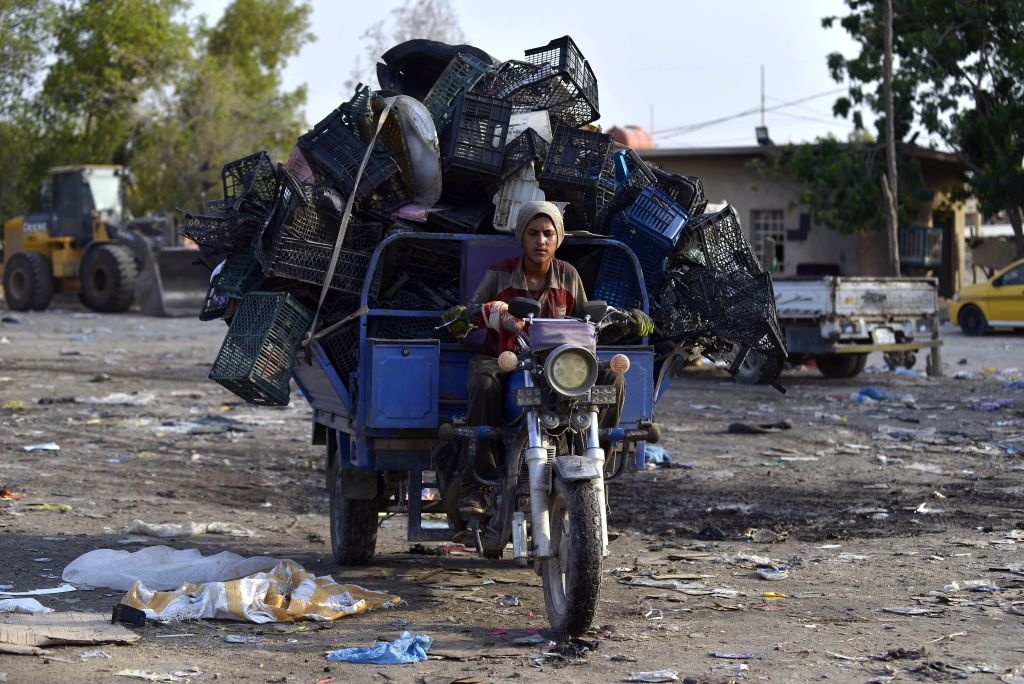
IRAQ-SOCIETY-POVERTY AFP/Getty Images


Despite our best efforts at increasing conservation and reducing waste, the U.S. continues to produce more plastic waste each year, while other recent studies suggest that recycling of plastic waste is actually declining.

The amount of plastic waste that we're producing is estimated to rise 3.8% each year, with an estimated 40 million tons of plastic waste expected to be generated in 2019 alone by American companies and consumers. National Geographic says that over the past 60 years, we've created an estimated 8.3 billion metric tons of plastic waste. An astonishing 83.7% of that waste is expected to end up in landfills. Anything we can do to put a dent into the damage we're creating could make a world of difference for us and the planet.
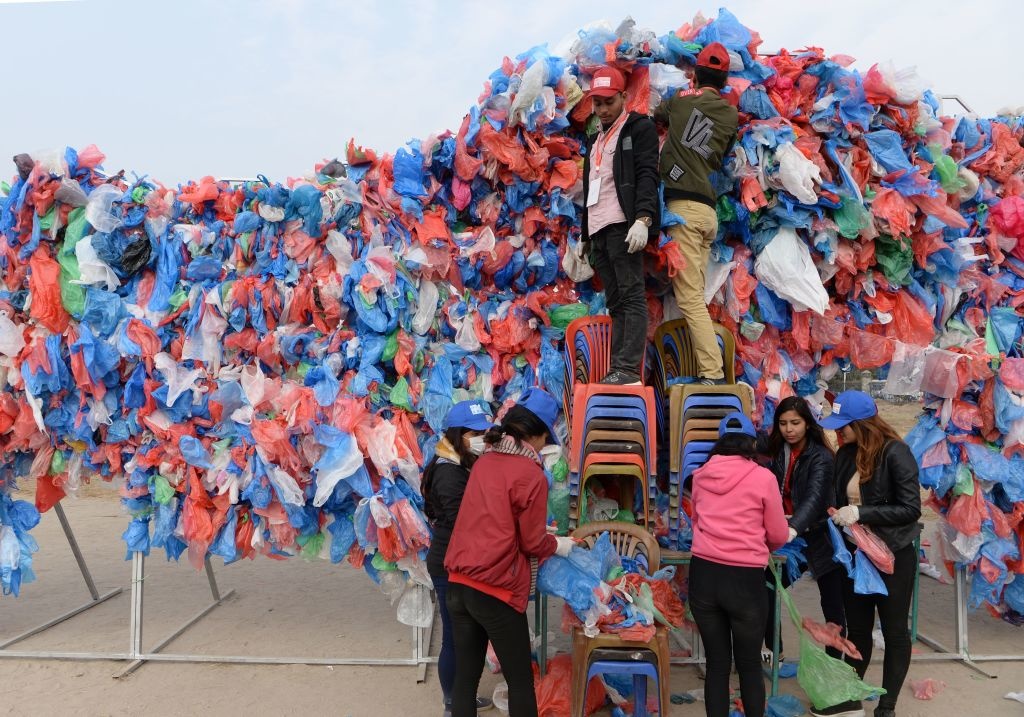

NEPAL-ENVIRONMENT-RECORD AFP/Getty Images


Will these mushrooms be the end to our plastic problems? More research is needed to tell. Until then, we can all help keep landfills cleaner by avoiding single-use plastics in our lives.


The fasting period of Ramadan observed by Muslims around the world is a both an individual and communal observance. For the individual, it's a time to grow closer to God through sacrifice and detachment from physical desires. For the community, it's a time to gather in joy and fellowship at sunset, breaking bread together after abstaining from food and drink since sunrise.

The COVID-19 pandemic has limited group gatherings in many countries, putting a damper on the communal part of Ramadan. But for one community in Barcelona, Spain, a different faith has stepped up to make the after sunset meal, known as Iftar, as safe as possible for the Muslim community.

According to Reuters, Father Peio Sanchez, Santa Anna's rector, has opened the doors of the Catholic church's open-air cloisters to local Muslims to use for breaking the Ramadan fast. He sees the different faiths coming together as a symbol of civic coexistence.

Keep Reading Show less
Courtesy of CeraVe
True

"I love being a nurse because I have the honor of connecting with my patients during some of their best and some of their worst days and making a difference in their lives is among the most rewarding things that I can do in my own life" - Tenesia Richards, RN

From ushering new life into the world to holding the hand of a patient as they take their last breath, nurses are everyday heroes that deserve our respect and appreciation.

To give back to this community that is always giving so selflessly to others, CeraVe® put out a call to nurses to share their stories for a chance to be featured in Heroes Behind the Masks, a digital content series shining a light on nurses who go above and beyond to provide safe and quality care to patients and their communities.

First up: Tenesia Richards, a labor and delivery nurse working in New York City who, in addition to her regular job, started a community outreach program in a homeless shelter that houses expectant mothers for up to one year postpartum.

Tenesia | Heroes Behind the Masks presented by CeraVe www.youtube.com

Upon learning at a conference that black mothers in the U.S. die at three to four times the rate of white mothers, one of the widest of all racial disparities in women's health, Richards decided to take further action to help her community. She, along with a handful of fellow nurses, volunteered to provide antepartum, childbirth and postpartum education to the women living at the shelter. Additionally, they looked for other ways to boost the spirits of the residents, like throwing baby showers and bringing in guest speakers. When COVID-19 hit and in-person gatherings were no longer possible, Richards and her team found creative workarounds and created holiday care packages for the mothers instead.

Keep Reading Show less