The concentration camps of World War II witnessed some of the darkest atrocities in human history. Amid the brutality, however, rare stories of resilience and devotion emerged. Among the most extraordinary is the journey of Joseph and Rebecca Bau, two young prisoners whose quiet romance survived against impossible odds.
The pair met as inmates at the Kraków–Płaszów concentration camp, where Joseph was tasked with drafting construction blueprints for the camp’s commandant, Amon Goeth. Developing blueprint paper in those days required direct sunlight, and on an extraordinarily gloomy day, Joseph was struggling to complete his work. Rebecca, a trained nurse, noticed his frustration and stepped in to converse with him. The brief interaction sparked a bond that grew into a deep, secret relationship inside the camp.
Risking immediate execution, the couple decided to marry. Hundreds of fellow prisoners gathered inside a women’s barracks to witness the clandestine ceremony, with Joseph sneaking into the venue disguised in women’s clothing. Though camp guards searched the barracks shortly after the ceremony ended, Joseph managed to evade detection.
An act of love
Because of Rebecca’s tireless work assisting fellow prisoners in the camp infirmary, a contact grateful for her kindness managed to secure her name a coveted place on Oskar Schindler’s famed list, a document that would ultimately save over 1,200 Jewish prisoners from extermination.
Believing her husband’s chances of survival were far slimmer than her own, Rebecca made a profound choice. Without telling Joseph, she secretly erased her name from the document and wrote his in its place.
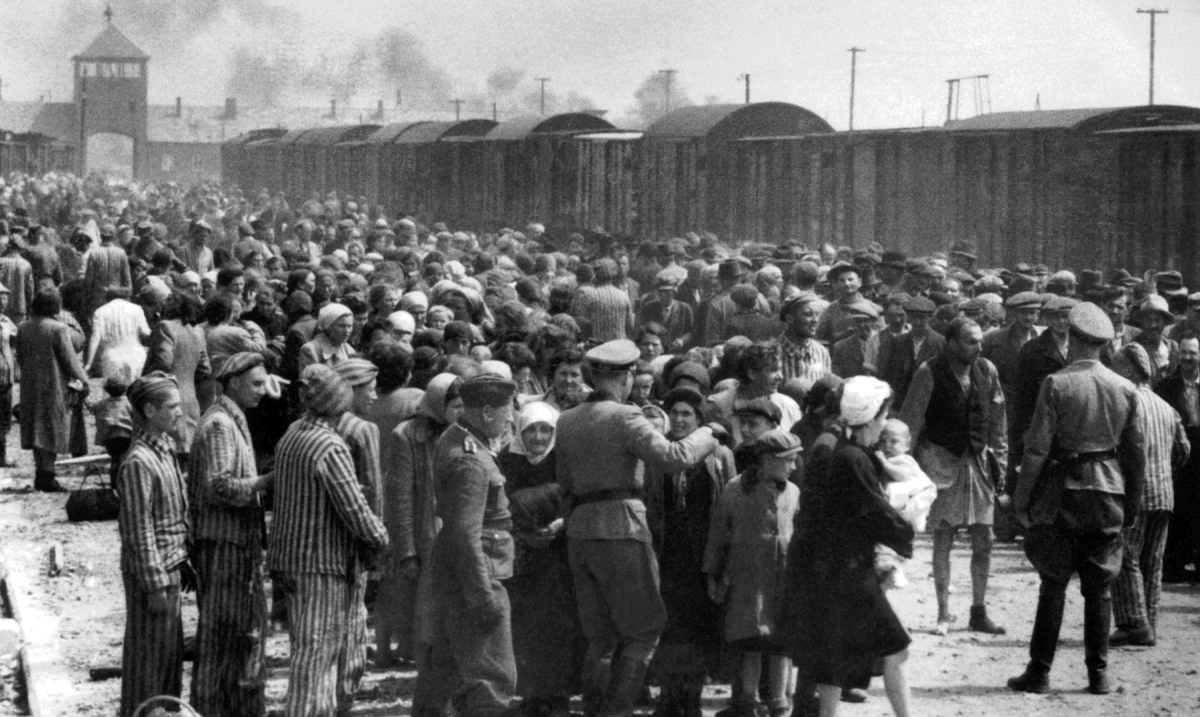
Shortly after, Joseph was safely transferred to Schindler’s factory, entirely unaware of how he had made the list. Rebecca was sent to Auschwitz, where she continued to survive and assist others before being transferred to the Lichtewarden concentration camp in Czechoslovakia.
A 2024 study published in Jewish Culture and History notes that emotional bonds and acts of devotion served as a vital form of psychological resistance during the Holocaust, offering prisoners a sense of purpose and humanity that helped them endure unthinkable trauma.
Against all odds, both Joseph and Rebecca survived the war and reunited in Kraków to rebuild their lives together. Yet, for 50 years, Rebecca never mentioned her ultimate sacrifice.
It was only half a century later that she finally revealed the truth to her husband.
Rebecca’s Why
“Why did you switch your name with mine, and why didn’t you tell me?” Joseph asked her.
“I didn’t tell you because I didn’t want you to feel like you owed me anything, and I did it out of love,” she replied.
In her private diaries, titled In the Name of God, Rebecca had recorded the moment decades earlier, writing, “When my diaries are found, people will know who saved my Uzu…” Her quiet act of selflessness remains a powerful testament to the strength of the human spirit in the face of absolute darkness.