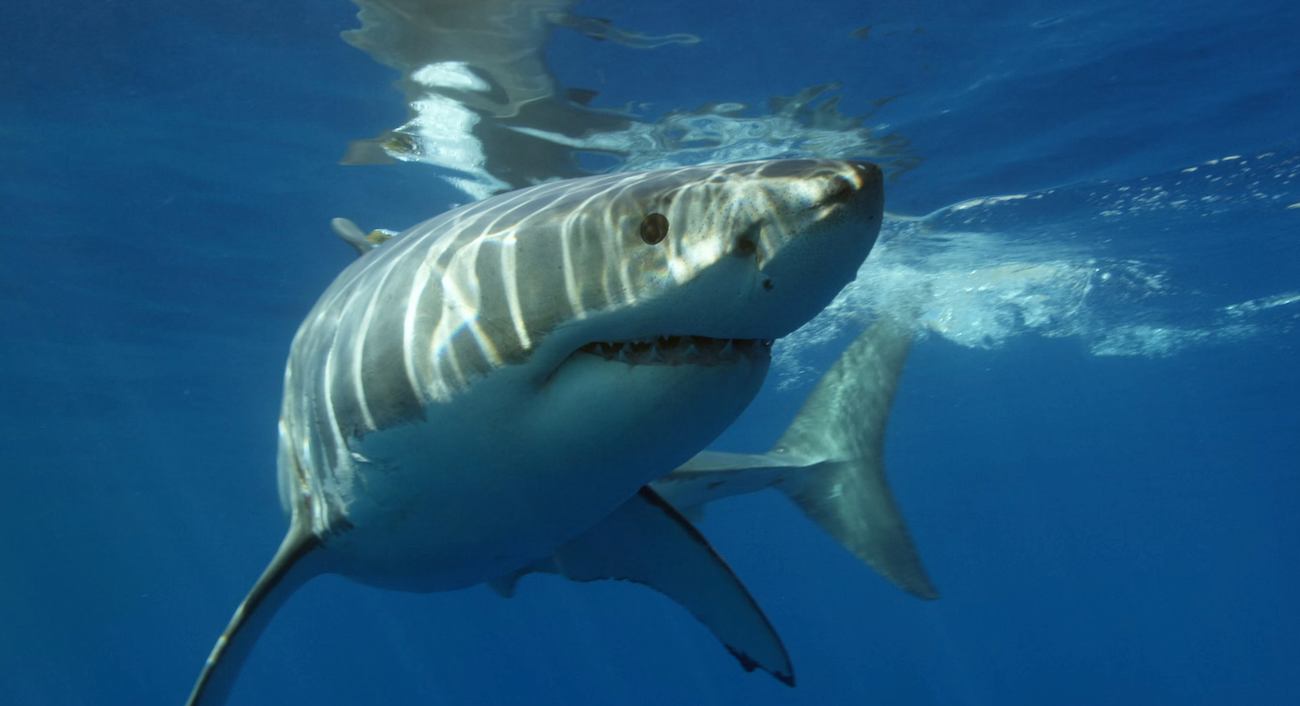
Scientists have long relied on expensive oceanographic vessels and satellites to monitor the oceans, but predicting how quickly a hurricane will intensify remains a complex challenge. To bridge that gap, researchers at the University of Delaware are turning to an unexpected fleet of assistants: sharks, as reported by Fox Weather (@Foxweather).
Led by UD marine scientist Aaron Carlisle, the team is deploying specialized telemetry tags on pelagic shark species (like shortfin makos, blue sharks, smooth hammerheads, and juvenile great whites) to gather critical data as storms approach the East Coast.
Designing the approach required overcoming a unique engineering hurdle. Most satellite-linked wildlife tags were originally built for air-breathing marine mammals like elephant seals or sea turtles, which regularly break the surface. Because sharks are fish and do not need to surface to breathe, the team had to carefully select species that naturally spend time cruising near the upper water column.
When these tagged sharks swim toward the surface, their devices transmit a continuous stream of data measuring water temperature, depth, and electrical conductivity to an orbiting network of satellites.
The primary goal is to capture the thermal energy locked beneath the surface. Warm water serves as the primary engine for hurricane intensification, feeding storms as they track across the ocean.
“This is the part of the water column that really drives hurricane intensity, warmer mixed layer equals stronger hurricane, as it holds the heat that feeds hurricanes,” Carlisle told Reuters. By swimming through key depth zones, the sharks record vital thermal profiles in areas that traditional satellite surface scans and research vessels often miss.
Better forecasting holds massive economic implications. According to the National Centers for Environmental Information, the United States recorded hundreds of billion-dollar weather and climate disasters over the past several decades, resulting in trillions of dollars in cumulative losses. Pinpointing hurricane intensity faster and more accurately could drastically improve emergency response and mitigate infrastructure damage.
For now, Carlisle and his team are taking a measured approach, having deployed tags on a select group of sharks to test the equipment and refine data transmission before scaling the initiative. Beyond hurricane forecasting, the telemetry data is also offering researchers a rare glimpse into how apex predators behave when severe storms pass overhead.