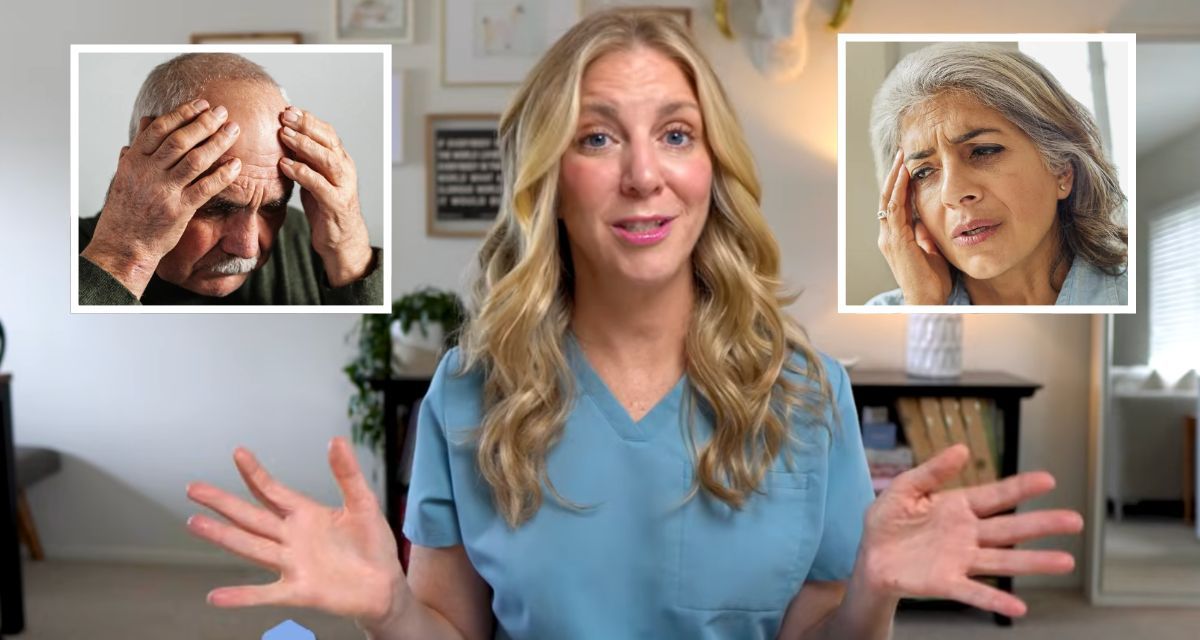
Hospice nurse Julie has shared tons of helpful, insightful, and even comforting videos on end-of-life care and death. Recently, she got candid about exactly what she would want to happen if she were diagnosed with dementia.
She acknowledged that dementia comes in many forms and that no single approach works for everyone. But based on her years of watching patients and families navigate cognitive decline, she wanted to offer a general idea of how she would prepare.
Her list included six things she would want done immediately following a diagnosis, while she still has plenty of cognitive ability to plan for such things herself.
“A lot of people are gonna think this is harsh, but this is what I would want,” she said.
No. 1: Establish DNR and DNI orders
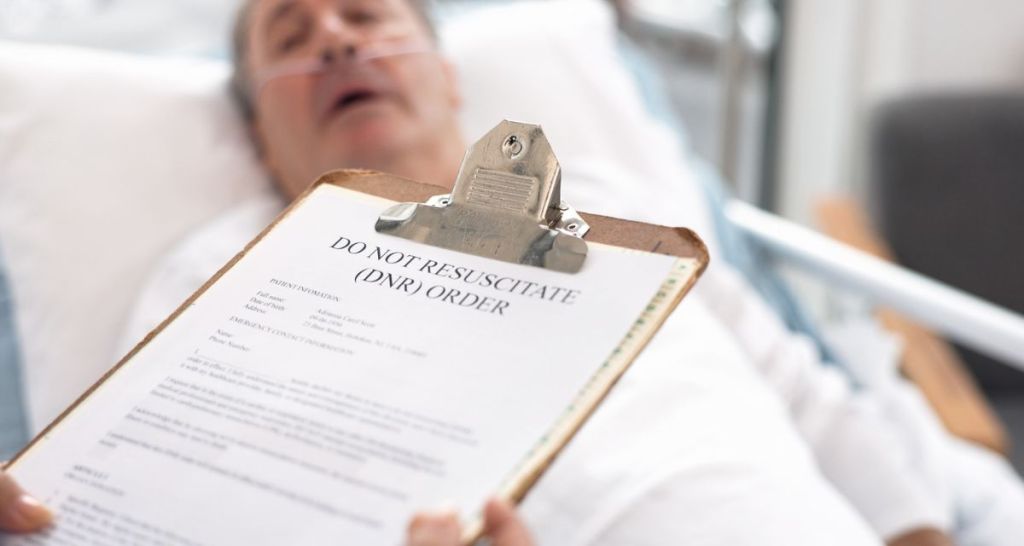
DNR stands for “Do Not Resuscitate,” while DNI means “Do Not Intubate.” These medical orders tell healthcare providers not to do things like CPR, use a breathing tube, or use a ventilator, etc., should a patient’s heart stop beating or they stop breathing.
For Julie, the decision comes down to the kind of care she would want as the dementia progresses. CPR and mechanical ventilation can be invasive, and she would prefer to allow a natural death rather than receive those interventions.
No. 2: Say no to artificial nutrition

Julie also said she would not want a feeding tube or to agree to assisted feeding if the dementia progressed to the point where she could not feed herself. In her view, that level of assistance would indicate that her quality of life had declined beyond what she would find acceptable.
“I would rather cut my life short,” she said.
According to GoodRx, studies indicate that tube feeding does not prolong life, improve quality of life, or prevent aspiration pneumonia in patients with severe dementia. They are more often designed as a temporary fix for shorter treatments, such as after a stroke, during cancer treatment, or while recovering from surgery.
Julie did add the disclaimer that, in this situation, there would be a chance the disease has not advanced enough to truly mark the end of life. That means a person could be cutting their life short by starving to death and “feeling” that starvation. But in this scenario, the person would have had enough notice to be placed in hospice care and hopefully on some “comfort meds” so there wouldn’t have to be suffering.
No. 3: Decline infection treatment

People with advanced dementia can develop complications such as aspiration pneumonia and urinary tract infections. If Julie found herself in this position, she would rather allow the infection to run its course than prolong her life with intense cognitive decline.
Comfort-focused care options exist in these situations. For instance, administering Tylenol and morphine can manage symptoms like pain and achiness.
This does not mean that infections should automatically go untreated for people with dementia. The right choice depends on the person’s preference, overall health, and care goals.
No. 4: Start planning for the cost of care

Julie also recommends thinking about the financial side of dementia as soon as possible.
Hospice can cover many services for eligible people, including medical care, medications related to terminal illness, and support for patients and families through Medicare Part A, Medi-Cal, private insurance, or the VA. But hospice isn’t the same as round-the-clock custodial care. Generally, 24/7 care at home or room and board in a nursing facility is paid out of pocket.
This makes long-term financial planning particularly important. Depending on the person’s needs and resources, care might eventually require family caregivers, paid home care, assisted living, or memory care in a skilled nursing facility.
The National Institute on Aging also recommends making financial and long-term care plans early, while the person with dementia can still participate in those decisions. This ensures the individual’s voice guides critical legal and financial choices before cognitive decline limits their ability to make them. In addition to creating a budget, this includes setting up a durable power of attorney, creating a living will, and consulting an elder law attorney.
No. 5: Plan the funeral

While she can still choose for herself, Julie wants to decide whether she wants to be buried or cremated, whether she wants a funeral service, and what types of music or readings she might want included.
It might feel strange to plan a funeral so far in advance, but doing so can take some of the burden off loved ones later, so they don’t have to guess. Especially if dementia eventually makes it difficult for the person to communicate these wishes.
No. 6: Have a ‘living funeral’

Finally, Julie said she would want to “celebrate” her life while she could still fully participate.
She knows that a dementia diagnosis would bring a natural “grieving process.” But rather than waiting until the disease had progressed, she would want to gather the people she loves and honor who she is at that moment.
This could mean a big gathering or “living funeral,” as she phrased it. Or it could mean simply making more time for the people and activities that bring her joy.
Whatever your wishes are, make them known
For Julie, all these decisions come back to one thing: making them while she can still speak for herself.
Of course, end-of-life care is a series of deeply personal decisions. A person with dementia may have very different wishes depending on their health, values, and disease stage. That’s why it’s important to discuss these choices with a doctor and loved ones while the person can still decide.
That means learning about the specific diagnosis, talking with doctors and loved ones, and discussing what quality of life means to her before she may no longer be able to communicate those wishes.
An advance directive can then put those preferences in writing. It lets a person document their wishes for future medical care if they become unable to make or communicate decisions. Depending on state law, it can also allow someone to designate a healthcare proxy or durable power of attorney to make medical decisions on their behalf. They can be filled out for free online.
These conversations are never easy, with ourselves or with others. But having them early can give our loved ones and us clarity when it matters most.