A man lost his dog Mayo in his divorce. His ex got custody. For a while it was okay because she’d call him when she went out of town and he’d look after Mayo for a few days. But eventually he got tired of being used as convenient dog-sitting, and he said no.
Mayo was about five years old the last time they saw each other.
Ten years passed. Then his ex called again, this time not to ask a favor. Mayo had cancer. He was dying. She thought the man might want to see him.
He did.
The problem, according to the story shared on Threads by Uncle B (@bankole_oluremi), was that Mayo was now 15 years old, hadn’t seen this man in a decade, and wasn’t exactly friendly with strangers anymore. The ex was genuinely worried the dog might attack him. When the man found Mayo in the backyard, the dog gave a low growl. Right on schedule.
Then the man did a whistle. The same signature whistle he’d used with Mayo throughout the years they’d lived together.
The growling stopped.
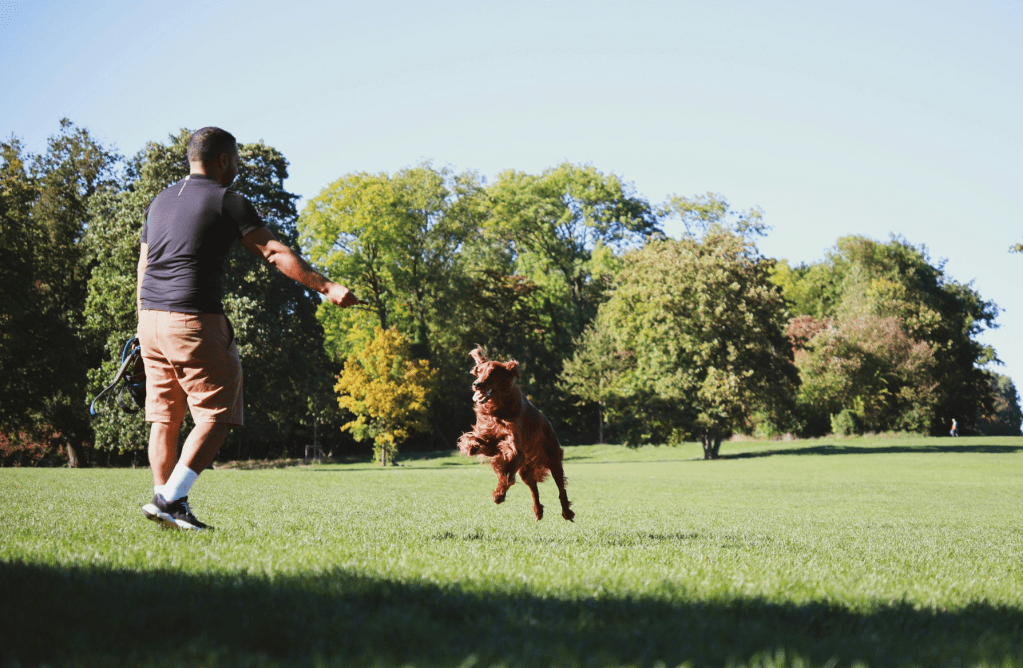
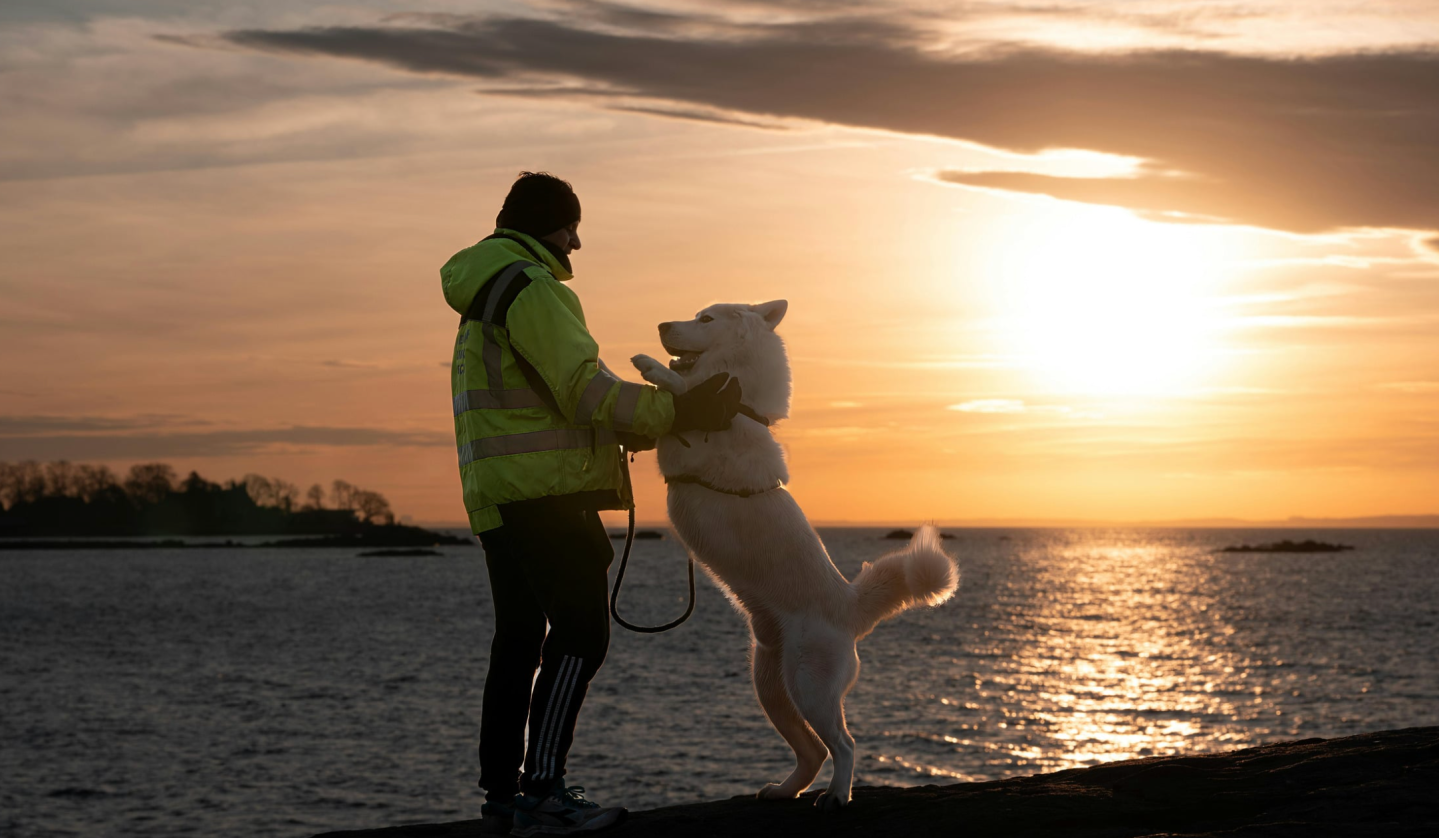
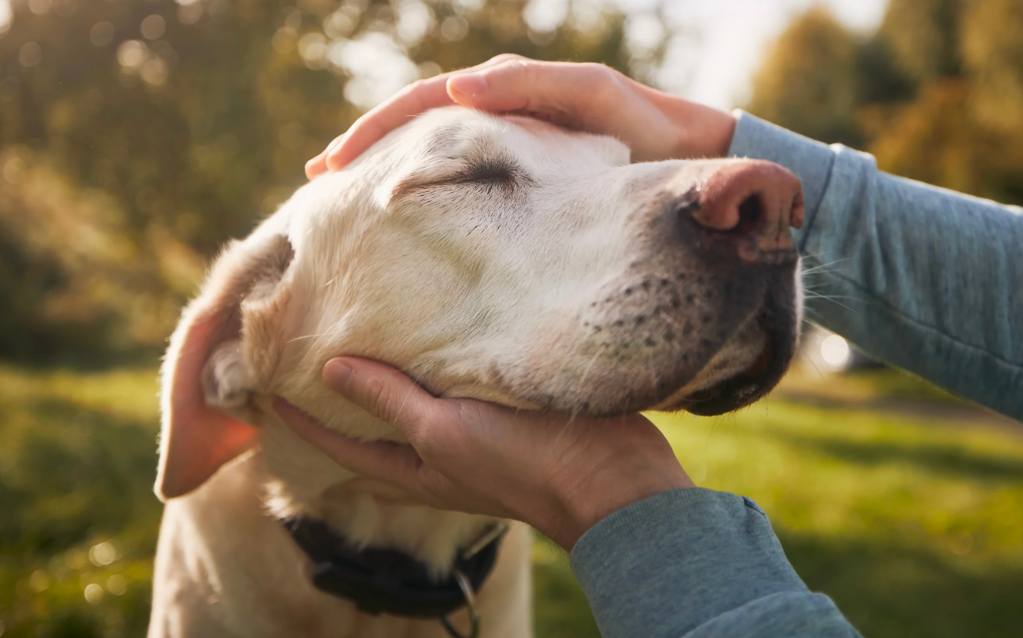
Mayo recognized him. A 15-year-old dog who hadn’t heard that sound in ten years, sick with cancer, recognized the specific whistle of the person who used to be his person. He walked over and put his head in the man’s lap. They sat together in silence for a while.
The science behind this isn’t really surprising, even if the story feels like it should be. Dogs don’t forget the people who matter to them. They just don’t. A University of Padua study found that dogs use facial recognition, smell, and hearing together to identify their owners. Their sense of smell is roughly 40 times stronger than a human’s, with up to 300 million olfactory receptors compared to our 6 million. The olfactory bulb in a dog’s brain connects directly to the hippocampus and amygdala, the same areas that handle long-term memory and emotion.
Dogs also experience what researchers call episodic-like memory. They don’t just remember who you are. They remember how you made them feel. That emotional imprint doesn’t fade the way short-term memory does. When dogs see or smell someone they’re bonded to, their brains release oxytocin, the same bonding hormone that connects mothers and infants. To a dog, your presence isn’t just familiar. It’s deeply comforting in a way that apparently survives a decade of absence and a terminal illness.
Mayo was already well past the typical Samoyed lifespan of 12 to 14 years when this happened. He was old and sick and had spent the last decade without the person who used to whistle for him. And still, the moment he heard it, he knew.
The post has over 7,000 likes on Threads. The comments are full of people sharing their own versions of the same story. One person wrote about a rescue dog who would cry every time they drove past the pound she’d been adopted from, years after the fact. Another shared that David Attenborough has said he wants his dog brought to him when he’s dying so the dog doesn’t think he simply abandoned him by disappearing.
Dogs remember. They just don’t have a way to tell you that until you walk back into the yard and do the whistle.