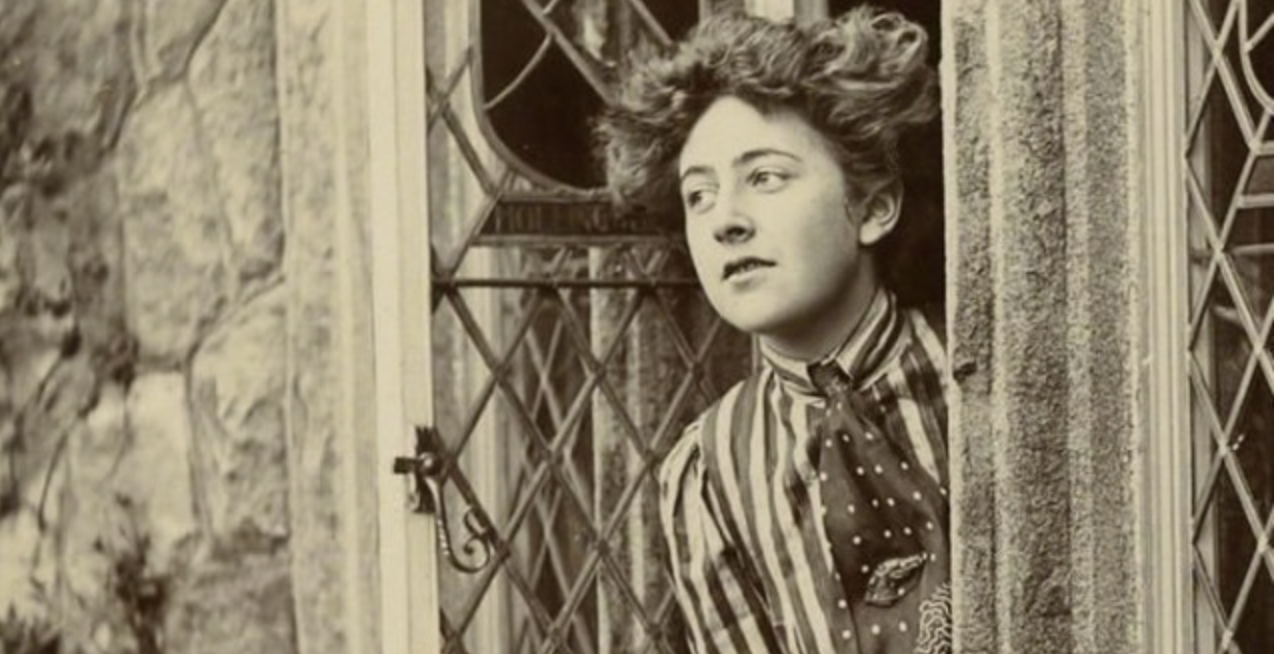
Agatha Christie is universally celebrated as one of the best-selling authors in history. She penned more than 80 books, selling billions of copies worldwide. Her intricate detective plots and brilliant murder mysteries have captivated readers for over a century. However, few people realize that her meticulous attention to detail didn’t just entertain readers—it actually saved a dying child’s life.
In June 1977, a 19-month-old girl was flown from Qatar to London in critical condition. She was admitted to Hammersmith Hospital suffering from a severe, cascading illness that completely baffled the medical staff. The toddler was semi-conscious, her blood pressure was dangerously low, she had immense difficulty breathing, and her hair had begun to fall out in clumps. Doctors ran a battery of tests for rare disorders, but every lead turned into a dead end as her condition continued to rapidly decline.
The breakthrough didn’t come from a medical journal. It came from a paperback novel.
A nurse named Marsha Maitland was caring for the little girl while reading Christie’s 1961 crime novel The Pale Horse. In the book, characters fall victim to a mysterious illness whose most distinctive symptom is hair falling out, a classic sign of thallium poisoning. The description struck Maitland. She looked at the toddler in the bed, noticed the identical symptom, and began to wonder if life was imitating art.
The next morning, Maitland presented her theory to the attending physician. Dr. Victor Dubowitz, a professor of pediatrics at the Royal Postgraduate Medical School, admitted that the staff was “in a state where almost any suggestion was welcome,” as reported by The Washington Post.
Because thallium poisoning was incredibly rare in Britain at the time, the hospital lacked the specialized equipment needed to test for it. Desperate for answers, Dubowitz contacted Scotland Yard to locate a laboratory capable of running a toxicity screen. In a bizarre twist, Scotland Yard also put the medical team in touch with a thallium expert who was serving time at Wormwood Scrubs Prison and happened to possess detailed notes on the chemical’s effects.
When the toxicology results finally came back, the lab confirmed that the little girl had 10 times the lethal level of thallium in her system. Investigators later discovered that the chemical had been used as a pesticide to control cockroaches and rodents in her family’s home in Qatar.
With the source of the illness identified, doctors immediately began the correct treatment. Within three weeks, the child showed “remarkable” improvement, and four months later, she was discharged to return home with her parents. “When we last saw her, she had made a good deal of progress and was sitting up and taking notice again,” Dubowitz recalled.
Christie’s uncanny ability to describe the poisoning so accurately was rooted in her real-world experience. According to historian Lucy Worsley, author of the biography Agatha Christie: An Elusive Woman, Christie’s path to detective fiction solidified during World War I, when she moved from working in hospital wards to the dispensary.
“This was the tipping point,” Worsley told ABC News, explaining that the job required mixing precise medicinal formulations by hand. It was in that dispensary that Christie acquired a profound, clinical knowledge of lethal compounds, giving her an expertise that, decades later, would jump off the page to guide a nurse and save a little girl’s life.