The over-optimizers are officially out of control. Some die-hards use apps, journals, and whatever they can to track all of their habits religiously, monitor biomarkers, and optimize every single facet of their lives—usually in a bid to be more successful in professional endeavors.
If this obsession with producing as much work as possible seems like a recent development, it may not be. While the apps and the technology are new, the beliefs like avoiding sugar after 9 p.m. or setting your home office to the exact right temperature, are nothing novel.
In fact, some of the greatest thinkers, writers, philosophers, and overall geniuses subscribed to some pretty bizarre beliefs and routines in order to be at their best.
Here are 11 of the weirdest habits of some of history’s greatest minds.
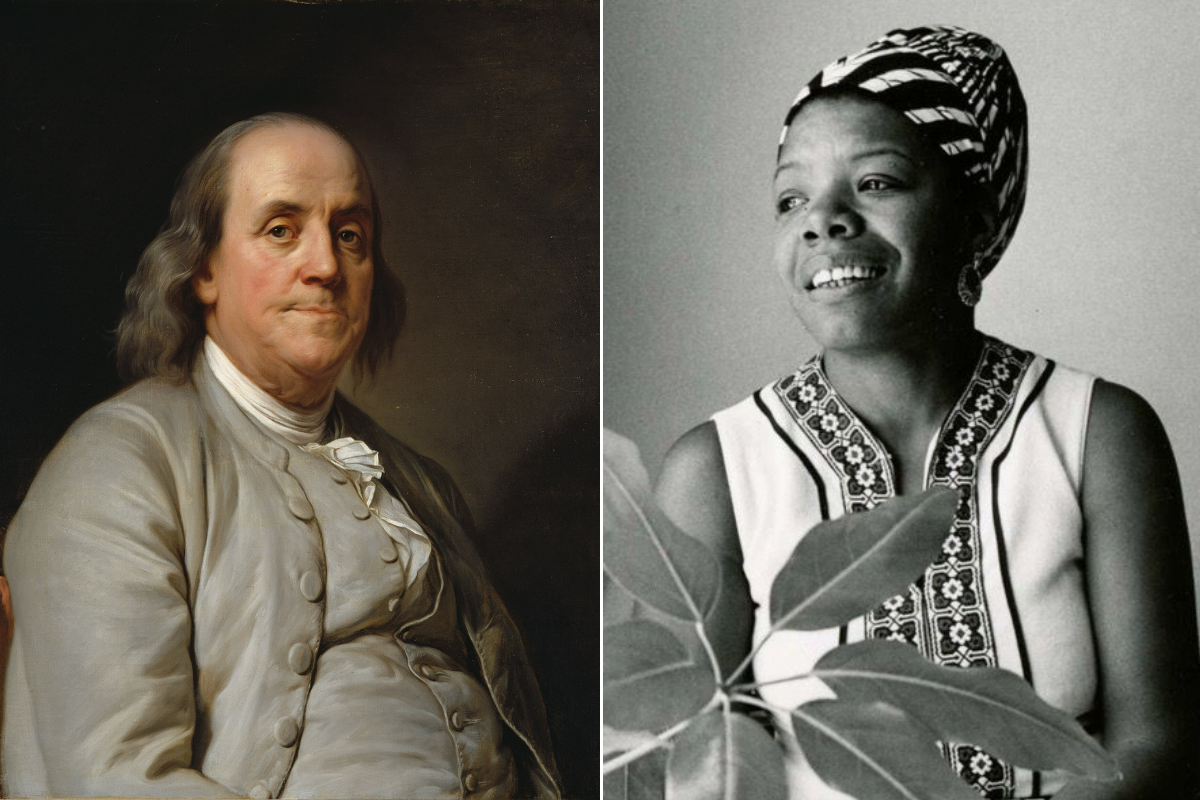
Ben Franklin’s air baths
There are a lot of wild stories about Ben Franklin, most of them true. But most people don’t know that he liked to take “air baths,” where he’d sit naked in a room with an open window. He would read or write this way for about an hour, believing it refreshed his body and mind.
Ludwig van Beethoven’s coffee beans
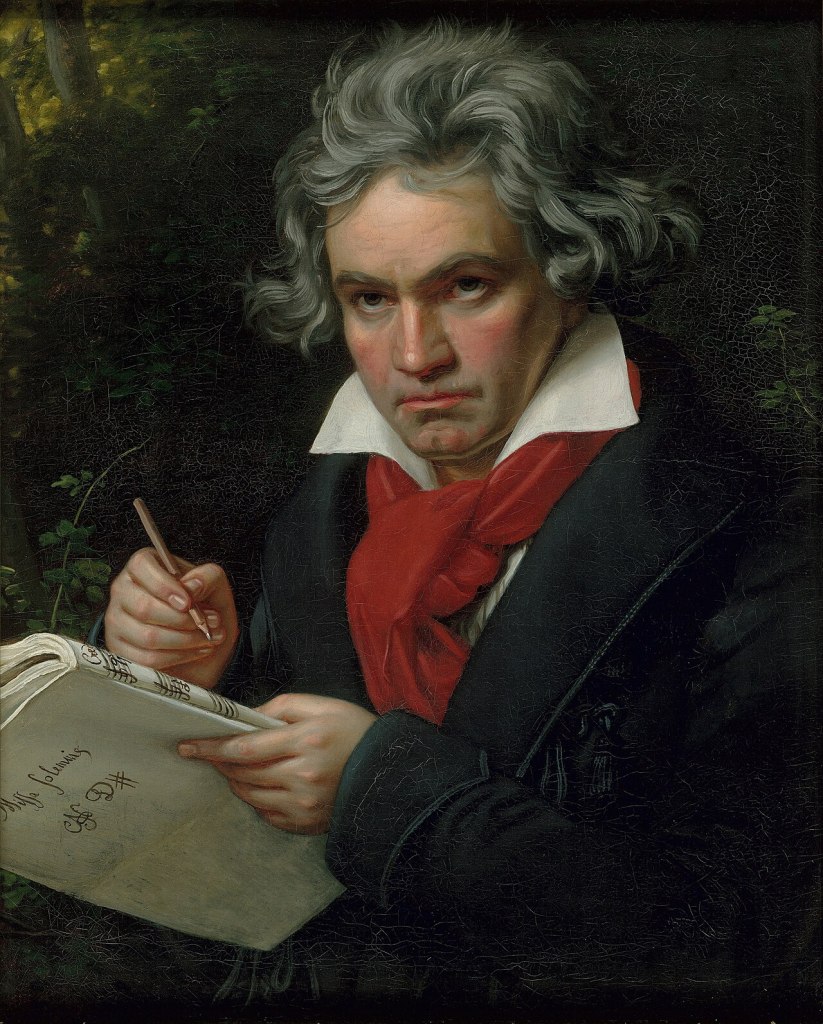
The German composer needed a lot of coffee to create such wonderful and iconic music. However, he was very particular about a lot of things, especially how many coffee beans he used.
Legend has it that Beethoven individually counted out 60 coffee beans for his morning brew each and every day, considering it the ideal ratio. Barista Hustle adds that it’s likely he wanted to get the taste exactly right without using any extra beans, which were expensive at the time.
Charles Darwin’s peculiar walks
Darwin was big on thinking, and he did his best thinking while walking. So much so that he built a gravel path on his property and would place a pile of stones on it daily. For each lap around the looped path, he would kick away one stone.
The tougher the problem, the more pebbles required.
Voltaire’s caffeine habit
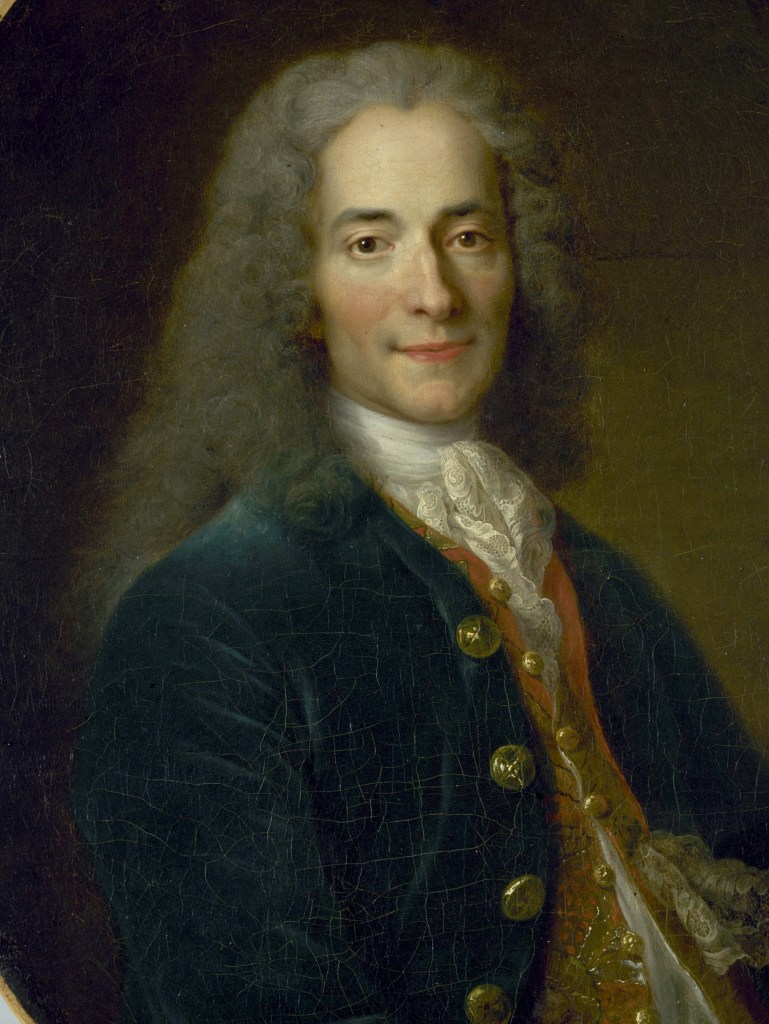
Another great thinker who heavily relied on coffee to fuel his genius, the philosopher and writer Voltaire reportedly drank more than 40 cups per day from the hours of 5 a.m. to 3 p.m. Some even say he never stopped drinking coffee.
Author Geri Walton adds that Voltaire was known to mix chocolates into his coffee from time to time.
Friedrich Schiller’s rotting apples
Poet and playwright Friedrich Schiller had a unique way of combating writer’s block: He kept a desk drawer-full of apples, slowly allowing them to rot and stink up the room. He believed the awful stench was key to stimulating his creativity.
The Marginalian quotes Schiller’s wife as saying “he could not live or work without it.”
Victor Hugo’s cold wake-ups
Victor Hugo may have been one of the originators of the cold plunge. Every morning at dawn, he would reportedly take a bath on his roof in ice-cold water that had been left out overnight to chill. Other reports say he’d have one of his servants pour a bucket of cold water over his head.
It’s certainly a unique alternative to Voltaire’s dozens of cups of coffee.
Marcel Proust’s quiet room
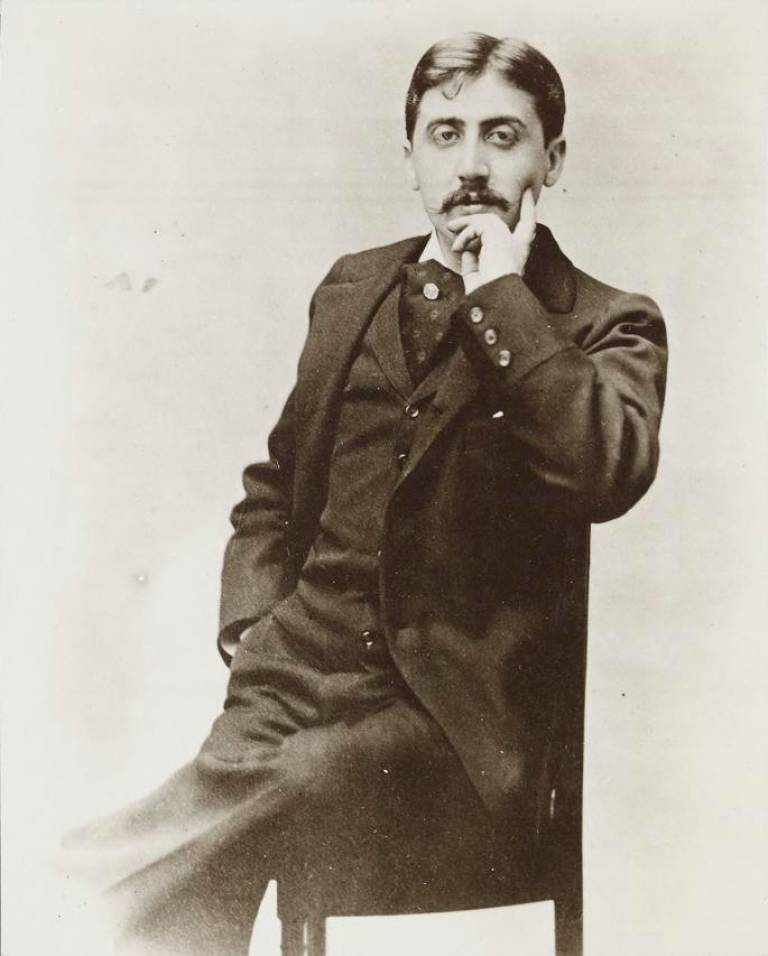
The French novelist Marcel Proust believed silence was critical to his work. He even lined his bedroom walls with cork to block out all sound.
The Paris Review writes, “The cork on the walls was intended not just to soundproof but to prevent pollen and dust from aggravating Proust’s allergies and asthma. The result was somewhat tomblike. “
Charles Dickens’ North-facing sleep
Writer Charles Dickens believed in the power of a good night’s sleep, but with a twist: he reportedly always carried a compass with him so that he could sleep with his body oriented North-South. Dickens was adamant that North-facing sleep improved his creativity and health.
This habit could be explained by the fact that Dickens had numerous sleep disorders including insomnia.
Maya Angelou’s hotel go-bag
The great American poet Maya Angelou could not write in her house. While writing, she rented a hotel room each day to get her work done. That part’s not that weird. What’s strange is that she always brought along the same items: a bottle of sherry, a deck of cards, a legal pad, a Bible, and a dictionary. (The cards were for playing Solitaire when she got stuck.)
She wanted nothing else in the room besides a bed and sink, calling the rooms she liked “tiny [and] mean.”
Nikola Tesla’s bizarre exercise
Inventor and engineer Nikola Tesla was a proponent of exercise being key to mental health and sharp thinking. In fact, every night before bed, he did 100 curls—toe curls, that is.
He believed the toe curls stimulated his brain cells. Or, at least, they kept his legs from falling asleep at his desk since he worked religiously from 9 a.m. to 6 p.m. daily.
Agatha Christie’s plot baths
Agatha Christie, the famous mystery novelist, was a believer in the creative power of apples just like Schiller. However, she preferred to write and think about her stories in the bathtub, while eating one. She told The New York Times, “Years ago I got my plots in the tub, the old-fashioned, rim kind — just sitting there thinking, undisturbed, and lining the rim with apple cores.”
While these habits and rituals are weird, you have to admire the tenacity and dedication to craft. The concept of “work-life balance” and “not drinking 50 cups of coffee per day” wouldn’t come about until the more modern age, but the all time greats were willing to do whatever it takes.