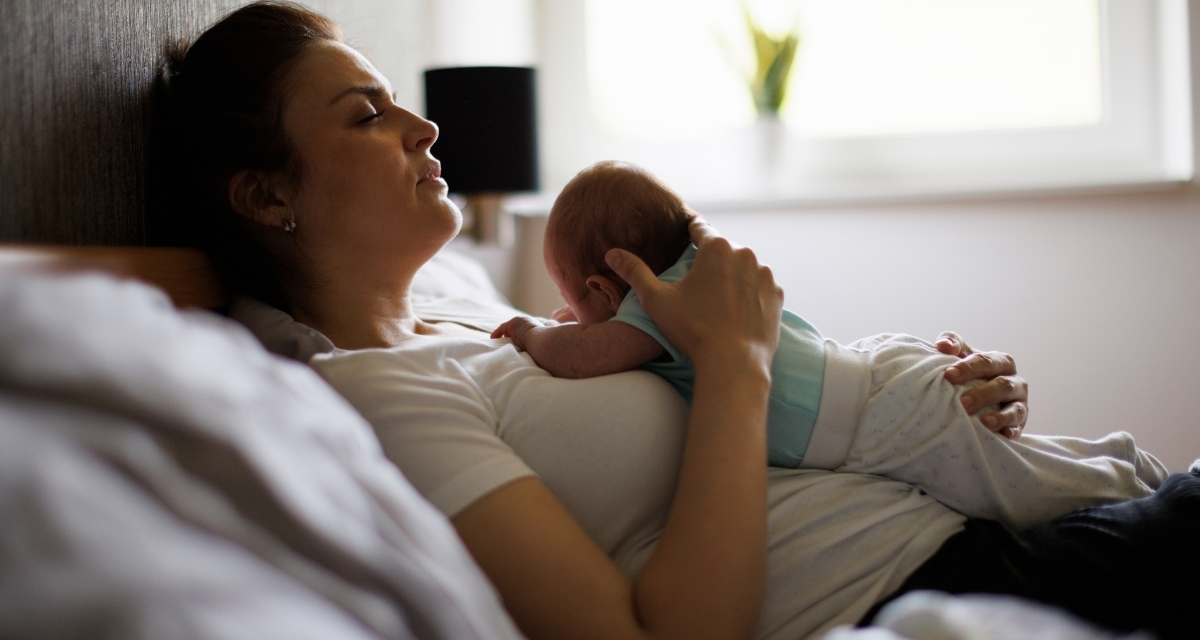
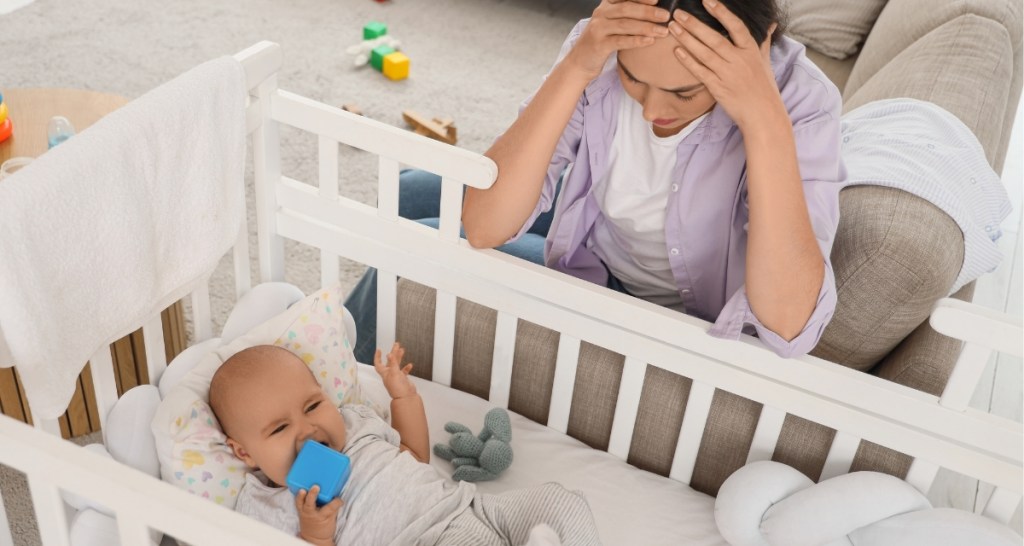
First-time motherhood can feel overwhelming in every way. Bringing a human into the world that you are responsible for and fall madly in love with is life-changing, to say the least. But when you add a layer of postpartum depression (PPD) onto that overwhelm, it can all feel like way too much to handle.
A mom shared texts her mother-in-law sent her when she was struggling with PPD with her firstborn, and people are loving them. The post from @mamaesterm provides a great example of what support looks like.
First, it’s important to note that one of the most important ways to support someone going through PPD is to encourage and help them seek professional help. Treatments are available.
Each text has a specific element that makes it particularly effective:
‘Can I come by and help tidy up while you take a nap with the baby?’
This message acknowledges that Mom needs sleep and also needs a clean home. Often, those needs are not compatible in the early weeks and months of motherhood. People tell you to “sleep when the baby sleeps,” but if you have a high-needs baby, nap time is often the only time you have to get things done. People will also say the state of your house doesn’t matter, but for many, if not most, it’s easier to manage mental health when the home is under control.
So, having someone ask if they can come and help with the house while Mom naps with the baby hits both needs simultaneously.

‘You’re doing such a great job, I know it’s hard sometimes. [heart emoji]‘
Encouragement is so important for new parents. It’s common to feel like you have no idea what you’re doing with a new baby, while desperately wanting to not screw it up. And when you’re struggling with PPD, the guilt over feeling unable to care for your child the way you want to makes all of that worse. Being told you’re doing a good job feels like a refreshing drink of water.
‘Look how sweet she is she’s the cutest little thing, I’m obsessed with the precious photo editing app you told me about.’ [baby photo]
When you’re wrapped up in all the feelings, hormones, and overwhelm of new motherhood with PPD piled on top of it, it’s easy to lose perspective. Seeing reality through a loved one’s eyes can sometimes help ease some of the distorted thinking.
The beauty in this message is there’s no shame or guilt attached to it. Some people might say something like, “Why are you sad? You have a beautiful, healthy baby!” which often just leads the mom to feeling guilty about feelings she can’t control. This text makes no judgments, and, in fact, reminds the mom of something positive she has done for her family.
‘Pete mentioned it was a long night with baby girl. I’m doing a Starbucks run and will drop off breakfast for you on the porch.’
This one might just be the best. Asking if someone wants help is great. But sometimes just doing the thing without asking, especially if it’s not intrusive in any way, is the way to go. Saying, “I’m heading out for food. I’m going to grab you some and drop it on your porch,” removes any obligation from the equation. No decision had to be made. No pressure to interact or entertain, which can be a big load off. And no guilt over the state of the house or your lack of a shower, which is huge.
As one commenter wrote, “Starbucks left on the porch…that’s someone who just wants to love and help without intruding. She’s a gem, keep her.”
What are some common signs of PPD?
Hormonal fluctuations after birth can cause a lot of emotional ups and downs. What makes postpartum depression different from the “baby blues” is the intensity and severity of the downs.
According to the Cleveland Clinic, these symptoms can be signs you might be struggling with PPD:
- Feeling sad, worthless, hopeless, or guilty
- Worrying excessively or feeling on edge
- Loss of interest in hobbies or things you usually enjoy
- Changes in appetite or not eating
- Loss of energy and motivation
- Trouble sleeping or wanting to sleep all the time
- Crying for no reason or excessively
- Difficulty thinking or focusing
- Lack of interest in your baby or feeling anxious around your baby
If you’ve recently given birth and these symptoms sound familiar, definitely have a conversation about what you’re feeling with your doctor. And if you know someone who is struggling postpartum, support is crucial. In addition to helping them find professional help, providing encouragement and practical help, especially without having to be asked, can be invaluable.