Her husband hid in the bathroom to avoid parenting. She found a brilliant way to get him out.
Photo by Andrew Neel on Unsplash

There are few words to describe how drastically a marriage changes after the first child has arrived. Any faults or weaknesses you may not have noticed in your relationship become clear as day.

With a new child comes a host of responsibilities to be divided up among the couple. According to a study from Journal of Marriage and Family, 95% of heterosexual couples want egalitarian marriages where duties are shared. But research shows more often than not, the women in the relationship are forced to put in a lot more effort.


According to the study, before the child, each parent worked about 15 hours a week in the house. After the child reached the age of nine months, the women continued to do 15 hours of housework but added 22 hours of childcare.

The men added 14 hours of childcare and did five fewer hours of housework a week. So the women's' workload doubled that of the men.

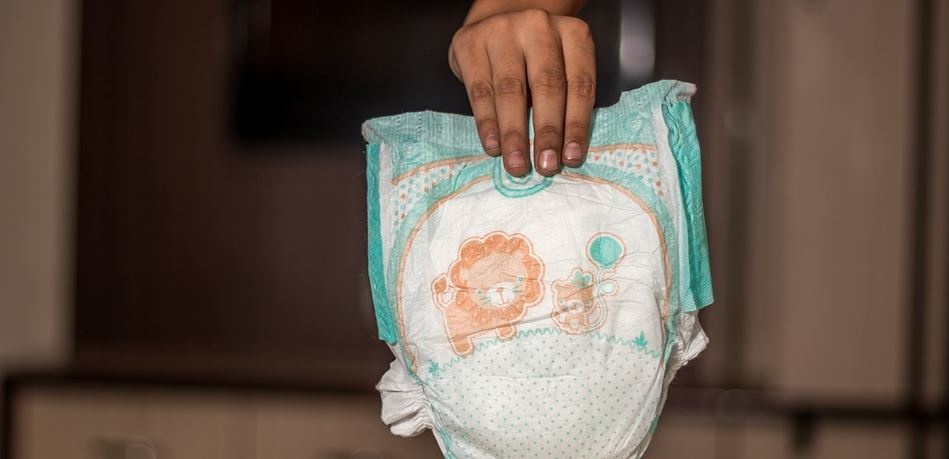
via PixaBay

Reddit user FinalWintersEve couldn't handle that her husband was shirking his parental duties, she found a practical way to get him to do his share.

She told the story on the subreddit Am I The Asshole? and Redditors unanimously agreed that she's totally in the right.

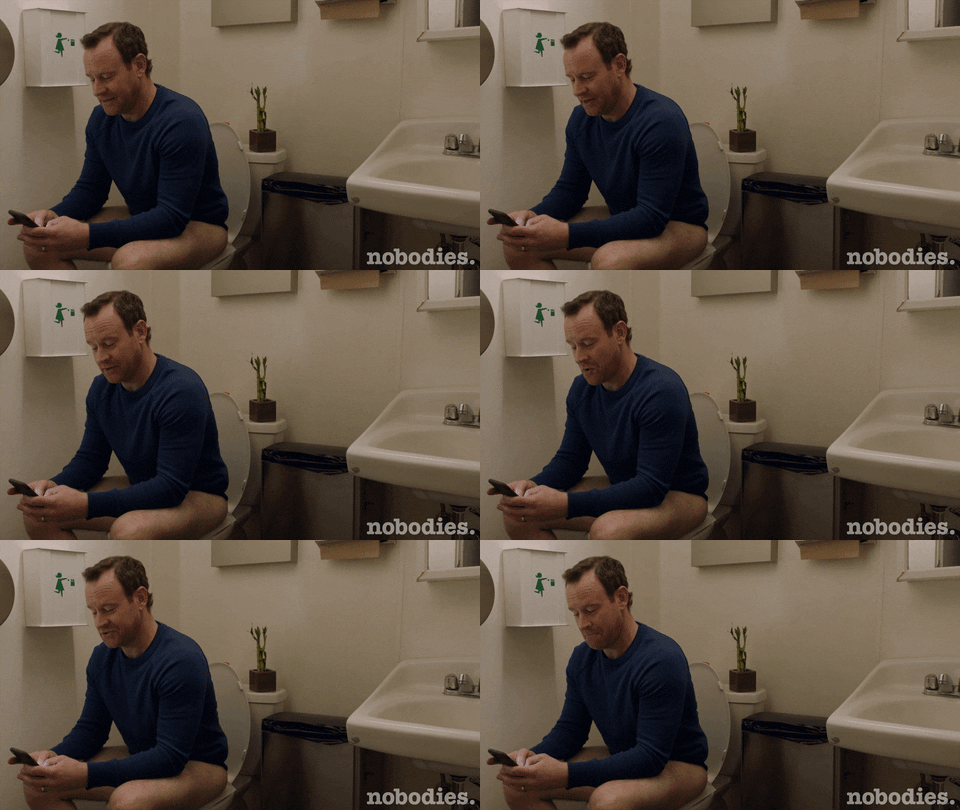
"My husband and I are the parents of twins who are less than a year old," the story begins. "Anytime my husband SHOULD be doing something with the children ( it's his turn for a diaper, a bottle, even just soothing a fussy newborn) he ALWAYS goes to the bathroom first."

The constant trips may seem like he's ducking out of his responsibilities. But he has a health condition that means he has to frequently use the bathroom. So he makes sure to go before starting any major tasks like rocking the baby to sleep or changing a diaper.

But it's pretty obvious that he's taking advantage of the stituaiton,

"Over the past couple months he has been spending more and more time in there," the mother wrote. "He always takes his phone. He is always watching youtube. His average session is 25 minutes in there, often longer, rarely shorter."

She started keeping track of his time on the pot, and realized that "only twice in 10 days, not ditched me to go camp out in the bathroom and let me finish 80% of the childcare."

In addition, she says her husband spends about eight hours a day on a PC in his office playing the video game Diablo. The couple is currently on parental leave from work.

She's not alone in being angry over her hubby's video game habits. A recent study by Divorce Online found that of wives who "cite unreasonable behavior for ending their marriage, 15% believe their partners put gaming before them."

To stop her husband from ditching his daddy duties by hiding in the bathroom and watching YouTube, his wife came up with a brilliant solution: turn off the home's Wi-Fi.

"Today I started a new rule. If he is in the bathroom for more than 10 minutes, I flip the wifi off," she wrote. "He has not spent more than 15 minutes in the bathroom at a stretch today, but is extremely upset."

The fact that this poor woman has had to go to these lengths to get her husband to pull his weight around the house shows that their relationship has some major flaws. But countless people on Reddit applauded her efforts and admitted their husband does the same thing, too.



This commenter hit the nail on the head.


True

Temwa Mzumara knows firsthand what it feels like to watch helplessly as a loved one fights to stay alive. In fact, experiencing that level of fear and vulnerability is what inspired her to become a nurse anesthetist. She wanted to be involved in the process of not only keeping critically ill people alive, but offering them peace in the midst of the unknown.

"I want to, in the minutes before taking the patient into surgery, develop a trusting and therapeutic relationship and help instill hope," said Mzumara. Especially now, with Covid restrictions, loved ones are unable to be at the side of a patient heading to surgery which makes the ability to understand and quiet her patients' fears such an important part of what she does.

Temwa | Heroes Behind the Masks presented by CeraVe www.youtube.com

Dedicated to making a difference in the lives of her patients, Nurse Mzumara is one of the four nurses featured in Heroes Behind the Masks, a digital content series by CeraVe® that honors nurses who go above and beyond to provide safe and quality care to their patients and communities.

Keep Reading Show less
Canva

As millions of Americans have raced to receive the COVID-19 vaccine, millions of others have held back. Vaccine hesitancy is nothing new, of course, especially with new vaccines, but the information people use to weigh their decisions matters greatly. When choices based on flat-out wrong information can literally kill people, it's vital that we fight disinformation every which way we can.

Researchers at the Center for Countering Digital Hate, a not-for-profit non-governmental organization dedicated to disrupting online hate and misinformation, and the group Anti-Vax Watch performed an analysis of social media posts that included false claims about the COVID-19 vaccines between February 1 and March 16, 2021. Of the disinformation content posted or shared more than 800,000 times, nearly two-thirds could be traced back to just 12 individuals. On Facebook alone, 73% of the false vaccine claims originated from those 12 people.

Dubbed the "Disinformation Dozen," these 12 anti-vaxxers have an outsized influence on social media. According to the CCDH, anti-vaccine accounts have a reach of more than 59 million people. And most of them have been spreading disinformation with impunity.

Keep Reading Show less
Photo by Daniel Schludi on Unsplash
True

The global eradication of smallpox in 1980 is one of international public health's greatest successes. But in 1966, seven years after the World Health Organization announced a plan to rid the world of the disease, smallpox was still widespread. The culprits? A lack of funds, personnel and vaccine supply.

Meanwhile, outbreaks across South America, Africa, and Asia continued, as the highly contagious virus continued to kill three out of every 10 people who caught it, while leaving many survivors disfigured. It took a renewed commitment of resources from wealthy nations to fulfill the promise made in 1959.

Forty-one years later, although we face a different virus, the potential for vast destruction is just as great, and the challenges of funding, personnel and supply are still with us, along with last-mile distribution. Today, while 30% of the U.S. population is fully vaccinated, with numbers rising every day, there is an overwhelming gap between wealthy countries and the rest of the world. It's becoming evident that the impact on the countries getting left behind will eventually boomerang back to affect us all.

Photo by ismail mohamed - SoviLe on Unsplash

The international nonprofit CARE recently released a policy paper that lays out the case for U.S. investment in a worldwide vaccination campaign. Founded 75 years ago, CARE works in over 100 countries and reaches more than 90 million people around the world through multiple humanitarian aid programs. Of note is the organization's worldwide reputation for its unshakeable commitment to the dignity of people; they're known for working hand-in-hand with communities and hold themselves to a high standard of accountability.

"As we enter into our second year of living with COVID-19, it has become painfully clear that the safety of any person depends on the global community's ability to protect every person," says Michelle Nunn, CARE USA's president and CEO. "While wealthy nations have begun inoculating their populations, new devastatingly lethal variants of the virus continue to emerge in countries like India, South Africa and Brazil. If vaccinations don't effectively reach lower-income countries now, the long-term impact of COVID-19 will be catastrophic."

Keep Reading Show less