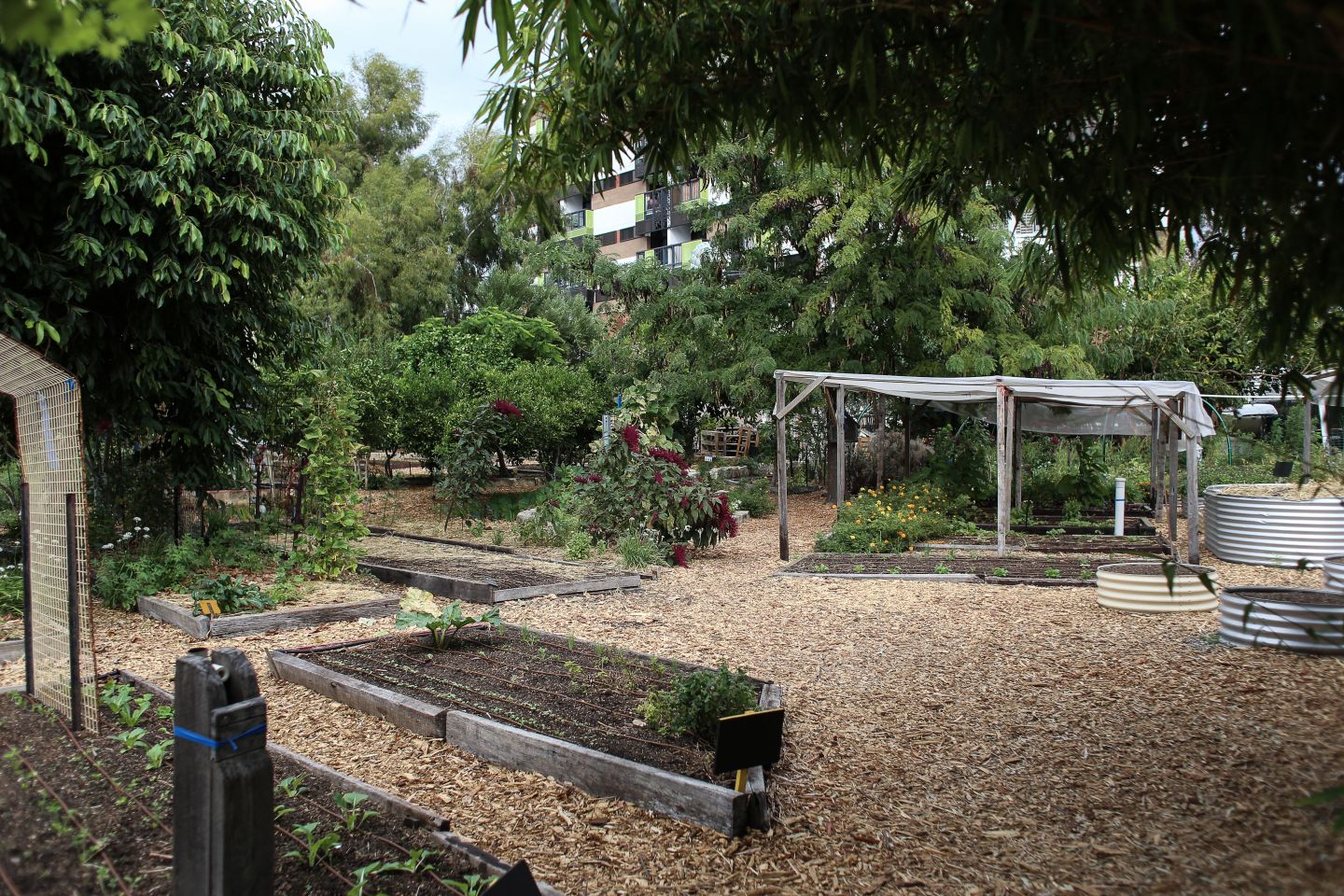
In Fort Worth, Texas, you’ll find rows of lush garden beds filled with vegetables, herbs, and flowers—all cared for by a man named Ahmad Houston, who found his passion for both agriculture and helping people during a turbulent chapter of his life.
In 2020, Houston became homeless. During that time, he requested raised flower beds so he could grow his own fresh produce.
This simple request led to Fort Worth Housing Solutions (FWHS), an organization that provides affordable housing and specialized programs for veterans and people with mental or physical disabilities facing homelessness. FWHS offered Houston a paid position and eventually a permanent place to live.
Growing more than food
Today, you’ll find Houston working as a master gardener, teaching others how to garden and delivering produce to seniors through partnerships that include the Tarrant Area Food Bank.
“It feels good, giving and growing; that’s what life is,” he told WFAA-TV.
For Houston, gardening became far more than a hobby. It evolved into meaningful work and a way to strengthen the community around him. His story illustrates how access to the right opportunities can create lasting change. What began as a way to grow food for himself eventually became a profession centered on helping neighbors, sharing knowledge, and making healthy produce more accessible to those who need it.
A role in Stop Six’s revitalization
Stop Six is a historically Black neighborhood in southeast Fort Worth, located roughly six miles from downtown. Originally named Cowanville, the area got its nickname because it was the sixth stop on the early 20th-century interurban streetcar line running between Fort Worth and Dallas. Houston’s work has become part of a broader revitalization initiative taking place in the Stop Six community.
In recent years, local organizations, residents, and city leaders have worked to bring new resources and opportunities to Stop Six while preserving the community’s history and identity. Projects focused on housing, education, and public spaces have all played a role in its ongoing transformation.
Why community gardens matter
This is not only a beautiful story of second chances and giving back, but also a wonderful example of the benefits community gardens provide. As explained on the Greenleaf Communities website, these spaces directly address limited access to nutritious food in low-income neighborhoods. They also foster a stronger sense of social connection, which can help reduce crime and bolster a sense of safety. Well-maintained gardens turn vacant or underused lots into destinations where residents can gather, volunteer, and take pride in their surroundings.
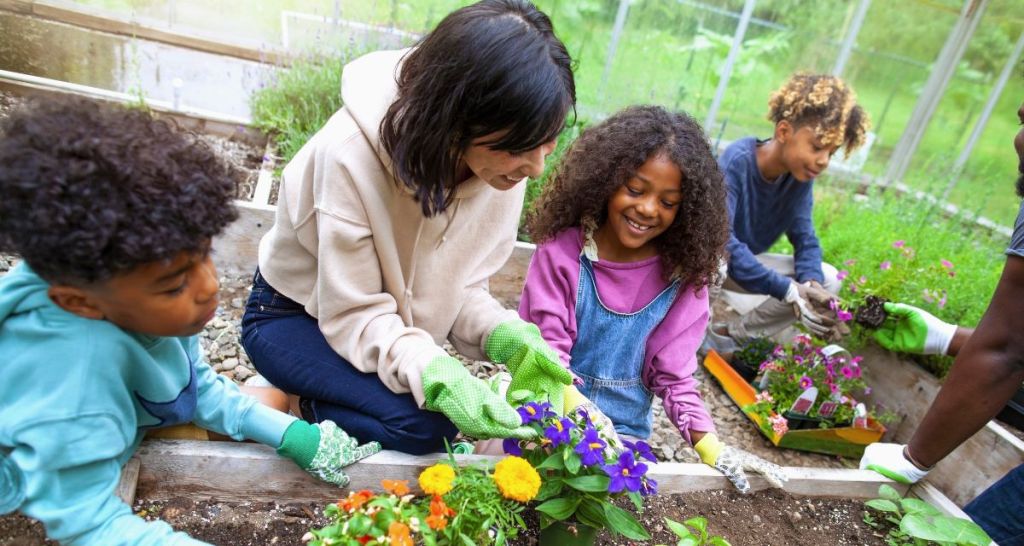
In other words, many people who participate in community gardening programs discover benefits that extend well beyond the harvest itself.
Houston’s journey is remarkable, but the larger takeaway may be what happens when communities invest in spaces that bring people together. Community gardens have the potential to feed families, foster connection, and create new opportunities. That’s a strong argument for making them a bigger part of neighborhood revitalization efforts everywhere.