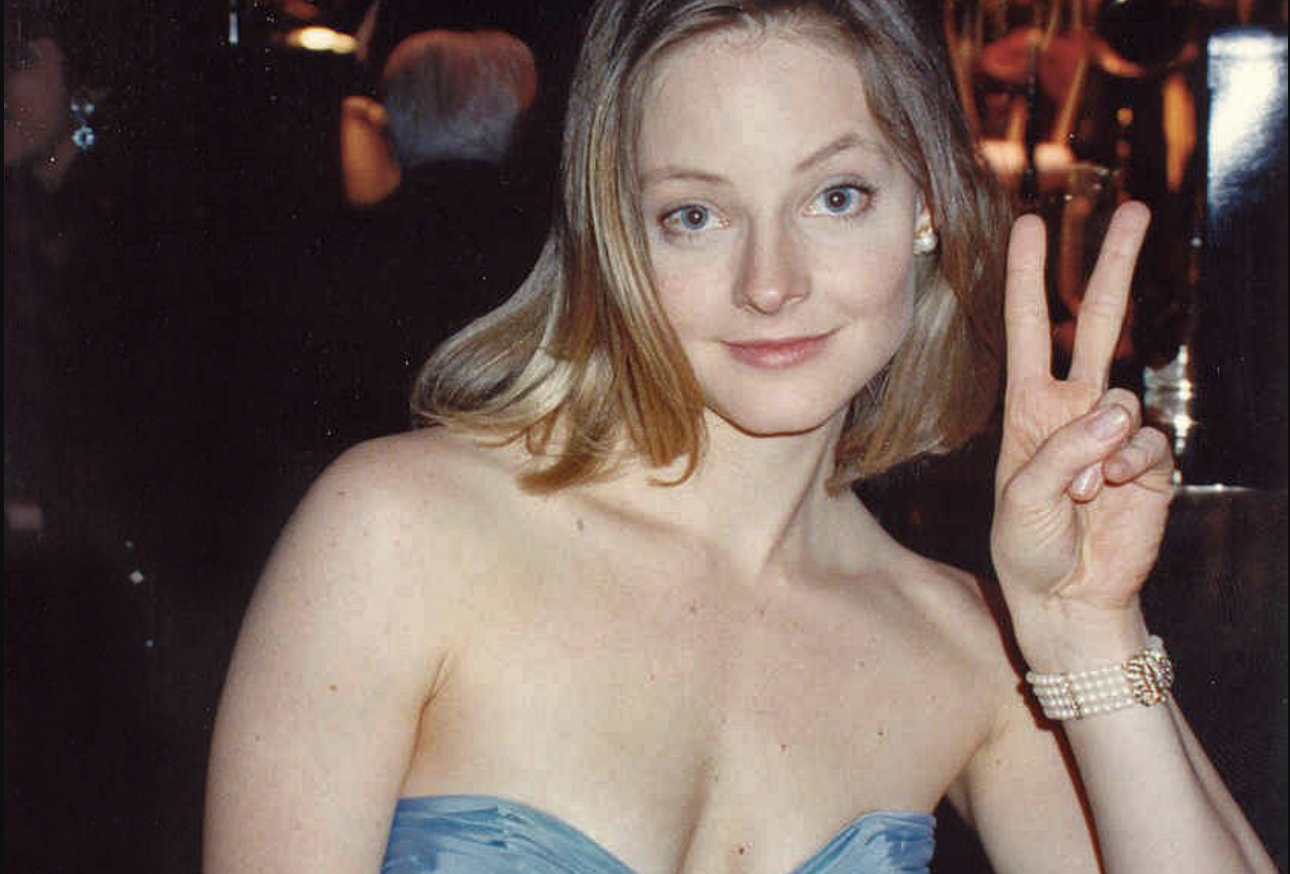
Jodie Foster has won two Oscars, been famous since she was 12, and has been working in the industry since she was barely 3. By her own account, all of that success had started to do something to her she didn’t like.
The cappuccino that changed everything
She described the moment of recognition in a January 2026 interview with Variety, timed to the release of her new film “A Private Life.” It came down to a cappuccino.
“I asked someone for a cappuccino?” she recalled, with what Variety described as barely restrained horror. “I did what? I thought I knew what I was talking about and ranted on for 45 minutes? I didn’t send that person a condolence letter when their mom died? I wasn’t at their wedding? I disappeared for four months and expected everybody to be my friend when I came back?”
Foster, now 63, said she feared she was becoming what she called “a creature of Hollywood,” a politer way of putting something less polite. Famous since her breakout in “Taxi Driver” at 12 and a two-time Best Actress winner before she was 30, for “The Accused” in 1988 and “The Silence of the Lambs” in 1991, she’d spent decades in an environment that tells you your needs come first. The cappuccino moment was when she realized she’d started to believe it.
The science behind her self-awareness
That discomfort is backed by research. Columbia University psychologist Adam Galinsky has studied the relationship between power and empathy, finding that people who feel powerful are demonstrably less able to read others’ emotional states accurately. In one experiment, participants who’d been primed to feel powerful made significantly more errors identifying emotions in facial expressions than those who hadn’t. Power, it turns out, reduces emotional sensitivity, not because powerful people are inherently worse, but because the environment trains them to stop paying attention.
Foster paid attention when she noticed it happening to her, and she stepped back. She told NPR in a separate interview that she wanted to make movies she loved and give everything to her performances without getting caught up in celebrity culture, and that meant keeping her personal life tightly guarded. “I wanted to give everything of myself on screen, and I wanted to survive intact by having a life and not handing that life over to the media,” she said.
Hollywood on her terms
She has since returned to work, including “A Private Life,” which premiered at Cannes and opened in January 2026. She told Variety she believes it may be the best work of her career, and the secret, she said, is that she’s never worked less hard in terms of energy output. “I just do what I think, and then I drink a coffee.”
This time around she gets the coffee herself.