upworthy
Add Upworthy to your Google News feed.
Google News Button
Heroes

7 kinds of animals that you can eat with no factory farm involved

cattle, factory farming, meat, environment
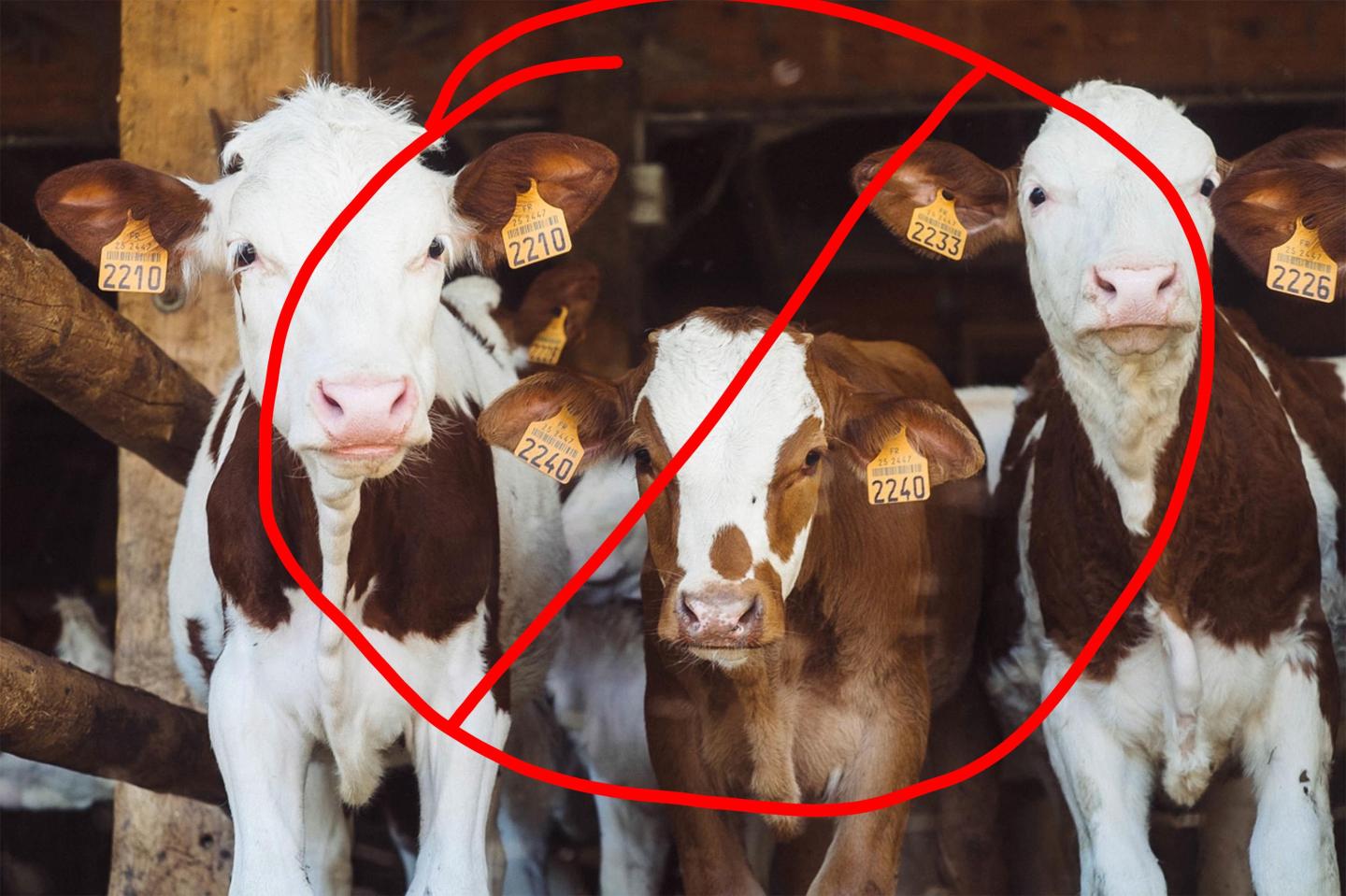
Photo via Pixabay.

Cattle tagged on a factory farm.

So you want to eat meat, eh? There's a dilemma.

Ever since the release of Michael Pollan's seminal book, "The Omnivore's Dilemma," more people all over the world have been trying to decide if their lives could use more locally harvested food — including meat.

The existing meat production pipeline is flawed. Pollan and many others — like Eric Schlosser (of "Fast Food Nation" fame) and the documentary "Samsara" — have showed us just how bad it really is. Some folks go vegan or vegetarian, but others have tried to figure out ways to get locally raised animals.


“Were the walls of our meat industry to become transparent, literally or even figuratively, we would not long continue to raise, kill, and eat animals the way we do."
— Michael Pollan, "The Omnivore's Dilemma"

Can you eat meat ethically?

What is there to do if you would prefer meat to be a source of protein in your diet but want to have it in an ethical and eco-friendly way?

The answer might be in your backyard. Literally.

If you live in an area that has access to wild game, you may want to consider hunting. Seriously! Many people have turned to personally hunting their meat, and the vast majority of those who are passionate about it harvest game in ways that are safe, clean, and quick.

Ask yourself: Is that more or less ethical than, for example, a cow grown while standing on piles of manure, force-fed antibiotics, and unable to turn around or even move? Or a chicken with its beak cut off, unable to move in its cage or do anything except eat and … well, you know. How about what happens when animals reach the "killing floor" where they're executed en masse and "disassembled" before they make it to the local "Mall*Wart" in your city?

If you do it yourself, it can get you closer to your food supply and in touch with its life cycle.

Even though I've hunted since I was a kid, "Omnivore's Dilemma" got me even more interested in putting wild game into my freezer and onto our table. Knowing a lot more about your food sources is key to understanding why it matters so much to your health and happiness. And, prepared right, wild game is absolutely delicious.

Also, I still thank every animal I take for giving food and sustenance to my family.

Replacing things like factory-farmed cows and chickens with wild game is possible.

You can also look into organic/grass-fed animals on local farms, but that can get pricey. We've done it to the tune of $900 for a half cow, and you must have a deep freeze on hand to store it.

But small-game hunting can be cost-effective and good exercise, and it's not a big lift when it comes to cleaning and cooking.

Some people use a bow and arrow, a small-caliber rifle like a .22, or even a simple single-shot shotgun available for $100. For that matter, there are many people who like to hunt with birds of prey — trained falcons, hawks, and more.

Whatever method you use, once you've got your license, it's time to get out there!

What are some good options to hunt?

Let's go through some varieties of game that can usually be found in open areas around the United States.

1. Rabbits

alternative meats, rabbits, wild game, responsibility

Thumper ... I mean, the cottontail rabbit.

Photo by Gary Bendig on Unsplash

Cottontails, hares, and jackrabbits all provide a great meal when you harvest them humanely and ethically. Rabbit season starts in September or October in most parts of the country. The taste? A lot like chicken, but a little stronger flavor. You can really make it tasty with a good ol' hasenpfeffer recipe (or as Bugs Bunny would call it ... rabbit stew).

2. Squirrels

food, nature, industry, omnivore

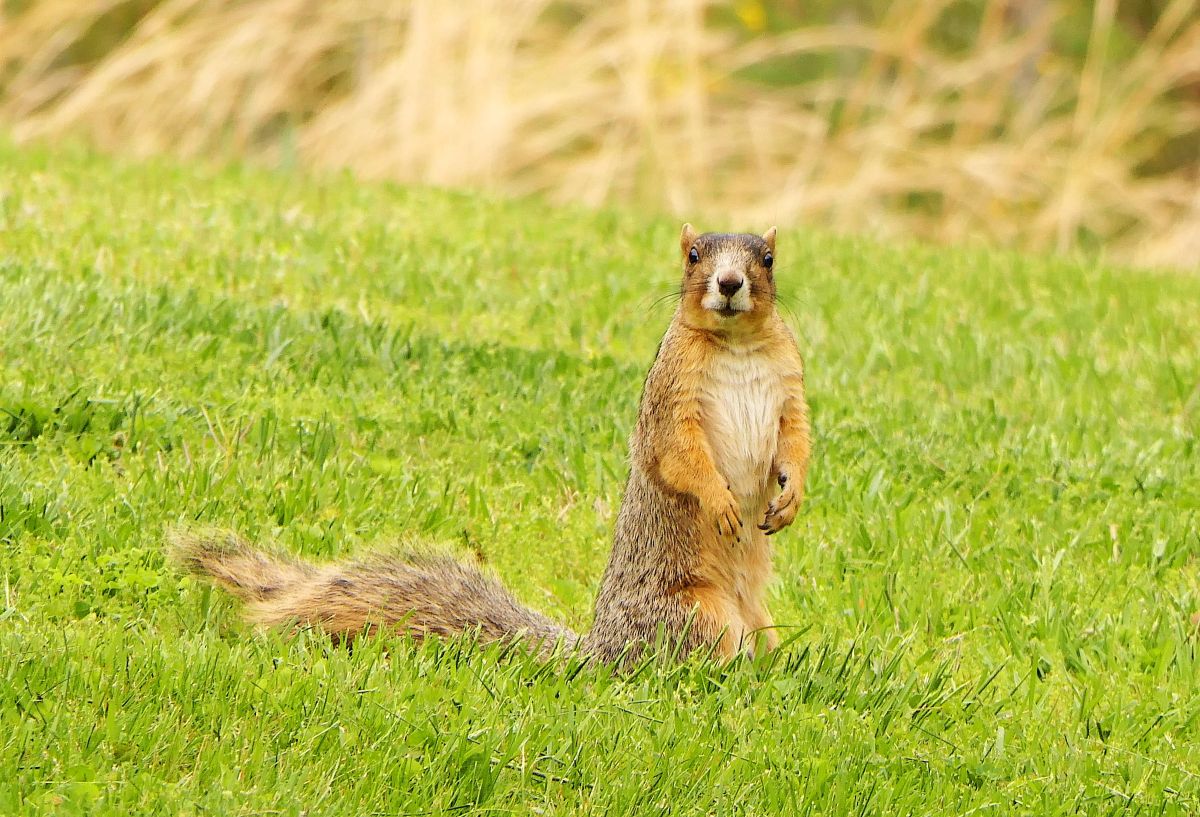
The common fox squirrel stands up on its hind legs.

Photo by Patti Black on Unsplash

Bushy tail (fox) squirrels, chipmunks, woodchucks, and prairie dogs are all in the same scientific family. As opposed to hoofing it through the woods and grasslands for rabbits, squirrel hunting is more for people who like to sit for a while. The taste is also kinda like chicken, but a lot greasier. Think dark meat.

3. Upland birds
birds, migration, wild, available food source

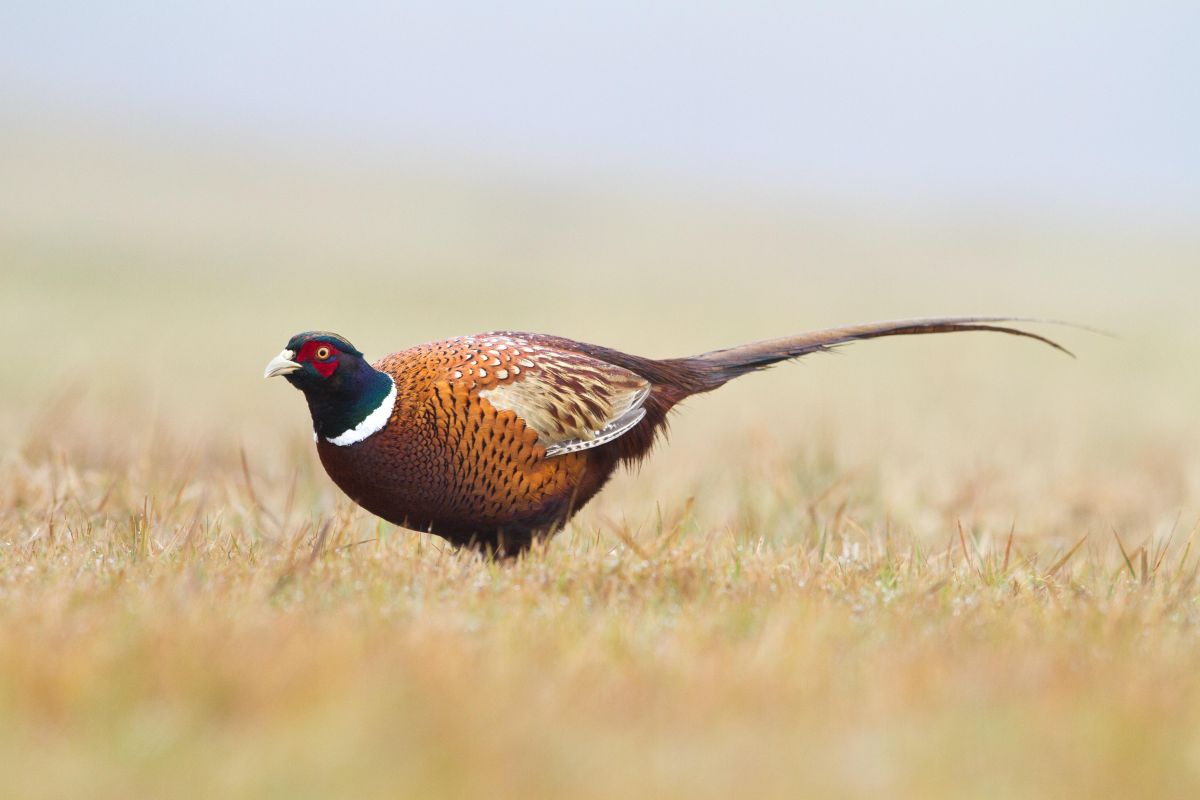
A pheasant struts through brown grass.

Photo by Jack Seeds on Unsplash

Pheasant, quail, grouse, Hungarian partridge, and other species are actively eating and preparing for the winter months late in the year, starting around September. Definitely a way to burn some calories because hunting them requires hikes through woods, grasslands, and farm fields, where you can see them flush, often with a great flourish of color.

As you might have guessed, the taste is very much like chicken!

4. Waterfowl

sustainable, nature, hunting, eco-freindly

"Honkers," as they're sometimes called. If you've ever been close to a flock, you know why.

Image taken by Alan D. Wilson (modified), Wikimedia Commons.

Waterfowl include geese, ducks, and other birds that stay close to water. At 12 to 15 pounds per bird for an adult goose, they can easily feed a family. It's very much a dark meat; in fact, goose breasts look as dark as steaks before and after you cook them. The taste is very much like duck, rather than turkey. All are fabulous, on the grill or slow-cooked in the oven or pressure cooker.

5. Deer, elk, and other cervids
big game, hunting, elk, deer, healthy foods

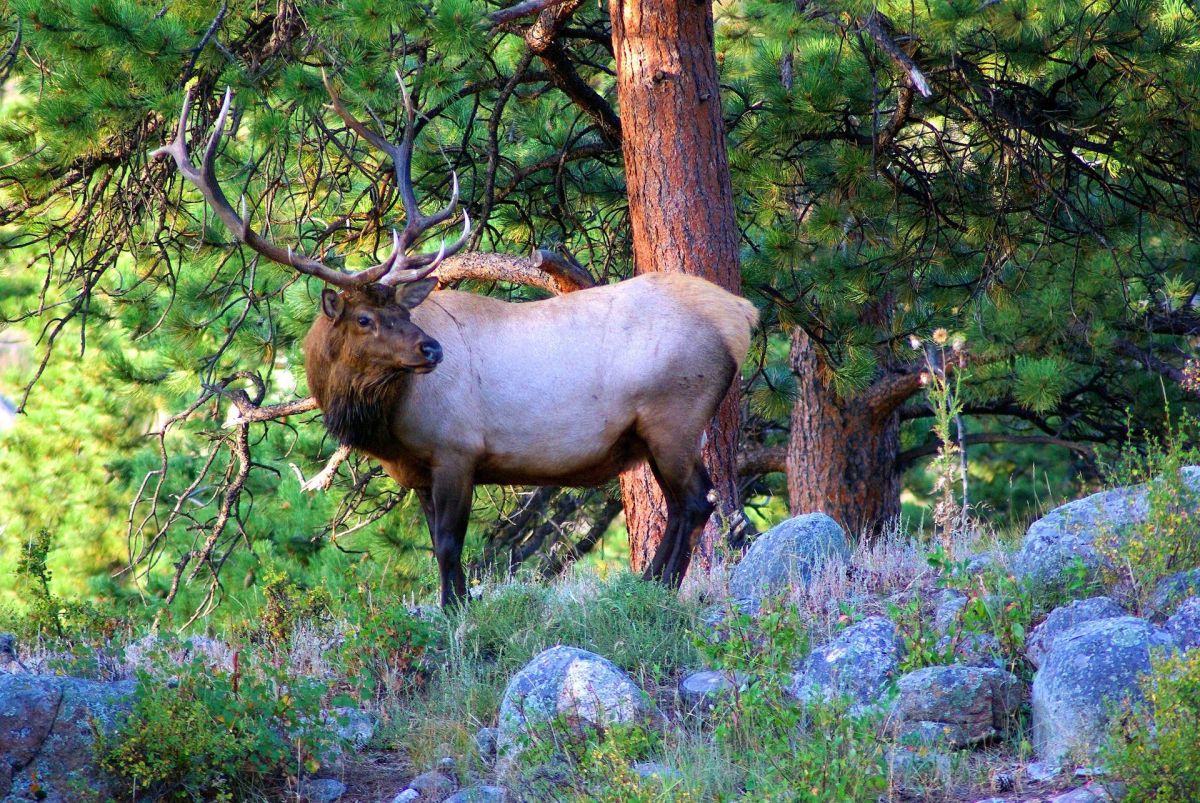
A young-bull-elk stands on the mountain side.

Image via Pixabay.

This is definitely deep-end-of-the-pool hunting — not small game. And it takes a deeper relationship with the local population to really make it ethical.

A word on "trophy" animals (i.e., those with a lot of antlers) versus those intended for food and culinary delights: Though the picture I took here is of bucks, I take the female variety ("does") too. There's a reason why.

If the herd gets out of balance from too many does, then bucks can die from food scarcity in the winter months. Read: They starve.

I've been regaled with many a tale of winters being so harsh in parts of the country that deer eat tree bark and pine needles to survive. That's not good, and they suffer, so it's far better to harvest enough of them each year so that the herd is strong.

"Hiya, human!" Photo of bull elk in Rocky Mountain National Park by Brandon Weber/Upworthy.

In the mountain states, elk and other cervids (ruminant mammals that are members of the Cervidae family) are also frequently harvested. These will supply hundreds of pounds of venison at a time.

I'm a bow hunter myself, and it takes tons of patience, practice, skill, and the ability to sit quietly for hours on end. My 7-year-old wants to go deer hunting in a few years, but I've already warned him that he cannot talk for hours at a time — a feat I do not think it's humanly possible for him to accomplish.

The taste is like beef, with much less fat. Cooking venison is a skill unto itself, and you frequently will have to cut the cooking time in half versus beef, or it will be very dry. They're much like grass-fed beef in that regard. The varying types of cervids produce subtle taste differences. I am fond of whitetail deer and elk, but some folks love caribou and antelope, too.

Bonus: If you want to go full-on mountain person, you can learn how to make a coat or blanket from the hides, as well as other fancy things from other parts. Double bonus: If you have dogs, venison bones are great for them to chew on. (Just be sure to do it safely!)

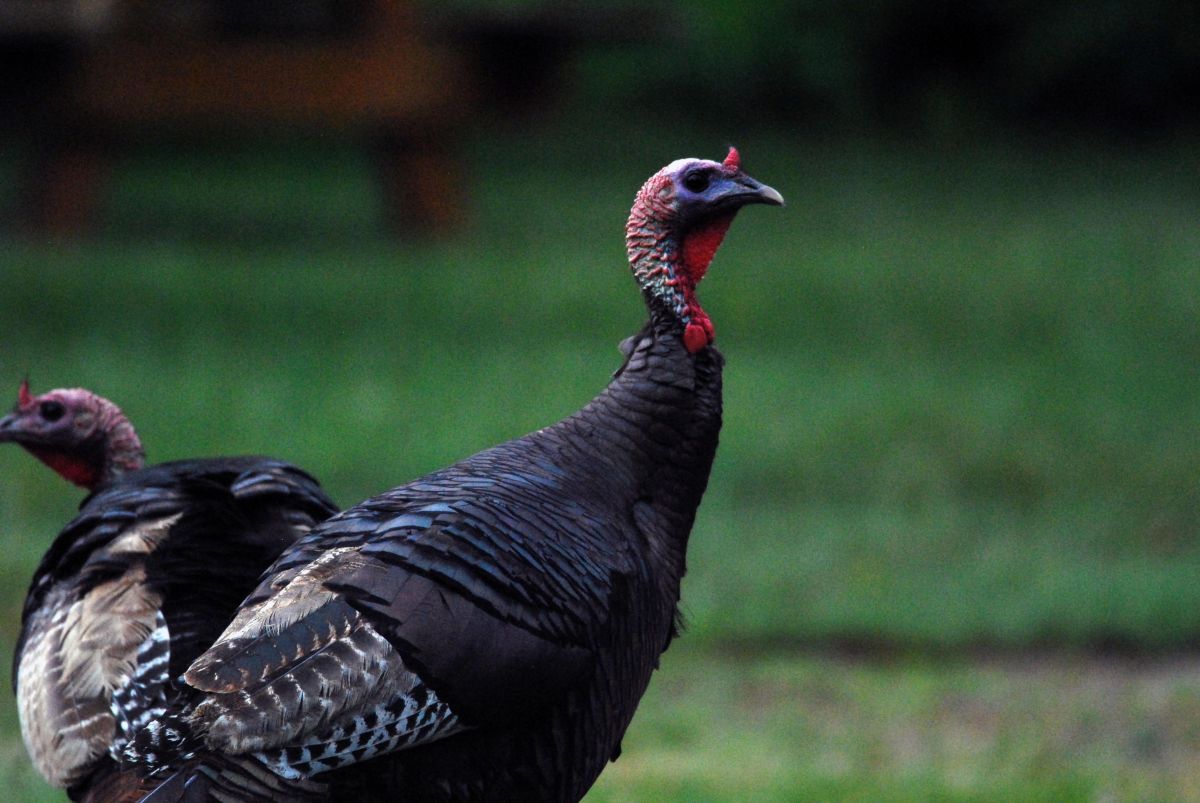
6. Wild turkey
Thanksgiving, wild turkey, chicken, substituion, fiscal responsibility

Wild Turkeys walking around a green field.

Photo by Tyler Moulton on Unsplash

No, not THAT Wild Turkey...

This is another "sit and wait" creature to hunt, and they have extremely acute eyesight and hearing, so they're not easy. But taste one — even if you've had "free-range" turkey before — and you might just be hooked.

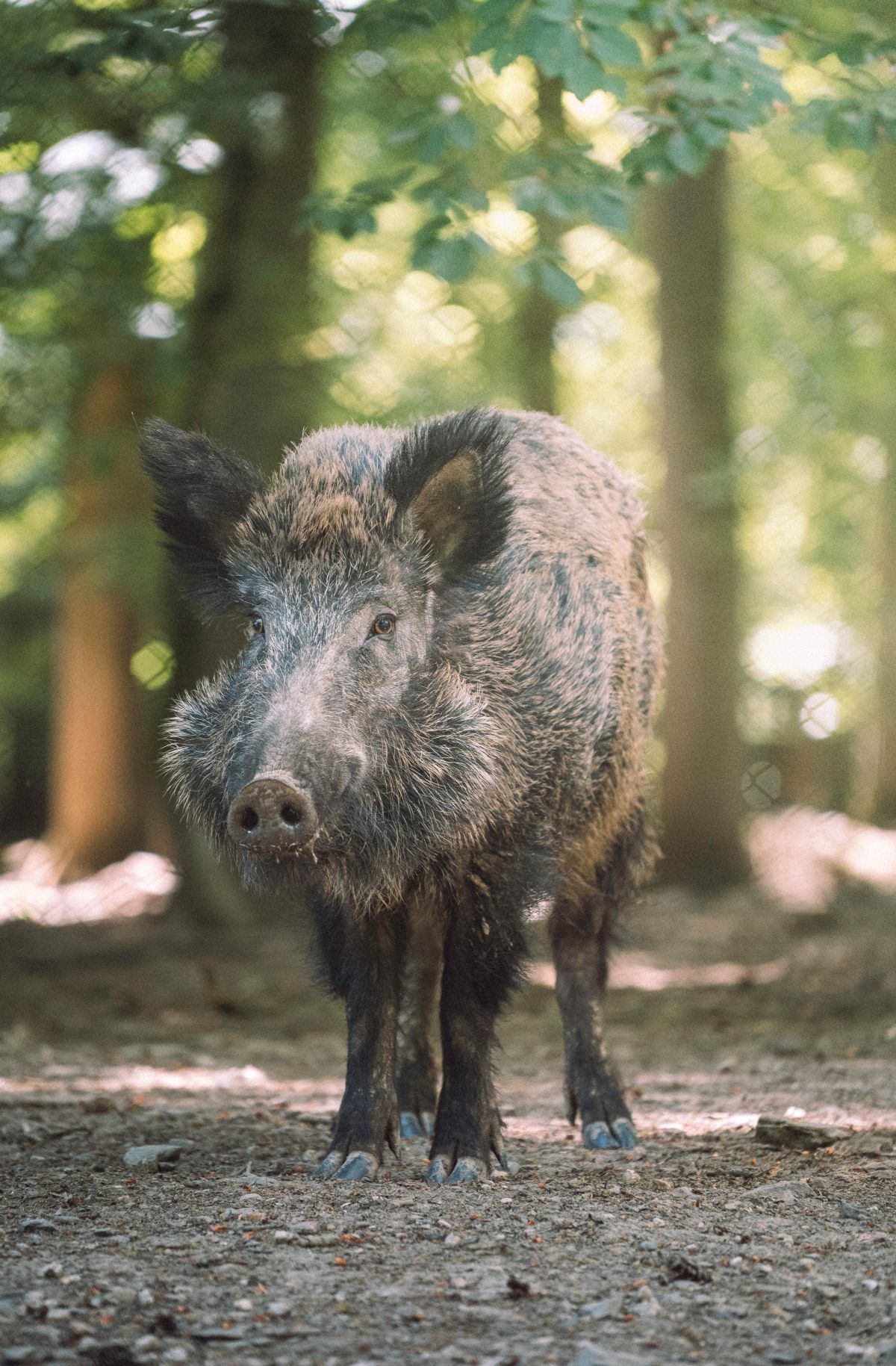
7. Wild boar/pig
boars, pigs, wild animals, factory farming

A black wild boar walking around.

Photo by Max Saeling on Unsplash

I've not yet had the experience of hunting these, but (SPOILER ALERT!) it is the critter that Pollan ends up harvesting at the end of "The Omnivore's Dilemma," along with local mushrooms and vegetables. In some parts of the country — especially the South — they are frequently harvested year-round. The taste is definitely pork, with older animals having a "musky" flavor.

"Oink? Not quite, Bub."

Bonus!

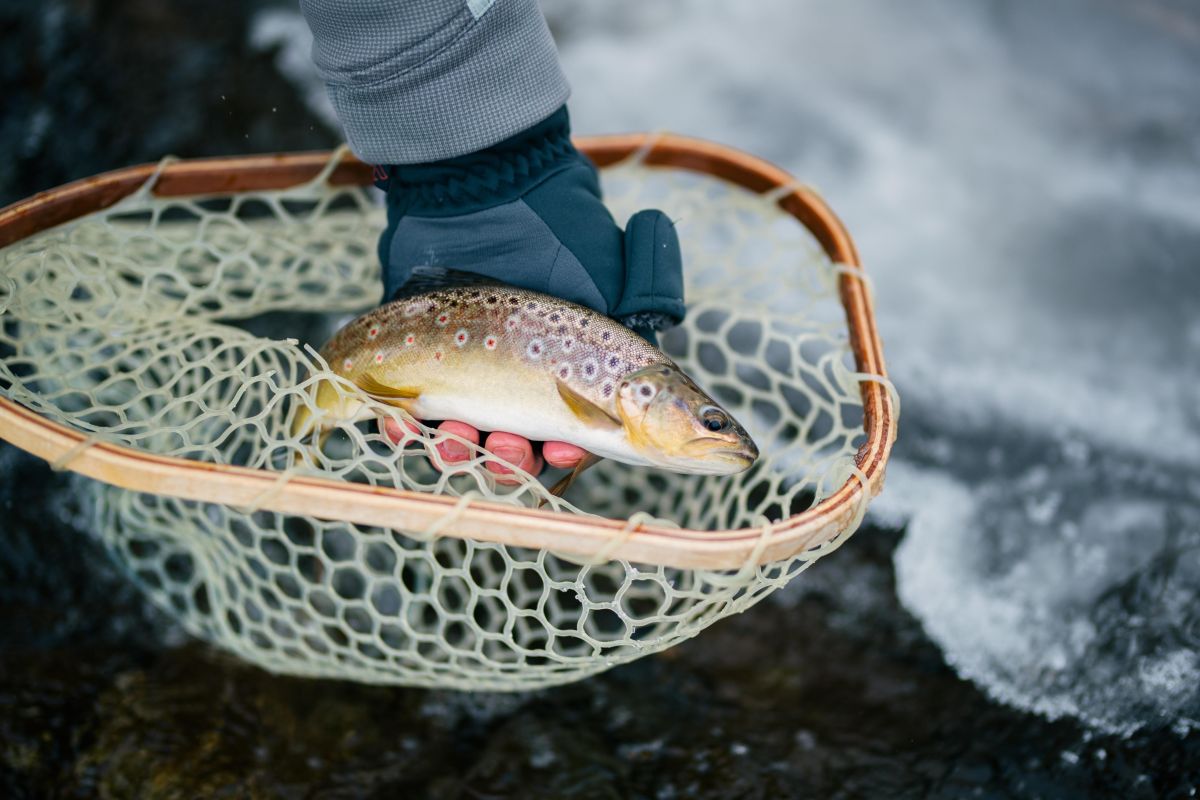
For the pescatarians out there, catching and cooking your own fish can be magical. You only need access to waterways, ponds, or lakes, and a simple cane pole with a hook and night crawler will do. The kids will love it, and cooking fresh catfish or trout over a campfire is a great experience.
fishing industry, rivers and oceans, camping

Pulling a fish out of a net basket.

Photo by jack murrey on Unsplash

There are, of course, tons of other critters in pockets of the country that can also be harvested as well, like alligators, goats, crabs, lobsters, bears, and more.

Hey, it beats store-bought, right? Check with local ethical hunters to see what might be available to you!

What if the whole idea of hunting game yourself is still not for you? That's fair.

Here's an idea: Why not trade with someone for locally sourced meat?

If you don't want to go through with hunting and taking your own animals, you could arrange a trade with someone you know. "Hey, Jane, I'll prepare the bread from locally raised grain and roast some locally-grown vegetables if you can harvest the venison steaks. Deal?"

Or even get together with friends and family who hunt and make it a feast!

Bon appétit!

Also, for a little taste of what "The Omnivore's Dilemma" is all about, check this video out:

Pets

Pets support us, let's support them.

In honor of Pet Wellness Month, here are three small ways to fuel your furry friends.

Pets support our mental health every single day—now, it’s our turn to care for them
Pets support our mental health every single day—now, it’s our turn to care for them.
True

There are few things that boost our mental health more than owning a pet. Whether it’s a dog or a cat, pets offer unconditional love, the ability to lower stress, and the opportunity to build a community with other pet lovers. Pets support our mental health in dozens of ways, every single day. But how do we care for them in return?

In partnership with Nulo, we’re celebrating Pet Wellness Month this October by highlighting the small, meaningful ways pet parents fuel their fur babies’ happiness and health. We asked readers: “What’s one small thing you do that makes a big difference for your pet?” The best answers win a custom pet portrait, a wellness care package courtesy of Nulo, and a donation to their local pet shelter.


Of all the hilarious and heartfelt answers we got, three of them stood out. Here are the winning responses and three examples of how you, too, can make a huge difference for your pet in small, simple ways.

Keeping their bodies strong

Meet Tee: He’s a loyal, playful ball of energy that helps his owner, Jailon, by bringing joy and calm to his life every day. To show Tee love, Jailon prioritizes physical health and emotional wellness. For exercise, Jailon makes sure Tee has daily walks, playtime, and making sure his diet is balanced with high-quality, nutritious food (Nulo being one of his favorites).

But emotional wellness is equally important. “One small thing I do that makes a big difference for my pet is setting aside dedicated connection time every day,” Jailon says. “No phones, no distractions, just us. The time helps us bond and keeps Tee’s mind active and healthy.”

Communication is key

Mary Ann’s dog Aiden was rescued from her local Humane Society, and as a former stray, the beginning of their relationship wasn’t always easy.

“Aiden was so scared that he would sleep in a corner or under a bed. My husband and I had to sleep with him on the floor until we gained his trust,” Mary Ann said. To soothe his separation anxiety, Mary Ann started talking to him regularly.

“I started telling him, ‘mommy is going to work,’ or ‘mommy will be back’ and he started to understand,” she said.

Amazingly, Aiden responded. Now, his anxiety has improved and their bond is stronger than ever. Aiden still relishes the gentle words of affirmation that Mary Ann continues to give him.

“His face is so expressive and his smile melts our hearts,” she said. “We get him to fall asleep by repeatedly telling him, ‘I love you, Aiden.’”

Building them a place to call home

Our feline friends need love, too. That’s why Amber created a cozy habitat for her longhair tuxedo cat, Precious, on the nights where she likes to roam. Adopted from a local shelter eight years ago, Precious is now 16—and not fond of staying indoors.

“In her old age, Precious has become very anxious being inside,” Amber said. Even in the cold winter months, Precious prefers staying outside on their back deck or exploring their 10-acre property. “She usually refuses to come inside, even on cold nights,” Amber said.

After many failed attempts to get her inside for the evening, Amber and her family realized it would be unfair to keep her confined when she wasn’t comfortable. As a compromise, Amber’s handy husband built a safe haven for her outside.

“She couldn't just have a tiny little box. Our girl was too good for that,” Amber said. “Now we can rest easy at night knowing she is safe, warm, and secure in her own private bungalow.”

Showing love for your pets—especially in the form of regular exercise, safe surroundings and good nutrition—is the best way to keep them happy and healthy for as long as possible. And when we help our pets live longer, we’re nurturing the connection that makes our lives richer, too.


Good nutrition is the cornerstone of a happy pet. Fuel your pet and help them reach their individual incredible with help from Nulo.

flying, airport, airplane, dog, flight etiquette

Following certain "rules" can make flying a lot better for everyone involved.

Flying on airplanes with dozens of perfect strangers is, in many ways, a social experiment. We're forced to sit in seats that aren't big enough for most of us, uncomfortably close to people we don't know (some of whom are stressed out or anxious), with unclear social etiquette rules we haven't all collectively agreed upon.

And yet we do it because the miracle of human flight enabling us to travel in hours to places that used to take days, weeks, or even longer, is too awesome to pass up. Most of us have things we'd prefer our fellow passengers do or not do to make the experience better for everyone, however, so we asked our Upworthy Facebook audience, "If you could enforce one social rule during flights, what would it be?" The responses were largely what you might expect and you can see them below, but there was one unexpected comment that stood out. The rule that received the most love, with over 1,200 likes, was this one:


dog, flying, airplane, good dog, golden retriever Can we please get a "meet the dog" rule on airplanes?Photo credit: Canva

Any dog on the plane has to visit every passenger that requests

While not everyone loves dogs, most people do. And what would make a flight more enjoyable than getting to meet a dog on board? Perhaps we can start a petition to make cabin doggy visits for anyone who wants them an official thing…

Other responses were helpful reminders of both common courtesy and somewhat standard airplane etiquette for those who might not fly often enough to be familiar with it. In addition to the "meet the dog" rule, here are 10 more social rules people wish they could enforce on flights:

Be nice to flight attendants

Imagine being responsible for both the comfort and safety of 100+ people from different places with different needs in a cabin hurtling through the sky 30,000 feet above the Earth. Flight attendants deal with a wide array of people day in and day out, and we should all make sure we treat them with the kindness and respect that they deserve.

Middle seat gets the armrests

Nobody should be hogging the armrests, but if anyone has a right to them, it's the sacrificial soul who has to sit in the middle seat. (And window seat controls the window, in case that's not common sense.)

headphones, flight, courtesy, airplane etiquette, flying No matter your age, headphones to listen to things on a flight are a must.Photo credit: Canva

Headphones, please

No one wants to listen to your video but you. Imagine if everyone listened to movies or YouTube videos or whatever without headphones—total social chaos. In public and on planes, use headphones to listen or watch something.

No 'manspreading'

We all know the legroom on flights has become practically non-existent, and for people with long legs it can be hard to not bang your knees up against the seat in front of you. But spreading your legs apart so wide that it infringes on other people's leg space just isn't cool. We're all in the same boat, so we have to respect one another's space.

Keep your shoes and socks on

There may be an exception here for long-haul flights as long as you keep your socks on and don't have stinky feet, but bringing a pair of slippers or something is still courteous. But definitely keep your socks on and be aware that you might not be able to tell if your own feet smell.

flying, flights, airplane, overhead bin, flight etiquette One overhead bag per passenger until everyone's got their luggage settled. Photo credit: Canva

Don’t put a second bag or a jacket in the overhead bin until everyone has put their first bag in

Overhead space is limited, so wait until everyone has had a chance to get their carry-on into that space before adding more than your one bag to it. Once everyone's settled in, feel free to add whatever overflow you have.

Try not to fart

We've all been on a flight where someone let one rip and made everyone's eyes water. Unless you have zero choice in the matter, refrain from dropping gas bombs on your fellow passengers. We're all human and humans fart, but an airplane cabin is a tight spot where people can't get away. At least take it to the lavatory if you can.

Be aware of smells in general

Come clean and fresh, but not perfumed. Deodorant? Yes, please. Strong cologne or perfume? No. Food that emits a strong odor? Also no.

flight attendant, safety presentation, airplane safety, seatbelts, courtesy Even if you know it by heart, please don't talk during the safety demonstration.Photo credit: Canva

Stay quiet during the safety demonstration

Some people fly all the time and could recite the safety demonstration spiel by heart, but that doesn't mean everyone is familiar with it. It only takes a few minutes and first-time flyers need to hear it. It's respectful to the flight attendants to not talk through their presentation and courteous to other passengers who need to listen.

Remain seated until it’s your row’s turn to deplane

On most flights, as soon as the plane arrives at the gate and the seatbelt sign is turned off, people rush to stand up and gather their luggage. But it's always going to take several minutes to even start getting the first passengers off the plane, and it's not going to go any faster to crowd into the aisle.

If we all follow these "rules," flying can be a more pleasant experience for everyone—even our good doggo friends who might be on board.

middle age, woman, aging, bodies, getting older, study

If you feel "old" practically overnight, there may be a good reason for that.

Getting older is weird. You're trucking along, enjoying your middle-aged life, finally feeling like a real adult, when you look in the mirror one day and gasp. "Where did those wrinkles come from?" "Is that skin on my arm…crepey?!?" "Why am I aching like that?"

Somewhere in your mid-40s, you start noticing obvious signs of aging that seem to arrive overnight. You assumed it was a gradual process that you just hadn't noticed, but it sure as heck felt like it happened really fast.


New research indicates that may very well be the case. A 2024 study from researchers at Stanford tracked thousands of different molecules in people age 25 to 75 and found that people tend to make two big leaps in aging—one around age 44 and another around age 60. These findings indicate that aging can actually happen in bursts.

aging, age, old, growing up, growing old, 40s, 60s Simpsons Gif y.yarn.co

“We’re not just changing gradually over time. There are some really dramatic changes,” said senior study author Michael Snyder, Ph.D., a geneticist and director of the Center for Genomics and Personalized Medicine at Stanford University. “It turns out the mid-40s is a time of dramatic change, as is the early 60s. And that’s true no matter what class of molecules you look at.” The researchers assumed the mid-40s changes would be attributed to menopausal or perimenopausal changes in women influencing the overall numbers, but when they separated the results by sex they saw similar changes in men in their 40s.

@suddenly_susan_

The accuracy 🤣 #40s #genxtiktok #womenover40 #relatable

"“This suggests that while menopause or perimenopause may contribute to the changes observed in women in their mid-40s, there are likely other, more significant factors influencing these changes in both men and women. Identifying and studying these factors should be a priority for future research,” said study author Xiaotao Shen, PhD, a former Stanford Medicine postdoctoral scholar who now teaches at Nanyang Technological University in Singapore.

elderly couple, aging, age, growing old, aging in bursts Aging happens in bursts, scientists find.Canva Photos

The study included 108 participants who submitted blood and other samples every few months for several years. The scientists tracked age-related changes in 135,000 different molecules—nearly 250 billion distinct data points—to see how aging occurs.

The study may shed light on the reasons for jumps in certain diseases and maladies at certain ages. For the 40-somethings, scientists found significant changes in molecules related to alcohol, caffeine, and lipid metabolism, cardiovascular disease, and skin and muscle. For those in their 60s, changes related to carbohydrate and caffeine metabolism, immune regulation, kidney function, cardiovascular disease, and skin and muscle were found.

body, human body, anatomy, study, aging Research shows the body goes through specific changes in our 40s and 60s.Canva Photos

The study authors did note that lifestyle might play a role in some of these changes. For instance, alcohol metabolism may be influenced by people drinking more heavily in their 40s, which tends to be a period of higher stress for many people. However, the researchers added that these bursts of aging in the mid-40s and early 60s indicate that people may want to pay closer attention to their health around those ages and make lifestyle changes that support greater overall health, such as increasing exercise or limiting alcohol.

The research team plans to study the drivers of these aging bursts to find out why they happen at these ages, but whatever the reasons, it's nice to know that the seemingly sudden onset of age-related woes isn't just in our imaginations.

It's understandable that we worry about aging, as physical signs of aging remind us of our own mortality. We also have all kinds of social messaging that tells us youth is ideal and beautiful and old is bad and ugly, so of course we give aging the side-eye. But none of us can avoid aging altogether, so the more positive and healthy we are in our approach to aging, the better off we'll be, no matter when and to what degree aging hits us.

This story originally appeared last year. It has been updated.

Community

Fourth grade teacher beautifully explains what grief is to her students using a vase

"Grief takes up space, not just in your heart, but in your brain."

fourth grade, teacher, grief, teaching kids about grief, grief for kids, grief education
Images courtesy of Instagram/@miss.brazil_28 (used with permission)

Fourth grade teacher Miss Ryan Brazil explains what grief is to her students using a vase.

Grief is a universal experience that touches everyone—from kids to adults. And for fourth grade teacher Ryan Brazil, she used her own recent loss to help educate and open up to her students about grief.

In a touching video, Brazil tenderly explained what grief is to her students after they finished reading A Kids Book About Grief by Brennan C. Wood. She tells her class, "More than half our class is in tears and is being vulnerable and brave and sharing stories of their own grief."


She then pulls out an empty vase that she explains represents her "brain and her heart," before adding: "I normally have more space for patience, focus, and calm. I showed them how little things that happen during the day like noise, questions, mistakes are like colorful pom poms filling up the vase. Normally, there’s plenty of space to handle those things."

However, due to grief, she added that she has less space—and put a crumpled up piece of black construction paper in the vase to demonstrate the space grief can occupy in a person's heart and mind. "It can make you more tired, less patient, and quicker to feel overwhelmed. I wanted my students to understand that if I seemed off lately, it wasn’t about them. It’s just my brain and heart are doing a lot of extra work right now," she added in the video caption. "It turned into one of the most healing moments I’ve ever had in my classroom."

Brazil tells Upworthy that the lesson deeply impacted not just her students, but herself. "My sister passed away recently and very unexpectedly, so I’ve been having a difficult time. I was feeling overwhelmed and in pain, and I needed a way to discuss what was happening in my brain and my heart," Brazil says.

So, she decided to share with her students rather than hide. "Discussing grief with my students changed something in our classroom. So many kids opened up about their own losses," she says. "Some were more recent and some were before they were born, but they were still hurt by them. There was this release of emotions that felt like they were probably holding on to those feelings for a long time. We really rallied around each other and were there for each other. It was really helpful for me, personally. I felt understood in that moment and part of a community."

She hopes that her video will encourage others (including educators) to open up to students. "I am not an expert (on most things, honestly), but I don’t think that’s what kids need," she adds. "They don’t need us to be perfect, they just need us to give them space to feel and understand that feelings are welcome. We all learned that grief isn’t something to hide. It’s something we can learn to hold onto together."

Expert tips for how to teach kids about grief

Looking for more ways to explain what grief is to your kids? These are five tips from grief experts to help.

Name the feelings, not just the loss

"Kids often mirror our emotions but don’t always have the words for them. Instead of avoiding words like sad or angry, model using them out loud: 'I’m feeling sad today because I miss Grandpa'," Angie Hanson, a certified grief coach, educator, and author of Chapters of a Resilient Heart, tells Upworthy. "This helps kids name and normalize their own emotions. Grief becomes less scary when it’s spoken about openly."

Tip #2: Use simple, honest language

"It is commonplace to use words like 'passed away' or 'lost' when talking about death, but these words can be confusing and add to misconceptions and anxiety for young children," Jessica Correnti, MS, Certified Child Life Specialist at Kids Grief Support and author of The ABCs of Grief, tells Upworthy. "It is recommended to use concrete, factual words like 'death,' 'died,' and 'dying' even though these may feel blunt or difficult to say. Grief is a small word, but a very confusing and layered experience."

Create a “heart space” ritual

"Like the vase activity, give grief a visual home. Create a small jar or box called a heart space," says Hanson. "When they miss someone, they can place drawings, notes, or keepsakes inside. This teaches them that love doesn’t disappear, it changes form, and it’s okay to keep that connection."

Keep grief in the conversation, not just the moment

"Children revisit grief as they grow. Keep their loved one’s memory woven into everyday life," says Hanson. "Bake their favorite cookies, tell stories, or say, 'I wonder what Grandma would think of this.' It shows that grief isn’t a one-time event but an ongoing expression of love and remembrance."

Recognize that you may be grieving too

"It is important for adults to have trusted spaces and people to confide in about their grief reactions so they can be present and available for their child(ren)," Dr. Micki Bruns, Ph.D., a childhood bereavement experts and CEO of Judi's House/JAG Institute, a childhood bereavement center in Denver, Colorado, tells Upworthy. "At the same time, adults should normalize grief reactions and model healthy coping."

Eric Kilburn Jr, size 23 shoes, Under Armour, Puma, Cat Footwear, Goodrich Michigan, teen athlete, custom footwear, big feet, football cleats, Guinness record, Shaquille O’Neal, Tacko Fall, Today.com, Hometown Life, GoFundMe, human kindness, viral story, community support, feel good

A size 21 Nike shoe made for Tacko Fall.

A local reporter at Hometown Life shared a unique and heartfelt story on March 16 about a mother struggling to find shoes that fit her 14-year-old son. The story resonated with parents everywhere; now, her son is getting the help he desperately needs. It's a wonderful example of people helping a family that thought they had nowhere to turn.

When Eric Kilburn Jr. was born, his mother, Rebecca’s OBGYN, told her that he had the “biggest feet I’ve ever seen in my life. Do not go out and buy baby shoes because they’re not gonna fit,’” Rebecca told Today.com. Fourteen years later, it’s almost impossible to find shoes that fit the 6’10” freshman—he needs a size 23.


The teen's height doesn't stem from a gland issue; he comes from a family of tall people. Both his parents are over 6 feet tall.

Why finding size-23 shoes is so hard

Eric plays football for Goodrich High School in Goodrich, Michigan, but doesn’t wear cleats, which led to a sprained ankle. He also suffers from ingrown toenails that are so severe he’s had two nails on his biggest toes permanently removed.

Last year, the family was lucky enough to stumble upon five pairs of size 21 shoes at a Nike outlet store. It was discovered they were made especially for Tacko Fall, the NBA player with some of the most enormous feet in the game. To put things in perspective, Shaquille O’Neal wears a size 22.

However, Eric soon grew out of those as well. The family was left with one more option: have orthopedic shoes made for Eric at the cost of $1,500 with no guarantee he won’t quickly grow out of those as well.

Brands step in to help a growing teen

After his mother’s heartfelt plea to Hometown Life, the family got much-needed help from multiple companies, including Under Armour and PUMA, who are sending representatives to Michigan to measure his feet for custom shoes.

CAT has reached out to make him a custom pair of boots. Eric hasn't had any boots to wear for the past five Michigan winters.

A fundraiser that eased a family’s burden

Kara Pattison started a GoFundMe campaign on behalf of the family to help them purchase custom shoes for “the rest of the time Eric has these feet.” It has raised nearly $20,000 for the family in just over a week.

“The success of this fundraiser is well beyond what was ever expected,” Pattison wrote on the site on March 18. “The Kilburns plan to open a bank account dedicated to Eric's future footwear and some specialized sports equipment. He can use this to get a helmet that fits for football along with pads. They will also look into a football and track jersey for him.”

The sense of relief felt by Rebecca, Eric and the rest of the Kilburn family must be incredible. It has to be frustrating to be unable to provide your child with something as basic as footwear.

“It’s been overwhelming,” Rebecca told Hometown Life. “I have been this puddle of emotions, all of them good…It’s the coolest thing to be able to say we did it! He has shoes! I am not usually a crier, but I have been in a constant state of happy tears…We are so grateful.”

In the years since...

In the months after his story went viral in March 2023, multiple brands followed through. Under Armour flew a product lead to Michigan to size Eric and began making him custom footwear so he could safely play sports again; other companies, including Reebok with an assist from Shaquille O’Neal, also stepped in to provide size-23 shoes.

In 2024, Eric’s journey took an even bigger step: Guinness World Records recognized him for having the largest feet and hands of any living teenager (13.5-inch feet—about a men’s size 23—and 9.13-inch hands). With the spotlight, his family launched the Big Shoe Network to help others facing similar challenges finding gear that fits.

This article originally appeared last year.

moving to Spain, leaving the U.S., gun safety, parenting, intruder drills, LunaGoestoSpain, TikTok, viral video, expat, quality of life

(L) Screenshot of man in passenger seat of car; (R) a building in Spain

Although it is difficult to tell if there is a trend of Americans moving out of the country, rough estimates show that around 8 million currently live in other countries—double the 4.1 million living abroad in 1999.

The most popular countries for Americans to move to are Mexico, Canada, and the United Kingdom, in that order.


A big reason why some are leaving the U.S. is that an increasing number of employers allow people to work abroad. Others are choosing to leave because of cost of living increases and “golden visa” programs. Golden visas offer the chance to get a foreign residency permit by purchasing a house or making a significant investment or donation.

moving to Spain, leaving the U.S., gun safety, parenting, intruder drills, LunaGoestoSpain, TikTok, viral video, expat, quality of life Luggage at the airportCanva

A couple is going viral on TikTok because they’ve decided to leave America and move to Spain. Luna Ashley Santel had wanted to move for a long time, but her husband wasn’t on board with the change until he had a lightbulb moment while visiting a Spanish café. The couple are parents of a 4-year-old daughter, and a big reason for their decision to leave is her safety.


@lunanearandfar Here’s what shifted for him. I’m sure this’ll piss the right people off. No pun intended. #movingabroad #spaindigitalnomadvisa #movingabroadwithpets #movingtospainwithkids ♬ 7AM - Slowed + Reverb - Adrian


While spending time in Spain, the couple went to a crowded café, which would have made them uncomfortable back home in St. Louis, Missouri.

“There's a ton of people walking around. Being from St. Louis, that's not a very comfortable place for me to be in,” the husband said. “And you turn to me and say, ‘Have you seen all these people?’” he recounted his wife saying.

“And you're like, ‘None of them have guns,’” he continued.

At this moment, he realized that living in America caused him to be on alert whenever he was out in public. A feeling he never got in Spain. “And I realized this weight that I had been carrying around my whole life wasn't necessary. Like what we think is normal is not normal,” he said.

When it comes to firearm policy, Spain and Missouri couldn’t be more different. In Spain, owning a handgun for self-defense is allowed when you are in verifiable danger. In Missouri, there is no permit requirement to carry a firearm, whether it’s concealed or carried openly.

In Spain, the gun death rate per 100,000 people in 2019 was 0.64. Whereas, in Missouri, the chance of being killed by a gun is more than 36 times greater, with 23.2 people per every 100,000 dying by gun in 2021.

The video resonated with many Americans who feel uncomfortable living in a country that has become accustomed to mass shootings.

"There’s so much mental energy we dedicate to simply existing in the U.S.," Mintmage wrote.

"As a father of two young boys, your husband’s explanation has me shook because I cannot disagree," Astrolo-G added.

"That is literally my main motivator for leaving the country. I am terrified for my son," Doula Faye wrote.

Luna’s husband isn’t the only one in the family concerned about school safety in the U.S. Luna, a former teacher of 7 years, believes that sending her daughter to a school where they have “terrifying” intruder drills is unacceptable.

“It's nothing that I want my 5-year-old child to have to accept or learn as normal,” she says in another TikTok post.

@lunanearandfar

Replying to @CholeraMeBadd a huge reason we are getting out. #gettingoutoftheusa #movingabroad #alicedrill #alicedrills #iquitteaching #ididntsignupforthishit #movingtospainwithkids

Mass shootings aren't the only reason why many Americans want to leave the country. Other common reasons for becoming an expat include the cost of living, politics, and overall quality of life.

This article originally appeared two years ago.