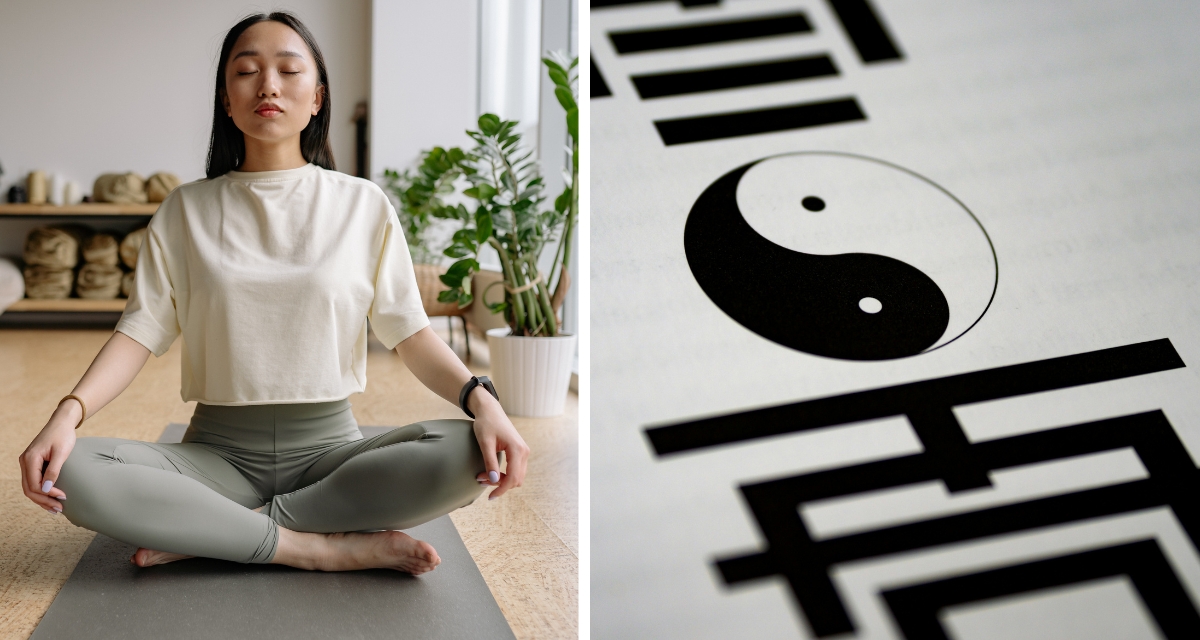
Remember in the ’90s when yin-yangs were everywhere? Necklaces, T-shirts, hats, shoes, wallpaper, you name it. That Chinese symbol was plastered on everything like a good-luck talisman meant to symbolize perfect balance. Or at least, that’s what we in the Western world thought.
It turns out we might have been completely wrong. Tang, a man who runs the YouTube channel TangSaying, recently corrected the information Westerners received about the yin-yang symbol. He explains everything from the true meaning of the symbol to what the two small dots within it mean. His explanation causes you to look at the symbol in a new light, suddenly making its shape make sense.
Yin-yang is not about balance
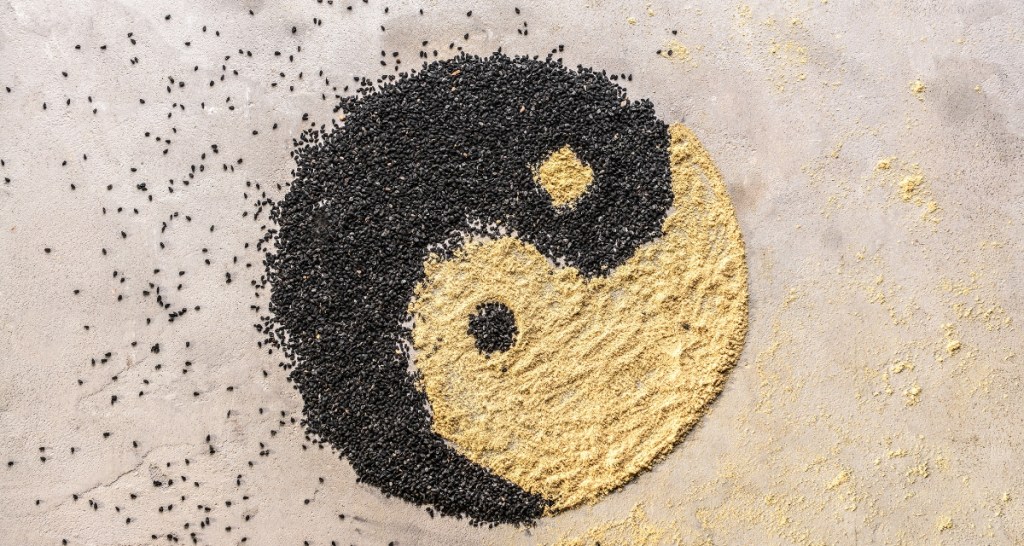
The yin-yang looks like two large drops of water about to swirl around one another. One side of the symbol is black with a small white dot in the center of the largest part. The other side is white with a small black dot in the center of its largest part. The large part of one sits snugly against the thin tail part of the other.
“You’ve seen this symbol a thousand times,” says Tang. “On T-shirts, on tattoos, in every video about Eastern wisdom. And you’ve probably been told what it means. Light vs. dark, good vs. evil, two opposing forces held in perfect balance. Here’s the problem: Almost every word in that sentence is wrong. Yin-yang is not about good and evil. It is not about opposing forces. And this is the one that surprises people most. It’s not about balance.”
He goes on to explain that in most common Western readings, yin is darkness, so it’s bad. Yang is good because it’s light. It’s presented as a cosmic battle between light and dark.
The symbol isn’t good vs. evil

“That framework is real, but it isn’t Chinese. It comes from a different lineage entirely,” Tang says. “Persian dualism and later Christianity. Light against darkness, God against the devil, good locked in war with evil. Somewhere along the way, that story was projected onto a Chinese symbol that carries none of it. Because in the original cosmology, yin is not evil. Yin is night, the winter, the rest, stillness, the valley, the moon. Nothing is fighting anything. Night is not the enemy of day. It is the other half of the day.”
Tang shares that the version where yin-yang means balance sounds more sophisticated. He claims that this more sophisticated misunderstanding built the Western wellness industry. People have been attempting to sell or achieve a perfect balance between work and rest. But Tang says the yin-yang symbolizes nature.

Night is not the enemy of day
“Nature is never in balance. Nature is in motion. Summer is not balanced with winter. Summer becomes winter. Day doesn’t negotiate with night. Day turns into night,” Tang recalls.
He further explains that yin-yang isn’t some sort of equilibrium but something that is constantly in motion and cannot be stopped. He says the original meaning was that yin represented the sunny side of the hill, while yang represented the shady side of the same hill—not two separate forces fighting against each other.
Yin-yangs are not permanent, but are positions that things pass through, according to Tang. As for the two dots, he shares that the white dot in the black and the black dot in the white symbolize that each phase already carries the seed of the other.
“Inside the deepest winter, spring has already started. Inside your worst season, read that again,” Tang says.
He also clarifies that yin-yang is not from Daoism because it appeared years before that religion. Tang says yin-yang is not a religious symbol but was more like a model in ancient China to describe how change works.
Don’t fight the turning
Tang cautions against holding on to the idea that yin-yang means balance:
“If you believe yin-yang means balance, then every downturn in your life looks like a failure of maintenance. You lost momentum; you must have done something wrong. You are tired; you are mismanaging your energy. Your career enters a quiet season; you are falling behind.
“You try to hold noon in place: permanent output, permanent visibility, permanent summer. The original model says that is not strength. That’s fighting the turning. Winter is not a malfunction of summer. Rest is not a failure of work. And a quiet season of your life is not a broken version of a loud one. You were never supposed to balance your life. You were supposed to time it to know which season you are in, and stop farming against the weather.”