The winners of the Underwater Photographer of the Year contest were announced and they are incredible

From rare river dolphins to abandoned aircrafts, there’s an entire world to explore just below the water’s surface.

underwater photography
There's an entire universe down there.Photo credit: Kat Zhou/UPY 2023 (USA), Shane Gross/UPY 2023 (Canada)

Space might be considered the final frontier, but right here on planet Earth, entire universes remain unexplored beneath the water’s surface.

Every year, the prestigious Underwater Photographer of the Year contest highlights stunning images from all over the world that offer a small glimpse into this mysterious world, reminding us of its breathtaking beauty, fascinating wildlife and—perhaps most important of all—the need to respect and care for its resources.

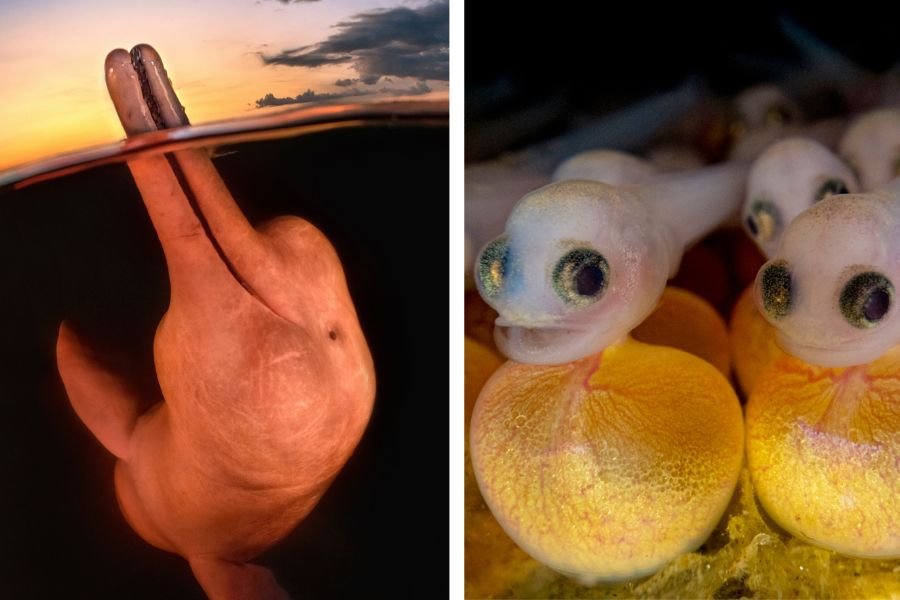
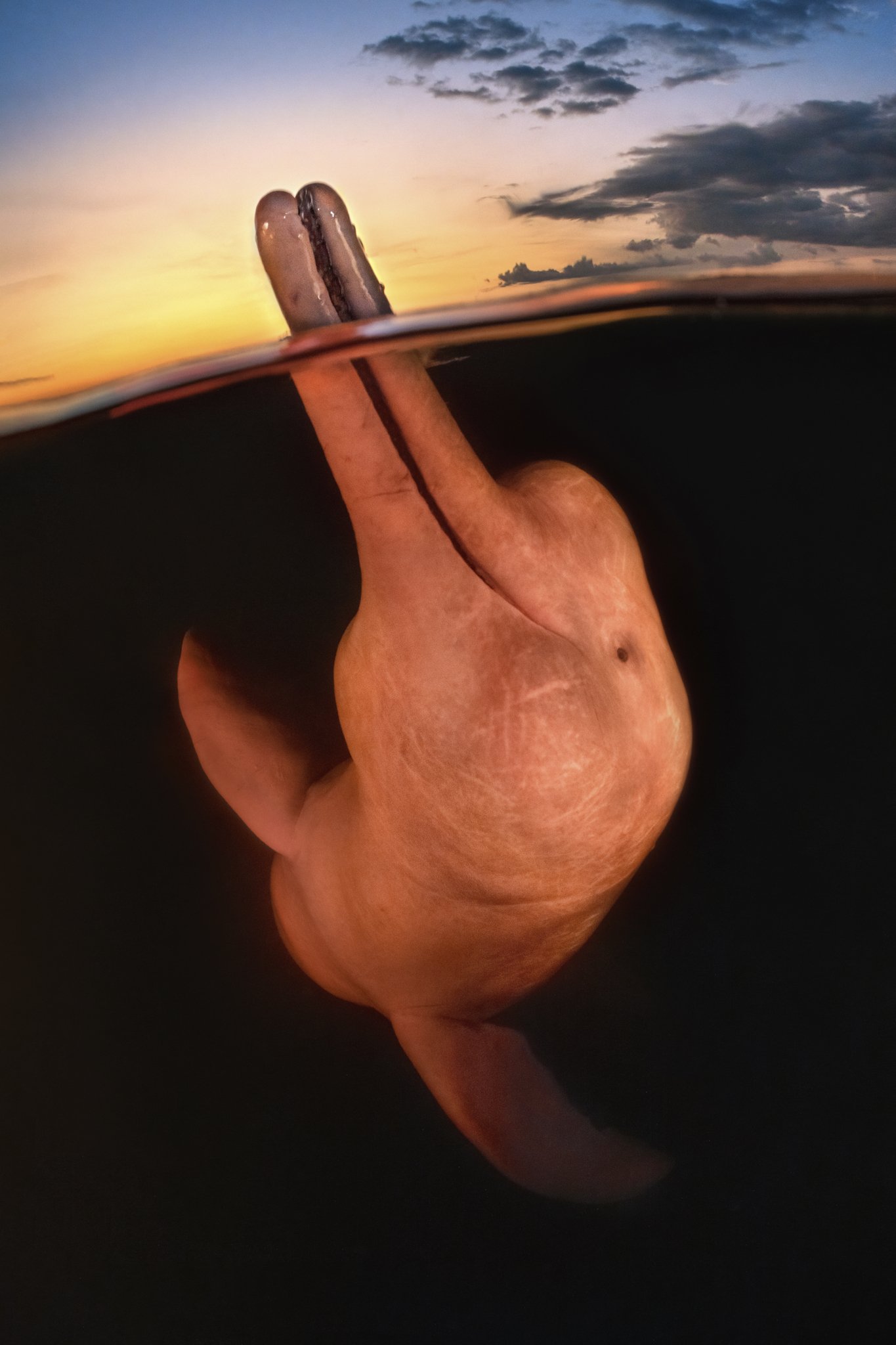
American photographer Kat Zhou won the title for 2023. (Technically, she also won Up & Coming Photographer of the Year—way to go, Zhou.) Her image of a rare Amazon river dolphin, captured at the perfect moment of smiling while poking its nose out from under the water, rose to the top in a sea of 6,000 entries. Due to river contamination and being killed or injured by fishermen, the species is listed as vulnerable in certain areas by the World Wildlife Organization, making this apparently happy interaction all the more impactful.

As judge Alex Mustard wrote, “In dark, tannic waters, Kat has created a striking composition capturing this rarely photographed and vulnerable species at the perfect moment…By far the best image we’ve ever seen of this species.”

Zhou also explained the river dolphin’s folklore in her entry.


Underwater Photographer of the Year 2023 Winner: “Boto Encantado” by Kat Zhou (USA)

Brazilian Amazon
river dolphin
“Boto Encantado” by Kat Zhou Kat Zhou/UPY 2023 (USA)

“There’s a legend among locals in the Amazon that river dolphins, or ‘botos,’ can transform into handsome men known as ‘boto encantado’ at night to seduce women. Though I did not witness this elusive boto transformation, at dusk I was enchanted by these beautiful mammals in a different way. After seeing how botos would sometimes bring their beaks above water, I knew I want a split shot at sunset. Though the water was so dark that I was shooting blind, this dolphin gave me a perfect pose and smile!

As indigenous communities settled by rivers in the Amazon, river dolphins began living in closer proximity to human populations, even making use of food scraps. Frequent dolphin sightings led to tales like boto encantado, but there’s a darker side to the legend, as it was often used to excuse pregnancies after women were assaulted or forced into prostitution. While botos are generally revered as mythical creatures, many scorned husbands have killed dolphins because of these stories. Furthermore, many river dolphins have also been killed for use as fish bait. Though there have been bans on this practice, it has not been eradicated. With this, alongside even bigger impacts like mercury poisoning due to the gold mining industry and large development projects that have disrupted the river ecosystems, I fear that one day botos will truly become no more than mythical creatures.” – Kat Zhou

Take a look below at the winners from other categories:

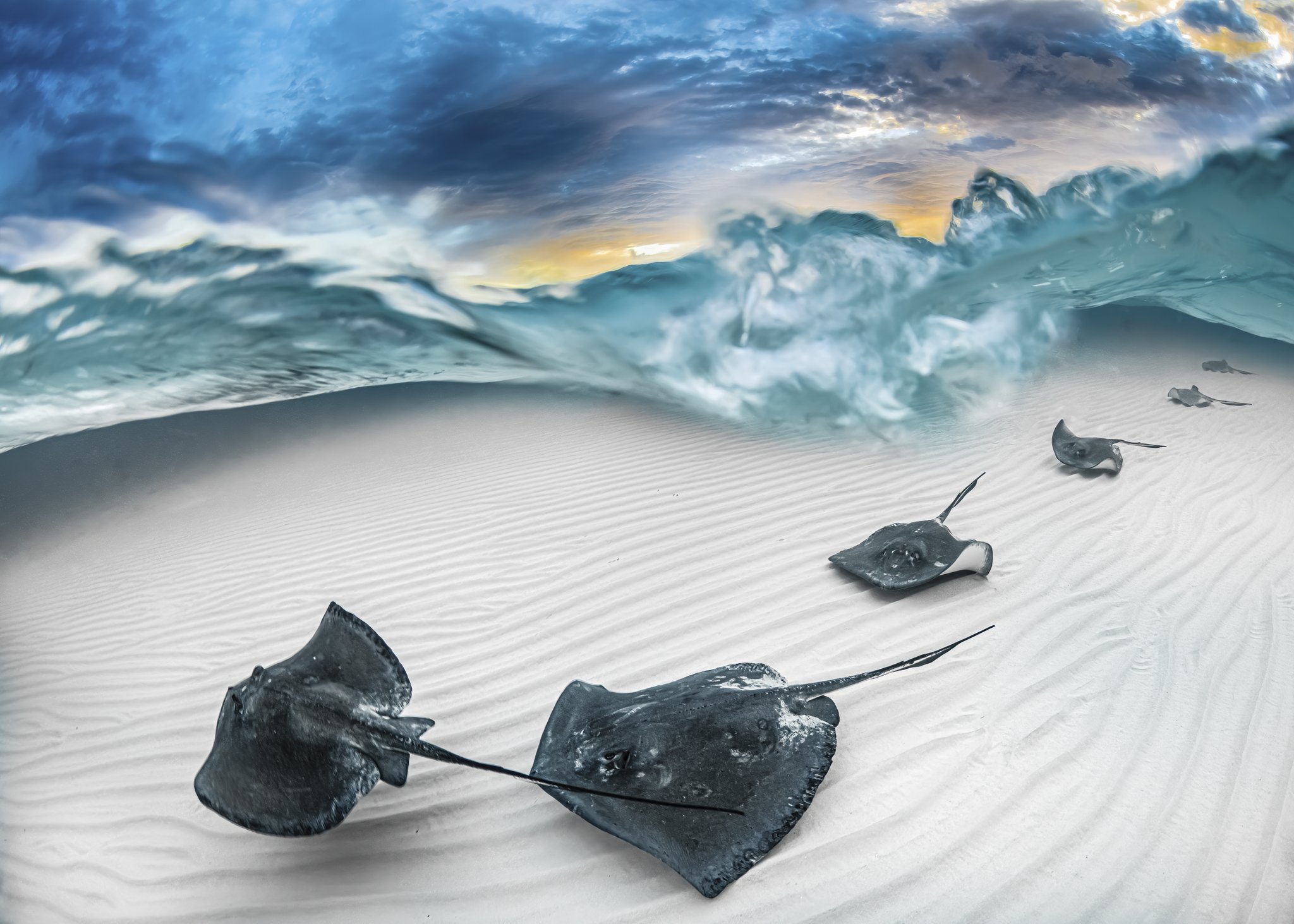
Wide Angle Winner: “Fade” by J. Gregory Sherman (USA)

Stingray City, Cayman Islands
stingrays
“Fade” by J. Gregory Sherman J. Gregory Sherman/UPY 2023 (USA)

“My dive partner and I chartered a boat to arrive at Stingray City on Grand Cayman before dawn so as to capture the morning light and undisturbed sand ripples. Just as the sun broke the horizon, a line of southern stingrays headed straight for me and I captured this image as they glided across the sand. Using a large dome port allowed me to create a split image showing the intensely colorful dawn sky contrasted against the nearly monochromatic stingrays and sand beneath the surface chop.” – Gregory Sherman

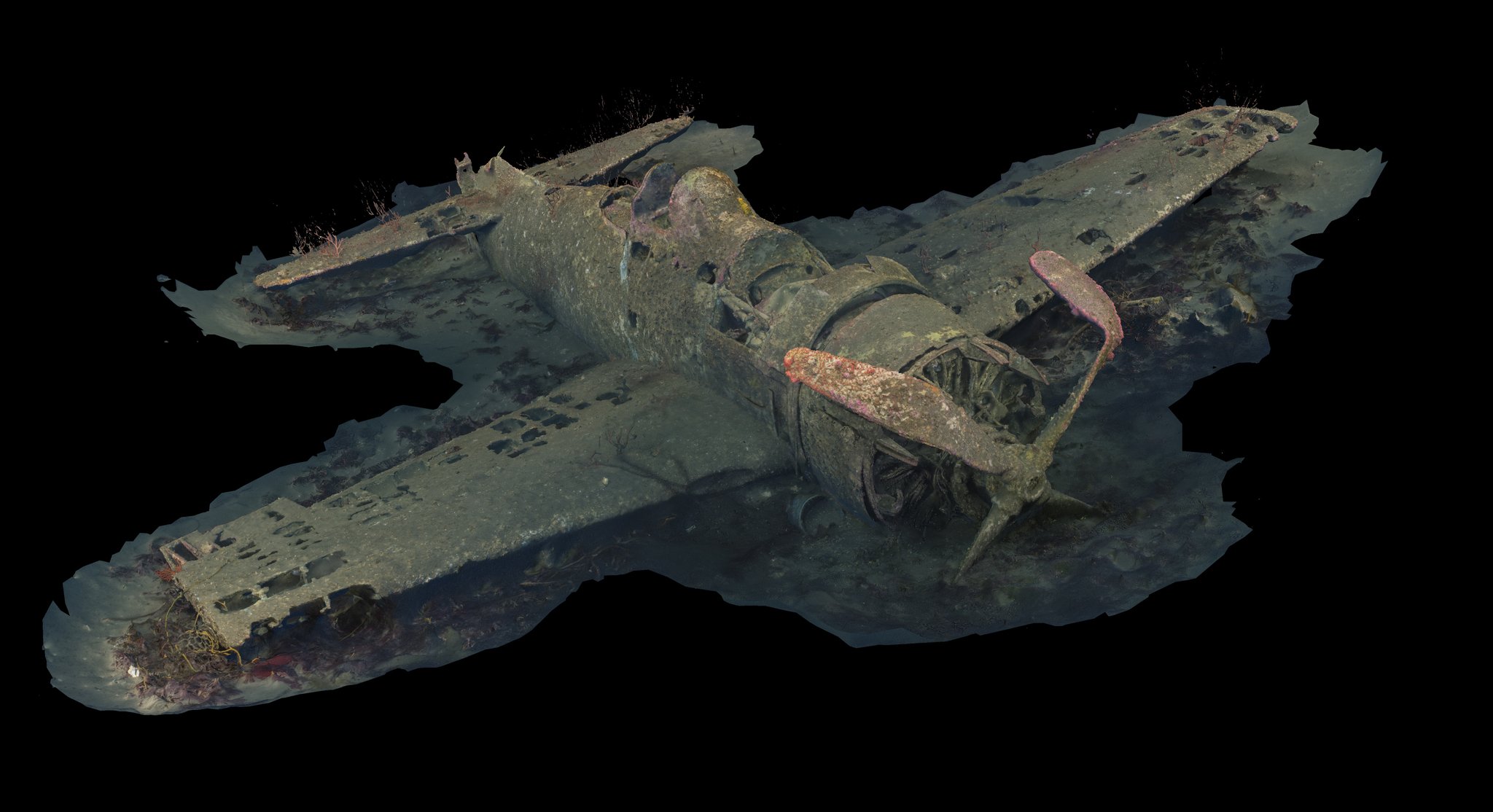
Wrecks Winner: “Engine with a Saddle” by Brett Eldridge (USA)

Point Loma, California
wrecked planes
“Engine with a Saddle” by Brett Eldridge Brett Eldridge/UPY 2023 (United States)

“We were out scanning targets in June when we saw a very small, but promising sonar blip 230 feet deep. I geared up and jumped in hoping for something special. After some searching, my heart started racing when I first saw fish then the propeller of an almost completely intact, single-engine WW II airplane! It turned out to be a F8F-1 Bearcat, a rare aircraft that Neil Armstrong famously once said was his favorite and has been described as ‘An Engine With a Saddle.’ Alone on the first dive with limited bottom time, I took enough photos to build a ‘draft’ model and identify the wreck. Needing a better photogrammetry model for the UPY contest and with deadlines quickly approaching, I booked December 19th and crossed my fingers. We fortunately had epic conditions and I got the photos I needed. It was my last dive of 2022.” – Brett Eldridge

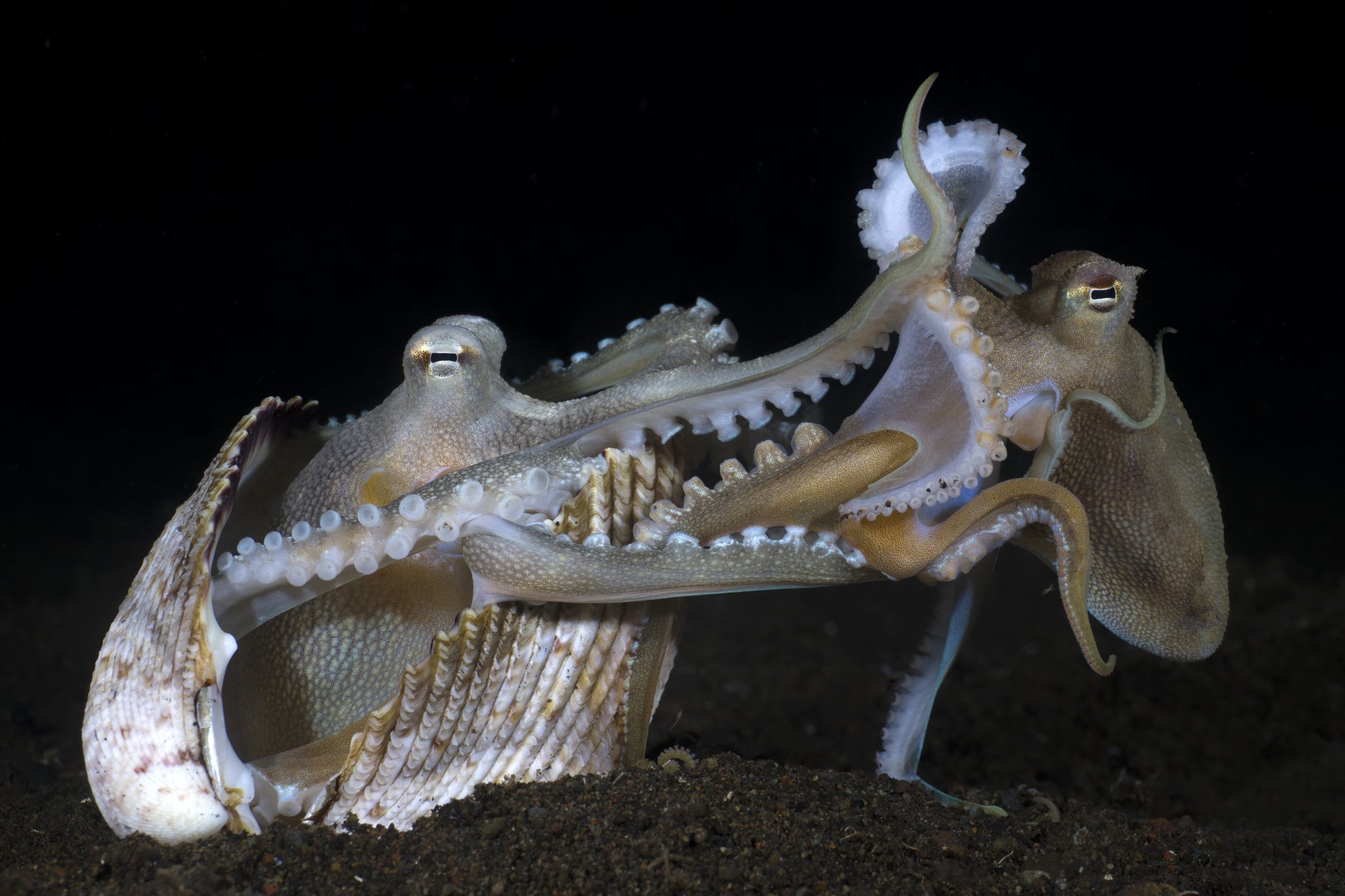
Behavior Winner: “Make Love Not War” by Yury Ivanov (Indonesia)

Tulamben, Bali
octopus
“Make Love Not War” by Yury Ivanov Yury Ivanov/UPY 2023 (Indonesia)

“A couple of coconut octopuses ‘making love’ (mating). I knew that I can find this species of Octopus at one of dive sites near Tulamben village (Bali, Indonesia) and they are active only at night time in that place. I dive there only after 7pm hoping to photograph something unique – their mating. I’ve done more than 30 night dives at the dive site and finally I got lucky. The photo shows the end of their love.” – Yury Ivanov

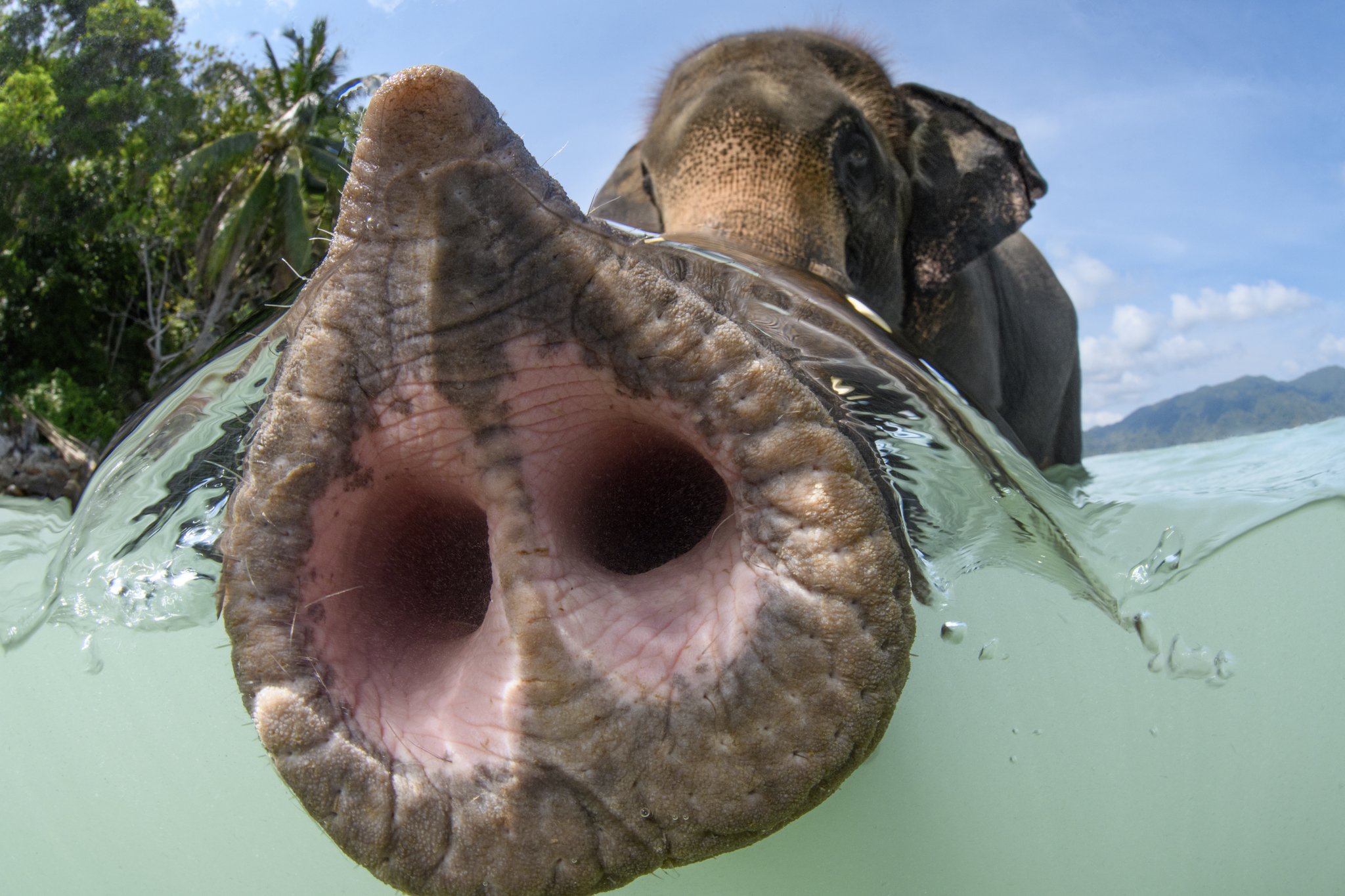
Portrait Winner: “The Trunk” by Suliman Alatiqi (Kuwait)

Phuket, Thailand
elephant
“The Trunk” by Suliman Alatiqi Suliman Alatiqi/UPY 2023 (Kuwait)

“The elephant’s trunk is one of the most distinctive anatomical features in the natural world and this photo aims to emphasize it. Luckily, he was curious about my camera and was happy to feel it out which gave me the opportunity to capture this perspective despite otherwise bad conditions for an over-under photo (choppy water and poor visibility). In my first attempts, the nostrils were not fully lit because of how close they were to the lens (which was necessary for the intended photographic effect). So I returned at a specific time window when I thought the sun’s angle would be optimal and managed to fully light the nostrils. This added a lot more detail to the key part of the image without which the photo would not be as effective.” – Suliman Alatiqi

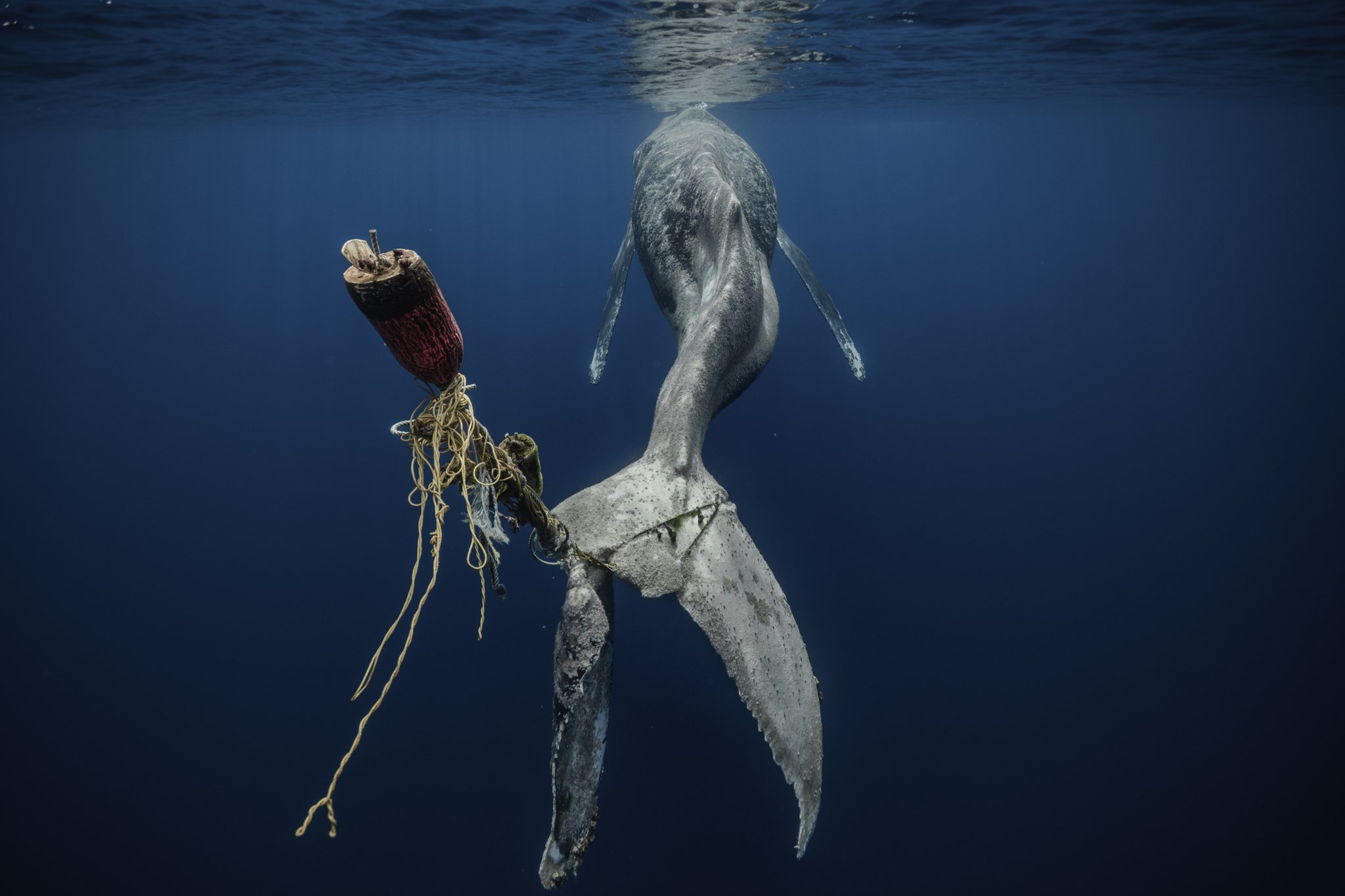
Save Our Seas Foundation Marine Conservation Photographer of the Year 2023 Winner: “Hopeless” by Alvaro Herrero (Spain)

Baja California, Mexico
whale
“Hopeless” by Alvaro Herrero Alvaro Herrero/UPY 2023 (Spain)

“A humpback whale dies a slow, painful and agonizing death after having its tail entangled in a ropes and buoys, rendering its tail completely useless. A reflection of what not only our oceans are suffering, but also our planet, the product of man’s selfishness and lack of responsibility. Taking this photograph was, for me, the saddest moment I’ve experienced in the ocean. Especially because I have spent so much time with humpbacks underwater, experiencing eye contact, interactions, and seeing with my own eyes how they are sentient and intelligent beings. But I’m ‘happy’ to being able to capture that moment and show the world what is happening, what we are doing. I really hope this image make us aware , open our eyes and drive us in to make real changes.” – Alvaro Herrero

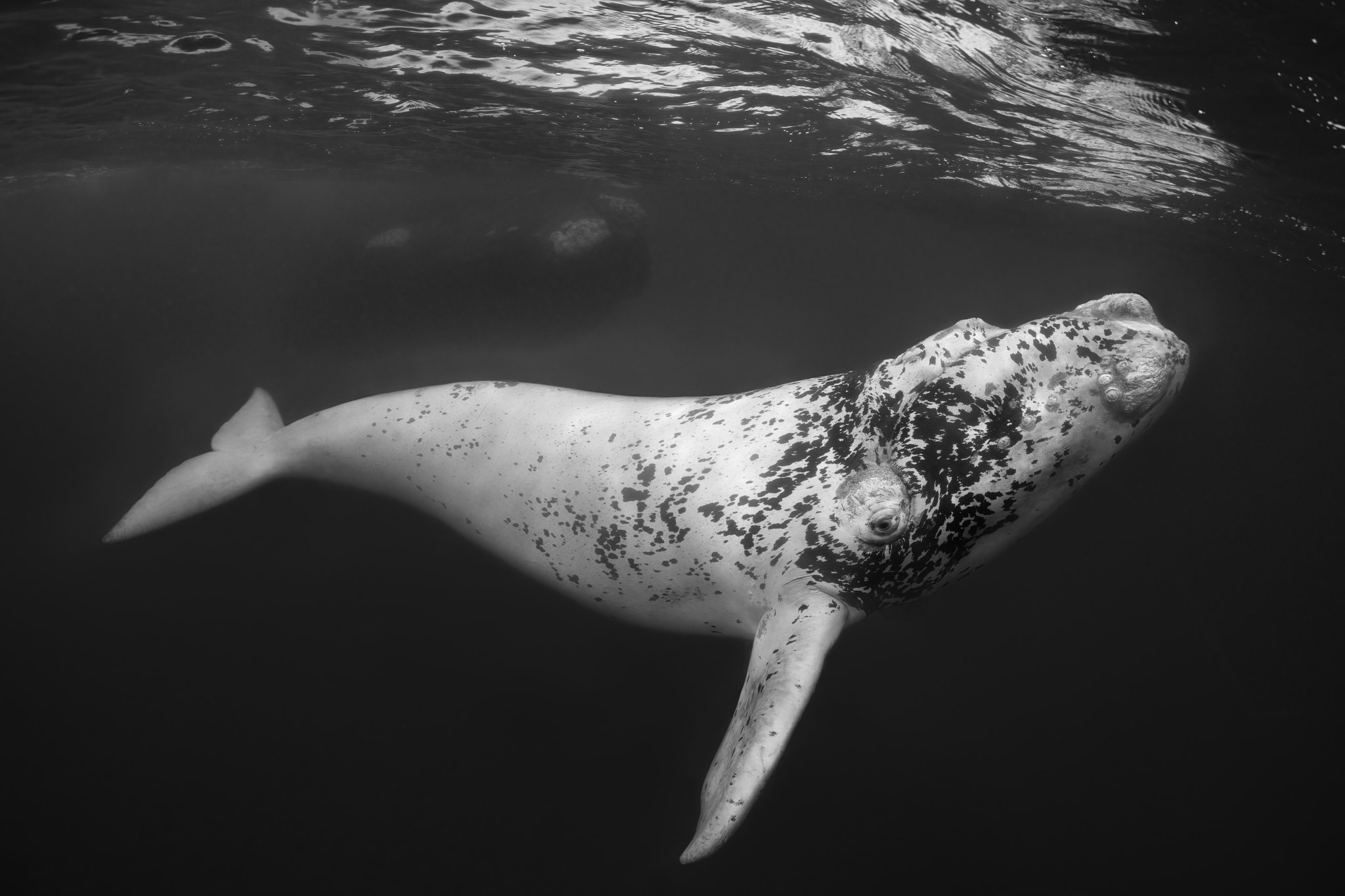
Black & White Winner: “El Blanco – The White One” by Don Silcock (Australia)

Península Valdés, Argentina
whale photos
“El Blanco – The White One” by Don Silcock Don Silcock/UPY 2023 (Australia)

“The image was taken on the last morning of a five-day trip to Peninsula Valdés in Argentina, in August 2022, under a special permit to enter the water with the Southern Right Whales that gather there between June and December each year. The mother, who can be seen in the background, accepted our presence and allowed the calf to interact with us. It was very playful but careful not to hit us with its tail and seemed to be really enjoying it all – almost as much as we were! White calves are very rare and referred to locally as ‘El Blanco’ or the white one!

Peninsula Valdés is an incredibly important safe haven and breeding ground for the Southern Right Whales of the southern Atlantic and Argentina has done an excellent job of managing it. It was, without doubt, my best ever underwater experience!” – Don Silcock

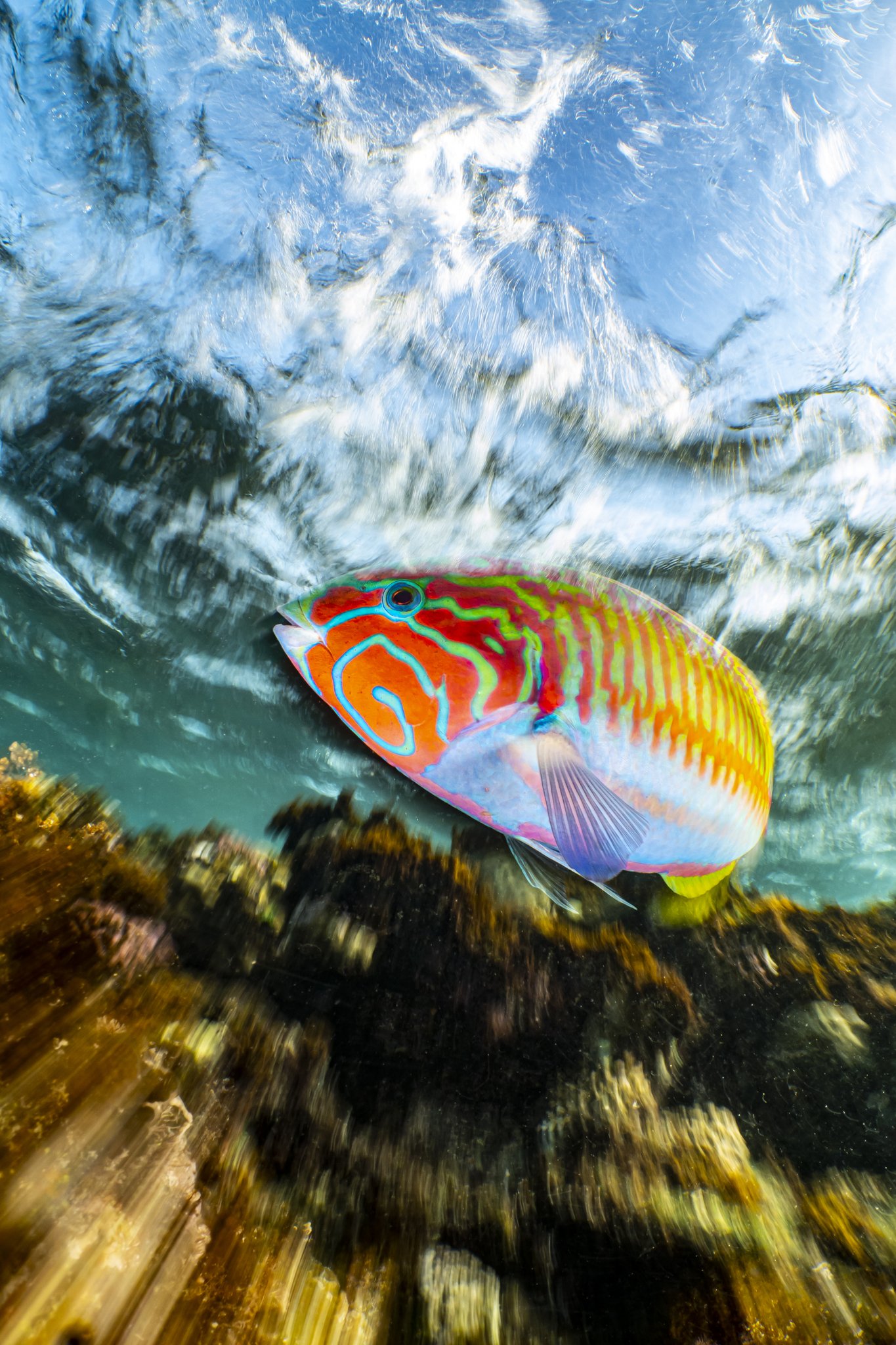
Compact Winner: “Klunzinger’s Wrasse In Motion” by Enrico Somogyi (Germany)

Marsa Alam, Egypt
underwater photography
“Klunzinger's Wrasse In Motion” by Enrico Somogyi Enrico Somogyi/UPY 2023 (Germany)

“When I was snorkeling in Marsa Alam I saw countless Klunzinger’s Wrasses. One of them was particularly curious and very interested in my lens. I was able to take some good classic wide angle pictures. After a while I figured it would be a good idea to try a long exposure. So I set my camera to the smallest aperture f11, the ISO value to 64 and the exposure time to 1/13s. For this picture, I moved the camera forward a bit while the shutter was released. This created the zoom effect in the lower part of the image. I was very happy with the result.” – Enrico Somogyi

Macro Winner: “Unsung” by Shane Gross (Canada)

Location: Vancouver Island, Canada
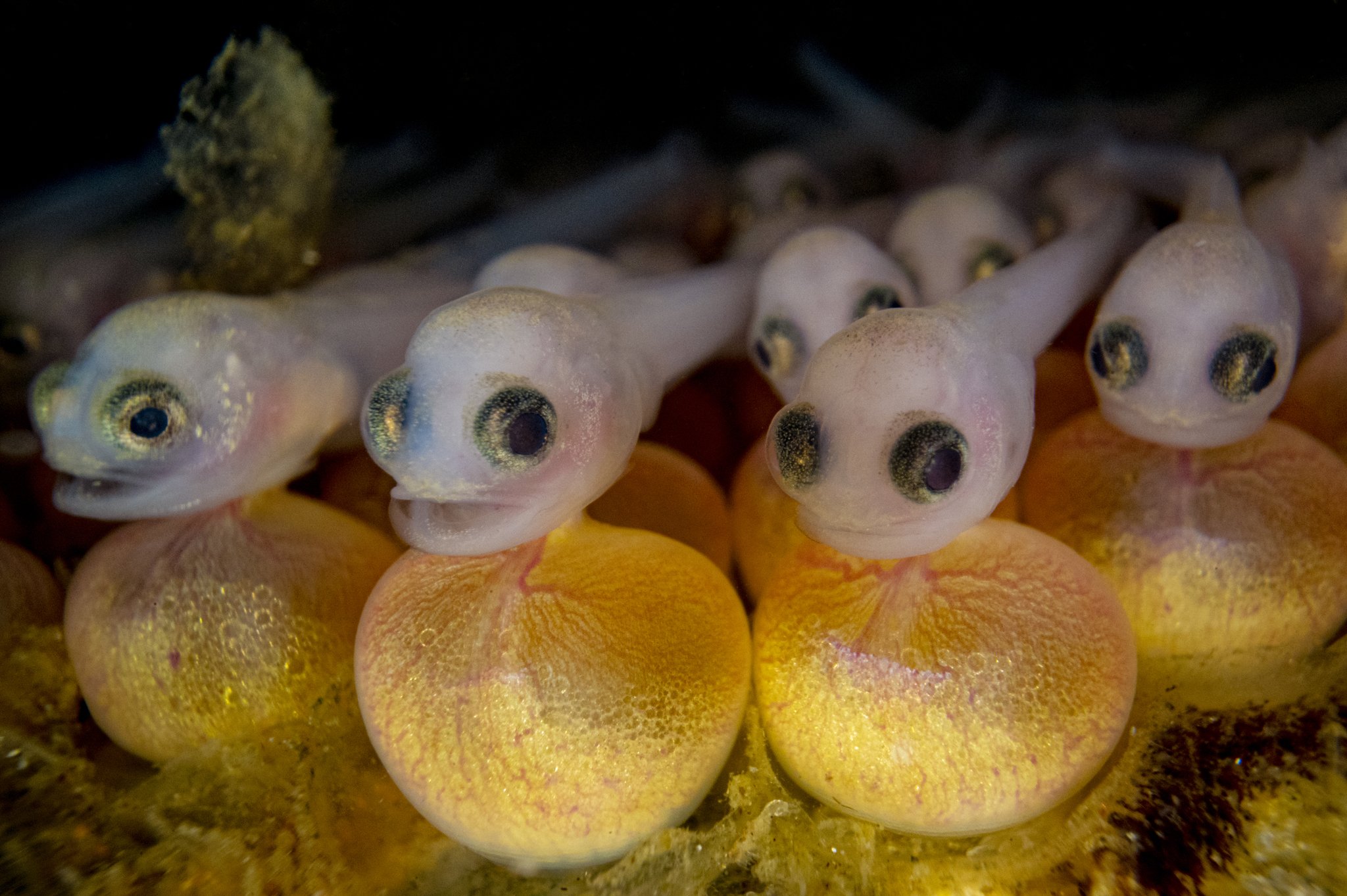
baby fish photograph
“Unsung” by Shane Gross Shane Gross/UPY 2023 (Canada)

“Walking along a rocky shoreline we would peer under rocks using a probe lens and my camera’s LCD screen to check for plainfin midshipman nests. Once found I would lay on top of the barnacle-covered rocks, cutting my elbows, trying to compose images of fish most people have never heard of despite having one of the most interesting lifecycles of any animal. Plainfin midshipman are deep water fish that travel to the intertidal zone to spawn. The males sing to attract females and she will lay as many eggs as his singing deserves before moving on to the next singer. Now, the male has a chance to fertilize the eggs, but only if he is not beaten to the punch by a sneaker male who looks like a female. The singer male will then guard the nest never knowing the kids may not be his. Drama!” – Shane Gross

There are even more incredible images swimming around on the UPY website. You can even download a free yearbook featuring all the winning images and their captivating stories here.

  • A baby monkey rejected by his mom carries a stuffed animal for comfort. People can’t look away.
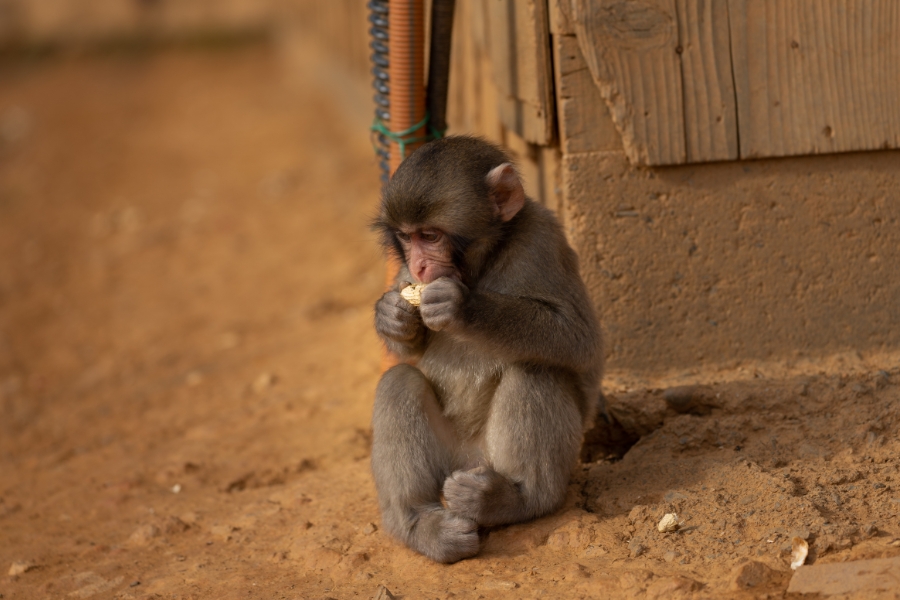
    What happens when a baby macaque is rejected? Photo credit: Canva
    ,

    A baby monkey rejected by his mom carries a stuffed animal for comfort. People can’t look away.

    Punch has people around the world emotionally invested in his story.

    A baby monkey named Punch has captured the hearts of people around the world. The now seven-month-old Japanese macaque, who lives at Japan’s Ichikawa City Zoo and Botanical Garden, was rejected by his mother shortly after birth. Videos of him clinging to zookeepers coming into the enclosure broke people’s hearts, but that was just the beginning of the saga.

    Zookeepers gave Punch a stuffed orangutan toy as a surrogate “mom” to cuddle with. Naturally, that has only increased the “Awww” factor. Punch drags the toy around with him and runs back to it for comfort when he’s scared or lonely, and he’s been scared and lonely a lot since he was introduced to the larger macaque troop in January. Videos show him being pushed away and even dragged around by older macaques, after which he runs back to cling to his stuffed mama. 

    @swnfdh

    JAPANESE ZOO RESPONDS AFTER BABY PUNCH IS SEEN BULLIED! #punch #monkey #zoo #japan #update

    ♬ original sound – me

    People can’t take watching a baby monkey be rejected

    However, things have not been quite as dire for Punch as they may appear. The zoo has reassured the public in a statement that the “bullying” Punch has endured is actually a pretty normal part of primate socialization. Being “disciplined” by other macaques will teach him appropriate behavior in the troop, even if it appears mean to our human sensibilities.

    People’s reactions to Punch and his struggles to fit in have been emotional and fierce, though. It’s like Punch’s story was designed to trigger every compassionate, protective instinct we have as humans. The motherless outcast who just wants to be loved. The big, mean bullies who knock him around. The rejection when he attempts to make friends. The finding comfort wherever he can, even in an inanimate object.

    Comedian Britt Migs captured the emotional investment people have in this monkey in a parody video. It may be hilariously over the top, but it’s actually not far off from how many people feel after watching Punch videos.

    Comments on the videos range from sadness to empathy to rage:

    “Punch needs to have his own kingdom.”

    “At dawn we ride for Punch.”

    “How do I apply to foster and ultimately adopt punch. He can stay with me.”

    “This story has wrecked my life this week.”

    “I love Punch and I’ve never met him!”

    “Every video I see of punch I’m crying, He’s so cute and innocent.”

    Punch is doing better than people think, thankfully

    There has been good news on the Punch front, thankfully. The zoo says he “shows resilience and mental strength” even as he goes through his social pitfalls. And he has started making friends with others. Newer videos show him being carried and cuddled by at least one older macaque, playing with a peer, and even being groomed. All good signs.

    Ichikawa Zoo has seen a massive influx of visitors since Punch’s story went viral and has had to make adjustments. They have asked visitors to limit their time on Monkey Mountain (where the macaques live) and observe quietly so as not to disturb them.

    The zoo has been keeping people posted on how Punch is doing. A zookeeper update from February 22 reads (translated from Japanese on X): “Thanks to everyone’s good manners, it was a calm atmosphere with no fights or anything like that. Punch, around 5 PM, was meticulously groomed by two monkeys and is steadily fitting into the group.”

    The reality of zoos can often give people pause and prompt concern for the well-being of the animals in human care. Dr. Tessa Wilde, executive director at For the Love of Primates, shared some insights into how macaques live in the wild and how that influences the way enclosures are designed.

    @fortheloveofprimates

    It’s #MonkeyMonday 🐒❄️ You asked about #PunchTheMonkey and Japanese macaque enclosures, so let’s break down how snow monkeys live in the wild—and how zoos and sanctuaries can mirror those rocky, mountainous habitats. #AnimalCare #fyp #viral

    ♬ original sound – For the Love of Primates

    There’s a rather fuzzy line between caring for animals and anthropomorphizing them to the point where we might interfere with normal behavior, such as the socialization we’ve seen Punch going through. Wilde pointed out in a previous video that early rejection and scolding are not unusual in a case like Punch’s. And we’re seeing progress as he gets integrated into the troop, so that’s promising.

    It is hard to watch, though, and our feelings of compassion for a creature we think is going through a hard time certainly isn’t a bad thing. We need more compassion in the world, even if it comes through a monkey with a stuffy just trying to find a family.

    @cbsnews

    Punch the 6-month-old macaques monkey has gone viral for seeking comfort in a stuffed orangutan that is like his “surrogate mom.” Punch was abandoned by his real mom shortly after birth and the staff at Ichikawa City Zoo near Tokyo, Japan have been raising him. Punch, however, has hit some bumps in the road while trying to learn how to socialized with the other monkeys. In one viral video, another monkey is seen getting aggressive with him, but the zoo explained why that may happen. Here’s what the zoo says about Punch’s development – and why his “surrogate mom” stuffed animal is helpful. #monkey #punch

    ♬ original sound – cbsnews
  • Obese cat amasses fan club on his weight loss journey as he cleverly tries to avoid working out
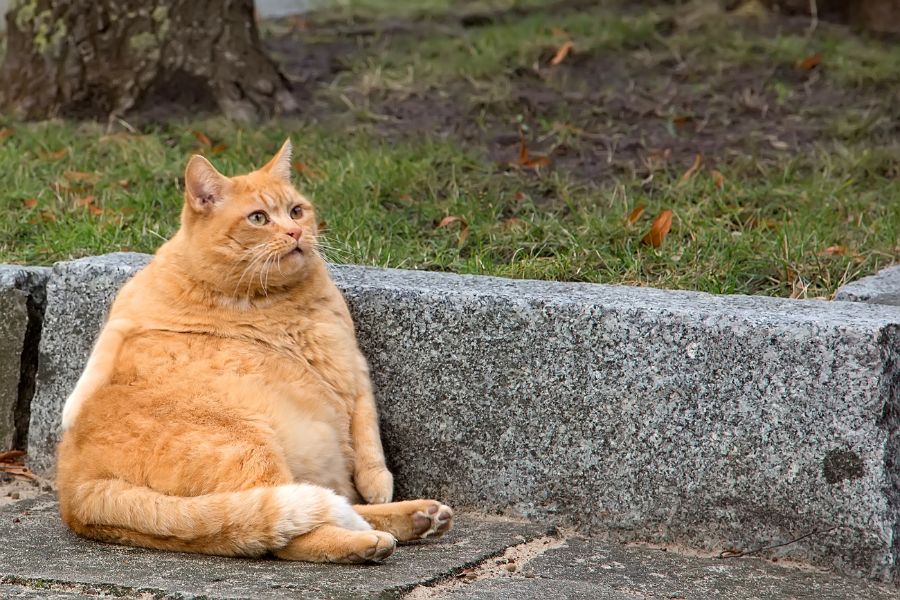
    An obese cat rests against a curb. Photo credit: Canva

    Working out isn’t always fun, but sometimes what’s good for you isn’t fun. An orange and white tabby cat named Mr. Kitty is realizing that all of those cat treats are a lifetime on the hips. So many things are tasty going down, but they’re not so great when working to get the pounds off.

    Mr. Kitty received the news that he had to not only go on a diet but also participate in an exercise regimen. His owner has been sharing his weight loss journey on her Instagram page, The Mr. Kitty Show. His less-than-stellar attitude about exercise has garnered him a fan club. There’s nothing like a sassy cat being forced to work out to make cat lovers cheer.

    cats; obese cats; overweight cats; animal weight loss; healthy cat weight; Mr. Kitty
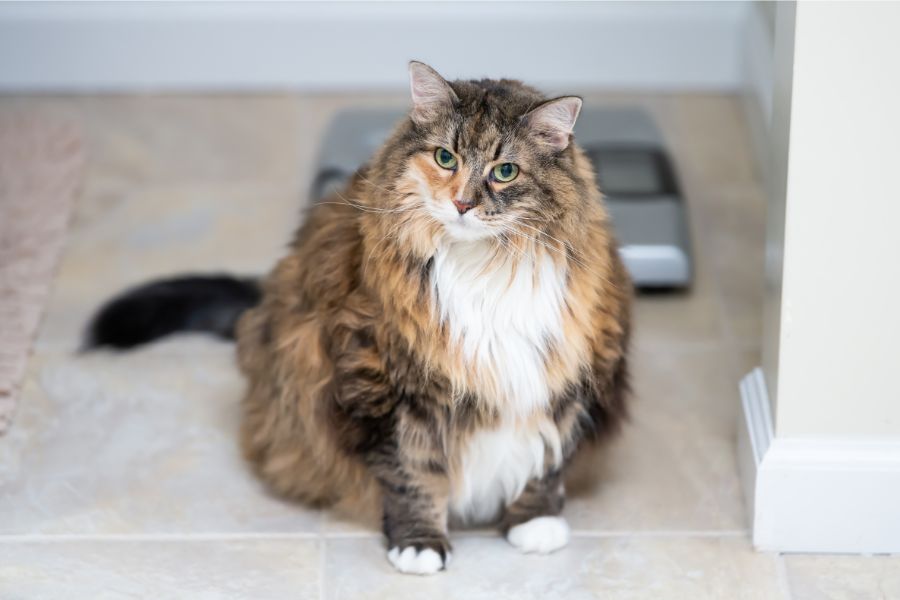
    A chubby cat sits near a scale. Photo credit: Canva

    Mr. Kitty does not appear amused. The sassy cat does everything in his power to avoid working out. He must’ve been taking dieting tips from Garfield, because he’s a whopping 30 pounds. On the cat chonk chart, Mr. Kitty would be an “OH, LAWD HE COMIN.‘”

    People can find “The Chonk Chart” in cheeky veterinary offices. It shows cats’ weights, ranging from “A Fine Boi” (average weight) to “A Heckin’ Chonker” (overweight but not obese). On the far end of the chart is Mr. Kitty’s status.

    Some wonder how a cat gets to Mr. Kitty’s size. It’s unclear what led to his excessive weight. Often, this level of weight gain is caused by overfeeding and under-exercising. According to PetMD, “All cat breeds can become obese. Middle-aged (8–12 years old), spayed or neutered, indoor-only or primarily indoor cats tend to be more at risk for becoming obese cats.”

    The average weight of a healthy adult cat is between seven and 12 pounds, depending on whether the cat has a small or large frame, according to the Cummings School of Veterinary Medicine at Tufts University. So, Mr. Kitty is well outside of the normal weight range, and as his owner drags him to the kitty cat gym regularly, he wants her to know just how unhappy he is.

    Aside from giving his human the death stare while walking on the treadmill, he also protests the exercise equipment. Mr. Kitty was originally placed on a treadmill with a plastic display piece in front. By resting his front paws on the plastic piece, only his back legs had to walk. His humans moved him to a different treadmill to stop him from cheating on his weight loss journey.

    Instead, he decided not to walk at all. Mr. Kitty would park his chonkin’ self on the treadmill and wait for it to roll him all the way to the edge so he could try to escape burning calories. The people in the cat gym had to stack pool noodles at the back of the machine to force Mr. Kitty to work out. All the hard work has started to pay off, whether this cat wanted to participate or not. Mr. Kitty has dropped to 20 pounds, and his fan club couldn’t be prouder.

    One person says, “Hi Mr. Kitty! Congratulations on your weight loss journey! You look great!”

    “Get it Mr Kitty! Mr Kitty looks strong and confident,” another cheers.

    Someone else writes, “Mr. Kitty I think you look adorable but I’m betting your joints are thankful for the weight loss! Keep going, king!”

    This person feels Mr. Kitty’s pain, writing, “I understand this so well… I would go through the same length not to walk on a treadmill. Mr kitty understands us chubby ones.”

    According to some commenters, Mr. Kitty is perfectly happy working out at the holistic vet. He was just a cat doing cat things, finding cheat codes to not exercise because cats do what they want, when they want, and the days he tried to escape were the days he didn’t feel like exercising. Either way, Mr. Kitty’s progress has been amazing, and his little joints likely feel so much better.

  • Marshmallow root is a natural remedy that can help stop coughs quickly
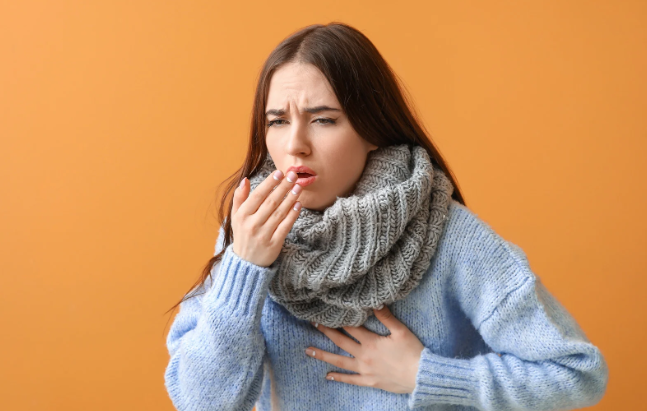
    A woman coughing.Photo credit: Canva

    There’s nothing more exhausting than having a dry cough that won’t go away. Some viruses, such as RSV, can cause a lingering cough for weeks after the infection is over. Most people try cough suppressants and lozenges to make themselves more comfortable. Still, there’s one ancient remedy most people don’t know about that research suggests can work quickly: marshmallow root (Althaea officinalis).

    “The natural marshmallow root or plant has been shown to decrease throat irritation and coughing,” said Dr. Bayo Curry-Winchell, a family medicine physician and TED Talk speaker, according to The Huffington Post. “The soothing effect comes from the plant’s natural coating, called mucilaginous, which is a sticky gelatin substance that might help reduce a cough.”

    marshmallow root, cough suppressant, natural remedies, sickness, ancient remedy
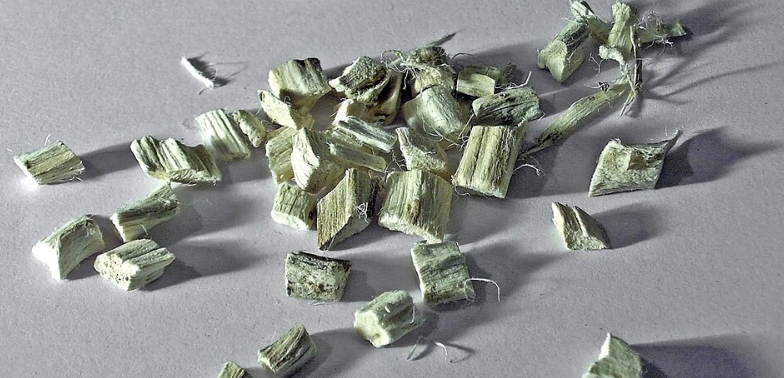
    Marshmallow root. Photo credit: Wikimedia Commons

    How marshmallow root can help stop coughing

    However, that doesn’t mean you should pop a few extra-large marshmallows in your mouth or down a few teaspoons of marshmallow ice cream topping, as the woman in the TikTok video below suggests. Companies that make the sweet confection stopped using marshmallow root decades ago.

    @doctorsood

    Medical information can sometimes be outdated; wish Marshmellows still had marshmellow root

    ♬ original sound – DoctorSood, M.D.

    “Store-bought marshmallows, which contain sugar, water, and gelatin, do not [reduce coughing],” Dr. Sood clarified on TikTok. “But marshmallow root, which has been used since ancient times, does have medicinal uses and can soothe your throat and suppress your cough. This was previously an ingredient in marshmallows but has now been replaced with sugar. The reason it helps is it builds protective coat in your mouth and throat, and there is research to support.”

    Why marshmallow root is so great at soothing coughs

    Marshmallow root is effective at soothing a dry, painful cough due to the mucilag, a sap-like substance it produces. When ingested, the mucilage coats the mucosa, or the lining of the body’s inner passages, soothing them like a balm.

    Multiple studies have found that marshmallow root, when used as a cough syrup or lozenge, provides rapid symptom relief. It has also been shown to reduce cough reflex sensitivity and throat irritation.

    marshmallow root, cough suppressant, natural remedies, sickness, ancient remedy
    Marshmallow root. Photo credit: Rillke/Wikimedia Commons

    There are many different ways to take marshmallow root if you have a cough that won’t go away. You can make marshmallow root tea by using the root as loose-leaf tea, pouring boiling water over it, and letting it steep for 10 minutes. You can also mix marshmallow root powder with water or juice to make a drink.

    This may be the first time you’ve heard of using marshmallow root to soothe a hacking cough, but its medicinal use dates back to ancient Egypt, where it grew in swamps and bogs.

    In the 1800s, the French took the marshmallow plant, mixed its sap with rose water and egg white meringue, and dropped the mixture into candy molds. This marked the birth of the marshmallow you love and cook over campfires today. Over the years, marshmallows became increasingly popular, so manufacturers ditched the root sap in favor of gelatin and corn syrup, which were more readily available.

    Marshmallow root is a great example of how, even as scientific advancements have drastically changed how people approach health, some ancient remedies have stood the test of time.

  • Woman demonstrates the proper way to burp a turkey, and people have so many questions
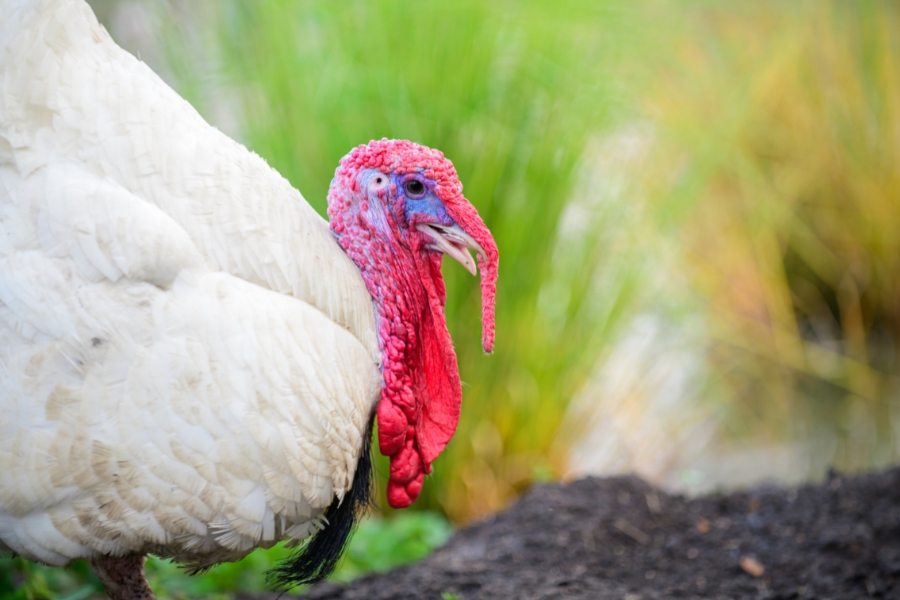
    Did you know turkeys can be burped?Photo credit: Canva

    If you’ve ever seen a turkey in real life, you may already have questions about the odd birds. Can they fly? Why do they have those dangly things on their faces and necks? How can you tell a male turkey from a female? Can you eat turkey eggs?

    One question you’ve probably never asked is, “Do turkeys have to be burped?” But after watching this turkey-burping demonstration, you might (along with about a dozen other questions, starting with “What on Earth did I just watch?”).

    Watch:

    You’re not alone. So many commenters found themselves in the same boat:

    “I am the first in my bloodline to see a turkey burped.”

    “Do they explode if you don’t do this ?”

    “Why did I just watch a tutorial on burping a turkey?”

    “Will I ever be in a situation where I need to burp a turkey? No. Did I watch this to the end? Definitely.”

    “Me watching this whole video like I have a turkey to burp.”

    The Canadian homesteader who burped her “little dinosaur” Eli in this video shares all kinds of interesting facts about turkeys on her TikTok channel, @tallqueenbaby. She raised Eli from the time he was two weeks old and brings him in front of the camera for a good burping every once in a while.

    Why, though? She explained everything in a follow-up video:

    Does it stink when the turkey burps?

    “It doesn’t smell pleasant,” she said. “They eat grains and corns and things like that and it’s mixed with hot air, so it’s kind of just this weird, unpleasant smell. It’s not something I’d want to smell all the time.”

    Do turkeys need to be burped?

    “No. It is not a necessity,” she said. “It’s moreso for bonding and for excess relief.”

    She explained that both male and female turkeys will strut, puffing out their chests, but male turkeys have a different air sac system, so more air accumulates in them. She added that burping them shouldn’t be done often and can hurt them if not done properly. Therefore, it’s not something to try randomly on your own (in case you had any ideas).

    Can wild turkeys be burped?

    She doesn’t know. She doesn’t mess with wild turkeys. It’s probably best not to try.

    She’s also not the only one sharing turkey burps on TikTok. Here are a few more big burpers:

    @bakeeandbloom

    Turkeys burp on their own but if you apply a little pressure you can help them burp😅 #turkeys #turkey #petsoftiktok #turkeysoftiktok #hobbyfarm

    ♬ original sound – Kylie Lakey | SAHM
    @party.at.the.barn

    Ever seen a turkey burp? Now you have. Presenting: Clark. Serving gobbles and gas. 🎤💨 Listen closely… the vibe is real. #B#BurpingBirdT#TurkeyTalkC#ClarkTheTurkeyP#PartyAtTheBarnF#FarmLifeUnfilteredGassyGobble

    ♬ original sound – Party at the barn 🐴

    That air will eventually make its way out of the turkey without any assistance, but we all know how satisfying it is to have a nice, big burp.

    Sadly, our little dinosaur friend Eli is no longer with us, as he passed away from an unexpected injury in January 2026. He was a beloved pet, and @tallqueenbaby created a lovely tribute to him on her TikTok channel:

    @tallqueenbaby

    it’s with a heavy heart that i type this. Eli past away yesterday from an unexpected injury. Eli was my pet. he was the protector of my flock, my sweet boy. i’m truly devastated. i want to thank everyone who gave Eli love. he is so missed but is now reunited with his wife Dumplin. #elitheturkey#turkey#turkeyburp#farm#loss

    ♬ original sound – ARCeology

    She continues to share videos with Eli from before his passing, and the people who only just met him through his virality are grateful. Eli served as a guardian on the farm, as well as a sweet, feathered friend.

    “We truly had a beautiful bond,” she wrote. “He was such a good boy and did his job as protector so well. I’m so grateful to have experienced this.”

    You can follow @tallqueenbaby on TikTok to learn more about turkeys.

  • 14 stunning images from the 2026 World Nature Photography Awards
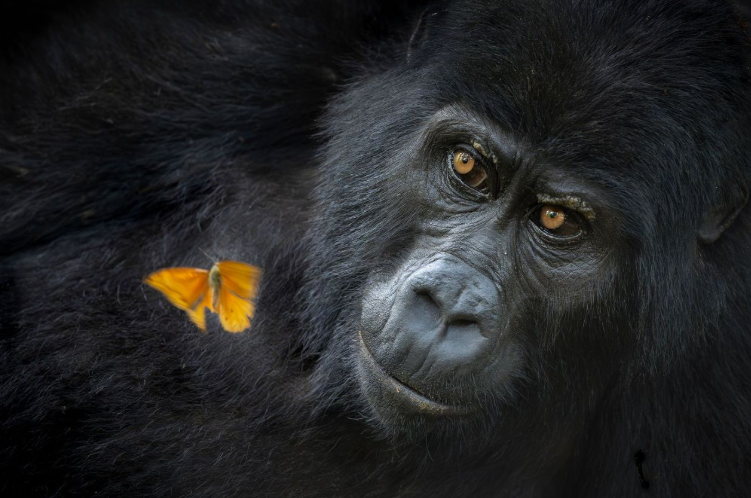
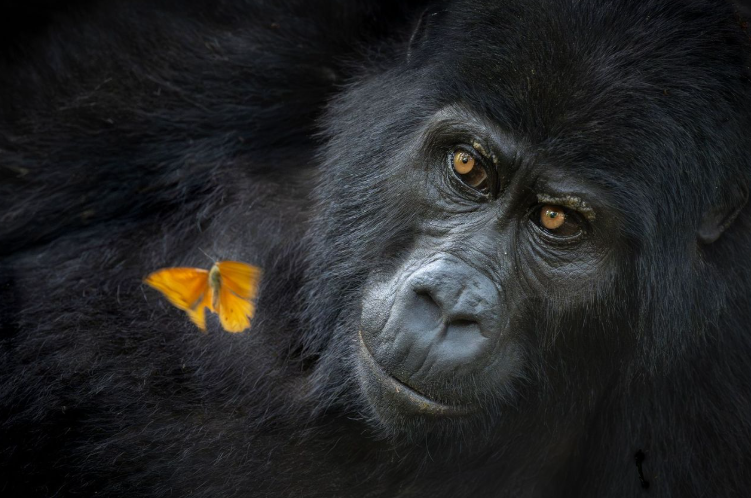
    A gorilla looking at a butterfly.Photo credit: World Nature Photography Awards
    ,

    14 stunning images from the 2026 World Nature Photography Awards

    The winning image was a gorgeous photo of a humpback whale and calf.

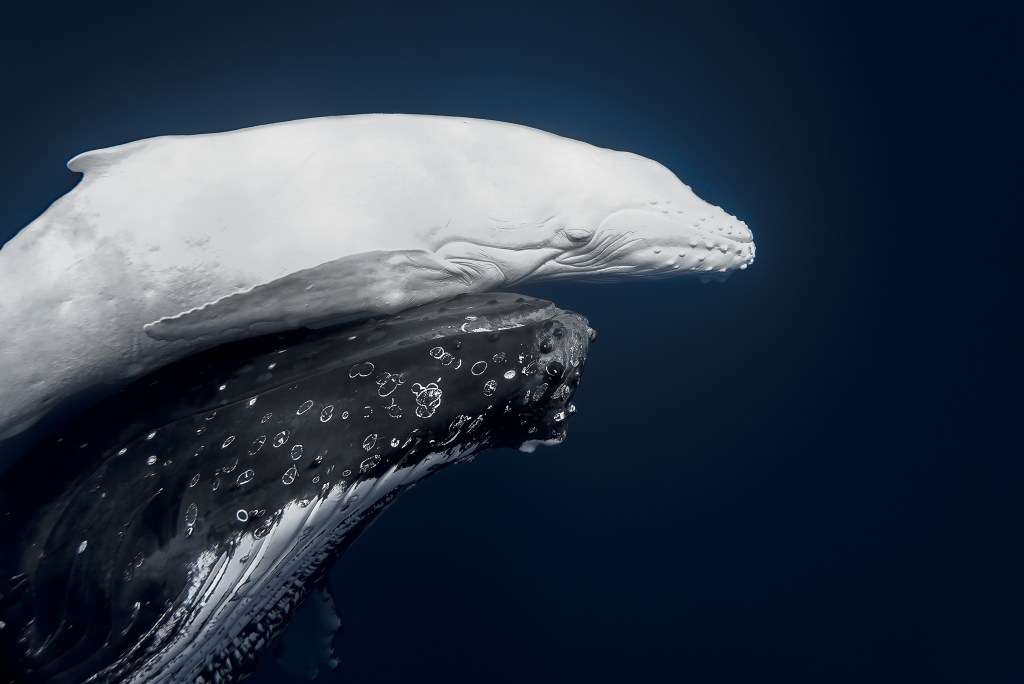
    The World Nature Photography Awards have announced the winners of its 2026 photo contest. Australia‘s Jono Allen won the top cash prize for his image of a humpback whale and Mãhina, her white calf.

    “Sharing this moment with Mãhina and her protective mother is a memory that will live with me forever,” Allen said in a press release. “It was undoubtedly one of the most extraordinary days I have ever experienced in the ocean—and perhaps ever will. To be announced World Nature Photographer of the Year through capturing this unique mother and calf bond has made what was already a truly life-changing encounter even more profound and humbling. I feel beyond honoured to receive this award.”

    The World Nature Photography Awards were founded on the belief that “small positive actions can help shape the future of our planet, and that photography has the power to influence perspectives and inspire change.”

    The 2026 competition saw entries from 51 countries across six continents. Here are 14 of the gold medal–winning photos from the competition.

    1. World Nature Photographer of the Year 2026 Grand Prize Winner — Jono Allen (Australia) “Mãhina,” Humpback Whales in Vava’u, Tonga

    nature awards, nature photography, photo awards, nature, nature art
    Photo credit: World Nature Photography Awards

    “Captured in the tropical waters of Vava’u, Tonga, this rare white humpback calf – named Mãhina, meaning “moon” in Tongan – glowed like a beam of light as she travelled through the deep blue water with her protective mother. With only 1 in 40,000 humpbacks born with this lack of pigmentation, her presence was not only breathtaking but symbolic. Watching this spectacular and curious moon white whale calf play and roll through the water represents the remarkable success story of a species given the chance to recover after being heavily targeted by whaling and once being brought to the brink of extinction. Considering the resilience of this awe-inspiring species, sightings of such rare individuals renews hope in what can happen when conservation is championed and wildlife is allowed to thrive. Mãhina is a living reminder of what is possible when conservation works – a species once on the brink, now rebounding.” — Jono Allen

    2. Gold: Animal Portraits — Mary Schrader (South Africa) “Shared Wonder,” Gorilla and Butterfly in Bwindi, Uganda

    nature awards, nature photography, butterfly, gorilla, photo awards,
    Photo credit: World Nature Photography Awards

    It was a day defined by quiet connections. Beneath the lush canopy of Bwindi, I observed a young female gorilla gently nestled against the protective bulk of a silverback. The atmosphere was serene, filled with gentle sounds of the forest, until a sudden burst of delicate color broke through the calm. An unexpected visitor, a vibrant butterfly, appeared out of nowhere, fluttering gently through the air. Captivated, the young gorilla’s eyes widened, and in that moment, a beautiful interaction unfolded as a silent, shared wonder between two vastly different beings.” — Mary Schrader

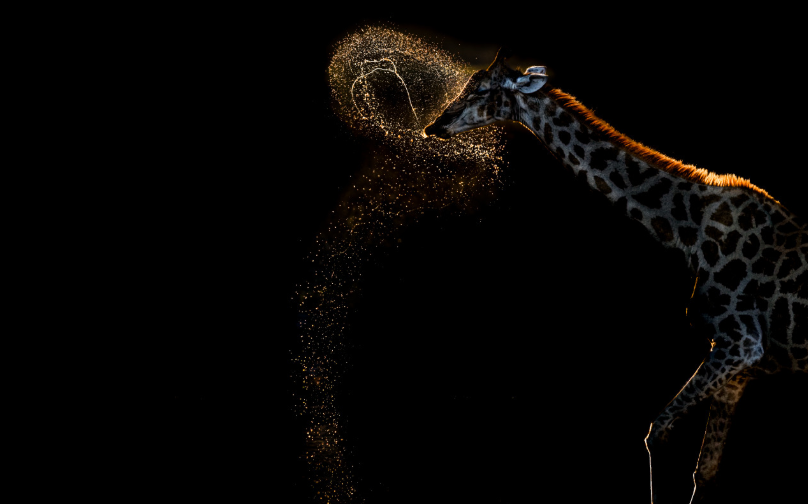
    3. Gold: Behaviour Mammals — Vaidehi Chandrasekar (Singapore) “Giraffe Water ballet,” Giraffe in  Makgadikgadi Pans National Park, Botswana

    nature awards, nature photography, photo awards, nature, nature art
    Photo credit: World Nature Photography Awards

    As the sun dipped low over the dry Makgadikgadi landscape in Botswana, a lone giraffe stepped to the water’s edge. Towering and graceful, it bent its long legs, lowering its neck for a drink. Then came a moment of magic. Having taken its fill, the giraffe lifted its head – and with a gentle swish, expelled a stream of water in an arc that shimmered in the golden light. The droplets danced in the air, forming a near-perfect circle before falling back to the earth. — Vaidehi Chandrasekar

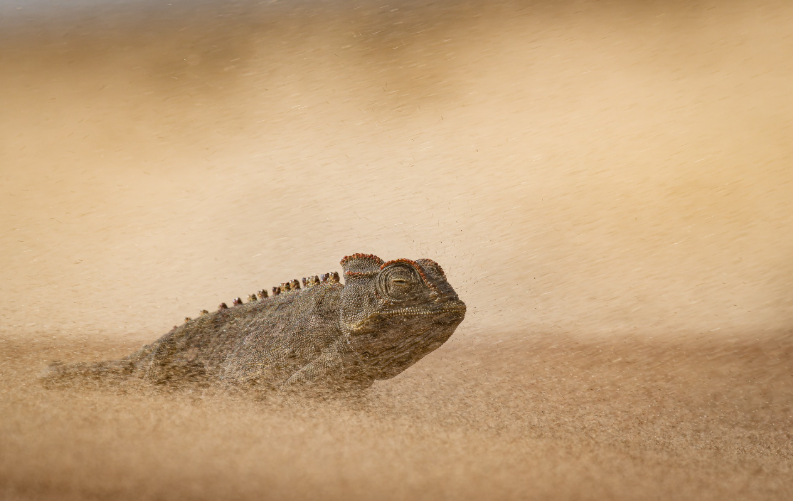
    4. Gold: Behaviour Amphibians and Reptiles — Dewald Tromp (South Africa) “Stoicism in a Sandstorm,” in Makgadikgadi Pans National Park, Botswana

    nature awards, nature photography, photo awards, nature, nature art
    Photo credit: World Nature Photography Awards

    “The Namib Desert is one of the most extreme environments on Earth, with no surface water and daytime temperatures exceeding 45 °C. Despite this, life is abundant, you know, where to look. Sandstorms are frequent, with wind blowing down from inland mountains that stir up fine sediment and particles. A Namaqua chameleon has to endure the sting of pebbles blowing against its skin,while we were lucky enough to escape to the relative comfort of our 4×4.” — Dewald Tromp

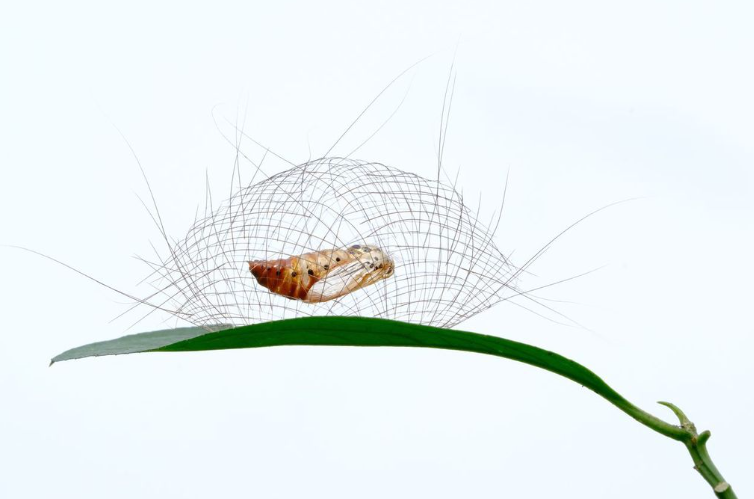
    5. Gold: Behaviour Invertebrates — Minghui Yuan (China) “Home on the Leaves,” Moth Moss Larva in Xishuangbanna, China

    nature awards, nature photography, photo awards, nature, nature art
    Photo credit: World Nature Photography Awards

    “In the tropical rainforest of Xishuangbanna, I found a moss moth larva creating a protective net nest on newly grown, tender plant leaves. Moss moth larvae bite off their toxic hair-likestructures and use their sticky saliva to build their own houses. It uses its own poisonous fur as building material, which can resist attacks from parasitic wasps and ants. In the net nest, the moss moth larvae form some very thin and difficult to see silk, hanging themselves in the air as if they were lying in a hammock.” — Minghui Yuan

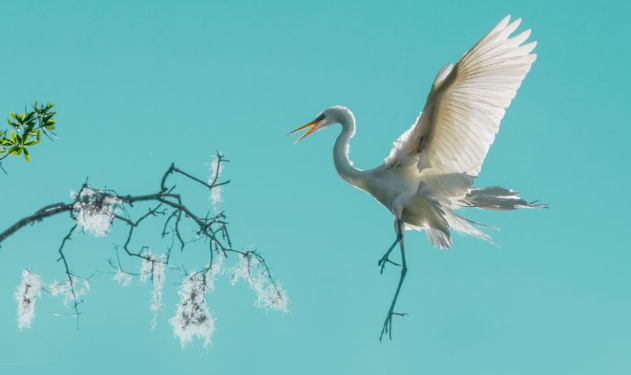
    6. Gold: Behaviour Birds — Fenqiang Liu (USA) “Arrival,” Great Egret in Winter Park, Florida

    nature awards, nature photography, photo awards, nature, nature art
    Photo credit: World Nature Photography Awards

    “Each spring, great egrets gather at Kraft Azalea Garden in Central Florida to nest high in the trees. Photographing from below, I look for moments when backlight reveals the elegance and structure of their wings in flight. I captured this image on an early April morning, as an egret passed between me and the sun just before landing.” — Fenqiang Liu

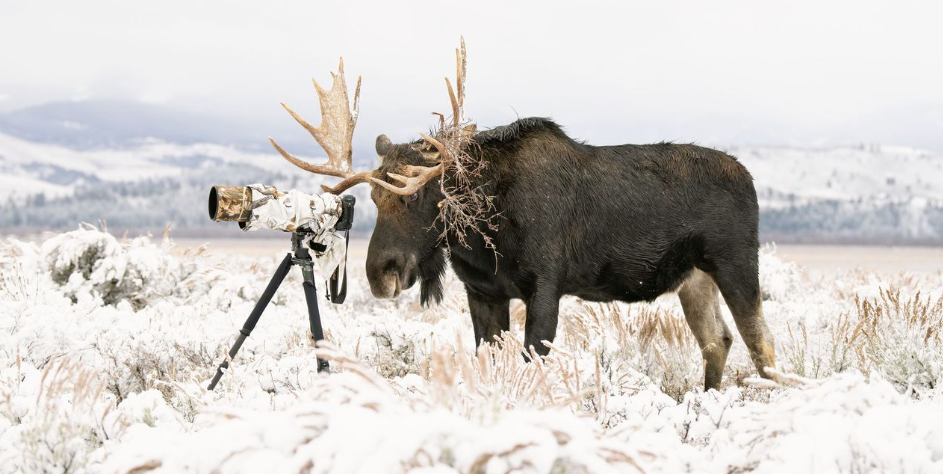
    7. Gold: People and Nature — Deena Sveinsson (USA) “The Wildlife Photographer,” Bull Moose in Grand Teton National Park, Wyoming

    nature awards, nature photography, photo awards, nature, nature art
    Photo credit: World Nature Photography Awards

    “After an evening snowfall in the Grand Teton National Park, Wyoming, USA, the photographers woke up to a blanket of snow covering the sage flats. It was a relatively slow and boring morning watching the many bull moose eat their morning breakfast of bitter brush. A group of us photographers was photographing the bull moose making its way in our direction. He would eat for about 10 minutes, then take a few steps, only to start eating again. At some point, the bland bitter brush bored him, and he decided to go on his walkabout. But he decided to do his walkabout toward all the photographers. We quickly moved away to give the moose his space, but in all the haste, a tripod and a camera ended up being left behind. At first, the bull moose ignored the gear and started to thrash his antlers on the bitter brush. After his curiosity got the best of him, the bull moose decided to check out the camera gear.”  — Deena Sveinsson

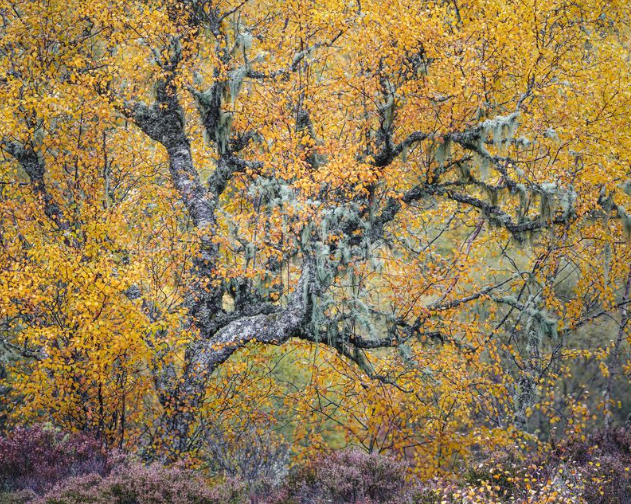
    8. Gold: Plants and Fungi — Duncan Wood (Scotland) “Elder in Flame,” Elder Birch in Glen Affric, Scotland

    nature awards, nature photography, photo awards, nature, nature art
    Photo credit: World Nature Photography Awards

    “Golden autumn colours explode in this intimate portrait of an incredible, lichen-laden elder birch in full seasonal display — bold, brilliant, and full of character, like a woodland peacock. Taken in Glen Affric, this image captures a fleeting moment of drama and beauty from one of Scotland’s most vibrant autumn landscapes.” — Duncan Wood

    9. Gold: Nature Art — Simon Biddie (UK) “Ghost of the Reef,” Ghost Goby in Marsa Alam, Egypt

    nature awards, nature photography, photo awards, nature, nature art
    Photo credit: World Nature Photography Awards

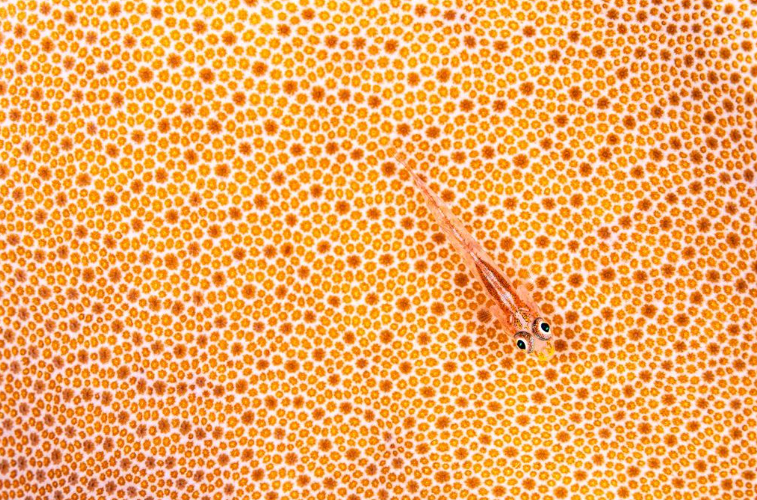
    “Small reef fish, unassuming and often unseen, contribute to 70% of the fish biomass, making them a critical part of reef food chains. Small fish, like many of their land-based insect equivalents, evade predators by being experts in hiding. These small reef fish are also known as ‘cryptobenthic’ fish – crypto as they hide in crevices, or use camouflage.” — Simon Biddie

    10. Gold: Urban Wildlife — Robert Gloeckner (USA) “Trash Trail Temptations,” in  Manitoba, Canada

    nature awards, nature photography, photo awards, nature, nature art
    Photo credit: World Nature Photography Awards

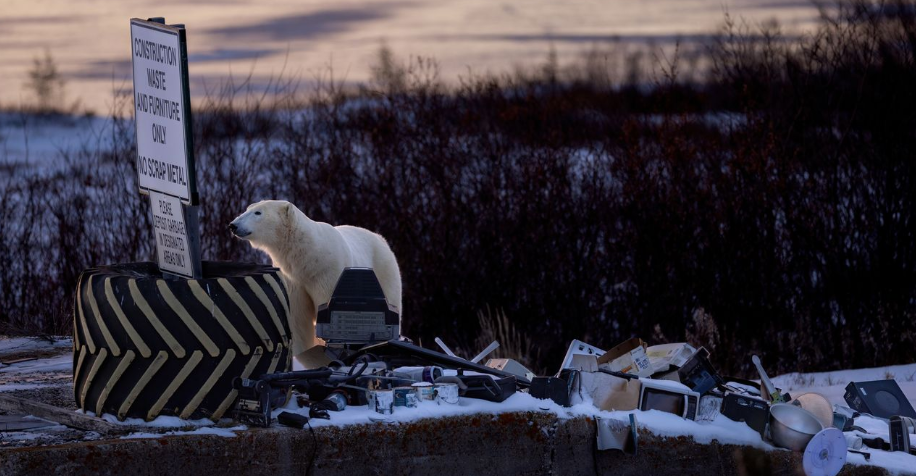
    In this striking image, a polar bear in Churchill, Manitoba, investigates a heap of discarded electronics and household items – part of a growing and very human-made trash trail that’s reshaping how wildlife interacts with civilization. In 2024, the town’s only trash facility burned to the ground. The incident underscored a growing concern: polar bears were increasingly scavenging garbage during the ice-free months, leading to a rise in human-wildlife conflicts.” — Robert Gloeckner

    11. Gold: Earth’s Landscapes and Environments — Miki Spitzer (Israel) “The Eye of the Dragon,” Geothermal Pool in Iceland

    nature awards, nature photography, photo awards, nature, nature art
    Photo credit: World Nature Photography Awards

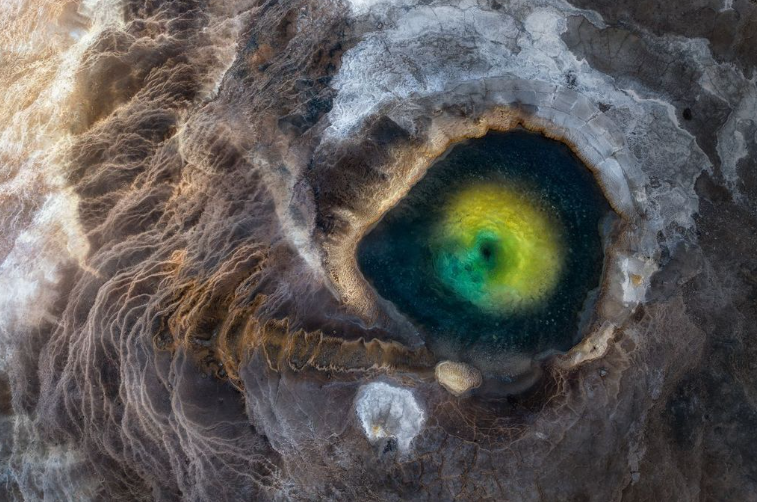
    This is a drone photo of a natural geothermal pool in central Iceland at Hveravellir. In the photo, you can see the pool, which I think looks like a dragon’s eye.” — Miki Spitzer

    12. Gold: Black and White — Christopher Baker (USA) “Sunbathing,” Slider Turtle in Madison, Alabama

    nature awards, nature photography, photo awards, nature, nature art
    Photo credit: World Nature Photography Awards

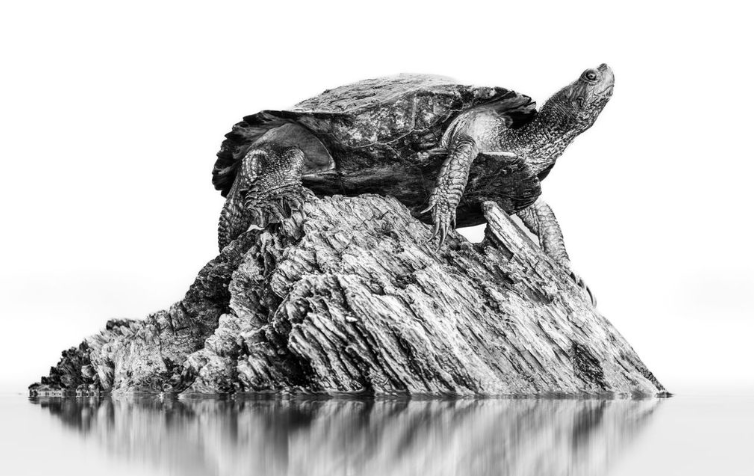
    “An adult pond slider turtle perched atop a stump, bathing in the early morning sun.  I lay on the ground to get a low-angle perspective of the scene and converted it to black and white to enhance the textures of the turtle’s shell and skin, as well as the stump.”  — Christopher Baker

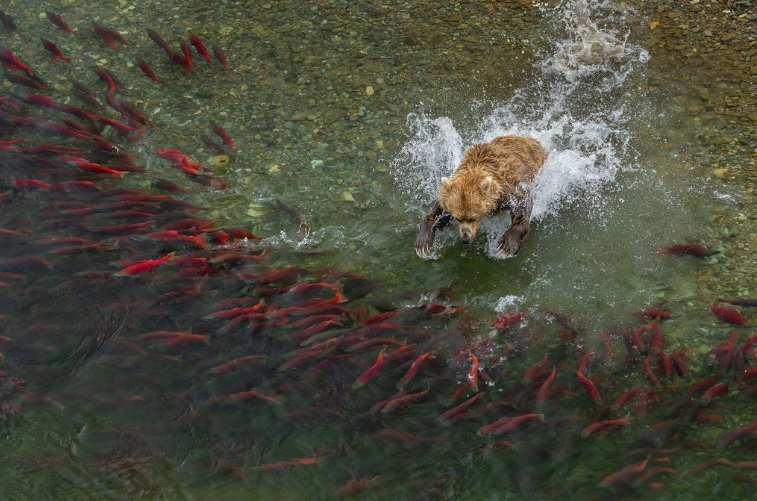
    13. Gold: Animals in their Habitat — Charlie Wemyss-Dunn (UK) “Splash,” a Brown Bear and Sockeye Salmon in Katmai National Park, Alaska

    nature awards, nature photography, photo awards, nature, nature art
    Photo credit: World Nature Photography Awards

    “A hungry brown bear launches headlong into a creek in Alaska’s Katmai National Park to try to catch one of the many sockeye salmon spawning in large numbers during their seasonal migration. Each August, large concentrations of brown bears gather along the rivers and creeks in Katmai, waiting for the annual arrival of salmon from the coast. I observed this scene after a two-hour walk from our camp from atop a cliff. I positioned myself at the cliff’s edge to get a unique perspective looking down on the action below and used a polarizing filter to cut any glare from the water’s surface.” — Charlie Wemyss-Dunn

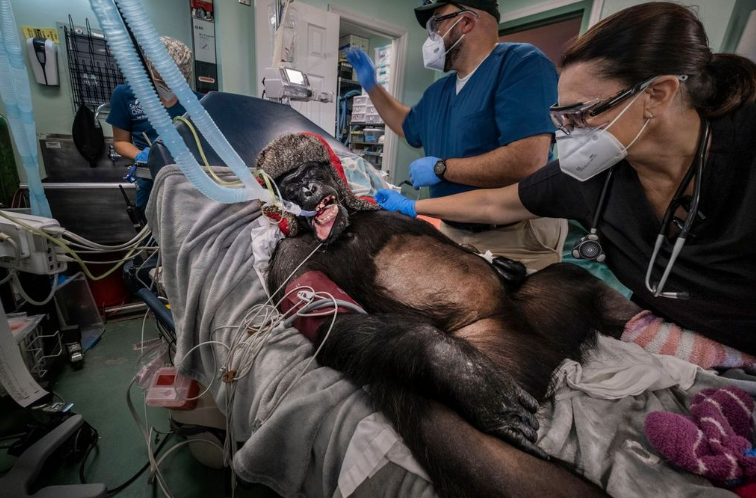
    14. Gold: Nature Photojournalism — Alain Schroeder (Belgium) “Chimp Paradise,” Chimpanzee and Humans in Fort Pierce, Florida

    nature awards, nature photography, photo awards, nature, nature art
    Photo credit: World Nature Photography Awards

    “Kayla, a 37-year-old 61.2 kg female, was in the procedure room, and her stomach was shaved for an ultrasound. Socks have been placed on her extremities, and a fur hat with flaps has been placed on her head to avoid hypothermia. General caption Founded in 1997, Save the Chimps is the largest privately funded chimpanzee sanctuary in the world. Its mission is to provide a safe haven for captive chimps who have been exploited by humans for research, testing, and entertainment. The 150-acre state-of-the-art facility in Florida is home to over 220 rescued chimpanzees living their best possible lives among peers, thanks to a team of passionate veterinarians, caretakers, and volunteers who provide personalized care and nutritious, individually tailored feeding and enrichment plans in a spacious island habitat. The sanctuary is working tirelessly to welcome all captive chimpanzees across the United States who need refuge and expert loving care for the rest of their lives.”  — Alain Schroeder

  • The 4 purrfectly wholesome reasons cats love stealing people’s seats as soon as they stand up
    The 4 purrfectly wholesome reasons cats love stealing people's seats as soon as they stand upPhoto credit: Canva

    It never fails: someone’s been sitting for a while and decides to stand to stretch their legs. The moment a cat owner’s knees fully extend is the exact moment their cat jumps into their seat. Often, it seems like they were pre-curled into their adorable pose before seemingly levitating onto the pre-warmed seat.

    This normal kitty behavior can sometimes be irritating to cat owners, especially when they were planning to sit right back down. When there’s a cat snuggled in a chair, it can become a struggle to get them out, especially if the cat is a little stubborn. Some cats refuse to move, seemingly pressing their weight into the seat, while others grab onto the fabric with their nails in an effort to claim the chair. It’s a battle that can happen multiple times per day.

    It can begin to feel like you’re in a fight for dominance with a 10-pound furball that can’t open doors without your assistance. A cat owner can successfully shoo the cat out of their chair, turn around to sit, and the cat beats them to it all over again. So what’s the deal? Are people really in a power struggle with their cats, or do cats have a logical reason for continually stealing seats from the people who feed them?

    cats; cats stealing spot; cats in chair; cats stealing chair; animals; pets
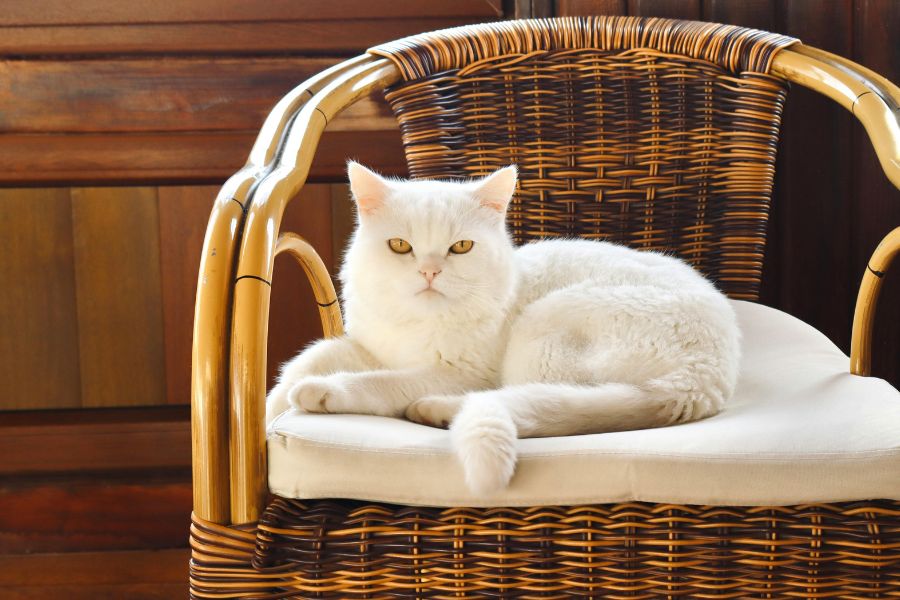
    Fluffy cat sitting in office chair/Canva

    Well, some cats are being naughty and use this behavior as attention-seeking. They want their human to pick them up, pet them, or play with them. But this isn’t always the case, according to experts. There are four other reasons cats do this that have nothing to do with bad behavior.

    They feel safer on surfaces above the ground

    According to Cats.com, “When a cat sleeps, they are at their most vulnerable. Therefore, they like to pick nice, safe places to take their naps. Our human chairs are raised off the ground, and often are protected on three sides by the tall back and arms, so they offer more protection than a standard cat bed placed on the floor.”

    The higher vantage point also allows them to have a good view of the room while they’re relaxing, so they prefer to claim the spot as their own.

    cats; cats stealing spot; cats in chair; cats stealing chair; animals; pets
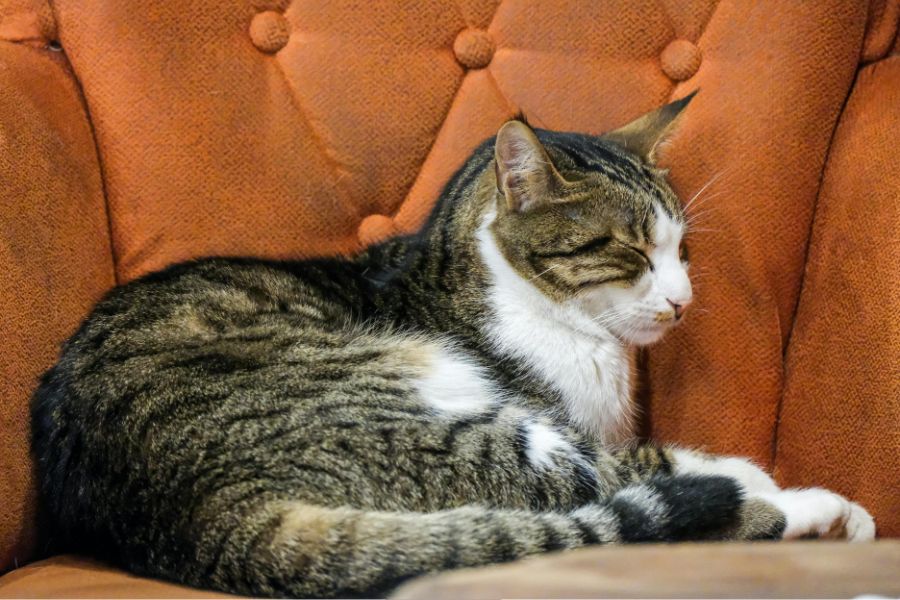
    Cat sleeping in orange chair/Canva

    It smells like you

    Even though cats have a representation of not caring much about their human roommates, it couldn’t be further from the truth. Cats love the people in their home, which means they also love the way they smell because they trust you. Catster explains, “They begin to associate your scent with familiarity and safety, so leaving it behind on your seat is going to draw them to it.”

    They’re claiming you and everything you love

    Cats are territorial, so jumping into a seat after their human leaves is a sign of deep affection. They want everyone, including other animals in the home, to know that you belong to them. One way to do that is by sitting in your chair to leave their scent in your space.

    According to Dr. Mark West, a veterinarian who shares content on TikTok, “When your cat looks at you, they don’t see someone who feeds them, they see their safe place, their territory, their anchor in the world. To your cat, that spot is not just somewhere to sit; it is your spot. And when they choose it, they are choosing you.” He later adds, “Your scent tells them everything is okay. They feel like they’re protected, that they’re home.”

    Your seat is warm

    This is probably the most logical reason someone could think of. Even as humans, we love to hop into something pre-warmed. Think about the pre-warmed towels at a spa, or hopping into the bed still warm from your partner’s body heat. It’s cozy. Cats love a cozy spot as much as their humans.

    cats; cats stealing spot; cats in chair; cats stealing chair; animals; pets
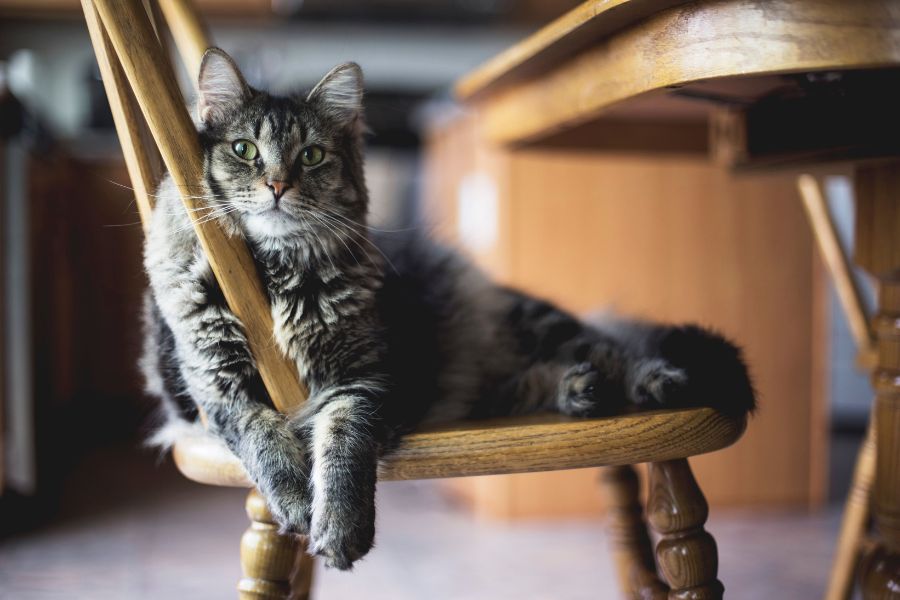
    Relaxed tabby cat in kitchen chair/Canva

    PetBook says, “The cat doesn’t know we planned to return there. Cats love warmth, and we often surround ourselves with cozy, warm blankets and pillows. Especially in winter, our seats have an almost magical attraction for the animals. But even in summer, cats seek out cozy spots without drafts.”
  • First-of-its-kind study reveals a potential ‘seventh sense’ in humans: Remote touch
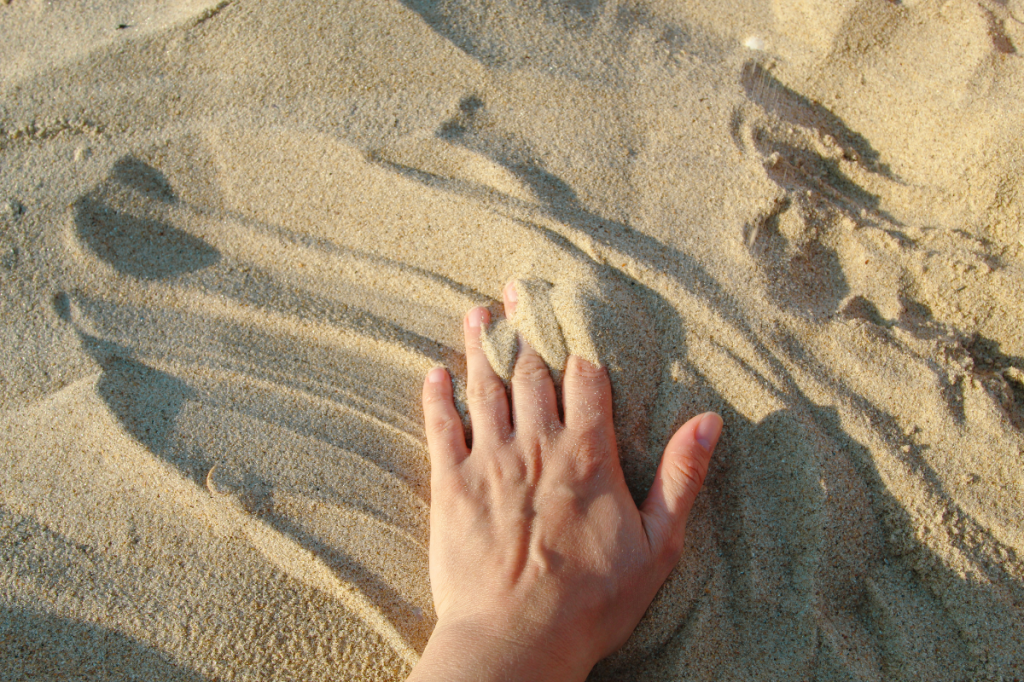
    A person moves their hand through sand. Photo credit: Canva

    Humans have five main senses, of course, and there’s even strong scientific agreement about a sixth: proprioception, or the ability to sense where our limbs are in space. But new research suggests we may also have a seventh sense.” Scientists are calling it “remote touch.”

    A study out of Queen Mary University of London (QMUL) recently set out to examine how humans compare to common shorebirds like sanderlings, sandpipers, and plovers.

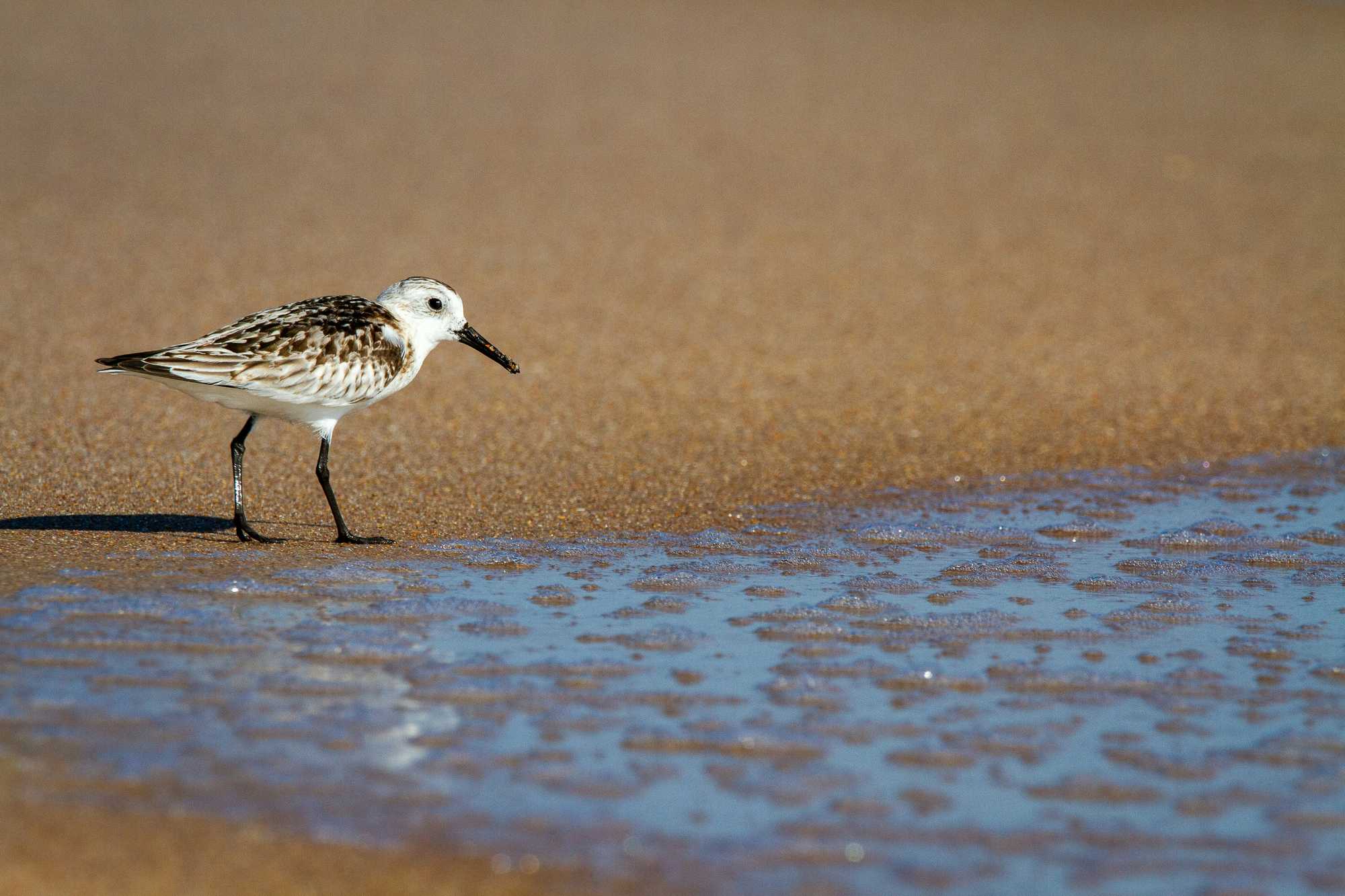
    These birds are masters at finding prey hidden in the sand. In fact, their survival depends on it. By sticking their beaks into the sand, they use a tactile foraging system finely tuned to detect subtle vibrations and pressure changes, alerting them to food sources they can’t see, smell, or hear.

    science, scientific research, remote touch, human touch, five senses, sixth sense, seventh sense, shorebirds, tactile foraging
    A sanderling looks for food. Photo by Joshua J. Cotten on Unsplash

    The researchers had a hunch that humans might possess a similar ability and decided to put it to the test. They buried small cubes in a container of sand and asked participants to gently move their fingers around. Volunteers were told to stop when they felt they were close to touching or finding a cube, but before actually making physical contact with it.

    Surprisingly, the results showed that humans were quite adept at sensing the object’s presence before they could touch it.

    “Participants were able to perceive extremely small shifts in the sand caused by the buried object,” QMUL wrote on SciTechDaily. “This level of sensitivity comes close to the theoretical physical limit for detecting mechanical reflections in granular material, where moving sand subtly changes direction or resistance when it encounters a stable surface beneath it.”

    On average, the human participants in the study were about 70 percent accurate at detecting the hidden cube without actually touching it.

    science, scientific research, remote touch, human touch, five senses, sixth sense, seventh sense, shorebirds, tactile foraging
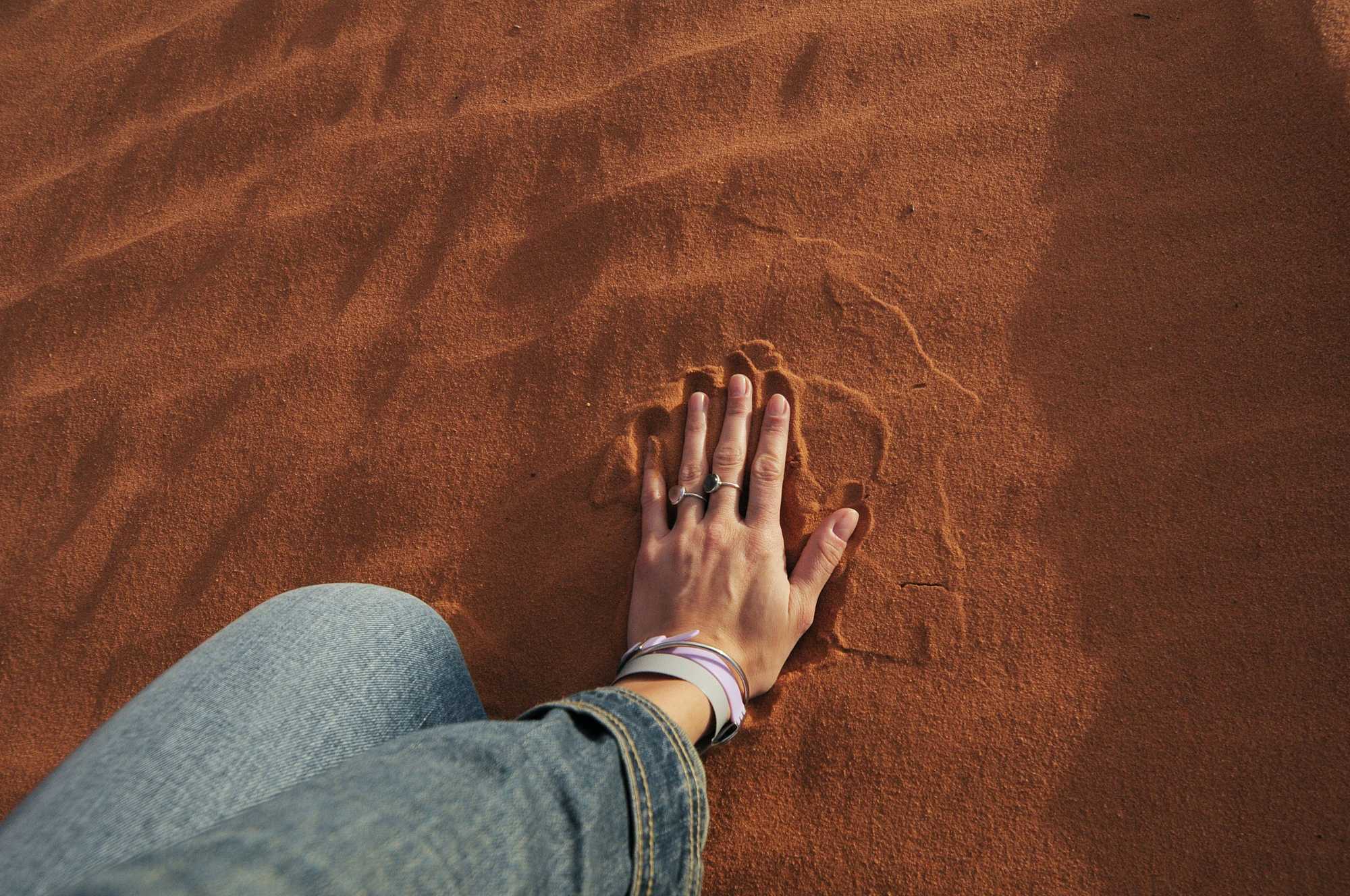
    Humans'u00a0sense of remote touch has never been put to the test before. Photo by Juli Kosolapova on Unsplash

    We’ve known for a long time that humans can be very sensitive to subtle changes in heat, pressure, and sensation.

    For example, it’s been a common party trick among kids for decades. One person closes their eyes while another slowly moves a finger toward the center of their forehead. Usually, the person with their eyes closed can sense when the finger is close, even before it actually makes contact. There might be a tingling, tickling, or light buzzing feeling.

    However, research from QMUL shows just how advanced our remote touch abilities really are. To add further context for how finely tuned humans’ remote touch ability is, the researchers then tested specially designed robots on the same task.

    The robot, armed with tactile sensors, was able to detect the hidden cube from farther away than humans, but it was far less accurate overall, with just 40 percent precision.

    The implications of this first-of-its-kind study are vast. For example, we may be able to better train robots based on what we learn about humans’ extraordinarily fine-tuned sense of touch.

    “The discovery opens possibilities for designing tools and assistive technologies that extend human tactile perception,” said Zhengqi Chen, a PhD student at QMUL’s Advanced Robotics Lab. “These insights could inform the development of advanced robots capable of delicate operations, for example locating archaeological artifacts without damage, or exploring sandy or granular terrains such as Martian soil or ocean floors. More broadly, this research paves the way for touch-based systems that make hidden or hazardous exploration safer, smarter, and more effective.”

    More immediately, it’s always amazing to discover new things about the human body and how it works. Our sense of touch, in particular, is incredibly complex and fascinating. Did you know that the “phantom touch illusion” can cause people to experience physical sensations when they aren’t being touched at all? Or that amputees sometimes feel phantom pain coming from a limb that no longer exists?

    According to the researchers, remote touch has never been studied in humans before, and we’re truly only scratching the surface when it comes to understanding this extraordinary ability. It’s also exciting to think about what an eighth sense might one day turn out to be.

  • Her groundbreaking theory on the origin of life was rejected 15 times. Then biology proved her right.
    A photo of Lynn Margulis.Photo credit: Facts That Will Blow Your Mind/Facebook
    , ,

    Her groundbreaking theory on the origin of life was rejected 15 times. Then biology proved her right.

    Lynn Margulis had the audacity to challenge Darwin. And we’re lucky she did.

    Throughout her prolific and distinguished career, biologist Lynn Margulis made several groundbreaking contributions to science that we take for granted as common knowledge today. For example, she championed James E. Lovelock’s “Gaia concept,” which posited that the Earth self-regulates to maintain conditions for life.

    But by far, her most notable theory was symbiogenesis. While it was first written off as “strange” and “aesthetically pleasing” but “not compelling,” it would ultimately prevail, and completely rewrite how we viewed the origin of life itself.

    In the late 1960s, Margulis wrote a paper titled “On the Origin of Mitosing Cells,” that was quite avant-garde. In it, she proposed a theory: that life evolved through organisms merging together to become inseparable.

    In essence, cooperation is the driver of life, not competition and domination. This directly went against Darwin’s “survival of the fittest” principle that was considered gospel in scientific circles. Margulis’ paper was rejected by fifteen journals before getting accepted into the Journal of Theoretical Biology.

    Time would be on Margulis’ side, however. By the late ‘70s and early ‘80s, research proved that the two major building blocks of plants and animals, chloroplasts and mitochondria were at one time independent bacteria. This solidified the fact that on a biological level, connection trumps autonomy for longevity. And now that fact is written in textbooks, with no real story of the adversity it overcame to get there.

    While it is customary for most new scientific theories to be met with criticism, especially those that completely shift the current narrative, many have noted that sexism played a key part in Margulis’ initial lack of acceptance. On more than one occasion, she herself had hinted that women were seen as mothers and wives first, and scientists second. She recalled that while married to fellow scientist Carl Sagan that “Carl would finish his sentence, unperturbed” while she was expected to “handle all the duties of a 1950s housewife, from washing dishes to paying the household bills.”

    And yet, Margulis would have other ideas that were controversial that had nothing to do with her gender. Most famously, she did not believe that AIDS was caused by HIV, and instead believed it was cause by a syphilis-causing type of bacteria, despite there already being decades of research proving otherwise. That view was seen as an endorsement of AIDS denialism, which undermined prevention and treatment effort. Then later in life, Margulis became a vocal proponent of 9/11 conspiracy theories suggesting government involvement the in Twin Towers attacks.

    And yet, perhaps this is one of those “you gotta take the good with the bad” situations. Margulis’ inherent contrarian nature gave us both these unfounded, even harmful stances, in addition to entirely new paradigms that altered our understanding of life itself.

    And if nothing else, it illuminated the need for science to include multiple points of view in order to unlock the truth. It seems life is, after all, about coming together.

Pop Culture

If you see a person and two dogs in this photo, look again. It’s an optical illusion.

Culture

Man walks around Brooklyn after blizzard to show off the most wonderful snow creatures

Science

Philosophy expert shares the 300-year-old rule to tell if someone is a good or bad person

Finance

Frugal people share exactly how much money they saved on their best thrifty lifestyle changes