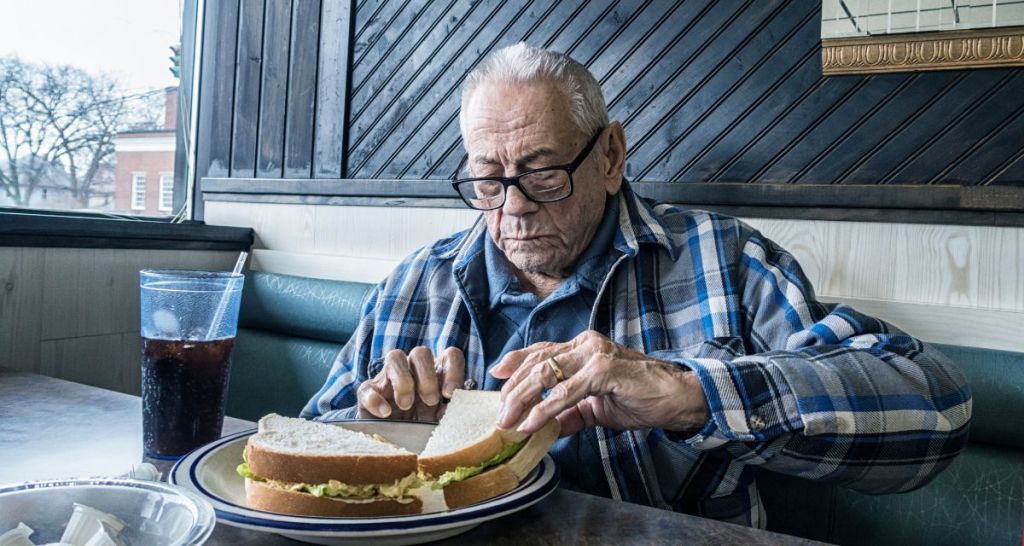
Imagine you’re an older woman sitting alone in a small apartment in Tokyo. Your children live across the country. Your husband passed away years ago. Most days, you don’t talk to anyone at all. But on Mondays? On Mondays, you get dressed. You straighten the cushions on the couch. You wait by the door. Because you know someone is coming.
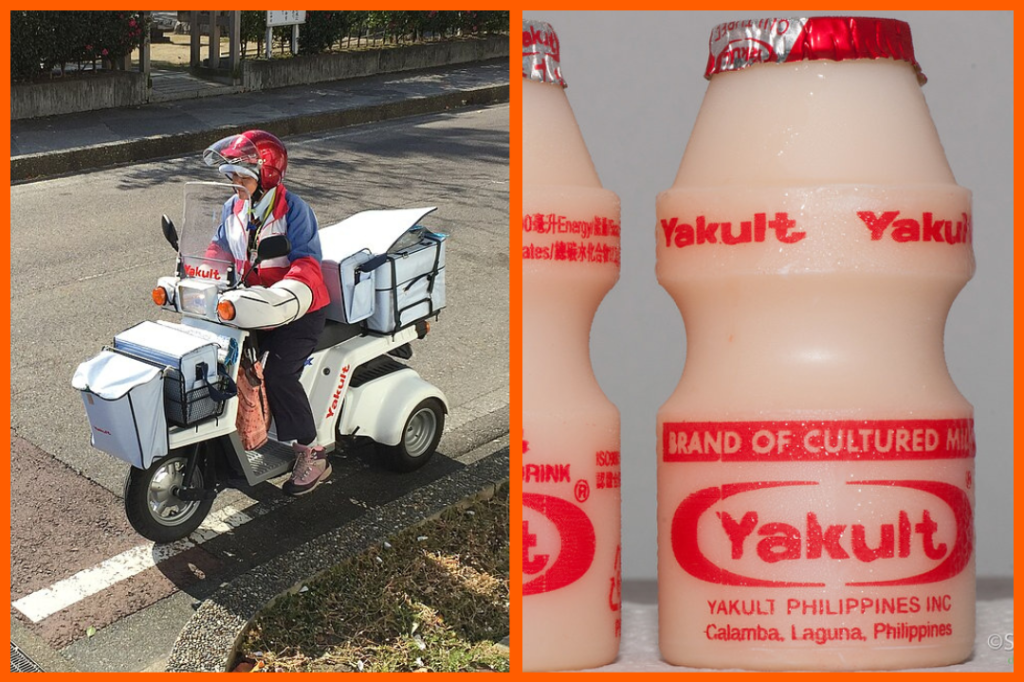
That someone is your Yakult Lady—one of more than 31,000 women who crisscross Japan on bicycles and motorbikes, delivering small bottles of probiotic drinks to elderly homes. On paper, it’s a sales job. In practice, it may be one of the most important social welfare roles in the country.
And most people outside Japan have never heard of it.
It started with a doctor who wanted everyone to be healthy, not just the rich
The story begins in 1930 with a young Japanese medical student named Minoru Shirota. He was deeply concerned that poor children kept dying from preventable diseases, something most doctors at the time ignored. This wasn’t because medicine didn’t exist, but because it had no way of reaching them.
So Shirota made it his life’s work to change that.
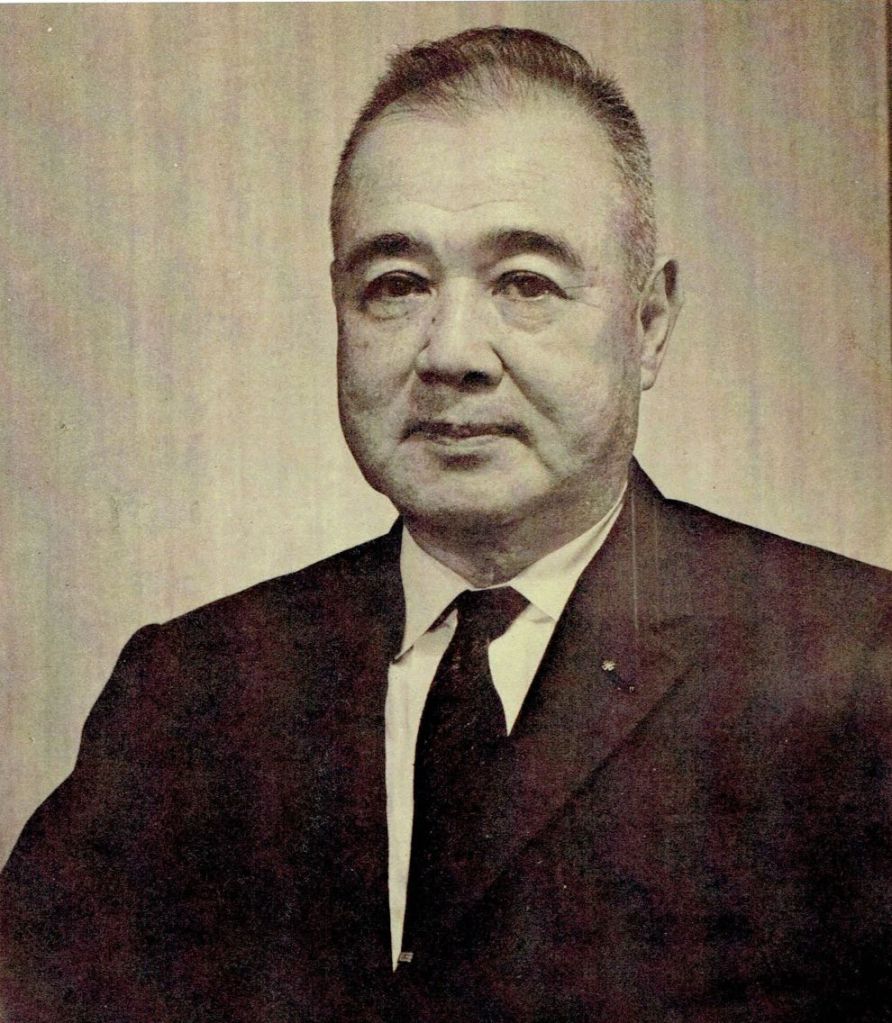
He spent years in a lab at Kyoto Imperial University working to isolate a cultured strain of beneficial bacteria strong enough to survive the journey through your digestive system and actually do something good when it got there. By 1935, he had turned this concoction into an affordable fermented milk drink and named it “Yakult,” taken from the Esperanto word for yogurt.
Here’s the thing that makes Shirota genuinely remarkable: he refused to let it become a luxury product. He insisted the price remain low enough for the poorest families to afford. Good health, in his view, wasn’t something only wealthy people deserved.
By 1963, Yakult had launched a home-delivery network staffed by women from local neighborhoods: people they trusted, who knew their communities, and who could sit with a customer and explain what “good bacteria” actually meant in plain terms. Thus, the Yakult Lady was born. Today, 81,288 of these women operate across 40 countries and regions worldwide, with 31,341 working in Japan, visiting between 30 and 50 homes a day, up to four days a week.
Japan’s loneliness crisis is bigger than most people realize
In 2024, 76,020 people died alone in Japan, and 76.4% of them were over 65. Some of those bodies weren’t found for weeks. In 130 cases, they weren’t discovered for more than a year.
This problem is so widespread and serious that it even has a name in Japanese: “kodokushi”—lonely death.
Japan is the oldest society on earth, with nearly 30% of its population now over 65. Multigenerational households that once defined Japanese family life have dwindled to just 12.2% of homes. Millions of elderly people now live entirely alone, and that number is expected to grow by 47% by 2050. The problem has become so severe that, in 2021, Japan became the first country to appoint a government minister for loneliness.
So when a woman on a bicycle shows up at your door with a cooler box and a warm smile—when she’s been doing it every week for years, when she remembers your knee has been bothering you and asks how it’s going?—that’s not just a sales call. That’s a lifeline.
“We are watchers”: What Yakult Ladies actually do
Asuka Mochida is 47 years old and has been a Yakult Lady for years. When the BBC asked her to describe her role, she didn’t mention sales targets. “We are watchers in a sense,” she said. “People who look out for others. We notice small changes in health or lifestyle.”
That phrase—”small changes”—is everything.
What makes a Yakult Lady genuinely irreplaceable isn’t the probiotic drink (though research does suggest it helps). It’s the consistency. She sees the same faces week after week. She knows Mrs. Tanaka takes her delivery at 9 a.m. sharp, and that if it’s still on the step at noon, something is wrong. She knows Mr. Yamamoto doesn’t like to talk about his health directly, but always mentions his energy levels when you ask how his garden is doing.
That kind of knowledge—intimate, earned over months and years—can’t be replicated by a government form or a wellness app. When something seems off, these women act. They’ve contacted family members, alerted local authorities, and in multiple documented cases, helped locate seniors who were in real medical danger.
They’re neighbors who show up, and keep showing up.
One anonymous customer said it better than any policy paper ever could: “Knowing that someone will definitely come to see my face each week is a tremendous comfort. Even on days when I feel unwell, hearing her say, ‘How are you today?’ at my doorstep gives me strength.”
Small bottle, big idea
There’s something almost quietly revolutionary about what the Yakult Ladies represent. In a world that keeps looking to technology to solve the loneliness epidemic—chatbots, wellness trackers, social apps—Japan’s most effective answer turns out to be a woman on a bicycle who remembers your name.
It doesn’t require a smartphone or a subscription fee. It simply requires someone to show up, consistently, and actually pay attention.
The next time you walk past an elderly neighbor’s door and wonder if they’re doing okay, maybe this story is a gentle nudge to knock.
You don’t need a cooler box filled with probiotic yogurt. You just need to connect.