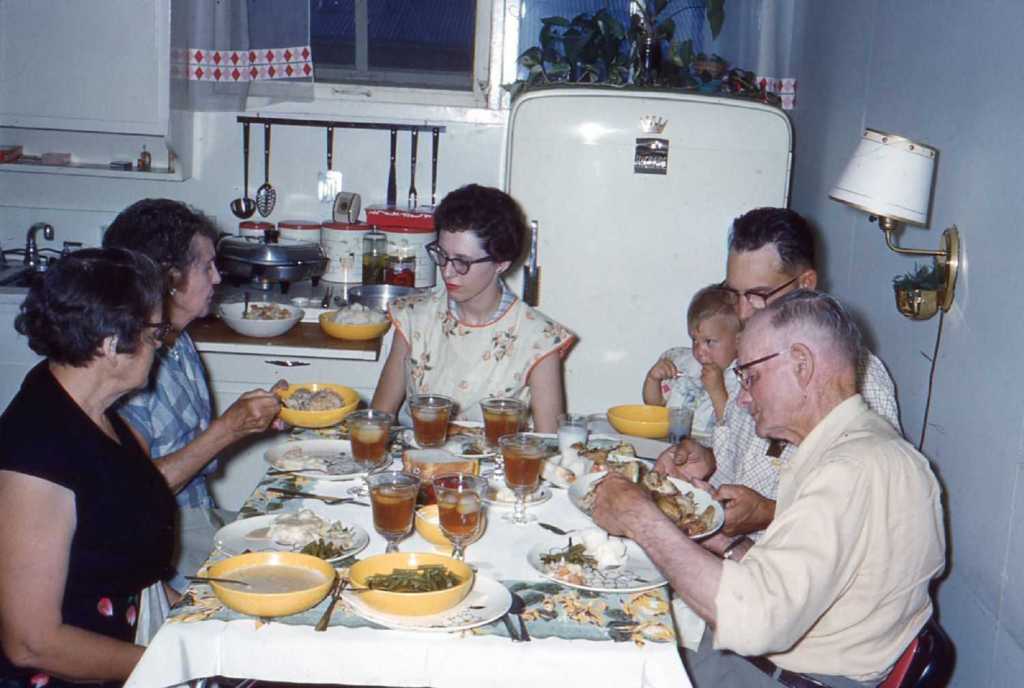
Thanksgiving is right around the corner, and in a year when grocery prices feel like a jump-scare every time we glance at a receipt, many are looking for ways to celebrate without blowing the budget. Luckily, this isn’t the first time Americans have had to get creative in the kitchen.
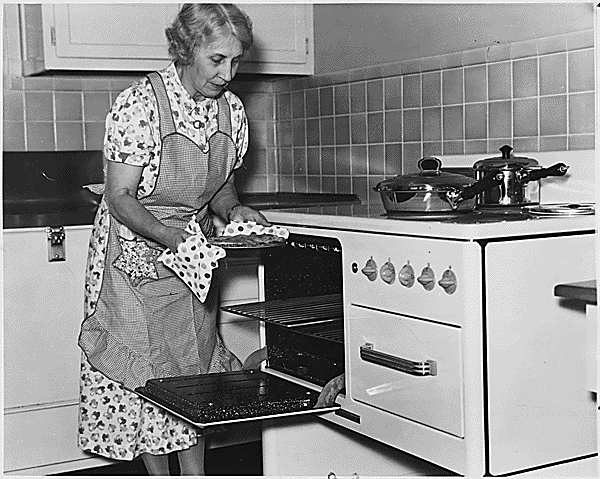
During the Great Depression, families all over the country still hosted Thanksgiving dinners, often with barely anything in the pantry. Yet what they managed to whip up wasn’t dreary or depressing. Quite the opposite. These resourceful dishes would be just as flavorful and comforting today as they were decades ago.
Here are some Depression-era dishes and tricks that still deserve a spot on a modern Thanksgiving table.
Swap the turkey for an “old roasted hen”
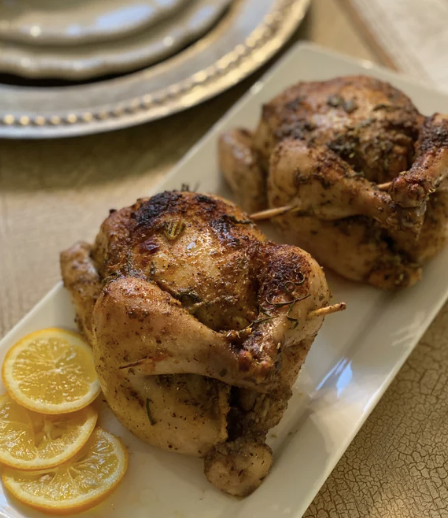
Turkey was wildly expensive in the 1930s, costing more than 10 hours’ worth of wages, per archived reports from The Beaumont Enterprise. Many families simply couldn’t justify buying one, so they reached for one of the cheapest roaster birds available: an old hen. As in, past their laying prime, or even roosters. Cooked low and slow with plenty of moisture, it becomes tender and surprisingly rich.
Given today’s smaller gatherings and tighter budgets, downsizing the bird might make sense again.
Recipe: The Prairie Homestead
Mock duck: the original inflation workaround
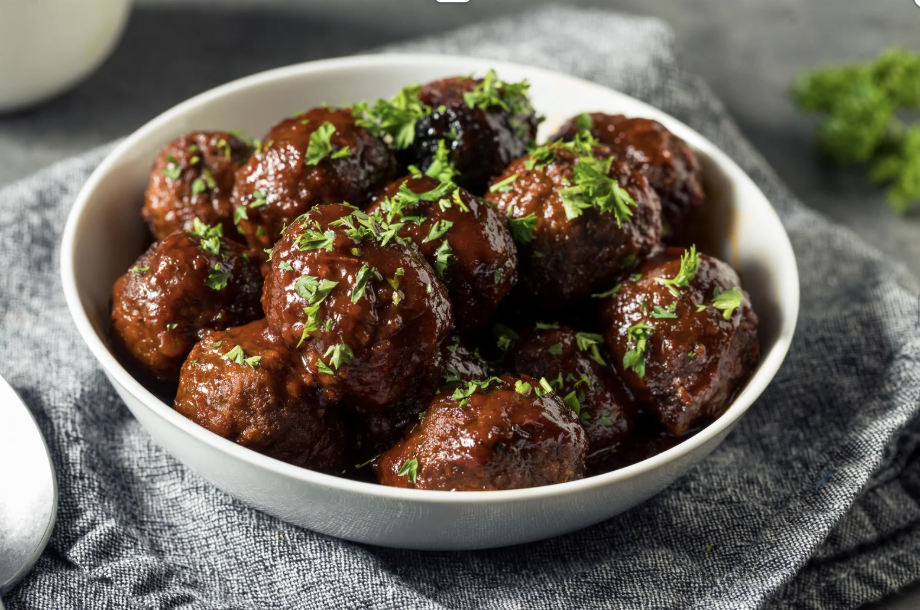
Mock duck. Photo credit: Canva
One of the most legendary Depression dishes was “mock duck.” Instead of an actual duck, spread flank steak with stuffing, roll it tight, sear it, and roast it until it tastes like something far fancier than it actually is.
It’s comfort food cosplay, and it absolutely works.
Recipe: BC Food History
Stretch the meat with porcupine meatballs
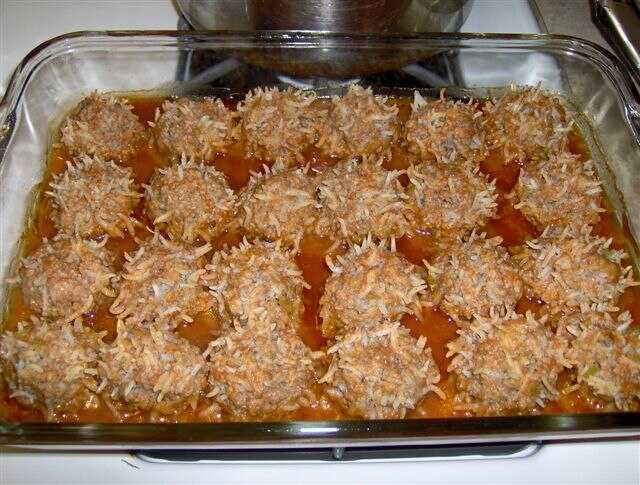
Porcupine balls Flickr
Despite the prickly name, porcupine meatballs contain no porcupine. Instead, rice is mixed directly into the meat so it sticks out like little quills. The rice also bulks up the dish so a small amount of meat could feed a crowd. It’s frugal genius.
Recipe: Food52
Try classic sides like creamed onions and candied sweet potatoes
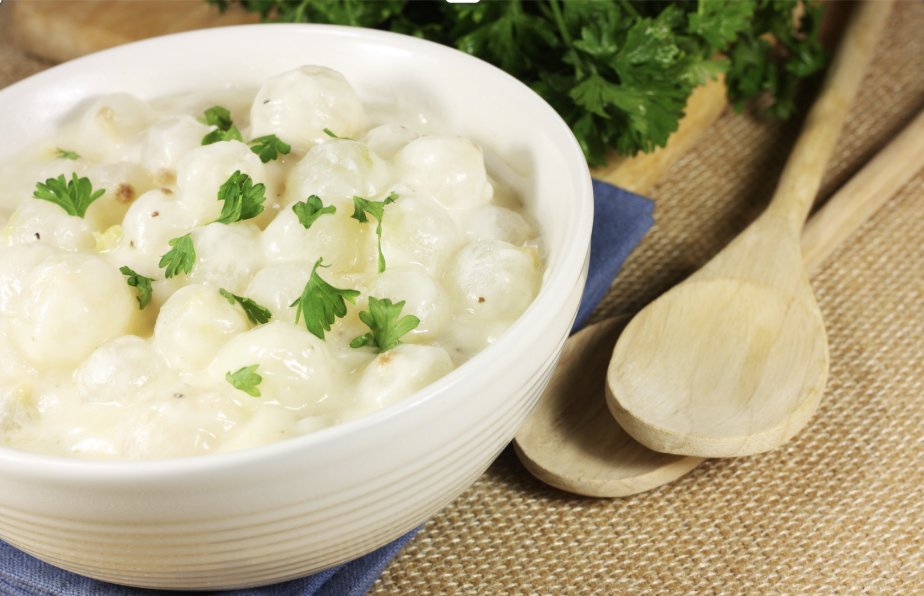
Creamed pearl onions. Photo credit: Canva
The long-running radio program Aunt Sammy’s Homemaker’s Half Hour taught home cooks how to stretch every penny. Among their most beloved suggestions: creamed pearl onions, candied sweet potatoes, and simple vegetable dishes built from affordable staples.
These sides check every Thanksgiving box: warm, creamy, sweet, and budget-friendly.
Recipe: Taste of Home
Recipe: The Past is a Foreign Pantry
Potato pancakes: the ultimate cheap-and-cheerful staple
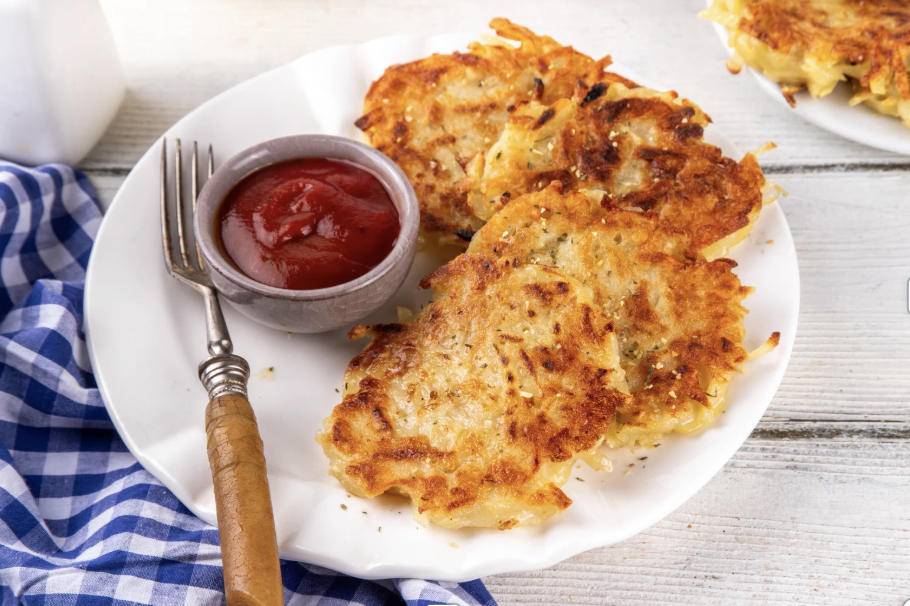
Potato pancakes. Photo credit: Canva
Potatoes were one of the most affordable ingredients of the era, and potato pancakes made frequent holiday appearances. They’re crispy, filling, and perfect for scooping up gravy or topping with applesauce.
Recipe: Just a Pinch
Don’t sleep on vintage stuffings
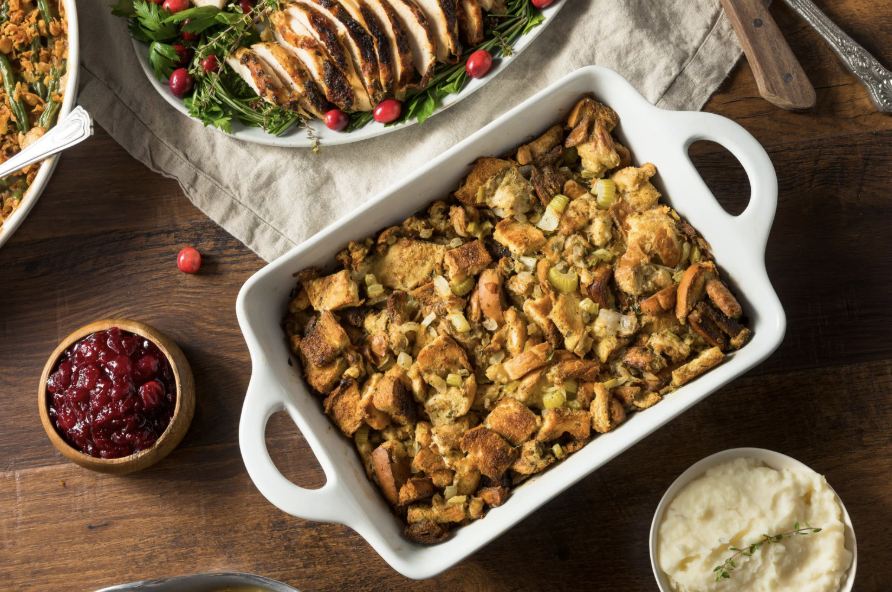
Cranberry stuffing. Photo credit: Canva
Chestnut stuffing, apple-and-raisin stuffing, and even spiced cranberry stuffing were Depression-era favorites. Sure, some recipes required extra labor—like pressing boiled chestnuts through a sieve—but the flavor payoff was worth it then and now.
Recipe: Robin Cutler
Recipe: Cardinal Tales
Recipe: Cardinal Tales
Dandelion salad: foraging before it was trendy
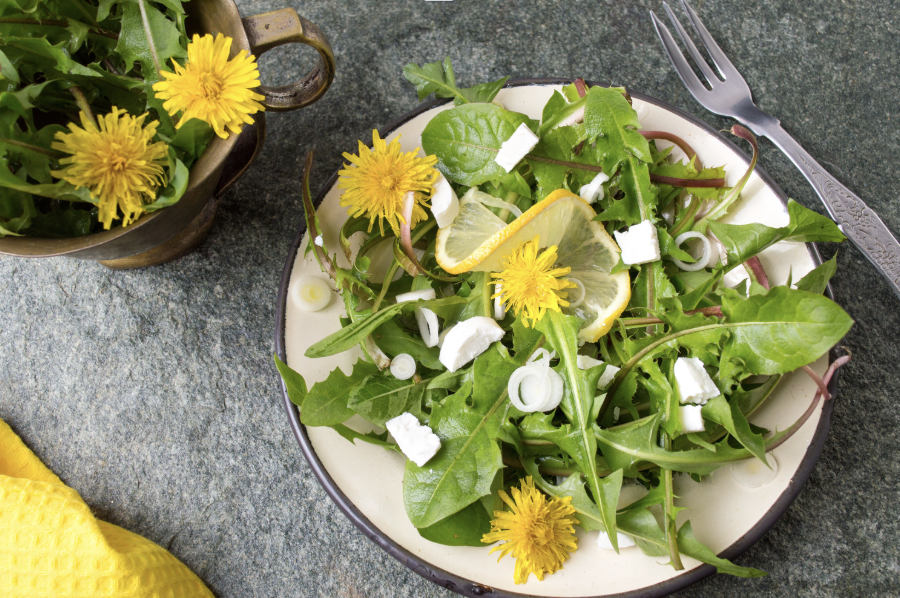
Dandelion salad Photo credit: Canva
Many families filled their tables with whatever grew nearby. Dandelion greens—now a fancy “superfood”—were a Depression staple. Paired with citrus, eggs, or leeks, they made a fresh, bright starter salad.
Recipe: Taste of Home
For dessert: pumpkin pie or “Hoosier” sugar cream pie
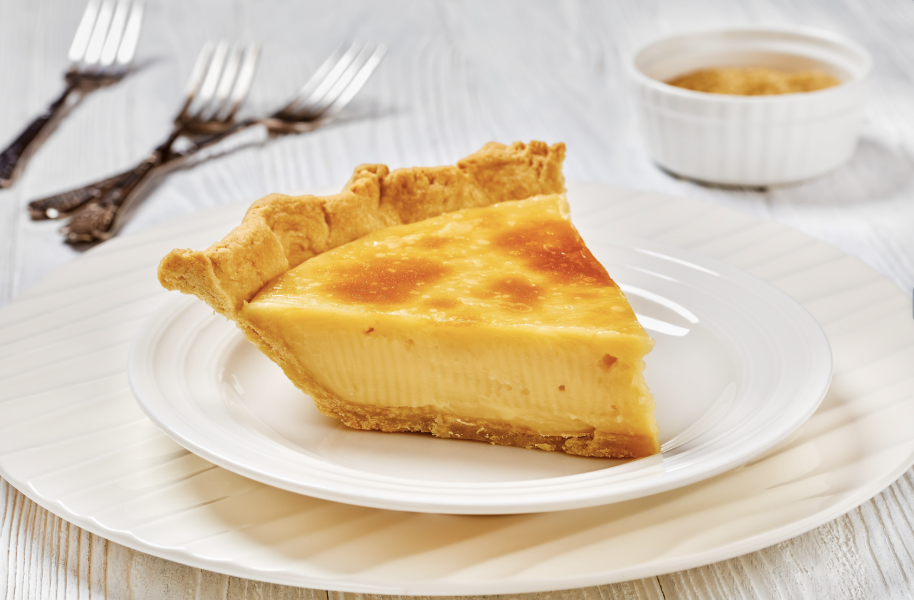
Hoosier pie. Photo credit: Canva
Fresh pumpkin pie was the go-to, though cooks often used whole pumpkins to avoid the cost of canned puree. And if pumpkins were scarce, families turned to Indiana’s beloved sugar cream pie, sometimes also called a “Hoosier cream pie,” which dates all the way back to the 1800s. It’s simple, silky, and made from pantry basics. What’s not to like?
Recipe: Robin Cutler
Recipe: Taste of Home
One thing worth noting: perhaps the even bigger takeaway here is not the recipes themselves, but the mindset of getting back to basics and making the most out of what’s available. And maybe that’s the real inspiration for today. A Thanksgiving table doesn’t need extravagance to be satisfying…or meaningful.
This article originally appeared last year. It has been updated.