Why this grandmother's advice went viral and is so very needed right now
Sometimes that pat on the back we need the most is our own.

Grandmother offers advice for living through difficult times.
There’s no shortage of advice for getting through difficult times. Unfortunately, most of that advice is either painfully unrealistic or reeks of toxic positivity. Solid advice that is both helpful and comforting is hard to come by, which is why this advice is going viral for all the right reasons.
The advice comes from Elena Mikhalkova—or rather Mikhalkova’s grandmother—and it goes like this:
My grandmother once gave me a tip:
In difficult times, you move forward in small steps.
Do what you have to do, but little by little.
Don't think about the future, or what may happen tomorrow.
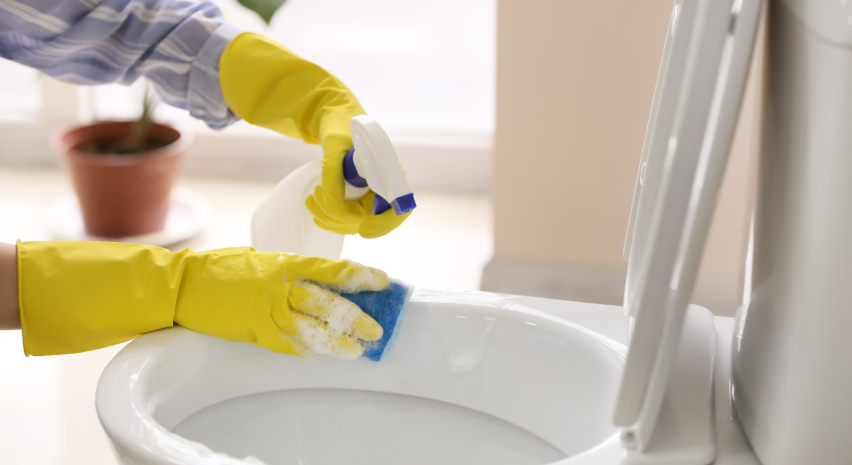
Wash the dishes.
Remove the dust.
Write a letter.
Make a soup.
You see?
You are advancing step by step.
Take a step and stop.
Rest a little.
Praise yourself.
Take another step.
Then another.
You won't notice, but your steps will grow more and more.
And the time will come when you can think about the future without crying.
Can we all just pause for a minute to take a deep breath and maybe wipe the tears from our eyes? Because I don’t know about you, but this advice is just what I’ve needed to read almost every day lately.
I suspect I’m not alone in this either because Mikhalkova’s advice is being shared all over the Internet.
.
With the world in a particularly scary place right now, all of us are struggling with one thing or another, which is why this quote hits so hard. Unlike the clichéd “one foot in front of another” advice that can seem both demeaning and overwhelming, this advice offers concrete steps to take.
Wash the dishes. Make soup. Rest, and praise yourself.
These are things I can do. Well, maybe not soup, per se. But cookies. I can make cookies. And maybe you can make soup. Or knit a scarf. Or sweep the kitchen floor. This is enough.
What this advice taps into that other tidbits lose sight of is that when we’re in the midst of a calamity, even the most simple and everyday tasks are more difficult. Making lunch can seem monumental and the mere thought of work and school can make us take to our beds, sobbing in the fetal position. Advice to “look on the bright side” can be patronizing and counterproductive. This advice does none of those things but, instead, acknowledges that even a small step matters. It doesn’t dismiss the pain, but recognizes that even thinking about the future can be painful and that progress sometimes looks like making it through the day without crying.
This advice also goes beyond the “sun will come out tomorrow” reminders and acknowledges that things might not be better tomorrow or the day after that. It will take time for wounds to heal and difficult times to pass, but we need not passively wait for this time to come. We can make soup, rest, and be kind to ourselves.
In the early days of the pandemic, I remember feeling like there was so much more I should be doing with all this extra “at home” time. Yet I found even the most basic tasks to be more difficult. In turn, I felt guilty for not being more productive. But what I’ve learned is that allostatic load and decision fatigue are very real. Productivity looks different on different days, and sometimes being patient with ourselves is the most productive thing we can do.
Mikhalkova’s advice taps into a mantra that I often recite when I’m struggling: Just do one good thing. Unload the dishwasher. Return an email. Fold the laundry. Hug my kids. Then do the next good thing. Eventually these things add up. Time passes and small steps turn into something bigger.
What I love most about Mikhalkova’s advice—and what is easy to forget in difficult times—is the reminder to praise ourselves along the way. Because sometimes that pat on the back we need the most is our own.
This article originally appeared three years ago.
Christine Organ is a writer who lives in the Chicago area with her husband, two sons, and rescue dog. You can find her on Facebook and Instagram.
- How spending time with grandkids can help grandparents stay ... ›
- She got all four of her grandparents to draw a flower. Then surprised ... ›
- Mom shares why 'voluntary grandparents' are the best - Upworthy ›
- Viral post reveals the best advice from people over 30 - Upworthy ›
- Brain scans show that grandmas connect with their grandkids better than their own children - Upworthy ›
- 7 'old people' sayings that are actually solid life advice at every age - Upworthy ›
- 96-year-old grandma's advice on separating actions from feelings - Upworthy ›
- People 70 and older share best life advice for young generations - Upworthy ›
- Adults share 'overrated adult goals' younger people should avoid - Upworthy ›


A woman is getting angry at her coworker.via
A man with tape over his mouth.via
A husband is angry with his wife. via 
a man sitting at a desk with his head on his arms Photo by
Can a warm cup of tea help you sleep better? If you believe it, then yes. Photo by 
Three women sit on a blanket in the park. 
Two women engaging in a pleasant conversation inside a coffee shop
Two men engaging in a peaceful disagreement.
Resurfaced video of French skier's groin incident has people giving the announcer a gold medal
"The boys took a beating on that one."
Downhill skiing is a sport rife with injuries, but not usually this kind.
A good commentator can make all the difference when watching sports, even when an event goes smoothly. But it's when something goes wrong that great announcers rise to the top. There's no better example of a great announcer in a surprise moment than when French skier Yannick Bertrand took a gate to the groin in a 2007 super-G race.
Competitive skiers fly down runs at incredible speeds, often exceeding 60 mph. Hitting something hard at that speed would definitely hurt, but hitting something hard with a particularly sensitive part of your body would be excruciating. So when Bertrand slammed right into a gate family-jewels-first, his high-pitched scream was unsurprising. What was surprising was the perfect commentary that immediately followed.
This is a clip you really just have to see and hear to fully appreciate:
- YouTube youtu.be
It's unclear who the announcer is, even after multiple Google inquiries, which is unfortunate because that gentleman deserves a medal. The commentary gets better with each repeated viewing, with highlights like:
"The gate the groin for Yannick Bertrand, and you could hear it. And if you're a man, you could feel it."
"Oh, the Frenchman. Oh-ho, monsieurrrrrr."
"The boys took a beating on that one."
"That guy needs a hug."
"Those are the moments that change your life if you're a man, I tell you what."
"When you crash through a gate, when you do it at high rate of speed, it's gonna hurt and it's going to leave a mark in most cases. And in this particular case, not the area where you want to leave a mark."
Imagine watching a man take a hit to the privates at 60 mph and having to make impromptu commentary straddling the line between professionalism and acknowledging the universal reality of what just happened. There are certain things you can't say on network television that you might feel compelled to say. There's a visceral element to this scenario that could easily be taken too far in the commentary, and the inherent humor element could be seen as insensitive and offensive if not handled just right.
The announcer nailed it. 10/10. No notes.
The clip frequently resurfaces during the Winter Olympic Games, though the incident didn't happen during an Olympic event. Yannick Bertrand was competing at the FIS World Cup super-G race in Kvitfjell, Norway in 2007, when the unfortunate accident occurred. Bertrand had competed at the Turin Olympics the year before, however, coming in 24th in the downhill and super-G events.
As painful as the gate to the groin clearly as, Bertrand did not appear to suffer any damage that kept him from the sport. In fact, he continued competing in international downhill and super-G races until 2014.
According to a 2018 study, Alpine skiing is a notoriously dangerous sport with a reported injury rate of 36.7 per 100 World Cup athletes per season. Of course, it's the knees and not the coin purse that are the most common casualty of ski racing, which we saw clearly in U.S. skier Lindsey Vonn's harrowing experiences at the 2026 Olympics. Vonn was competing with a torn ACL and ended up being helicoptered off of the mountain after an ugly crash that did additional damage to her legs, requiring multiple surgeries (though what caused the crash was reportedly unrelated to her ACL tear). Still, she says she has no regrets.
As Bertrand's return to the slopes shows, the risk of injury doesn't stop those who live for the thrill of victory, even when the agony of defeat hits them right in the rocks.