“Conversation about the weather is the last refuge of the unimaginative” is a quote often attributed to author and raconteur Oscar Wilde. Whether he said it or not, he’d probably wince at the idea of yammering on about the English rain or whether the autumn almanac was correct. However, he may have been missing the point of why we make small talk about the weather.
Dr. Thomas Smithyman, a clinical psychologist who helps people beef up their social skills, says we should view small talk about mundane topics, such as the weather, as a platform to show off our social competence and deepen relationships.
“Talking about the weather is this cliché, right?” he says in a YouTube video. “It’s everyone’s most dreaded, boring topic, but it works because it’s a commonality. We all have it in common. We’re all experiencing it.”
What does it really mean when you make small talk?
According to Smithyman, conversing about the weather isn’t about having keen insights into meteorology or comparing how much you’ve sweated; it’s to show that you are socially competent.
“Small talk can also signal to people that you understand how social interactions work,” he says. “If you can handle small talk, people trust you and can probably get into a bit of a deeper conversation without things getting terribly awkward. It’s just a little communication that says, ‘I know how to do this. I’m safe.’”

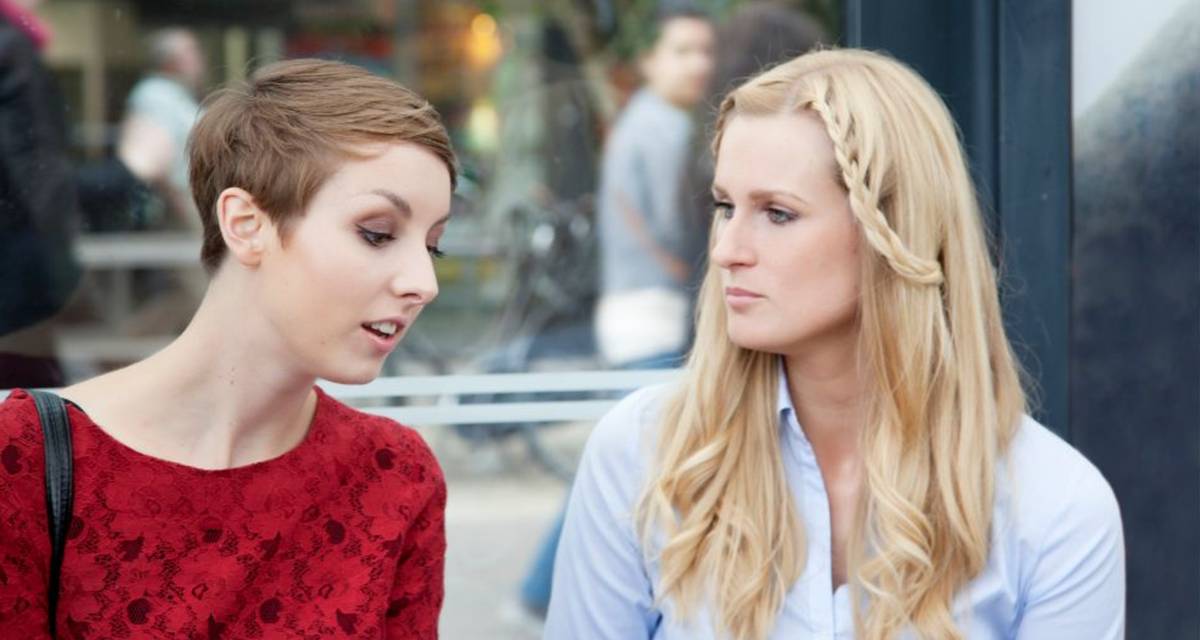
People usually think that being good at small talk means being entertaining, witty, or full of great stories. In reality, though, the key is to be a good listener and ask great questions. People tend to like those who appear to be interested in them. In fact, a Harvard University study found that when you ask a question and then two follow-ups, people like you more than if you quickly turn the conversation back to yourself.
Being good at small talk is about listening
“If you want to master small talk, it is luckily not about being the funniest or the most entertaining person,” Smithyman says. “If you look at good conversationalists, they don’t dominate, right? They actually are really good at making it easy for the other person to engage, because that’s what really helps a conversation flow.”

Think of it as a little test. The other person is thinking, “If this person can’t talk about the fact that it was slightly cloudy today, they’re not going to be able to help me with my existential crisis.” Or, “If they come off as awkward, or even sketchy, I’m not going to interact with them any further.”
The good news is that if you’re able to move beyond the usual introductory topics—such as the weather, sports, or traffic on the way to the party—and into more personal territory, you’ve likely been deemed a capable conversation partner and, possibly, even a friend.