
Have you ever been to the zoo and seen a lion and whispered, “Here, kitty, kitty” to it? Have you ever been to an aquarium and had an irresistible urge to jump in the water and swim with the dolphins? Wanted to pet the rabid raccoon currently digging through your garbage can? It may seem strange that we feel the urge to put ourselves in danger just to pet an animal, but it’s deeply rooted in who we are as humans.
In 2026, people are incredibly disconnected from the life we once lived as hunter-gatherers in Africa. In those days, we were deeply connected to life, whether it was understanding the movement of prey, tuning in to the chirping of birds, or knowing which parts of the forest to avoid. It’s as if we were programmed to live a completely different life than we do now, with our faces in front of screens and picking up food from the local Aldi.
The Thought Vortex, a popular science-based YouTube channel, did a great job of explaining the phenomenon in a recent video:
Why do humans want to pet every animal they see?
“Humans may possess an innate attraction to living things,” The Thought Vortex says in the video. “Not because nature is fashionable, not because animals are entertaining, but because our minds evolved inside natural environments for hundreds of thousands of years. Living things are what our brains were built to understand.”
The idea that we have a deep desire to connect with nature is known as the biophilia hypothesis, a term coined by Harvard biologist E.O. Wilson and his colleagues in the 1984 book Biophilia. In the early days of human history, knowing how to approach an animal was highly beneficial, whether for domesticating it for hunting, transportation, or other tasks. Animals were a sort of wild currency that could be of tremendous value.
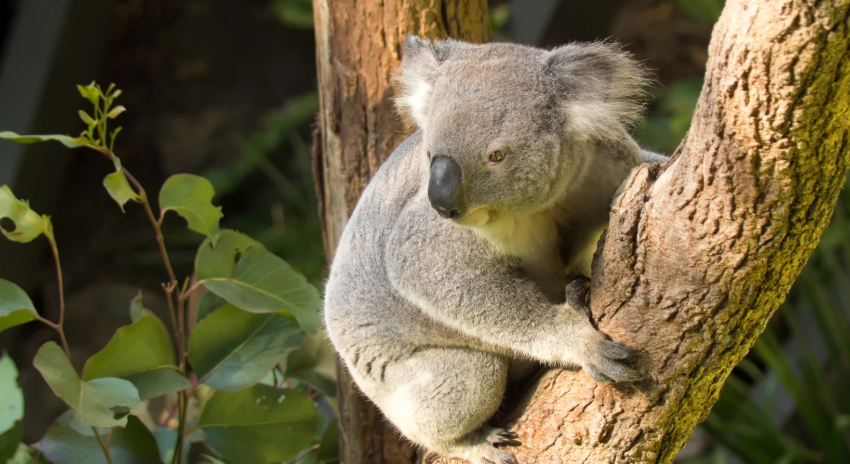
That’s a big reason why, even if there was a slight risk to approaching an animal, humans did it anyway, because it was part of basic survival. In 2026, you see a cute pit bull while on a walk and are eager to kneel and give it a good pet. You don’t think twice about it, but the desire comes from a very deep place.
Humans have an intense nurturing drive
Another reason humans are so drawn to vulnerable animals, especially babies, is that we have an intense nurturing drive, given how long it takes our young to reach adulthood. That drive can easily spill over into caring for non-human life.
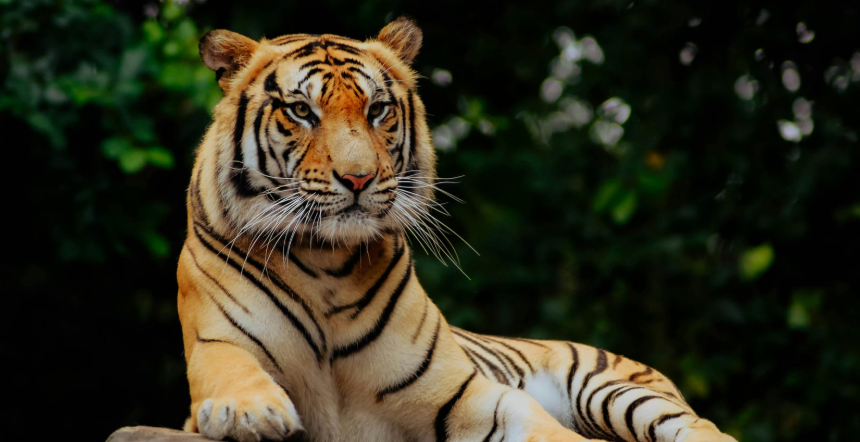
Ultimately, when we see that wild African dog at the zoo and we are just dying to pet it, there’s something wonderful about realizing that drive comes from the root of who we are as humans. It’s also bittersweet because this longing often stems from our lack of connection to nature in the modern world.
At the end of the video, The Thought Vortex sums up our incredible love of and curiosity about animals and why we desperately want to connect:
“A brain designed to notice life. A mind that seeks connection with the natural world. Instincts built to nurture vulnerable creatures. A desire for touch, curiosity, and sometimes a little excitement. All of it pushes us toward the same conclusion. Go say hello.”