Parents today are hyperaware of their children’s educational and learning milestones. Not only that, but we have the technology and resources at our disposal to make sure they’re always being exposed to new information—educational apps and games, informative kids’ shows available on demand, podcasts, eBooks, you name it.
As a result, many parents feel extremely confident that their 5-year-olds are ready to start kindergarten. So why are so many teachers sounding the alarm about how their students are struggling?
Survey shows disconnect between parents and teachers on school readiness
U.K.-based early childhood development and education charity Kindred² recently conducted a school readiness survey. Roughly 1,000 parents and another 1,000 school staff members were questioned about the skills, development, and overall readiness of their first-year students in Reception—similar to U.S. Pre-K or Kindergarten.
Eighty-eight percent of parents surveyed believed their child was ready for school. More than a third, in fact, believed their child was more prepared than most. This shows that parents are extremely confident in their kids’ ability to handle structured learning in a school environment.
But here’s the surprising part: when teachers were asked the same thing about their first-year students, they collectively believed that only 37% of those kids were truly ready.
Where’s the disconnect? Digging into the data, it’s clear that academics aren’t the only thing holding children back.
Young students are struggling with basic independence
While the Kindred² survey found that an alarming number of kids lack basic language skills or struggle to communicate their needs, the data also suggest that many aren’t used to doing things on their own.
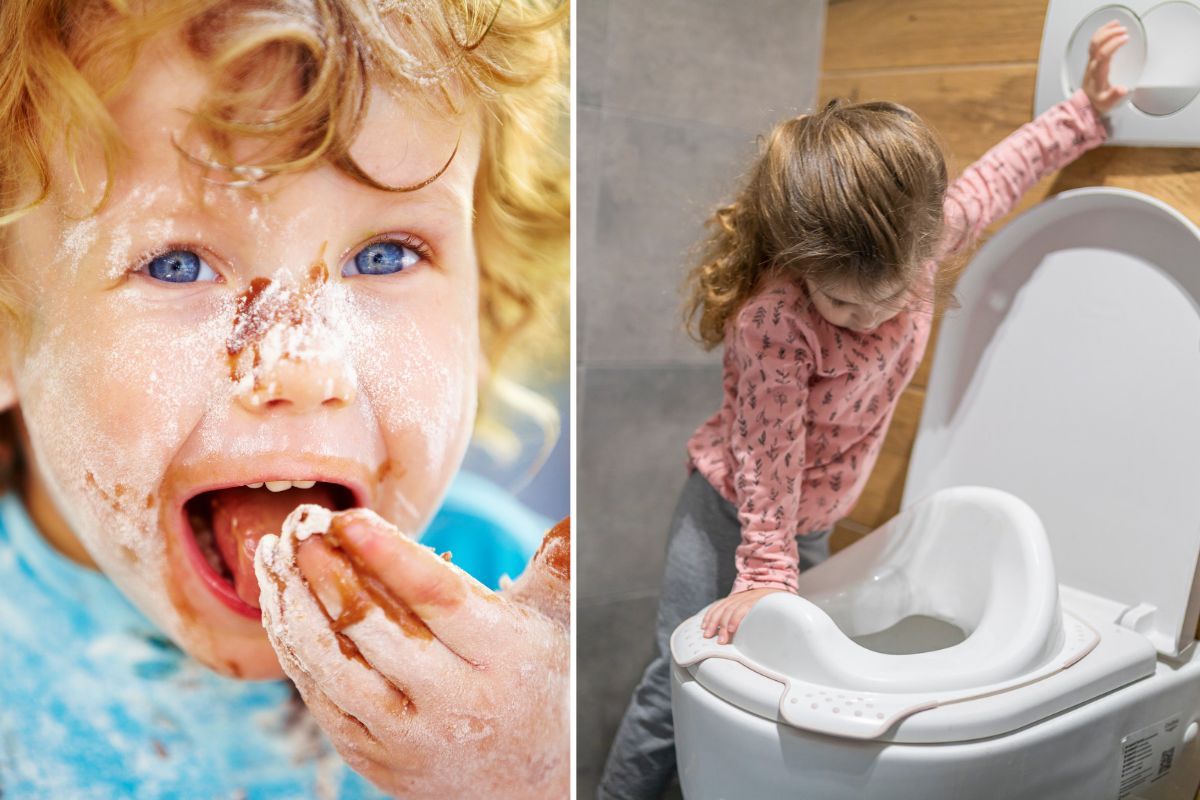
The most recent survey showed that 26% of students weren’t fully toilet trained, up from a year ago. And 28% can’t eat or drink independently. About a third get “overly upset” being away from their parents. An alarming 35% cannot dress (or redress) themselves, and a whopping 44% are “unable to sit still.”
These issues present obvious problems for teachers and other staff. Helping kids get dressed again after using the bathroom or dealing with an accident takes time away from instruction. Teachers surveyed by Kindred² also added that kids with these independence difficulties were more likely to fall behind their peers in the curriculum.
The data comes from the U.K., but it matches much of what teachers in the U.S. and other countries have been trying to say over the last couple of years. A controversial bill was recently introduced in Utah that would ban diapers and pull-ups in kindergarten and disallow any children who aren’t fully potty trained, for example.
In the subreddit r/AskTeachers, one person put it this way: “Even students who are potty trained are coming to school with zero bathroom manners. They go with the door wide open, don’t flush, and don’t wash their hands after. And they often [go] all over the floor. I remember my parents teaching me not to do those things as a kid, but apparently it’s a lost art.”
Are parents today just lazy? Not so fast.
The survey found one thing parents and teachers agree on: “Rising family pressures” are making school readiness far more difficult than it has ever been before.
Nearly half of parents and teachers cited the fact that parents are working longer hours due to a rising cost of living as a major factor in kids lack of preparation.
Indeed, there are more households with both parents working now than at any other point in history. Most mothers and fathers have very little time to help their kids hold a pencil or tie their shoes when they’re busy paying the bills and putting food on the table.
There are also other mitigating factors to consider. Full-day kindergarten and even after-school care are relatively new. In the ’90s and earlier, kindergarten programs were often half-days or just two or three hours. They also required less of kids in terms of independently going to the bathroom and sitting still for long periods of instruction.
Academic expectations of kindergarteners have also skyrocketed. The data show that most kindergarten students were not expected to be fluent readers by the end of the year in 1998. But in the following years, that expectation rose substantially.
There’s also, of course, the COVID of it all. Many societal institutions that had been around for decades simply collapsed during the 2020 pandemic, and it’s no surprise that this generation of kids who were born and grew up in the early 2020s may struggle with separation anxiety or independence in general.
Bridging the school readiness gap
It’s clear that better communication among schools, teachers, and parents is needed to improve school readiness.
About 18% of parents, according to Kindred², had never heard of the concept of school readiness, and another 14% only began to learn about it shortly before the start of Reception.
Potty training, independent eating skills, and overcoming separation anxiety aren’t life skills you can cram into a couple of weeks before school starts. Parents are clamoring for earlier guidance so they have more time and resources to prepare their kids.
Highlighting the huge gap between how teachers and parents think about school readiness is a crucial first step—because what makes a Reception or Kindergarten teacher’s job hard isn’t a child who struggles with reading or counting, but one who’s not equipped to be independent in the classroom with their peers.