
Around the Fourth of July, you hear a lot about the “Founding Fathers.” In between the BBQ and fireworks this weekend, you may even hear your own father recount what he learned back in his school days about the forging of our nation, from George Washington’s grand military strategies and Thomas Jefferson’s lofty democratic ideals to Alexander Hamilton’s visionary financial system, which is still in use today.
In her book, Obstinate Daughters, author Denise Kiernan reveals some lesser-known stories of how women shaped the colonies’ departure from British rule.
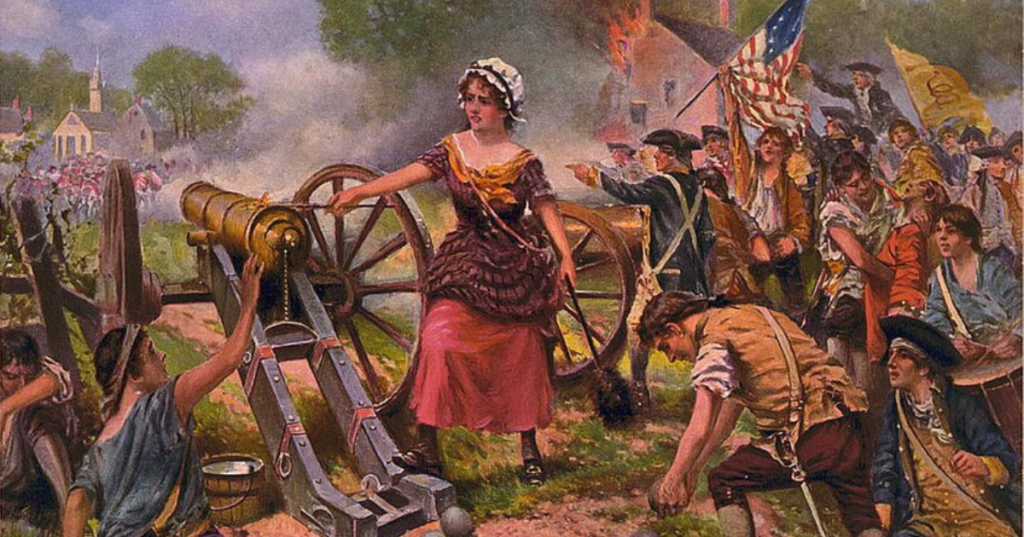
Photo credit: Wikimedia Commons
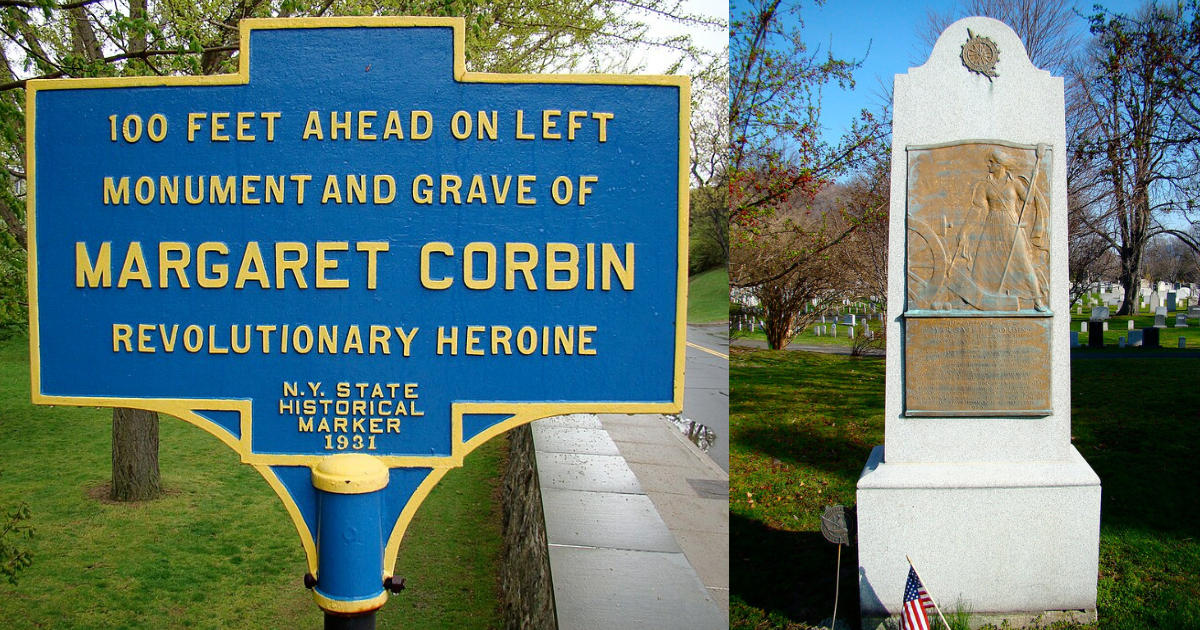
Some of the most incredible, tide-turning acts of bravery came from women whose names have slipped through the cracks of history. And if there is one name you need to know on the cusp of America’s 250th birthday, it’s Margaret Corbin.
From frontier struggles to the front lines
Tragedy shaped Corbin’s life long before she stood on the battlefield. Born Margaret Cochran on the Pennsylvania frontier, she was orphaned at age 5 after her father was killed and her mother was taken captive during an attack by Native Americans, according to the National Museum of the United States Army.
In 1772, she married John Corbin. He enlisted in the Pennsylvania State Artillery just a few years later. Margaret followed him into the fight. Like many women of the time, she became a “camp follower,” traveling with the Continental Army and working in a support role. She cooked, mended clothes, and cared for the wounded. As her husband manned a cannon, Margaret observed and prepared.
The moment she made history by not backing down
On November 16, 1776, the Battle of Fort Washington was underway. British and Hessian forces launched a ferocious assault on the American encampment. Margaret was on the front lines, tossing buckets of water onto blistering-hot cannons to help cool them. Tragedy struck again when British artillery fire hit and instantly killed her husband, John. His cannon was left unmanned.
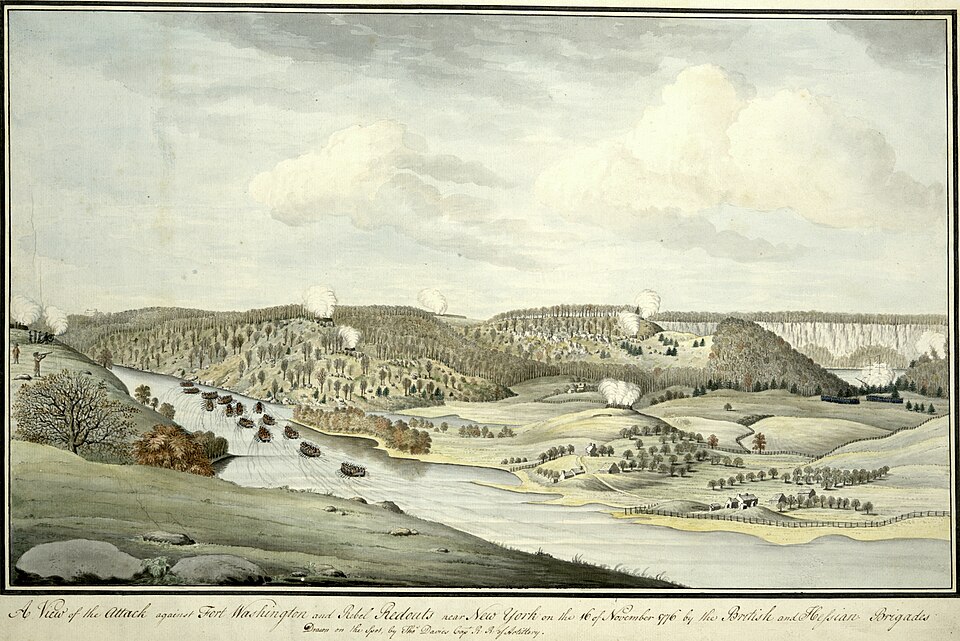
Photo credit: Wikimedia Commons
Margaret could have retreated in grief or run for cover. Instead, she stepped directly into John’s role. Having watched the artillery crews for more than a year, Margaret began loading and firing the cannon in his place. By all accounts, her speed and precision stunned the soldiers around her. Her efforts helped keep the British at bay, if only for a while. The fort was under relentless siege, however, and Margaret did not come away unscathed. An artillery strike severely wounded her jaw, chest, and left arm.
A revolutionary legacy worth remembering
Though the British ultimately captured the fort, Margaret’s unmatched bravery was widely reported, and she survived her battlefield injuries. She lost the use of her left arm for the rest of her life. Now a wounded veteran with no family left to support her, she faced immense financial hardship. Thankfully, her country did not forget her sacrifice. In 1779, the Continental Congress recognized her extraordinary service, making her the first woman in American history to receive a lifelong military pension.
Today, her legacy reminds us of all the brave people who risked life and limb for America’s independence. Margaret is the only female American Revolutionary War veteran with a monument at West Point Cemetery. Her story reminds us that the fight for freedom wasn’t forged solely by the Founding Fathers in “the room where it happened.” Everyday heroes gave everything they had to build a more perfect union.








_-_E._Percy_Moran_LCCN96516279.jpg)
