“May you live in interesting times,” said British statesman Joseph Chamberlin, though the quote is attributed to many—including an anonymous Chinse curse. And that, many can agree, we do. Unfortunately, with so much constant change and division around us, paired with a 24-hour news cycle, these “interesting times” can be incredibly hard on our psyches.
In fact, with such a bombardment of news, it can make people feel helpless despite wanting to effect change in whatever way they can. The truth is we aren’t truly helpless, no matter how much it seems that way. We’re best off remembering the airplane 101 rule: you must put your own oxygen mask on before you can help others.
First, a quick neuropsychology lesson on why our brains become overstimulated. Katherine Berko, LCSW, who spoke with Upworthy, explains that there’s a region of the brain that gets stimulated particularly by distressing news. “Watching the news directly affects the amygdala, the part of the brain that processes emotions, especially fears and threats. There’s a reason so much of the news that’s covered is negative—negative news triggers the dopamine in our brains, causing us to keep watching even when it feels bad and there’s nothing new to learn about the distressing story.”
In a recent article for Baylor Scott & White, the largest not-for-profit health system in the state of Texas, Karla Acosta-Monroe, MD explains what true stress can feel and look like. Physical signs include “trouble sleeping, digestive issues, heart palpitations, and headaches.” On a more emotional level, “feeling irritable, emotional detachment, or low motivation” can be common symptoms. Behaviorally, “avoiding social interaction, emotional eating or loss of appetite, and dependence on caffeine or alcohol” can also affect us, to name a few.
She and many other experts have weighed in on how to counter these thoughts and feelings.
Healthy eating
Acosta-Monroe reminds us that an easy habit to help combat stress is to keep our bodies nourished…literally. “Aim for regular, balanced meals with protein, healthy fats, and complex carbohydrates. Foods rich in magnesium (like leafy greens and nuts) and omega-3s (like salmon and flaxseed) can also support brain health.”
Use the TIPP method
Dr. Kiki Fehling, licensed psychologist and author of Self-Directed DBT Skills, shares an easy-to-remember method with Upworthy:
“T – Temperature: Put your face in a bowl of cold water and hold your breath. This activates something called the ‘mammalian dive reflex,’ which slows your heart rate down. It’s an intense skill, but can help when people are truly overwhelmed and having panic attacks. (People with cardiac problems or on heart medications should skip this skill, though—it works that well!)
I – Intense exercise: Anxiety ignites your fight-or-flight response, sending energy throughout your body so that you can escape danger. Moving your body—running, walking, dancing, doing jumping jacks—helps you expend that energy. When you stop and relax afterwards, your heart rate returns to normal and you can be in a calmer space.
P – Paced breathing: Take a slow, deep breath, making the exhale as long as possible and at least longer than your inhale. Breathe at a set pace—like a 4-second inhale, 6-second exhale—for 1–2 minutes, or as long as you want.
P – Progressive muscle relaxation: When we’re stressed, our muscles tense. When we’re relaxed, they relax. Purposefully going through all of the muscle groups of your body, first purposefully tightening then releasing and relaxing them, helps communicate to your body that you’re safe and OK.”
Elevate sleep habits
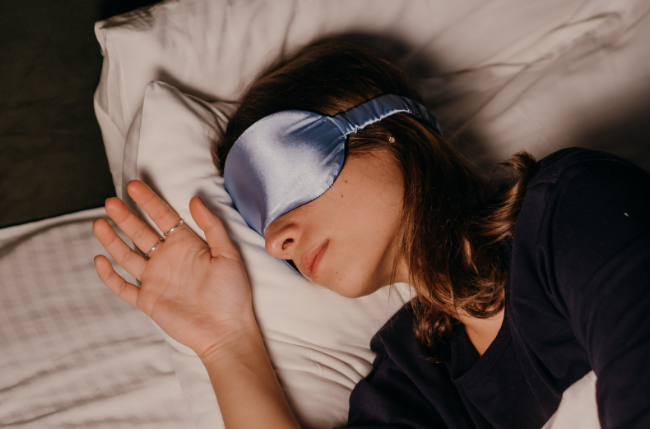
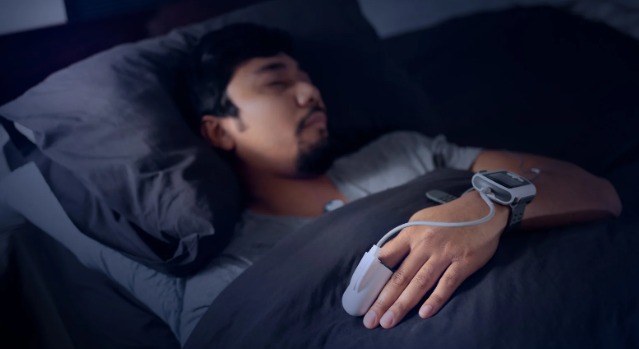
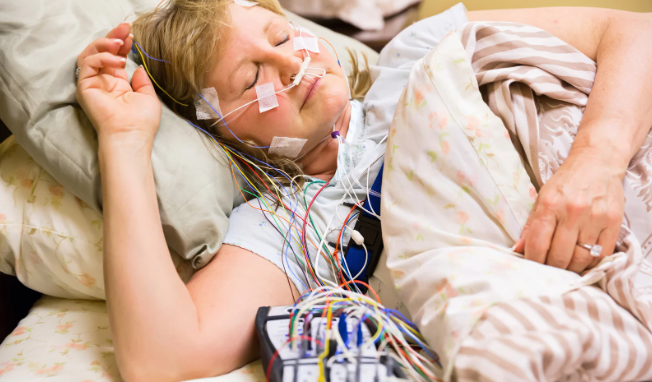
Sometimes easier said than done, but sleep is top of the list when it comes to toning down panicked minds.
Acosta-Monroe gives a few accessible tips on how to get better rest:
“Set a consistent bedtime and wake time.
Avoid eating after you go to bed.
Avoid napping during the day.
Turn off screens at least an hour before bed.
Keep your room cool and dark.
Journal or listen to calming sounds before bed.”
With practice, one might find the duration of their sleep gets longer and more restorative.
Respond “As if”
Benjamin Daniels, Psy.D., a clinical psychologist and the Clinical Director of Equilibria Psychological and Consultation Services, also gave an excellent tip directly to Upworthy. He claims if you’re ruminating, an exercise you can try is imagining the worst-case scenario and how you would respond. “Identify how we would respond, even if a catastrophe happens. Once we have in mind how we would survive, it makes the catastrophe feel less stressful.”
Focus on the present moment
Daniels also notes that a good strategy is to focus on the moment you’re in. “You’ll want to find something in the moment that you can focus on instead. Notice that the anxious thoughts about the news may come into your attention, but put that thought on a cloud and let it float away—and return to the present-moment sensations you’re noticing at that time.”
Acosta-Monroe also discusses this method in terms of “grounding.” This is commonly discussed in terms of dealing with anxiety, but is a super helpful way to calm your body down immediately. Use the 5-4-3-2-1 technique.
“Name 5 things you see.
Name 4 things you can touch.
Name 3 things you hear.
Name 2 things you can smell.
Name 1 thing you can taste.”
Take breaks
What might seem fairly obvious isn’t always easy. Perhaps we all need a gentle reminder that while it’s vital to stay informed, we do need to give our minds some rest.
Berko shares how she addresses this with patients. “I often ask my patients: ‘When are you watching the news and for how much of the day? How much of that time is it actually news to you versus the same terrible story on repeat because you can’t pull yourself away from it?’”
She suggests having designated time allotted to exposing oneself to the news. “Limit social media use, since posts, Instagram stories, and reels are often the number-one news source for people. Put your phone on airplane mode 30–60 minutes before bed and don’t turn it off until you’ve had some time to wake up in the morning. If you start with the news first thing in the morning, before brushing your teeth or making your coffee or finding time to just breathe, you’re training your brain to crave that immediate dopamine hit, thus making the news feel addicting.”