It can be easy to feel like nothing short of a miraculous windfall can really make a difference in our finances, especially when so many things beyond our control are stretching our wallets thin.
However, there are still measures we can take to give our bank accounts a little extra wiggle room and feel a bit more empowered in the process.
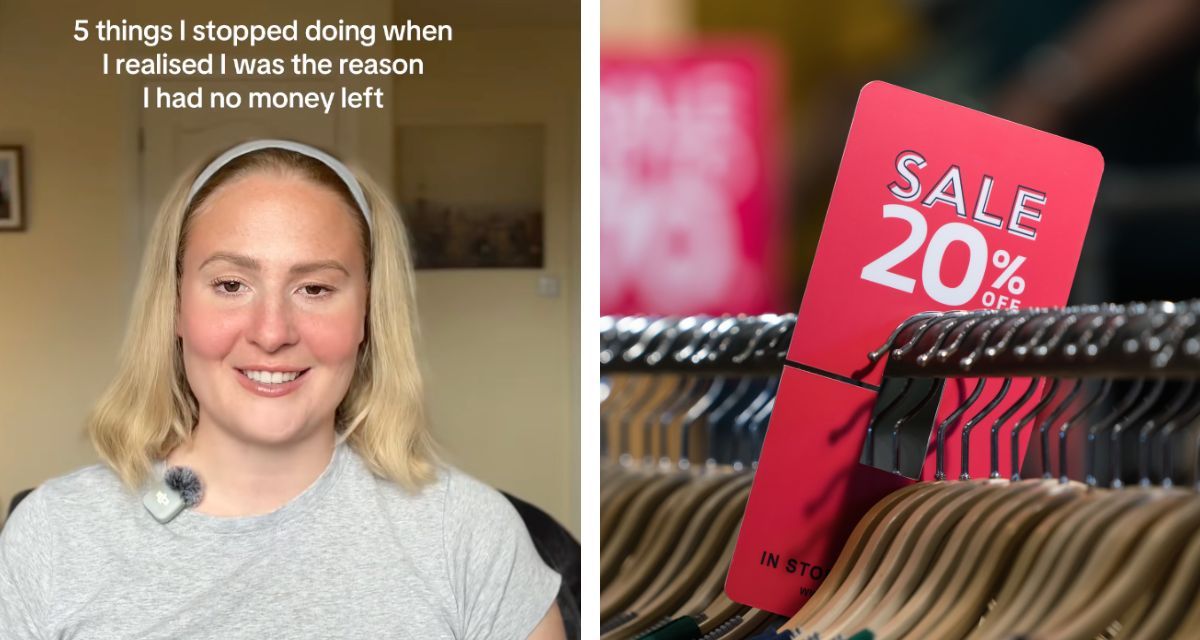
Just ask Georgia May, who recently shared a now-viral video titled “5 things I stopped doing when I realised I was the reason I had no money left.”
None of the changes May made had anything to do with “big purchases.” Instead, she focused on simple, “tiny” habits she thought “didn’t matter,” when they actually did. Sound relatable? Read on.
Instead of highlighting big purchases, May focused on the everyday choices that led to her running out of money.
#1 Ignoring her bank balance
May confessed that there had been months when she had avoided looking at her bank account out of fear of how much she had spent.
Now she checks her balance, credit card debt, and other financial information daily. That habit gives her clarity about which spending habits are helping or hindering her peace of mind.
#2 Spending first, saving later
Using a budget tracker via her Notes app, May set it up so that a portion of her paycheck automatically goes toward savings. Whatever is left (minus bills and whatnot) is available to spend. Previously, she would spend throughout the month and save what was left over.
#3 Buying things just because they’re on sale

May said this was one of her “worst” habits, because she often bought things she didn’t need or like. Now she writes down the things she wants and waits 48 hours before deciding whether to buy them. This pause gives her time to consider whether she can actually afford the purchase and whether she really needs it.
#4 Comparing her lifestyle to others
In particular, she stopped comparing herself to the seemingly luxurious lifestyles projected on social media. Rather than trying to keep up, she now reminds herself that “there’s always going to be someone else who is richer than you.” What matters more, she said, is honing a sense of “self-worth” and knowing that what you currently have is “enough.”
#5 Saying ‘it’s only $XYZ’
Saying “it’s only £10” is often a surefire way to spend around 10 times that amount in a single weekend, May assured.
May’s video sparked a larger conversation about healthy spending
Several viewers chimed in to share their own seemingly insignificant expenses that ended up costing them way more in the long run. One agreed that “lots of small transactions” regularly left them “penniless a week after payday.” Another shared that cheap, convenient food was their financial Achilles’ heel, causing them to spend hundreds of dollars each month. Similarly, a third viewer said that they spent tons of money on coffee.
Others described positive habits they started implementing that made a surprising difference. One person wrote, “I’ve decided now to put 150 a month in a separate account for ‘fun’ spending each month then anything I don’t spend from that amount goes back into savings next payday.”
“I cancelled amazon prime because it felt too accessible,” wrote another and added, “now I have to spend 35 to get free delivery so I am more conscious about what I am buying and I often don’t buy it.”
Changing online shopping habits seemed to be a game-changer. One-third of those who shared said that they no longer buy the minimum spend just to get the free delivery.
May’s video and the conversation that erupted shine a light on the ways modern society tricks us into spending more and leaves us feeling stuck.
Even if you don’t adopt any of May’s strategies, the discussion offers a reminder that small but powerful steps can increase financial well-being. Whatever step you choose, it will likely involve opting against the convenience and instant gratification so deeply ingrained in everyday life. This isn’t always the easiest choice, but it tends to deliver a pretty good return on investment.