It’s crazy to think that you can inhale 40-something Cheez-Its in a matter of seconds, and every single one of those crispy, flavorful one-inch squares took 24 hours to make. But it does go to show that this iconic cheese snack is far more complex than we give it credit for.
First up: the flour, which is actually the star of the show. But Flour-Its doesn’t have the same ring, does it?
This, along with vegetable oil and salt, goes into a mixer. Next comes ice water to ensure the mixture stays very cold even while the mixer blades move and generate heat.
Paprika is also added to the mix, but it has to first be premixed into water, sugar, and salt separately to avoid it clumping and to ensure that signature sold orange color.
Next, the “100% real cheese” used in the recipe is a blend of cheddar and cheese made from skim milk, both of which come in massive, cumbersome blocks that are pressed out of a machine to look like yellow Play-Doh. This makes it easier to blend with the other ingredients.
Just like us, Cheez-Its need a full day off before going to work
Once all of this is mixed into a dough, it has to “rest” for a full day before it can be rolled. Otherwise, it could tear upon baking or remain sticky—neither of which results in the crunchiness we actually want. But 24 hours allows for a thin dry layer to form and for enzymes to break down scratches into simple sugars, which works with amino acids to give that golden color and toasted flavor. Man, the amount of science that goes into every bite.
The tiny hole with a surprisingly important job
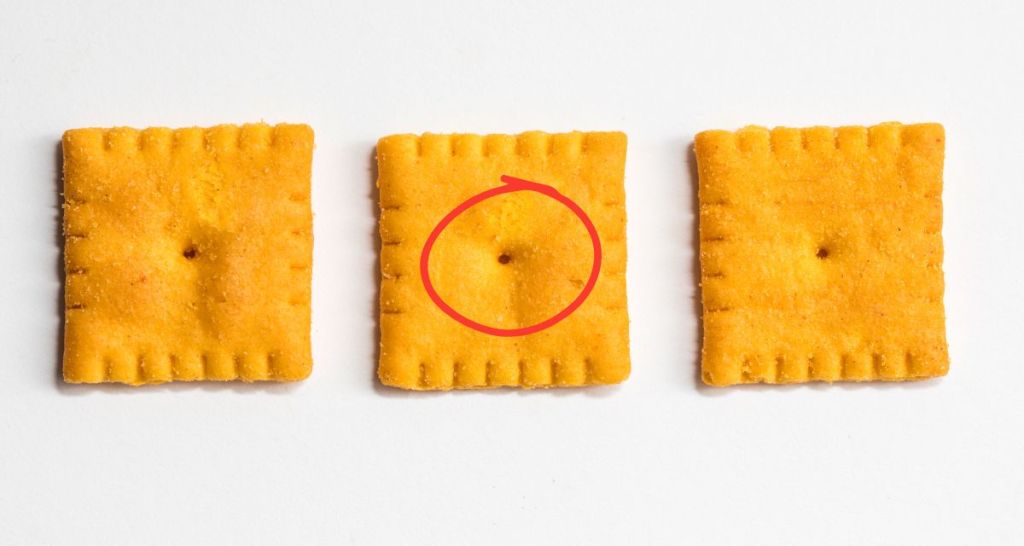
If all goes well, the next day the dough is layered on top of one another and pressed into thin sheets. Then, different rollers stamp the square outline, and punch a single “docker hole” in the center of each square.
And yes, not even those dots are arbitrary. Without them, steam can’t escape the dough while it’s being baked, keeping the cracker moist, soft, and altogether un-crackerlike.
The journey concludes with a romp through ovens set at varying degrees of heat, drying and toasting the sheets in stages, followed by a vibrating conveyor belt that breaks the sheets into the individual crackers, and another machine that places them all into sealed bags.
All in all, this is more than a simple snack. It’s a feat of engineering.
A century of cheese dust devotion
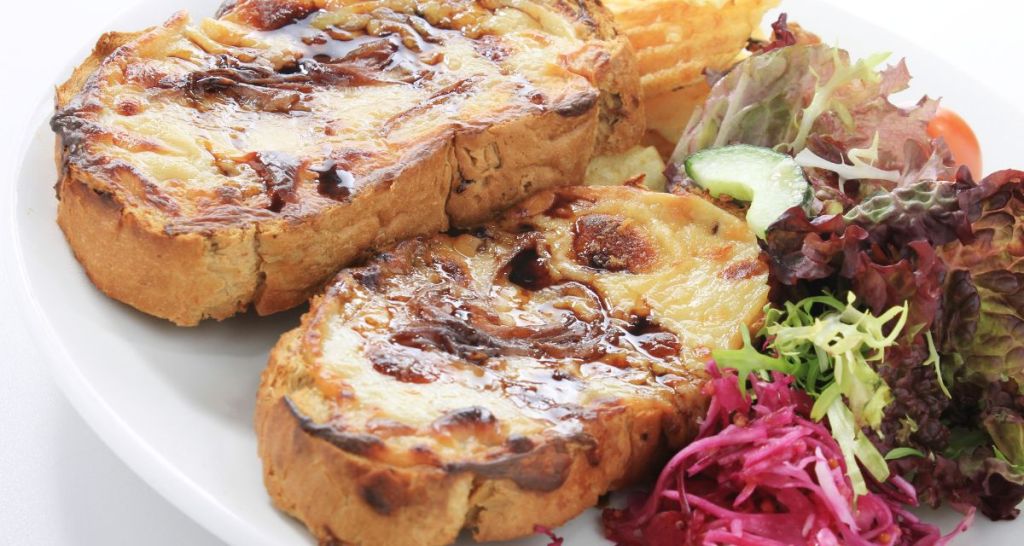
Cheez-Its have been loved for their flavor since the 1920s. Though when first introduced to the world, they were referred to as “baked rarebit.” Rarebit was a popular dish made with melted cheese spread over toast, and the makers believed they had captured that same savory flavor in cracker form. The name itself was trademarked in 1921 by the Green & Green Company in Dayton, Ohio, where the tiny cheese squares first came to life.
Timing also helped turn the snack into a household favorite. During the economic struggles that followed World War I and later during the Great Depression, foods with long shelf lives carried a lot of value. Cheez-Its could stay fresh for months, making them practical pantry staples in homes where stretching food budgets mattered.
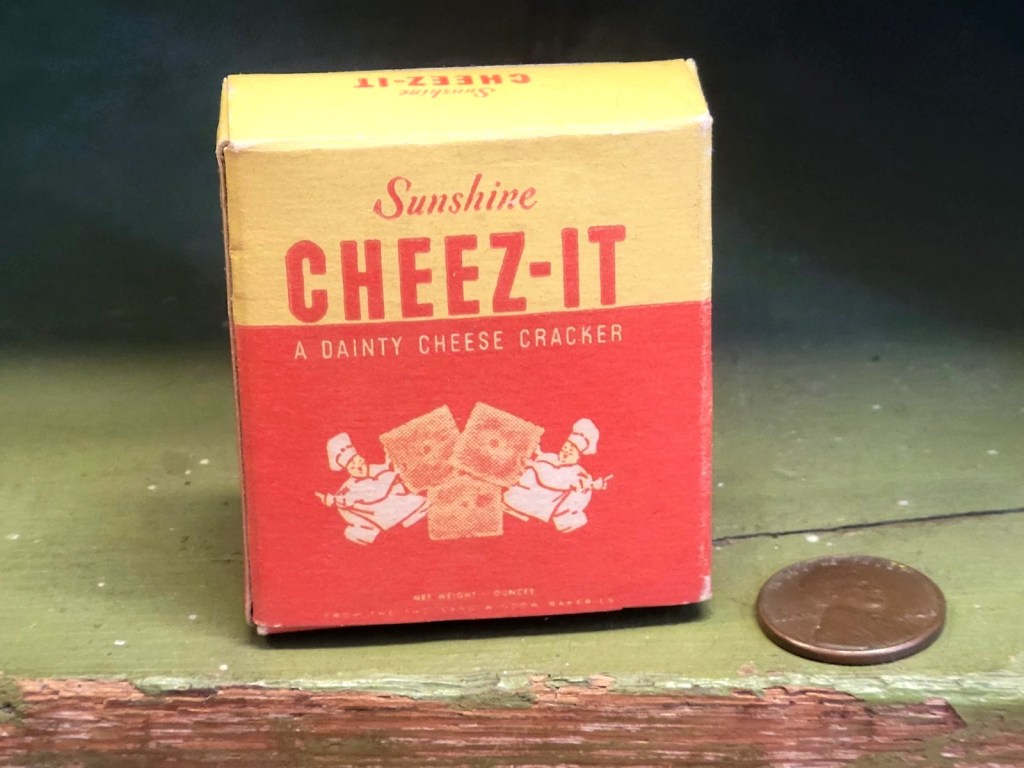
Over the decades, the brand passed through several owners. Sunshine Biscuits acquired Green & Green in 1932 and helped expand the crackers far beyond their Ohio roots. Later came Keebler, and then Kellogg, before the snack eventually became part of Kellanova, which Mars (the company known for M&M’s and Snickers) acquired in 2025.
Through all of those corporate handoffs, the cracker itself barely changed. The shape stayed familiar, the colors on the box evolved only slightly, and the recipe remained surprisingly close to the original version.
Food for thought
Who knew that packed into every little orange square is a literal mouthful of food science, manufacturing precision, and history? Is it going to stop us from inhaling them? Probably not. But still fun to know.