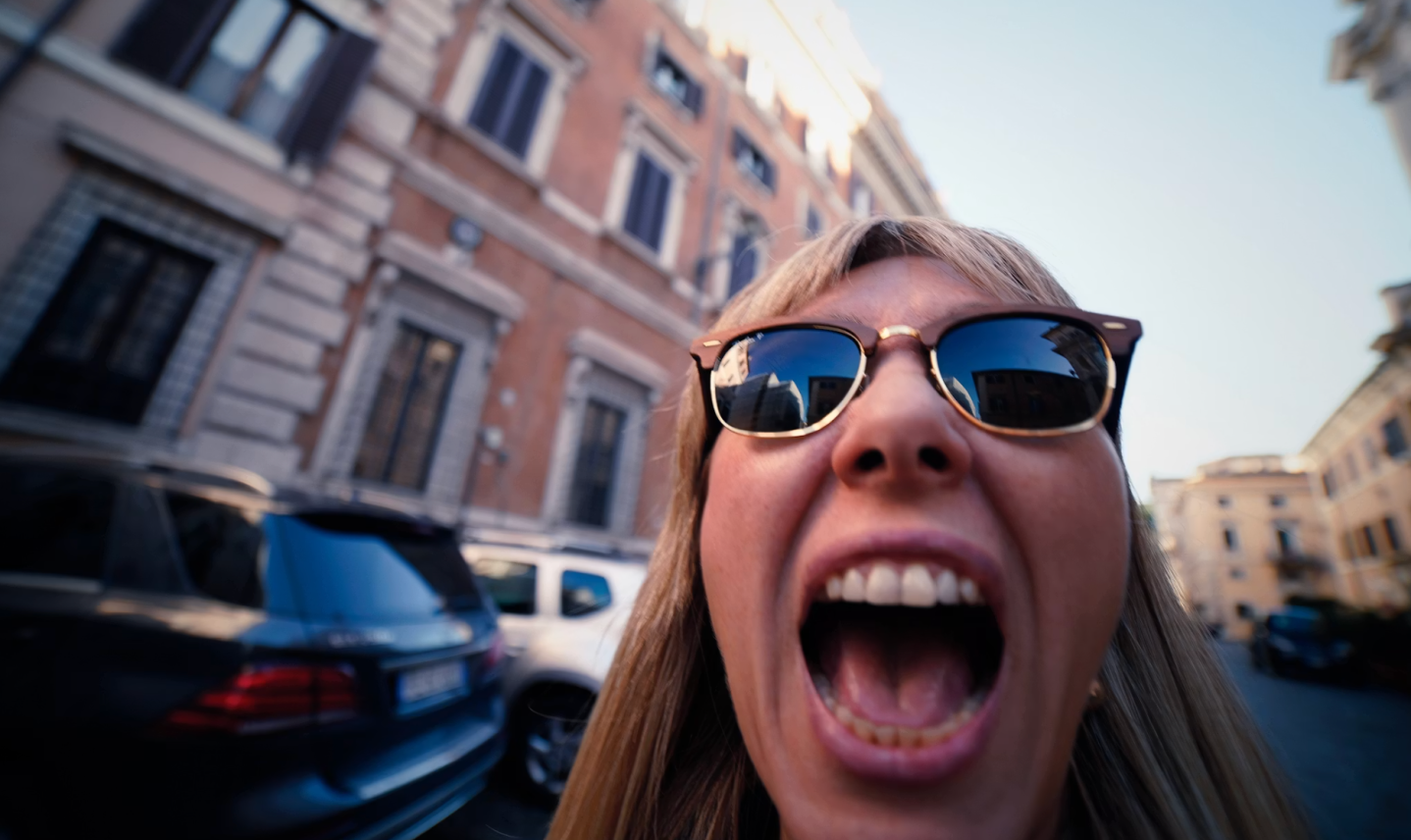
Amber, a British woman living in the United States, has adjusted to a great deal. Driving on the other side of the road. The measurements. The absence of a proper kettle. What she cannot get past is the stop signs.
“We do have STOP signs in the UK,” she explains in a TikTok under the name @_amberinamerica, standing next to one. “Typically, they would be at a dangerous junction or dangerous intersection where you need to come to a full stop because you can’t see, so you have to come to a full stop and take note before you proceed.”
In Britain, a stop sign is a signal that something is genuinely wrong with the sight lines. In America, she’s found them on “dead straight roads with perfect visuals,” which to her reads as nonsense.
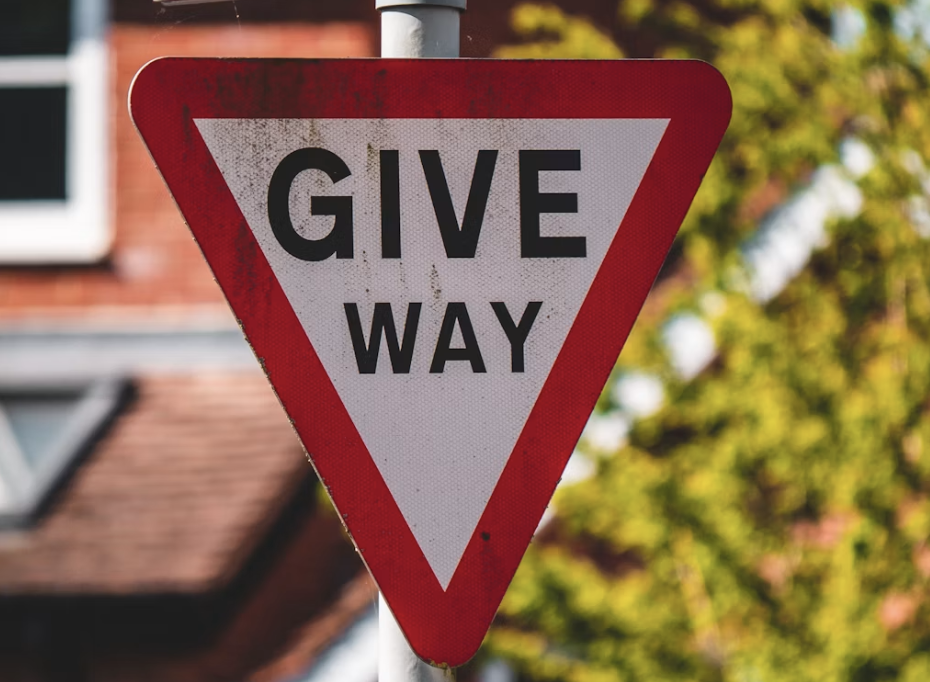
Photo credit: Matt Seymour via Unsplash
In the U.K., the default sign at a junction is Give Way, the British version of a yield. Stop signs are treated as a last resort, and each one requires individual approval from the government before it can be installed. Where visibility is bad, the preferred fix is to improve the visibility rather than install a sign.
The thing that really got her were the signs facing all four directions at the same intersection. “No matter which way you’re going, you still have to stop,” she says. “Even if you’re not turning, you still don’t have the right to proceed.”
Four-way stops essentially do not exist in Britain. They’re a North American convention, and most of Europe couldn’t adopt them even if it wanted to, because international agreements on priority signage don’t accommodate them. Where an American town puts a four-way stop, a British one puts a mini-roundabout: you slow down, give way to whoever’s already in it, and keep moving. Roundabouts, a British export dating to the 1960s, are consistently found to reduce serious injury crashes compared with stop-controlled intersections.
She was troubled most, however, by the etiquette. At an American four-way, priority goes to whoever arrived first, which offended what she called her “old polite British brain.” Turning left across traffic and still getting to go first, purely because she’d pulled up a second earlier, felt to her like something she should apologize for.
She also noticed an inconsistency that most American drivers would recognize in themselves. Plenty of people here are relaxed about signaling, or following distance, or any number of things with a clearer link to whether anybody gets hurt. But the stop sign gets treated as sacred.
“I want to know why,” she asks at the end. “What kind of hold does this stop sign have over you guys?”
The comments supplied an answer, which is that the hold is largely law enforcement. Several people pointed out that the one time you roll through is the time there’s a patrol car parked on the other side.
For more British-American lifestyle content, you can follow Amber (@_amberinamerica) on TikTok, Instagram, and YouTube.