Kim Wong-Shing

  • People share things they didn’t realize until they lost weight, and it’s eye-opening
    Major weight loss comes with some surprises. Photo credit: Canva
    ,

    People share things they didn’t realize until they lost weight, and it’s eye-opening

    There are some unexpected learnings that come with a change in size.

    In an era when both obesity and “heroin chic” trends are growing concerns, weight loss can be a touchy topic. Society’s ever-changing views on body size are worthy of their own discussion, of course. But as the link between obesity and health risks has been well-established, the reality is that many adults want and need to lose weight for health reasons.

    People who are looking to lose weight know to expect certain things—an increased focus on nutrition and exercise, for example. Some weight loss journeys might include surgery or GLP-1 medications, which have exploded in recent years. But some parts of the journey can still take people by surprise, especially as they get closer to their goal.

    So when someone asked on Reddit “What is something you didn’t realize until you lost weight?” thousands of responses poured in. While everyone’s experience is unique, the common themes are eye-opening.

    Temperature tolerance changes

    Many people shared that they felt colder after losing weight. Body fat acts as an insulator, so losing it can make people more sensitive to cold temperatures. Changes in metabolism and hormones that accompany weight loss can also temporarily make you feel cold. However, nutritional deficiencies can cause similar symptoms, so it may be worth checking with your doctor if it becomes a concern.

    “How well the fat insulates heat. On the positive note, I can tolerate hot and humid weather much better now. But I have to wear a lot of extra layers when it is cold, and I don’t enjoy swimming in the sea anymore even in height of summer, because it is too cold all the time (I am in the UK).”

    “Oh man, so true, I’m still a big person but much smaller than I was and in winter I’m shaking like a Chihuahua, even with a lot of layers on.”

    “Absolutely correct! I get frustrated at how easily I get cold now. It was not something I anticipated.”

    “Same, I absolutely cannot tolerate the cold anymore. But warm weather is much easier to cope with, so it’s not a bad tradeoff.”

    “I lost 6 stone last year and this winter has been COLD but I’m looking forward to not being a gross sweaty mess this summer!”

    Armpits are pits

    Armpits are just arm pits, right? Not necessarily. When extra fat in that area fills in the hollow, it doesn’t appear as much of a “pit.” Losing weight revealed the actual pit feature for some folks.

    “That your armpits are actually pits, they’re not just called that. When you’re fat, you just have underarms.”

    “Just got here. Asked my wife why she was staring at me oddly, she said my pits were hollow.”

    “From my all time heaviest I am down 90 pounds to 279 as of this morning. For about a month I’ve really been feeling the pits come in…lol. The joy this brought was very surprising.”

    “Fair warning: now I have pits I absolutely cannot figure out the right angles to shave at anymore lmao. A blessing and a curse. A blurse.”

    “Yes!! I have to change how I shaved them.”

    Feeling your bones

    When you become accustomed to having a layer of cushion around your body, losing it can be disconcerting—especially when you start feeling hard, knobby things that you might mistake for growths of some kind.

    “I fairly recently lost 50 lbs. Imagine my surprise when I scheduled a doctors appointment thinking there was some sort of tumor in my chest only for them to tell me I have bones.”

    “I’ve lost 50kg. I panicked when I felt my sternum.”

    “Yes! I felt this with my chest. 😂😭 I thought I had some kind of chest cancer lump. This is the part of weight loss I did not expect.”

    “I was very muscular in high school. Then gained a bunch of weight in college. Then lost the weight (and a fair bit of muscle) a few years after that. One day I thought I felt a lump in my boob and panicked. Turns out it was a rib that had been previously covered in muscle or fat.”

    “I’m so glad I’m not the only one 🤣 I once went to the doctor thinking I had breast cancer. The doctor asked me if I had recently lost a lot of weight, then explained I was feeling my ribs.”

    “When I lost 100 lbs and all of a sudden I could feel like wtf there’s actually a spooky skeleton inside me I would just sit there grabbing bones in bewilderment and mild horror.”

    People treat you differently

    Perhaps the hardest realization people shared was how being overweight had made them invisible to so many. A lot of commenters said people became nicer to them after they lost weight. That’s food for thought for all of us.

    “How much nicer people are. As someone who’s lost and gained and lost again, it’s something I’ve noticed. People aren’t noticeably rude or dismissive to me as a bigger person, it’s more like they just don’t really acknowledge you. The world is just nicer when you’re smaller.”

    “I’m male. I lost 140 lb and got fit in my mid-40s after living all my late teen and adult years being 300+. That was almost a decade ago. I can honestly say that everything in this thread has been, to some degree, true for me as well, but the most startling has been the way people react to me. It’s unbelievable. Male or female, stranger or acquaintance or friend, passing or casual or business, I’m treated differently. It’s like stepping into another reality and also makes me sad for all those years. Sure, I was fat, but man, I was treated like a subspecies.”

    “Yes. I didn’t even realize how much being a fat woman over 40 negatively impacted me professionally until I lost 70 pounds right after Covid. My income more than doubled within a year. It has now nearly tripled. Is it partly because of increased confidence on my part? Probably. Does that explain it entirely? Probably not.”

    “My least favorite experience with significant weight loss was experiencing ‘pretty privilege’ for the first time, realizing how mean people had been all my life, and why.”

    “I’ve been losing weight and exercising regularly, and suddenly women are interested in me again. I knew logically that humans have a general preference for people of a healthy weight, but I feel like I’ve crossed some threshold of no longer being invisible to them. Wild.”

    “I was telling my dad how it blew my mind how differently I was treated and he almost couldn’t believe the difference I was describing.”

    Having energy

    Carrying excess weight is physically demanding and requires extra energy for everyday activities. Obesity and sleep problems are also linked, often leading to fatigue. Many people found that their exhaustion eased and that they felt much more energetic after losing weight.

    “That being tired all the time isn’t normal and I have a lot more energy to get things done than I thought.”

    “When people ask me what I feel like after losing 120lbs, the best explanation I can come up with is that I didn’t realize how sick and miserable I felt all the time until I didn’t feel sick and miserable all the time.

    The energy, the aches, the poor sleep, the brain fog…i frog boiled myself into that being my new normal, and now it’s all gone and I can’t believe that’s how I lived for so many years.”

    “It’s crazy how many people think constant exhaustion is just ‘normal life’ until they finally fix whatever’s causing it. Feels like getting a whole different version of your day back.”

    “It’s crazy how easy it is to assume that’s just your normal baseline. Then you lose weight and you find that you’ve been running on hard mode the entire time. And after losing weight I felt like I had superpowers…”

    These revelations are a good reminder of how much of a difference focusing on health can make in our own lives—and how much kindness can make a difference for others.

  • A hundred years ago, everyone wore hats. In 1960, they suddenly stopped. Here’s why.
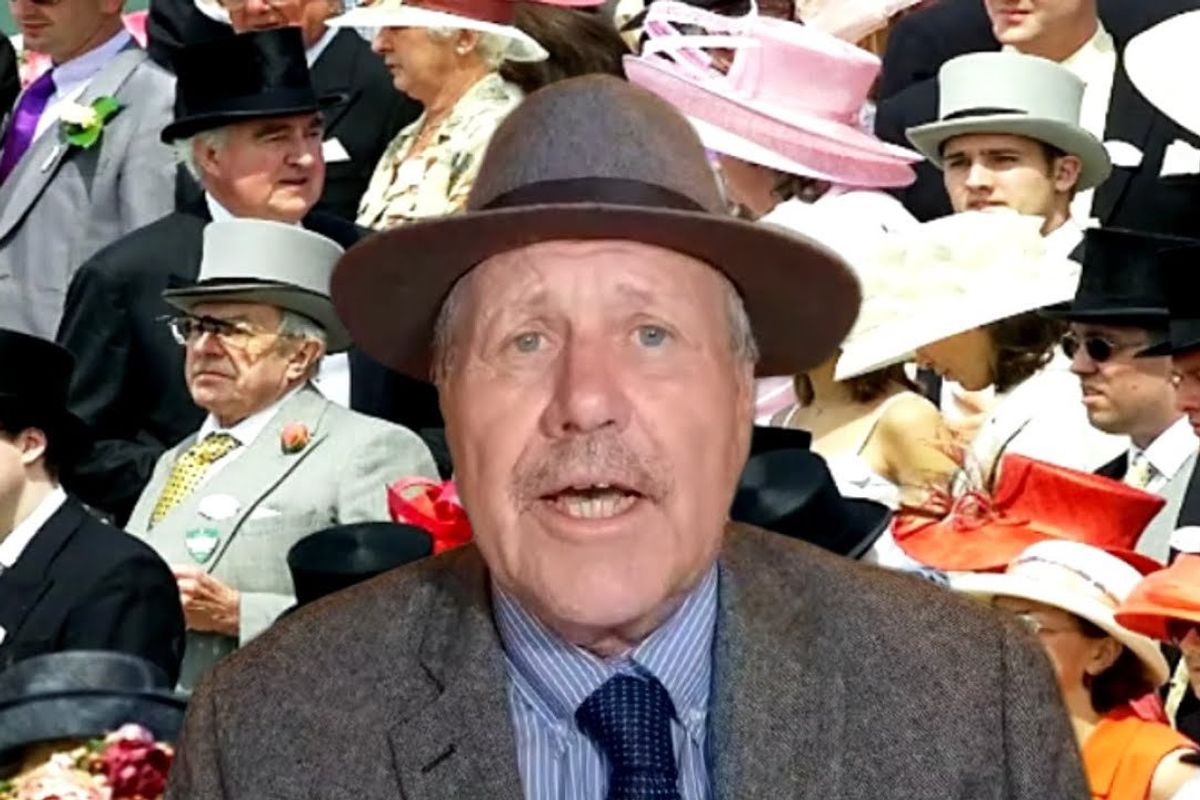
    When did everyone stop wearing hats?Photo credit: via Warmbru Curiosity/YouTube
    , , , ,

    A hundred years ago, everyone wore hats. In 1960, they suddenly stopped. Here’s why.

    Old footage from the ’50s shows men, women, and children wearing hats everywhere they go.

    It was everywhere. Men, women, and even children did it every time they left the house. If you see old newsreel footage of men in the office or on commuter trains from the advent of the motion picture camera to the early ‘60s, nearly everyone is wearing a hat. Hats were just as common for women in that era. For a woman to go out without a hat in the first half of the 20th century was akin to going out without clothes.

    The funny thing is that everyone’s headgear is so similar in the old-timey footage that it makes previous generations look like big-time conformists. Then, in the early ‘60s, everything changed, and men and women started to go out in public with their hair exposed. Why did such a big aspect of fashion seem to change overnight?

    Warmbru Curiosity investigated the question recently in a popular YouTube video. Warmbru’s channel is a lighthearted look at some of the more unusual people and events from our history and how they have influenced the world in which we live.


    Why did people stop wearing hats?

    Warmbru says fashion changed dramatically after World War II, when people in developed countries began to care less about expressing their social status. “This was especially true among the younger generation the rise of youth culture in the 1950s and 1960s emphasized rebellion against traditional norms, including formal dress codes,” the YouTuber says.

    Mad Men, Don Draper, Jon Hamm, hats, mens fashion, men's hats, 1950s
    Don Draper from AMC’s Image via

    Another big reason for the change in fashion was technology. Cars became the preferred mode of transportation for many after World War II and indoor environments became more hospitable. “People spent far less time exposed to the elements as people increasingly moved to urban areas and started using cars,” Warmbru says. “The practicality of wearing hats diminishes. Hats can be cumbersome in cars and on public transport, improvements in heating and air conditioning reduce the need for hats to provide warmth.”

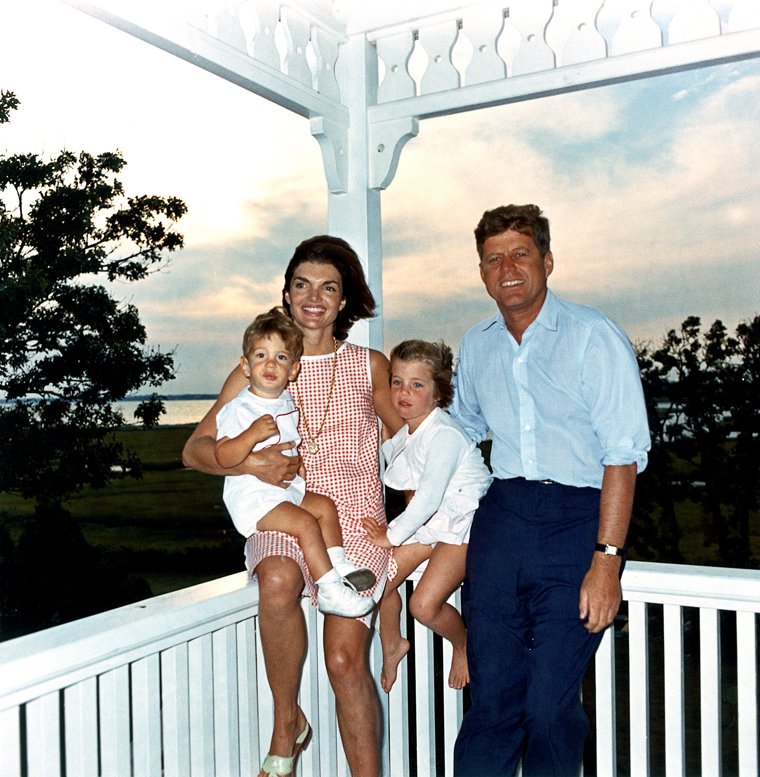
    Warmbru adds that President John F. Kennedy, elected in 1960, rarely wore a hat and his decision to go bareheaded became associated with modernity. Further, in 1963, the mop-topped Beatles proudly flaunted their hatless heads as they shook them while singing, “Wooooo.” Hat-wearing among women began to decline around the same time as the restrictive and complex headgear clashed with the burgeoning women’s liberation movement.

    Kennedy, John F. Kennedy, Jackie Kennedy, hats, men, men's fashion, 1960's, 1950's

    John F. Kennedy with his family Image via Wikicommons

    The decline in hat purchases meant that manufacturers closed and the headgear became harder to come by. This reduced availability further contributed to the decline in hat-wearing. As fewer people wore hats, there became a greater demand for high-quality hair products and services. “Why spend a fortune at the hairdressers or the barbers just to cover the end result with a hat?” Warmbru asks.

    Ultimately, there were many reasons why people stopped wearing hats. It appears that it was a combination of technology, influential people such as Kennedy and The Beatles, and the overwhelming mood of change that swept most of the Western world in the 1960s. But if one thing is true about fashion, it goes in cycles. So, it seems that hats may be ready for their big comeback.


    This article originally appeared two years ago. It has been updated.

  • One simple word makes children 30% more likely to cooperate. It works on adults, too.
    ,

    One simple word makes children 30% more likely to cooperate. It works on adults, too.

    Human psychology really isn’t that complicated, if you think about it.

    Human psychology really isn’t that complicated, if you think about it. Everybody wants to see themselves in a positive light. That’s the key to understanding Jonah Berger’s simple tactic that makes people 30% more likely to do what you ask. Berger is a marketing professor at the Wharton School of the University of Pennsylvania and the bestselling author of “Magic Words: What to Say to Get Your Way.”

    Berger explained the technique using a Stanford University study involving preschoolers. The researchers messed up a classroom and made two similar requests to groups of 5-year-olds to help clean up.

    One group was asked, “Can you help clean?” The other was asked, “Can you be a helper and clean up?” The kids who were asked if they wanted to be a “helper” were 30% more likely to want to clean the classroom. The children weren’t interested in cleaning but wanted to be known as “helpers.”


    Berger calls the reframing of the question as turning actions into identities.

    “It comes down to the difference between actions and identities. We all want to see ourselves as smart and competent and intelligent in a variety of different things,” Berger told Big Think. “But rather than describing someone as hardworking, describing them as a hard worker will make that trait seem more persistent and more likely to last. Rather than asking people to lead more, tell them, ‘Can you be a leader?’ Rather than asking them to innovate, can you ask them to ‘Be an innovator’? By turning actions into identities, you can make people a lot more likely to engage in those desired actions.”

    Berger says that learning to reframe requests to appeal to people’s identities will make you more persuasive.

    “Framing actions as opportunities to claim desired identities will make people more likely to do them,” Berger tells CNBC Make It. “If voting becomes an opportunity to show myself and others that I am a voter, I’m more likely to do it.”

    This technique doesn’t just work because people want to see themselves in a positive light. It also works for the opposite. People also want to avoid seeing themselves being portrayed negatively.

    “Cheating is bad, but being a cheater is worse. Losing is bad, being a loser is worse,” Berger says.

    The same tactic can also be used to persuade ourselves to change our self-concept. Saying you like to cook is one thing, but calling yourself a chef is an identity. “I’m a runner. I’m a straight-A student. We tell little kids, ‘You don’t just read, you’re a reader,’” Berger says. “You do these things because that’s the identity you hold.”

    Berger’s work shows how important it is to hone our communication skills. By simply changing one word, we can get people to comply with our requests more effectively. But, as Berger says, words are magic and we have to use them skillfully. “We think individual words don’t really matter that much. That’s a mistake,” says Berger. “You could have excellent ideas, but excellent ideas aren’t necessarily going to get people to listen to you.”


    This article originally appeared two years ago. It has been updated.

  • A dad was camping with his kids when a fellow camper slipped him this handwritten note
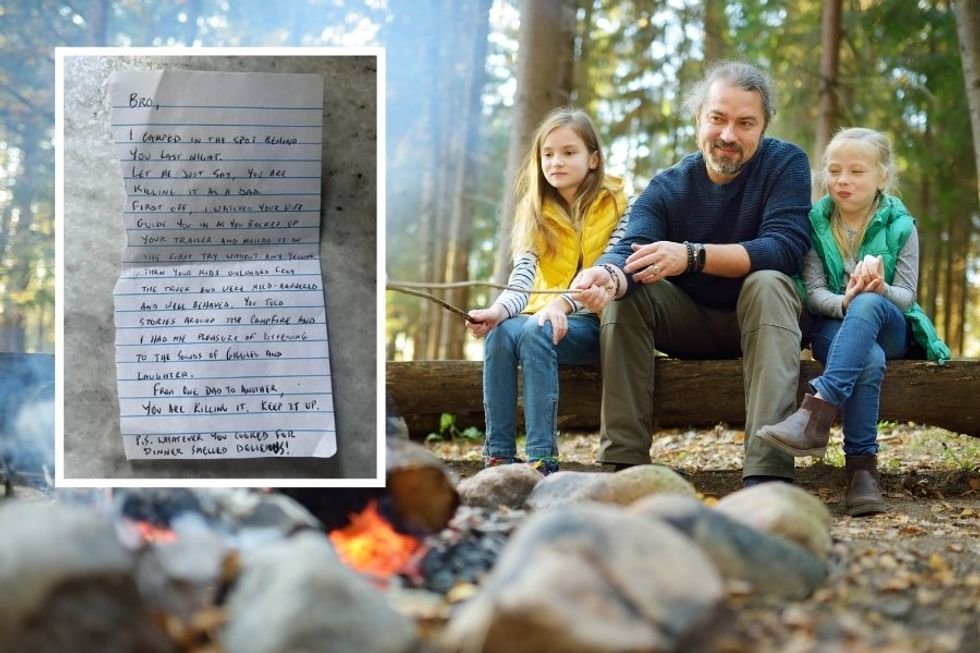
    A dad got a sweet note from a fellow father after camping with his kids.Photo credit: Canva, Note image via RCampR6/Reddit

    There are a lot of challenging things about being a parent; take your pick. The sleep deprivation, the overwhelming responsibility, the lack of free time. But truly, one of the hardest parts of being a parent is never being sure whether you’re doing a good job or totally bombing it. If you’re conscientious enough to even wonder if you’re a good parent, you probably are, but parenting entails a million little choices and interactions, and there’s always a lingering voice in your head saying, “What if you’re really screwing this whole thing up?”

    Reassurance and encouragement are always appreciated by parents, but not always received, which is why a note from one camping dad to another has people celebrating the kindness of anonymous strangers.

    “You are killing it as a dad.”

    Someone on Yosemite Reddit thread shared a photo of a handwritten note with the caption, “To the man who left this thoughtful note on my windshield at Lower Pines Campground this weekend, I extend my heartfelt gratitude; your acknowledgment of my efforts to be a good father means a great deal to me.”

    The note reads:

    “Bro,

    I camped in the spot behind you last night. Let me just say, you are killing it as a dad. First off, I watched your wife guide you in as you backed up your trailer and nailed it on the first try without any yelling. Then your kids unloaded from the truck and were mild-mannered and well behaved. You told stories around the campfire and I had the pleasure of listening to the sounds of giggles and laughter.

    From one dad to another, you are killing it. Keep it up.

    P.S. Whatever you cooked for dinner smelled delicious!”

    How often do we share these thoughts with strangers, even if we have them? And who wouldn’t love to get a surprise bit of praise with specific examples of things we did right?

    Everyone needs to hear a compliment once in a while.

    dads, giving men compliments, fatherhood, camping, camping with kids
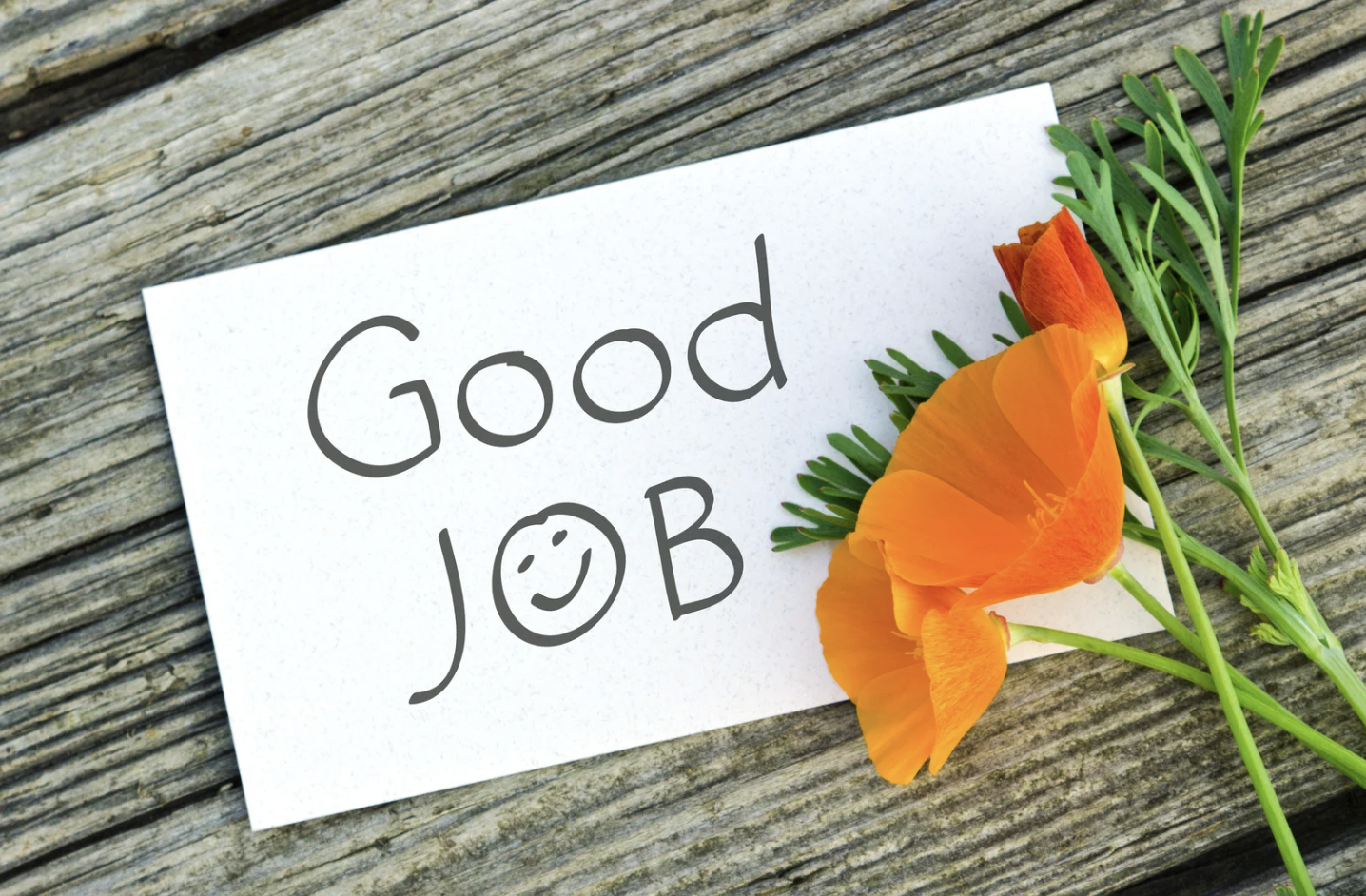
    A handwritten note with the words Photo credit: Canva

    So many people found the note to be a breath of fresh air and a good reminder to compliment people when we feel the urge:

    “That would make any daddy’s eyes water.”

    “It’s always nice, as a guy, to get a compliment.”

    “I complimented a guy’s glasses at work (I’m also a guy, and btw they were really cool glasses, I wasn’t just being nice) and now he keeps trying to tell me where he got his glasses and how I should get some. But I’m just having to be polite because I already have glasses and I’m not in the market. I finally had to tell him I’m not going to buy them lmao I just like them on him.

    Made me feel like that’s the first compliment he’s had in years because he can’t stop talking about it. Also I mainly liked the glasses because I think he’s cute but he really thinks it’s just the glasses haha jokes on him that cute bastard.””I was in the store with my wife and one of our ‘adopted nephews’ yesterday (we’re close friends with his parents and we’ve known him and his brother since they were newborns and 2yo, respectively). A woman came up to me at checkout while my wife was running out to the car and said ‘I’m not sure what your family relationship is here, but I just have to tell you how nice and refreshing it is to hear all the laughter and joy from the 3 of you. You both seem like such a good influence on him and it warms my heart.’ It’s such a small thing but as a dude, I can’t remember the last time someone gave me a compliment in public and it made my freaking day.”

    “10/10 letter. The and not yelling part gave me a good chuckle lol.”

    “We need so much more of men getting such heartfelt and sincere compliments. Thanks for sharing. ❤️”

    dads, giving men compliments, fatherhood, camping, camping with kids

    A man smiling Photo credit: Canva

    “I’ve never considered leaving a note, but when I see a harmonious family with good parenting, it’s healing for me. My childhood was awful.”

    “Such an awesome compliment! Even though I don’t have children myself, I like to remind my friends too that they’re doing great & it brings them happy tears.”

    “This made me cry. I love that you are getting your ‘flowers.’ My dad sucked, I’m so glad you are one of the good ones.”

    “This made me cry too. It’s so hard to be a human. Let alone a parent. Getting a good job sticker every now and then really means a lot these days.”

    “I’m a big bearded guy and I would cry if I got this note. More people like this, please.”

    The best part of this story is that no one knows who the dad who wrote the note is, not even the dad who shared it. It wasn’t written for clout or notoriety, it wasn’t to get attention or make himself look good. No name or signature, just an anonymous act of kindness to uplift a stranger whether he needed it or not.

    dads, giving men compliments, fatherhood, camping, camping with kids

    A dad with his kid on his shoulders Photo credit: Canva

    We all need to hear or read kind things said about us, and sometimes it means even more coming from an anonymous stranger who has nothing to gain by sharing. A good reminder to share it when you feel it—you never know how many people you may move and inspire.

    This article originally appeared two years ago. It has been updated.

  • She was fired for taking 10 minutes to reply to emails. Then she made sure they’d regret it.
    A frustrated employee is typing on her computerPhoto credit: Canva

    She had been on the job for four months when she was pulled without warning into a meeting with her manager, HR, and legal. Effective immediately, she was fired. The reason given: she took ten minutes to respond to emails.

    “That was a bullsh*t reason,” she wrote in a post to Reddit’s r/MaliciousCompliance that has since racked up more than 19,000 upvotes. “To be honest, I was furious.”

    The job itself had never been easy. She’d been hired as a speaker coordinator for a company that planned large conferences, and from the start, as she described it to Bored Panda, there was no onboarding, no training, and no clear point of contact. “I was simply given the log-in info for a couple of different websites and told to get to work.” She was the only person in the role. All the institutional knowledge about speakers, schedules, and upcoming events lived entirely with her.

    Audience listening to a speaker at a conference. Photo credit: Canva

    Her manager spoke limited English, which made communication difficult in ways that weren’t anyone’s fault but created real problems. When she once asked her manager for a call to clarify something, the response came back: “No cranne. Self skills is a must. I am bird without head.” It took her several days to piece together that her manager was trying to say she was overwhelmed and needed her employee to be more self-sufficient.

    She adapted, figured things out, and by her own account, kept the speakers happy. Then came the meeting, the firing, and the reason that didn’t add up. Ten minutes to reply to an email. No written warning. No verbal warning. Nothing.

    During the exit interview, HR asked her to hand over her files and walk them through where things stood with an upcoming event scheduled in 17 days. She reached into her bag and pulled out her copy of the NDA she’d signed when she started.

    As she told it on Reddit, she pointed to a specific clause: as a former employer, they were now prohibited from receiving confidential information about the position under the terms of the very agreement they’d had her sign. “As per my NDA, I am not to discuss intimate details or share documents relating to this position with any employer, past or future. Since this firing was effective immediately, you are now a former employer and I am bound by my NDA.”

    A non-disclosure agreement (NDA). Photo credit: Canva

    HR pushed back. She held firm. Legal was brought in. Legal read the clause and confirmed she was correct.

    The event, by her account, was a disaster. More than half the speakers pulled out once communication broke down. Her former manager nearly lost her job over it. The employee, for her part, closed her Reddit post with the mocking subject line that had gotten her fired in the first place: “All because I ~tAKe ToO lONg tO ResPoND tO EMaILS~”

    The story resonated because it captures something many workers recognize: the particular frustration of being let go without cause, without warning, and without recourse, and the rare satisfaction of finding that the company had, in this case, handed her exactly the recourse she needed. Save your contracts. Read the fine print. Sometimes the NDA works both ways.

    This article originally appeared earlier this year.

  • A former CIA officer was asked for the one spy trick everyone should know. His answer has nothing to do with espionage.
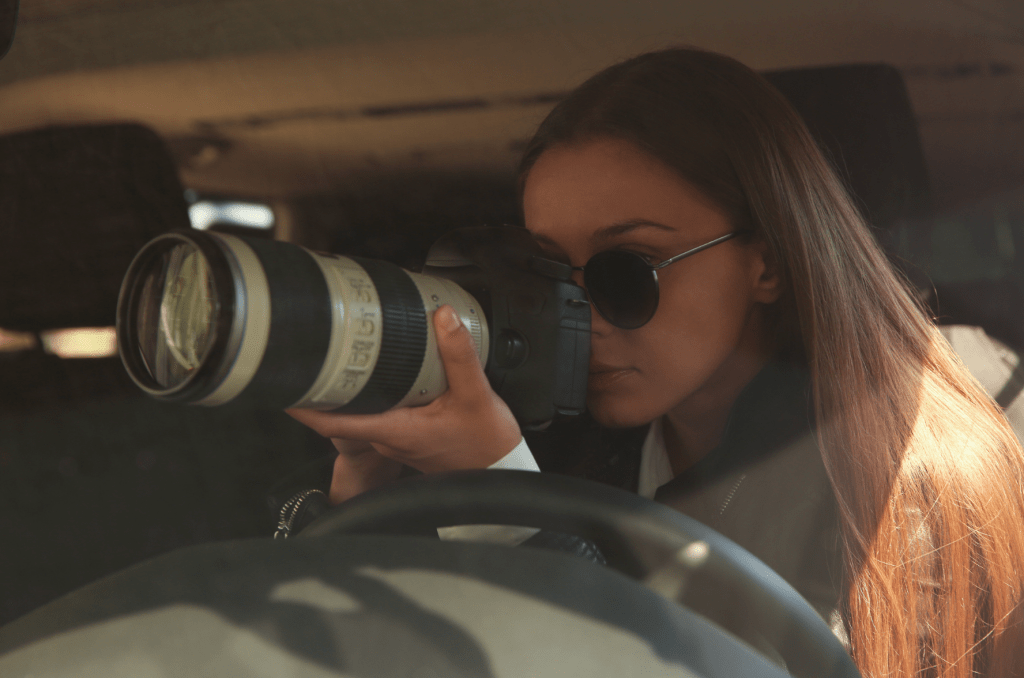
    A spy taking secret photographs from her carPhoto credit: Canva

    Andrew Bustamante (@Andrew-Bustamante) spent years as a covert CIA intelligence officer. When Lex Fridman asked him to name the single most useful spy trick that anyone could apply to their everyday life, his answer wasn’t about surveillance, or reading body language, or disappearing off the grid.

    It was about how you see other people.

    The clip, from Episode 310 of the Lex Fridman Podcast, originally recorded in August 2022, has been recirculating widely since Bustamante published his memoir “Shadow Cell” with his wife and fellow CIA officer Jihi Bustamante in September 2025, which debuted at number eight on the New York Times bestseller list. His follow-up book, “Everyday Espionage: Winning the Workplace,” applies the same intelligence tradecraft directly to professional life. The perception versus perspective clip is one of the reasons people keep finding him.

    Here’s the distinction he draws, as he explained to Fridman and as YourTango reported in covering the exchange. Perception is how each of us interprets the world around us. It’s personal, it’s filtered, and it’s entirely our own. There’s nothing wrong with it, but the problem is that most people treat their perception as objective reality and then spend enormous energy trying to convince everyone else of it. “That’s why so many people find themselves arguing all the time,” Bustamante said, “trying to convince other people of their own perception.”

    Perspective is different. It’s not just feeling what someone else feels, which Bustamante distinguishes from empathy. It’s actively placing yourself in someone else’s position and asking what their life actually looks like. What did they wake up worried about? What are they afraid of? What pressures are they carrying that you can’t see? “Perspective is the act or the art of observing the world from outside of yourself,” he told Fridman. “You sit in the seat of the person opposite you and think to yourself, ‘What is their life like?’”

    The intelligence application is obvious. An officer who can only see a situation through their own cultural and personal lens is going to miss things. One who can genuinely inhabit another person’s point of view, their incentives, their fears, their constraints, is going to understand things that others don’t. But Bustamante’s point is that this skill doesn’t stay in the field.

    “If you do that to your boss, it’s gonna change your career,” he said. “If you do that to your spouse, it’s gonna change your marriage. If you do that to your kids, it’s gonna change your family legacy. Because nobody else out there is doing it.”

    That last line is the part that tends to land. Most interpersonal friction, whether in a marriage, a workplace, or a friendship, comes not from bad intentions but from two people each arguing from their own perception without pausing to genuinely inhabit the other’s. Bustamante is saying the CIA trains people to close that gap, and that closing it is available to anyone who practices it deliberately.

    The comment sections on the viral clips reflect how directly this lands for people. “He just put it into words for me,” one viewer wrote. Another added that taking on multiple perspectives is “a way to find useful truths and do skillful systems analysis.” The observation isn’t new, but something about hearing it framed as tradecraft, as a skill that professionals train for rather than a platitude, seems to give it traction.

    Bustamante runs his own platform, Everyday Spy, where he teaches intelligence-based skills for civilian use. His core argument, across the podcast appearances and the books, is that 95% of what CIA officers are trained to do applies directly to ordinary life. The perception versus perspective shift, he says, is where most people could start.

    This article originally appeared earlier this year.

  • They evicted her after 40 years to claim her hand-painted murals. Her parting gift was perfect.
    A woman paints a mural indoors Photo credit: Canva
    ,

    They evicted her after 40 years to claim her hand-painted murals. Her parting gift was perfect.

    The landlord’s family evicted her to claim her artwork, but a neighbor with a paint sprayer had a different idea.

    For nearly four decades, a retired art teacher had been turning her rental house into something extraordinary. Every wall inside held hand-painted murals, Disney movies and fairy tales rendered floor to ceiling, the kind of place that people in the neighborhood knew by reputation. Outside, she’d added a cottage facade. Inside, it was unlike anything else on the street.

    She had no lease. The original landlord had given her a verbal agreement that the art on the walls wouldn’t be a problem, and she’d been there since the mid-1980s with an informal understanding that the house might one day be hers.

    Then the original landlord died. His son inherited the property, came to inspect it with his daughter, and they fell in love with what they saw. According to a post shared to Reddit’s r/pettyrevenge by a neighbor, u/ZZZ-Top, the family decided the art house should go to the daughter. Without a lease, the tenant had limited options. The murals she’d painted, the very thing that made the property desirable, were used as justification to push her out.

    “She was devastated,” the neighbor wrote.

    But she landed on her feet. Friends helped her find a property in another state at the last minute, one with a full art studio on the ground floor. The question of what to leave behind was where things got interesting.

    She had originally planned to leave the murals intact. Then her neighbor, a friend who had been wanting to practice using a powered paint sprayer, made her an offer: he would restore the house to what he called “Rebecca standards” for free. As he explained in the post, “Rebecca standards” is neighborhood shorthand for the look of a flipped house: everything painted in the same flat white and depressing grey, every surface generic, every trace of personality gone. The landlord’s family had evicted her specifically to get the murals. Rebecca standards would make that impossible.

    A woman paints a mural on a wall. Photo credit: Canva

    She agreed.

    Her furniture went into storage. Her neighbor let her stay in his guest house in exchange for one new mural on his living room wall. Then the work began. As the Someecards account of the story details, the painter friend sanded every wall in the house until the murals became nothing but blotchy color ghosts. Then came the Kilz primer, sprayed wall to wall. Then the grey. Wood paneling, trim, switch covers, outlet covers, counters, cabinets. All of it the same flat, lifeless shade. “The house looked dead inside when I went in to check it out,” the neighbor wrote. “It was weird not seeing all the murals.”

    Outside, a landscaping friend cleared the cottage facade and the plants, replacing everything with gravel, sand, and a single boulder.

    A few days after she left, the neighbor noticed the house was still empty. He asked around. Some U-Haul trucks had shown up earlier in the week, he was told, but none of them had been unloaded. Nobody had moved in.

    The post drew over 38,000 upvotes and hundreds of comments from people who understood exactly what had happened. “They could have easily asked her for a commission to do the same murals in their own home,” one commenter wrote, “but chose to kick her out instead.” Another kept it simpler: “Kick me out? My art goes with me. Enjoy the blank walls.”

    For anyone renting without a written lease, the story carries a quieter lesson. Verbal agreements offer almost no protection when ownership changes hands. The woman lost her home of 40 years because of a handshake arrangement with someone who was no longer alive to honor it. She found a better situation in the end, one with a proper studio and walls she actually owns. But the path there didn’t have to be that hard.

    This article originally appeared earlier this year.

  • A Wisconsin senior painted 44 portraits of classmates she’d drifted from. Their reactions when they received them say everything.
    A young woman smiles at a portraitPhoto credit: Canva
    ,

    A Wisconsin senior painted 44 portraits of classmates she’d drifted from. Their reactions when they received them say everything.

    Before graduation, she quietly painted a portrait of every classmate she’d ever known and given them away.

    Molly Schafer had a secret she’d been keeping all year.

    Every day at Waunakee High School in Wisconsin, she’d walk past classmates in the halls, people she’d known since elementary school, and they had no idea what she was doing in the corner of the school library after the final bell, or in the studio she’d set up at home. She was painting their portraits. All of them.

    “It was almost kind of like evil shenanigans that were going on,” she told the NW Indiana Times. “You have no idea what I’m doing. You have no clue what I’m making.”

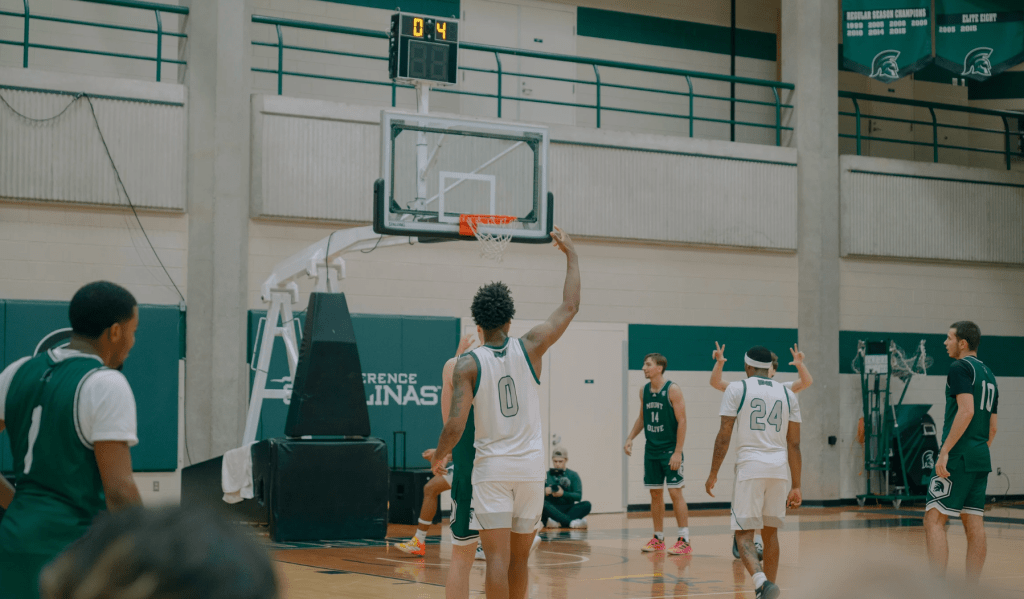
    basketball, gym, sports
    A high school basketball game. Photo credit: Canva

    Schafer had been outgoing in elementary and middle school, but social anxiety reshaped her high school years. She drifted from her peers, found a circle of older students, and watched that circle graduate and leave while she stayed behind. “I’ve never really known anyone in my senior class,” she told hngnews.com. “And I’ve just been so alone.” One moment captured the feeling precisely: she was photographing a basketball game for Warrior Media, the school’s sports streaming channel, when she slipped and fell. Every student in the gym turned to look. Nobody asked if she was okay.

    But the photography gave her something she hadn’t expected. A catalog. Thousands of shots of her classmates mid-game, mid-leap, mid-effort, faces alive with concentration and competition. When it came time for her AP Art final, she knew what she wanted to do with them.

    Starting in the fall of 2024, she began painting. She’d work at school, then go home and paint for another four or five hours in the studio she’d built in her garage. She originally planned 50 portraits, reduced it to 45, and finished with 44, each one based on her own sports photography, each one a classmate she’d known once and wanted to know again. By graduation, she’d spent approximately 600 hours across all of them, as reported by CBS News in a Steve Hartman “On the Road” segment that aired in June 2025.

    The paintings were portraits in the truest sense. Not posed, not generic, but specific people caught in specific moments, rendered with the kind of attention that takes months to accumulate. Each one was a gift.

    “I wanted to be seen,” she told Fox47. “I wanted to reconnect with these people who I haven’t talked to in years, and I wanted to show them that even though they’ve been such a small part of my life, they’ve stuck with me.”

    The reactions, when she handed them out, ranged from stunned to emotional. “It’s one of the coolest things I’ve ever seen someone do, especially for someone you aren’t that close with,” one classmate told CBS News. Another admitted: “We did have that friendship, and I didn’t put forth the work to keep it.” A third said: “All of us probably feel a little regret for not paying more attention.” Senior Brady Barman, one of the recipients, said that it simply felt good “to feel appreciated by someone else.”

    Schafer’s art teacher, Beth Crook De Valdez, watched the whole project unfold. “Watching her go through that process and seeing her internal reflection about this project she came up with really fills your heart,” she said.

    After the CBS segment aired, commission requests started arriving. More than 100 of them from people who had seen what she could do and wanted her to do it for them.

    Schafer’s own takeaway was characteristically direct. “You can’t go through life thinking that you don’t have friends because they don’t like you, because that’s not the case,” she said. “People aren’t thinking that hard about you. It’s all in your head. You just have to try.”

    She spent 600 hours proving it.

    This article originally appeared earlier this year.

Health

A former CIA officer was asked for the one spy trick everyone should know. His answer has nothing to do with espionage.

Culture

They evicted her after 40 years to claim her hand-painted murals. Her parting gift was perfect.

Culture

A Wisconsin senior painted 44 portraits of classmates she’d drifted from. Their reactions when they received them say everything.

Pop Culture

Video of two brothers Irish step dancing to Beyoncé’s country hit ‘Texas Hold ‘Em’ is pure delight