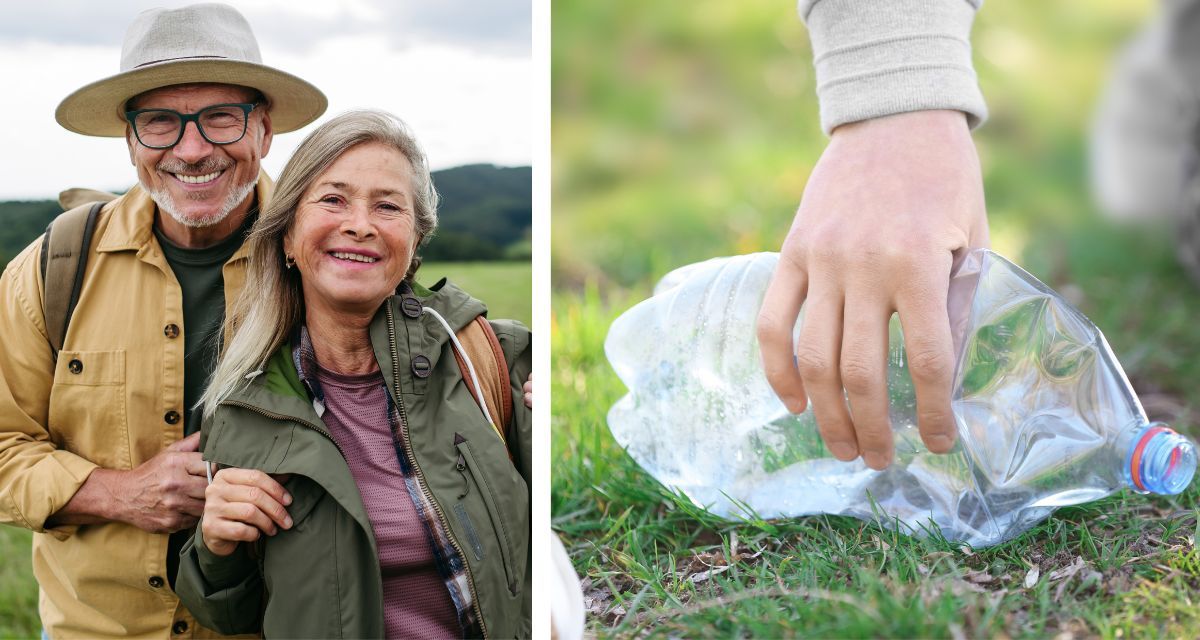
A senior couple recently made headlines after sharing their decades-long activity that provides exercise, fosters connection, and leaves their path a little more beautiful than they found it.
“Plogging” is a growing eco-friendly fitness trend that combines jogging or walking with picking up litter, turning a standard workout into a helpful community cleanup. The word comes from Sweden, blending jogging with plocka upp (meaning “to pick up”), thanks to runner Erik Ahlström, who started plogging in Stockholm in 2016.
Of course, when Phyllis and John Homes first began plogging, there wasn’t a word for it.
John shared with CBC News that he’s always been a fan of morning jogs. On one of his morning jaunts, he noticed some discarded litter and thought, “Someone should be picking up this stuff.”
“But I didn’t realize it was me,” he quipped.
Phyllis added that they’ve developed a routine: John, who’s good at spotting litter, acts as a “pointer dog” while she picks it up. They’ve been doing this for 21 years.
And thankfully, the amount of garbage they spot on their route has dwindled. What used to be 15 bags of trash each is now only two to five, depending on where they go.
More than a workout
Plogging can provide some extra physical benefits compared with a typical walk or jog. Stopping to bend, squat, reach for items, and carry bags of collected trash adds different movements to the routine, engaging muscles that might not get as much attention during a steady run.
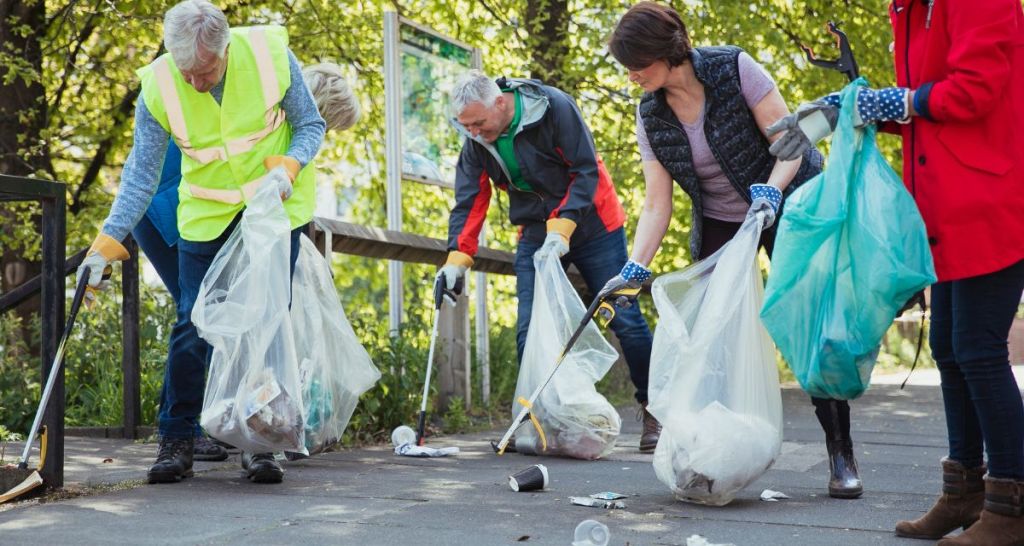
There are additional mental and social benefits, too. Spending time outdoors, doing something positive for the community, and having a shared purpose can make exercise feel more rewarding. For people who struggle to stay motivated by exercise alone, having a task to accomplish along the way can give a walk or run an entirely different sense of purpose.
Plogging can also bring people together. Group plogging events have popped up in communities around the world, giving neighbors a chance to exercise while working toward a common goal.
Why plogging keeps catching on
Part of the appeal is its simplicity. No special equipment or membership is required, and people can participate at whatever pace works for them. A person can jog, walk, or even hike while collecting litter along the way.
The environmental impact can add another layer of motivation. A single piece of trash might seem insignificant, but picking up litter regularly can keep plastic, paper, and other waste off streets, sidewalks, and trails and prevent it from eventually making its way into waterways.
As people look for ways to combine healthier habits with meaningful contributions to their communities, plogging offers an easy way to do both.
As John, the OG plogger, put it, “It’s like a little duty that you have to do every day, and it gives you a purpose, so it’s enjoyable.”
You can plog without calling it plogging
You don’t have to join a formal group or even use the word “plogging” to get started. The next time you go for a walk around your neighborhood, bring a reusable bag and a pair of gloves and pick up any litter you encounter along the way.
If you’re walking with a friend, make it a shared activity. If you’re taking the dog out, bring a bag for trash along with the usual supplies. You can even make it a family activity and see how much litter everyone can collect during a stroll. Just remember to put safety first: avoid anything sharp or hazardous, and use appropriate tools or gloves when handling unfamiliar debris.
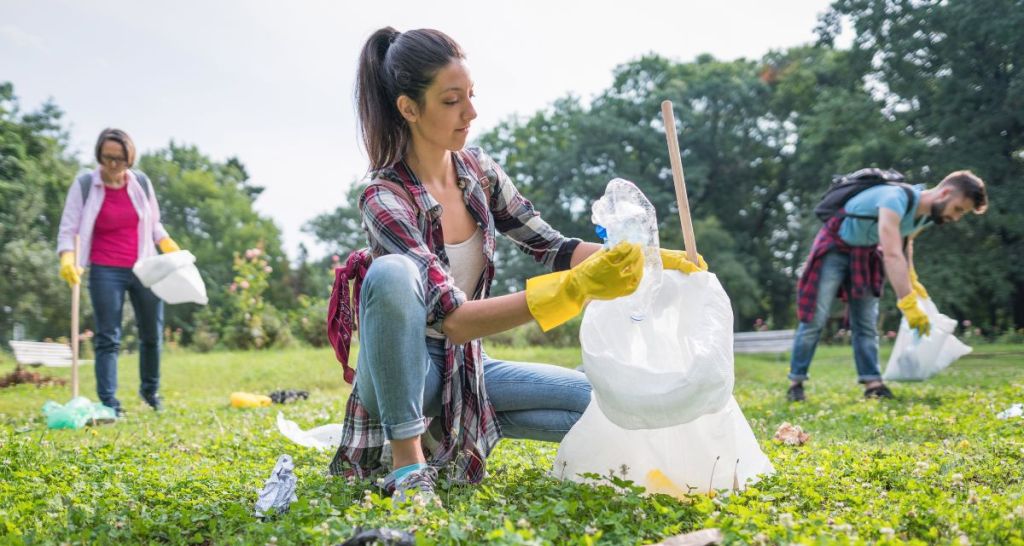
After 21 years, the Holmeses have seen their own neighborhood change for the better. Their story shows that making a difference doesn’t always require a grand gesture. Sometimes, it can start with noticing a piece of trash on your morning walk and deciding that, this time, you’re going to be the one who picks it up.