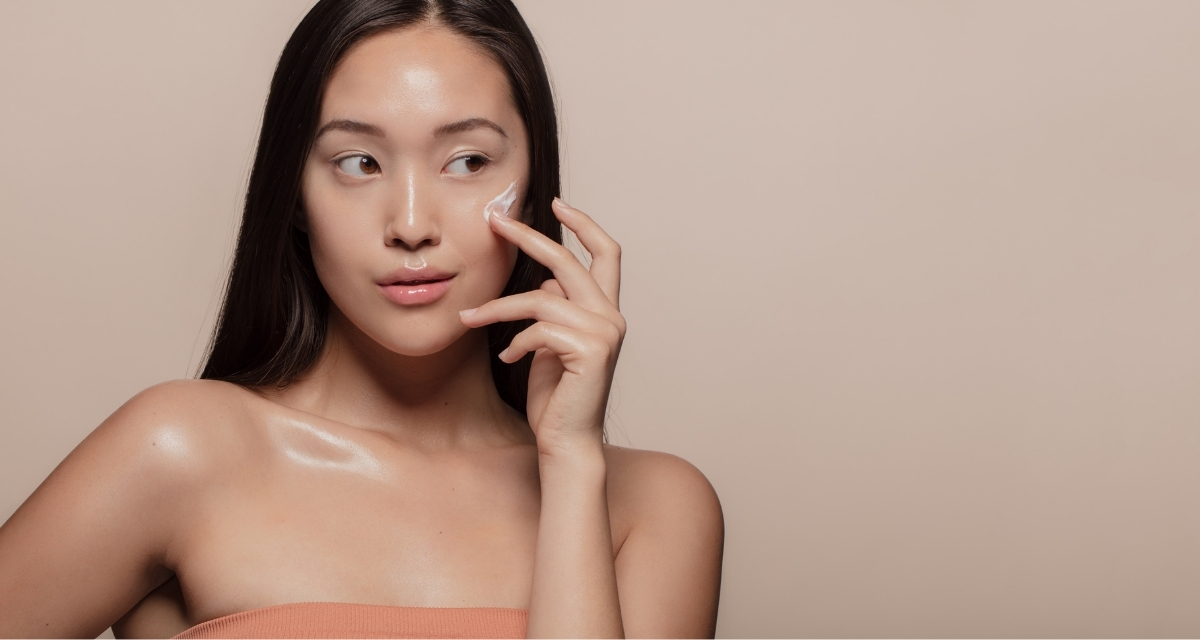
Smooth, poreless skin. Perfectly sculpted eyebrows. Full, pouty lips. Long, lush eyelashes. Beauty magazines have promised to “help” women “improve” their appearance for decades, using phrases that echo in our minds every time we look in the mirror.
Convincing women to strive for physical perfection has long been a lucrative business. The more perfect the model, the more product companies can sell. That simple fact has resulted in airbrushing, Photoshop, and other editing tools. But at least with those tricks, the faces beneath the filters were real models.
Now we’re in a whole new world. Photographer Cass Klepac shared a story of opening up an airport magazine. The cover claimed it was “The Beauty Authority,” and inside it held a spread of how to improve your skin with cosmetic procedures. The models were beautiful, of course. But the fine print in the photo credits left her stunned.
The (un)reality of AI-generated models
The photo credits were simply detailed AI prompts:
“Editorial photography, full-body portrait of a confident woman in her 30s wearing a sleek white bathing suit, standing tall from head to toe, emphasizing elegant proportions.”
“High-fashion editorial photo, summer elegance, a confident woman in her 30s wearing a white off-shoulder blouse, flowing and minimalist. Her radiant, glowing skin is highlighted with faint, laser-grid patterns.”
On the one hand, the transparency of those credits is good. It’s better than using AI models and not disclosing that fact at all. But that’s little consolation in the face of what it means. Not only do we have to battle our own comparisons to real women whose features have been enhanced by editing software, but now we have AI-generated faces and bodies to contend with.
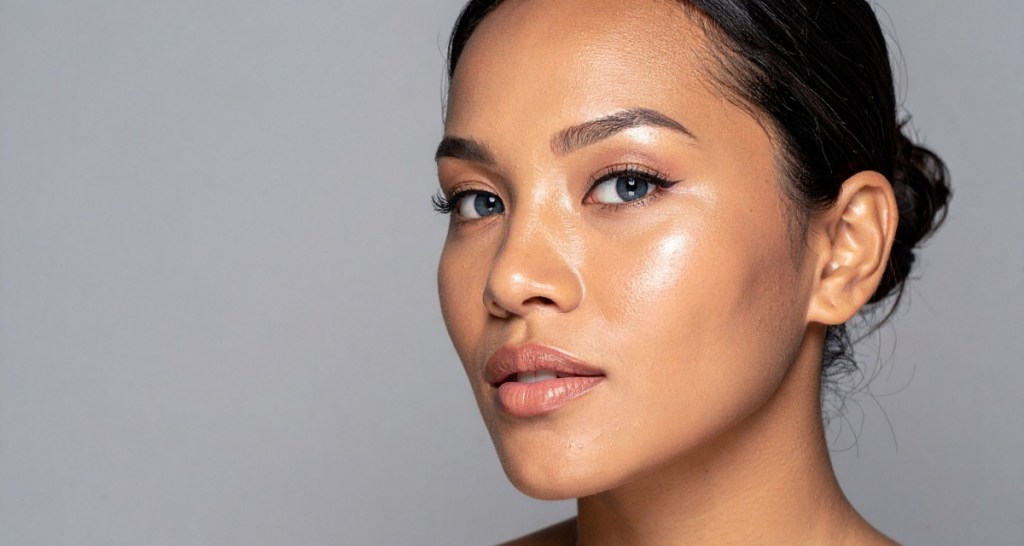
Beauty standards were already impossible. Now they’re absurd.
Let’s let this sink in for a minute. Women are looking at magazines that show a standard of beauty that isn’t just altered, but completely conjured. It’s not real, in the most literal sense possible. (And it’s not just women—men now have AI-generated models to compare themselves to as well.)
But why would companies and publications use AI-generated images like these in the first place? That one’s easy. Money. Why pay a model, a stylist, a make-up artist, a hair stylist, a photographer, and a studio when you can just plop a prompt into an AI engine and hit “return”?
Of course, there are many excellent, human-centered reasons to choose the former instead of the latter, but there’s no question that it costs much more time and money to turn away from AI. So now we face basic, vital, ultimately existential questions like, “Are humans worth it?” That answer depends on what we truly value.
That’s mainly a question for top-level decision-makers. For the average person, the question is what we choose to take from all of this.
How to break free from absurd, impossible beauty standards
My hope is that young women, those who haven’t yet lived through decades of ever-changing standards and seen their futility, will just flat-out reject the idea of comparing themselves to AI-generated models. I hope they will see how ridiculous the whole game is on its face, and simply refuse to play it.
But I’ve lived long enough to know how powerful the pull of those shiny pages and images of seeming perfection can be. Even if we intellectually know we shouldn’t let them, those standards seep into our psyches.
In 2021, psychologist Yanet Vanegas shared seven ways to stop comparing yourself to damaging, unhealthy beauty standards. Here’s a summary of what she suggests:
Steer your self-worth away from how you look
The people who love you don’t love you for your physical appearance. And if they do, time to reevaluate those relationships because you deserve better.
You be the judge of what is beautiful.
“It is time to take the power back and define beauty how we see fit,” writes Vanegas. “We don’t have to conform to unrealistic beauty standards.” Give yourself permission to decide for yourself what beauty means.
Know how your brain can be tricked.
Vanegas compares presentations of beauty to magic tricks. We know magicians are tricking us, even if we enjoy it. We need to actively think about the “magic trick” (Photoshop, filters, AI) being pulled on us when we are in spaces where unrealistic beauty standards are being upheld.
Limit your time in spaces that tempt you to compare yourself
Social media is a big one these days. But magazines like the one in the video, fashion shows, celebrity pages, etc. can all present beauty standards as if they are normal. Be wary of spending too much time in those spaces.
Pay attention to patterns
Vanegas suggests people notice patterns in their thoughts and behaviors and make adjustments, using questions like these to become more aware:
“Did you notice that you tend to compare yourself to others who you believe have your body ideal? Are the days when you compare yourself to those societally perpetuated beauty ideals worse than those when you focus on your amazing self? Are there specific websites or people who make you feel worse about yourself?”
Surround yourself with body-positive people
Having people in your life who use language that counteracts the subliminal messaging we get from beauty marketing helps. Find and stick with people who remind you of your true value.
Use body-positive language with yourself
Often, our first instinct is to criticize our bodies instead of celebrate them. “When you look in the mirror, try to look at your whole self, not just at the areas you dislike,” writes Vanegas. Appreciate what your body does for you, focusing on function, not just appearance.
It takes effort to fight the messages moneymakers use to entice us into playing their game. The best way to win is to refuse to participate in the first place.