Anushka Naiknaware may only be 13 years old, but she just invented a bandage that could help patients with chronic wounds heal faster.
The eighth-grader from Portland, Oregon, created a bandage that senses moisture in a wound dressing. “A lot of people don’t immediately relate moisture to wounds,” she explained, “but the truth is that moisture is one of the key determining factors in how fast a chronic wound heals.”
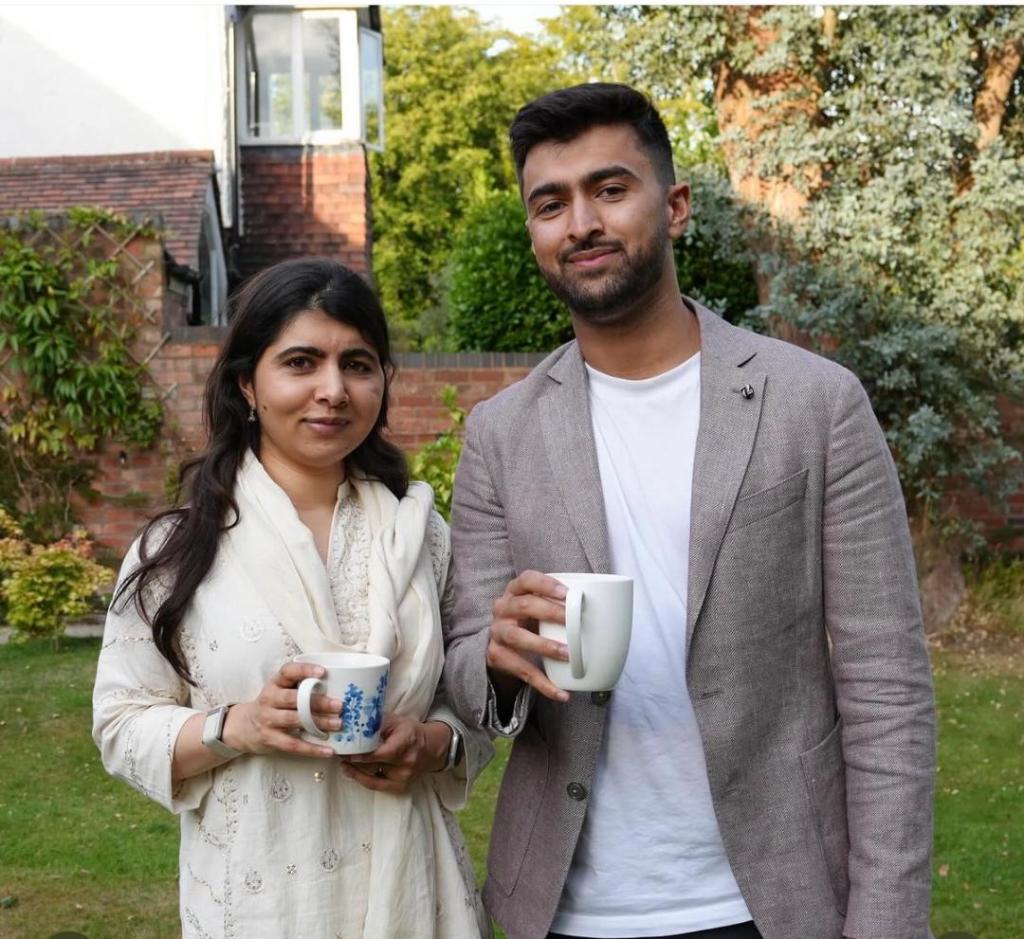
Naiknaware in front of a previous science fair presentation. All images via Rekha Naiknaware, used with permission.
Why does moisture matter? Well, many open wounds need to be kept moist to promote healing; but if a wound is too wet, that can be a sign of infection. Simply put: Keeping the wound in a healthy moisture range helps it heal faster.
Naiknaware’s bandage allows a doctor to monitor the status of the wound (without having to unwrap the dressing) and address issues accordingly. The bandage is intended to be used on patients with chronic wounds, which are common in elderly patients and folks with diabetes and usually take three months or longer to heal.
Ravleen Kaur from the Beaverton Valley Times reported that the bandage may even have implications for the military, “helping injured soldiers in a rapid and cost-effective manner.”
Naiknaware’s creation won the Lego Education Builder Award at the 2016 Google Science Fair. Heads up: That’s a pretty big deal.
It’s a prize that comes with $15,000, a trip to Denmark, and a one-year mentorship with Lego to help get the project into production.
Naiknaware after winning her award at the Google Science Fair.
The project all started when Naiknaware was 3 or 4 years old and her parents would take her to a local science museum. She loved all the exhibits there (particularly chemistry) and over the years her interest in science blossomed.
“There’s a natural progression from one field to another,” she said. “After you learn math and chemistry, you can do biology, physics, computer science, anything. It just keeps building and there’s no real end to it.”
Naiknaware’s love of the science museum fueled an interest in nanoparticles (which she began researching in fourth grade). Eventually, this research became the foundation of her submission to the Google Science Fair.
A budding scientist.
“I actually created an ink out of nanoparticles and filled that into a normal inkjet cartridge,” Naiknaware explained. “This allowed me to print out a conductive circuit.” After hooking that circuit up to a small battery and passing a current through it, she could measure the resistance and get a reading of the moisture content.
The success of Naiknaware’s invention is huge. But throughout her process, she was no stranger to failure.
She had particular difficulty perfecting the ink circuit. “How many times did my ink fail? 40 times? 50 times? Quite a few.” She also mentioned a few jammed up printers in the garage.
Naiknaware’s wound dressing presentation.
On top of that, Naiknaware encountered her fair share of discouragement from adults. “When I started doing things with nanoparticles,” she recalled, “a lot of people — parents, judges — told me, ‘What you’re doing is impossible. It’s not going to work.’”
But she knew that her theory worked on paper. She had confidence in her own idea and a few encouraging mentors on her side — including her sixth grade science teacher, Ms. Svenson.
After her experience with the bandage, Naiknaware’s advice to other passionate kids interested in science is simple: “Just because people say your idea won’t work, doesn’t mean you can’t prove them wrong.”